
Aston Martin's Valhalla Spider stops at 200 km/h with its roof on
The Valhalla Spider is Aston Martin's fastest open car, as long as the roof stays off
Aston Martin has taken the roof off the Valhalla and built the fastest convertible in its history. The Spider keeps the coupé's 1,079 hp plug-in hybrid V8, its 2.5 seconds from 0 to 100 km/h and its 350 km/h top speed, adding 25 kg in the process. It makes its public debut at the Concours at Wynn Las Vegas this weekend, with first deliveries due in the third quarter of 2027.
The Valhalla Spider's standard fabric roof stops it at 200 km/h
With its standard fabric roof fitted, the Valhalla Spider is limited to 200 km/h, 150 km/h short of its claimed top speed. A sensor detects when the panel is in place and the car will go no faster, so the full 350 km/h is only available with the roof stowed or with the optional carbon fibre panel fitted. That carbon panel has a drawback of its own, because it cannot be carried in the car. The fabric top rolls up and goes into one of two new 15-litre compartments in the sills, which means it is always on board when the weather turns halfway up an Alpine pass.
A targa panel keeps the Valhalla Spider's carbon tub at 1,680 kg
Aston Martin chose a removable targa-style panel over a folding roof to keep the carbon fibre monocoque stiff and the silhouette intact. The Spider weighs 25 kg more than the coupé, at a claimed dry weight of 1,680 kg with the lightweight options specified. Its dihedral doors stay, though they are now frameless, and their shape has been reworked so getting in with the panel fitted takes less contortion. Adaptive Bilstein dampers and carbon ceramic brakes carry over unchanged.
Valhalla Spider aero and ESP are recalibrated for open-top running
Aston has rewritten the software for the Valhalla Spider's active aerodynamics and stability control, because removing the roof changes how air reaches the back of the car. A new wind deflector folds into three parts, lives in the sill compartments when it is not needed, and pushes air up over the cabin to cut buffeting before steering it down towards the rear air scoop. That scoop now stands 35 mm taller to keep enough cooling air flowing to the mid-mounted V8. With the panel in place, Aston quotes the same 600 kg of maximum downforce as the coupé, and none of the published material gives a figure for the car running open.
1,079 hp lets the open Valhalla Spider outrun the Valkyrie by 20 km/h
The Valhalla Spider carries over the coupé's powertrain unchanged: a flat-plane 4.0-litre twin-turbo V8 makes 828 hp on its own, and three electric motors add 251 hp for a system output of 1,079 hp and 1,100 Nm. Two of those motors drive the front axle, the third sits inside the eight-speed dual-clutch gearbox, and a 6.1 kWh battery provides around 14 km of electric range. With its roof off, the Valhalla Spider is 20 km/h faster than the V12 Valkyrie Spider, which Aston restricts to 330 km/h in open form, so the V8 car now holds the brand's open-top speed record. Inside, the Spider gets new touring seats as standard, and the coupé's carbon buckets remain a no-cost option.
Valhalla Spider price expected around €1.5 million, with 250 cars
Aston Martin has not announced a price, but Autocar and Top Gear both put the Spider at around €1.5 million (£1.3 million), which Autocar reckons is a premium of roughly 40 percent over the coupé. In the United States, the coupé starts at around €900,000 ($1,051,700). Aston expects one in four of the 999 Valhallas to be Spiders, about 250 cars, and has told Top Gear that most are already allocated a year before production starts. The car fits Aston's stated plan of leaning on high-priced derivatives of existing models to raise its average selling price, in a year when it also sold control of its own brand name to raise cash.
AutoNext Take
With the fabric roof on, a Valhalla Spider has a lower top speed than a 150 hp diesel Volkswagen Golf, which is rated at more than 220 km/h. On paper that is absurd. On the road it costs owners little, because 200 km/h is already above every posted limit in Europe, and the few Spiders that see Germany's unrestricted Autobahn stretches will mostly do it in summer with the roof rolled up in the sill.
Where the limit will bite is on the order form. We expect the carbon panel to be specified on well over half of the roughly 250 Spiders when deliveries begin in the third quarter of 2027, because a buyer paying €1.5 million will not accept a roof with its own speed limit, and Aston will have turned an option into part of the real price of the car.

Rolls-Royce's Silver Ghost turns 120 without the car that named it
Rolls-Royce is celebrating 120 years of the Silver Ghost, first shown at London's Olympia Motor Show in November 1906. The car that gave the model its name, chassis 60551 registered AX 201, now belongs elsewhere: Bentley owned it from 1998 and sold it to a private collector in England in 2019.
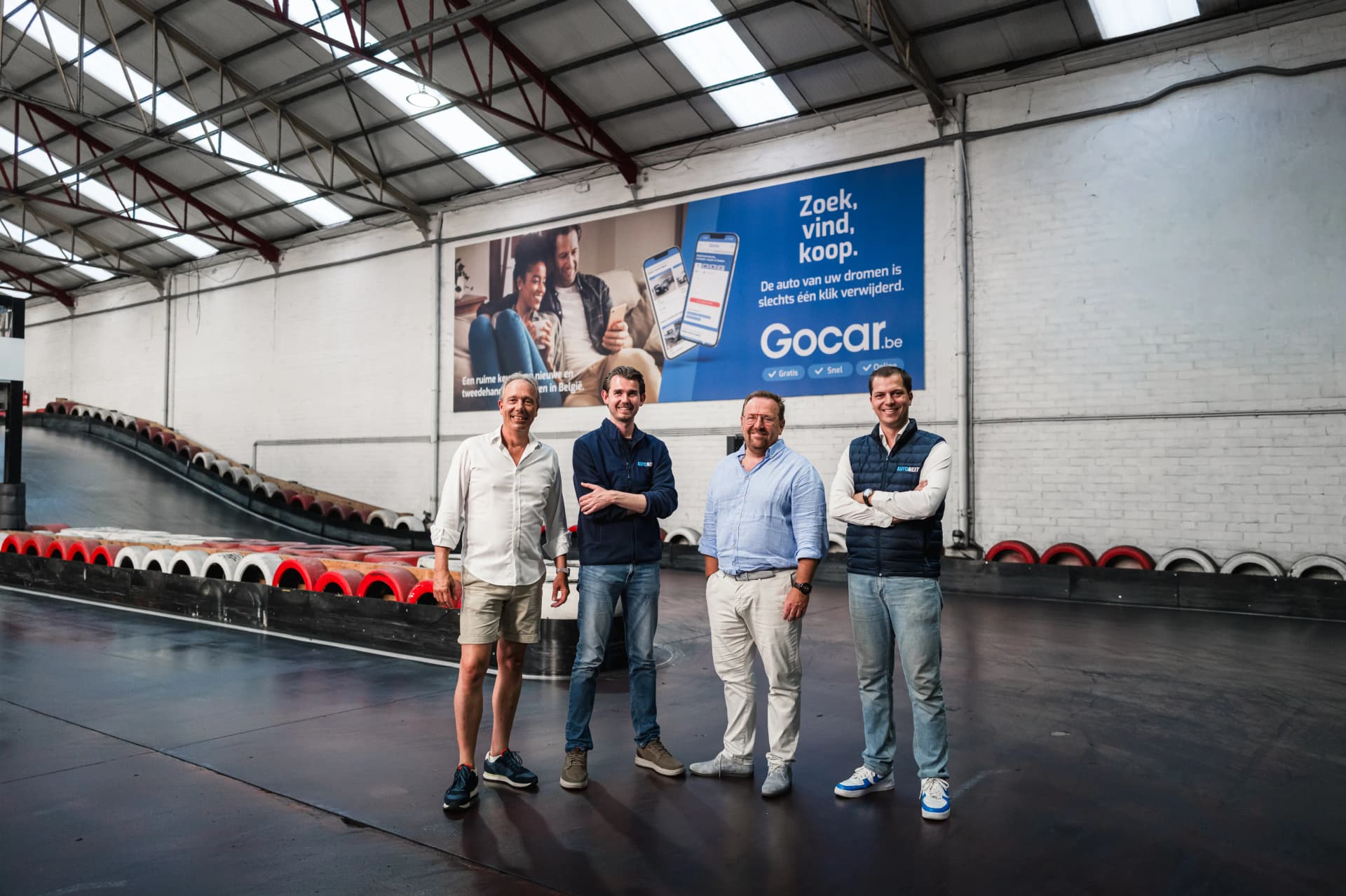
Gocar.be and AutoNext join forces to give cars and sellers more visibility
Gocar.be and AutoNext.co are entering a strategic partnership. Vehicles published on Gocar.be can gain extra visibility on AutoNext with a direct link back to the original listing, while Gocar.be becomes a media partner of AutoNext. For car buyers it means more information and better orientation; for dealers, brands and automotive partners it opens up extra opportunities around content, social media, lead campaigns, model communication and events.
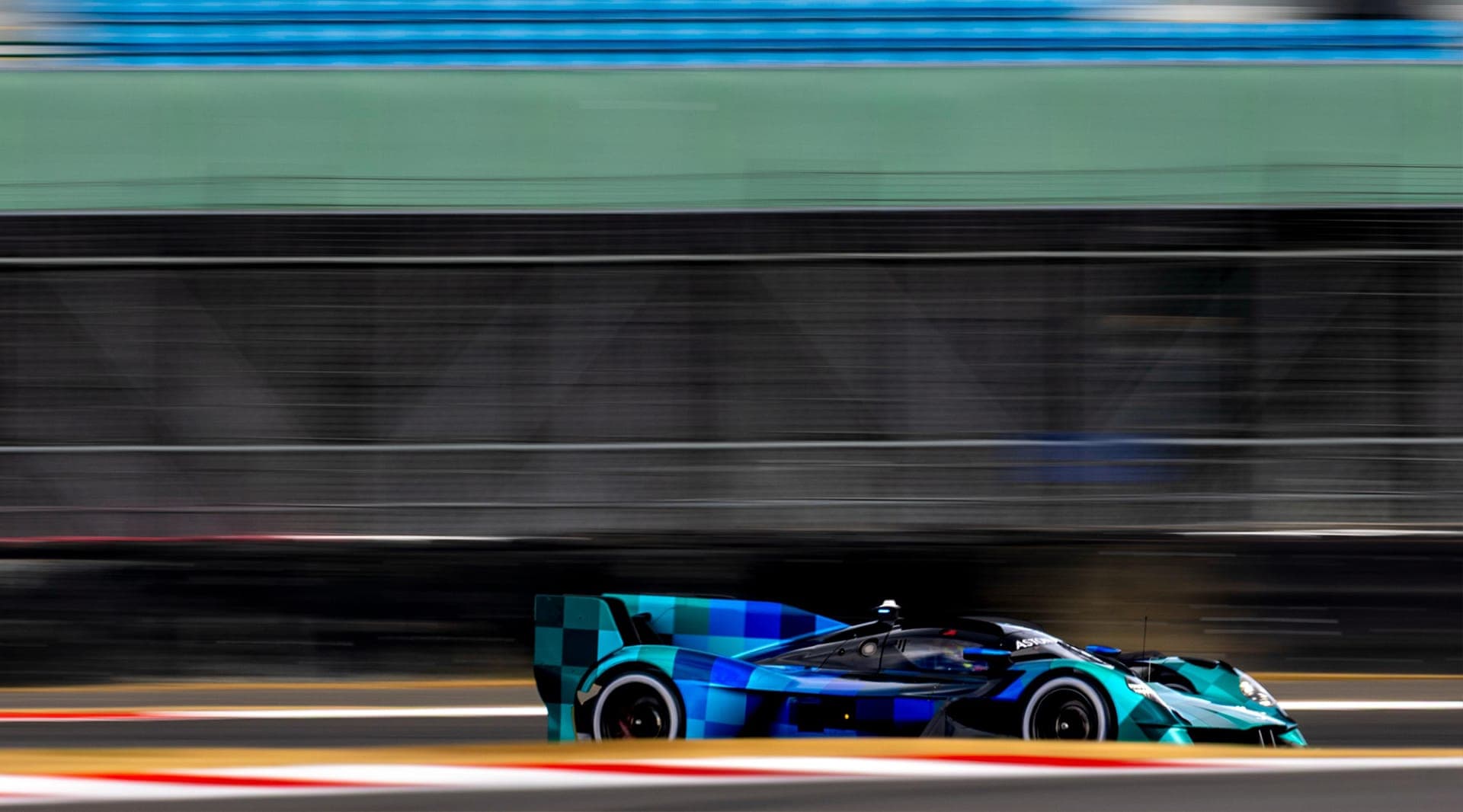
Aston Martin is happy with its Valkyrie upgrade testing, and drivability is the real target
Heart of Racing boss Ian James is pleased with a Silverstone test for the Aston Martin Valkyrie's first major upgrade, which he called a fact-finding mission focused on gathering data. The development is aimed above all at drivability, with James calling it the key to unlocking the car's speed, and a packed schedule of track tests and wind tunnel sessions now runs toward the 2027 homologation deadline. The updates will stay non-hybrid, keeping the V12.
