
Europe's 2035 combustion ban softens to an 87.5% CO2 cut
Parliament leaves room for roughly one petrol car in nine after 2035
Negotiators from the EPP, S&D and Renew Europe agree overnight to soften the European Union's 2035 rule for new cars. Instead of a 100 percent cut in fleet CO2 against 2021, they back 87.5 percent, which keeps new petrol and hybrid cars legal beyond 2035 without billion-euro fines. The three groups still have to sign it off internally before Thursday's committee votes.
EPP, S&D and Renew back a 95% target with a 7.5-point steel discount
The Parliament deal sets a 95 percent CO2 cut for 2035 and lets manufacturers that build with low-carbon steel subtract up to 7.5 percentage points, which is where the 87.5 percent floor comes from. The current regulation, revised in 2023, demands 100 percent: every new car and van registered from 2035 must be zero-emission. Under the compromise, combustion and hybrid cars could stay in showrooms, as long as the brand's fleet average stays under the line. Mercedes says it has used green steel since 2025, so the clause rewards work some carmakers have already paid for.
87.5% means a fleet average of about 13.8 g/km
An 87.5 percent cut leaves each carmaker's fleet at roughly 13.8 g/km of CO2, measured against a 2021 reference of about 110 g/km on the WLTP cycle. That reference follows from today's targets, since 93.6 g/km for 2025 is a 15 percent cut and 49.5 g/km for 2030 is a 55 percent cut. New cars in the EU averaged 98 g/km in 2025. If every other car a brand sells is electric, 13.8 g/km makes room for about one petrol car in nine at 120 g/km. Missing the target costs €95 per gram for every car registered.
Commission's 90% plan and the Franco-German paper compared
The European Commission proposed a 90 percent cut on 16 December 2025, with the remaining 10 percent to be covered by credits: up to 7 percent for low-carbon steel made in the EU and up to 3 percent for renewable fuels. Germany and France sketched their own 90 percent position on 16 October, without the steel offset. Parliament's text moves the other way, raising the headline figure to 95 percent and leaning harder on steel. Both EU institutions now use steel as the bargaining chip, which makes it the clause most likely to survive.
Transport & Environment: 90% would trim the EV share by 15%
Transport & Environment estimates that a 90 percent target would cut the share of battery-electric cars by 15 percent, and that averaging compliance over 2030 to 2032 would lower the BEV share from 57 to 47 percent. The 2030 milestone itself is not in play: the Commission's proposal keeps it at 55 percent, or 49.5 g/km. Electric cars already outsell petrol models in the EU this year, so the curve towards electric is being flattened at the far end, not reversed.
Committee votes on 22 October, a plenary in December, a law in 2027
The transport and industry committees vote on Thursday 22 October, and the environment committee, which leads the file, follows in early November. A plenary vote fixing Parliament's position is expected in December. Only then do talks with the member states in the Council begin, with a final text expected early in 2027. Until it is published, the 100 percent rule adopted in 2023 is still the law, and carmakers are planning their 2035 ranges against a target almost nobody now expects to keep.
AutoNext Take
Parliament has not rescued the combustion engine; it has rationed it. A fleet average near 13.8 g/km still asks a typical brand to sell almost nothing but electric cars, and the brands that gain most are those already buying low-carbon steel, an industry Europe wants to rebuild anyway. That is a better trade than the headline suggests: a cleaner supply chain in exchange for a small share of engines.
Steel is the one clause the Commission and Parliament have both written in, at 7 percent and 7.5 points, so it is the likeliest to survive the talks with the member states. Expect the final 2035 figure, due early in 2027, to land between 87.5 and 90 percent, and expect every major European brand to sign a green-steel supply deal before it does.
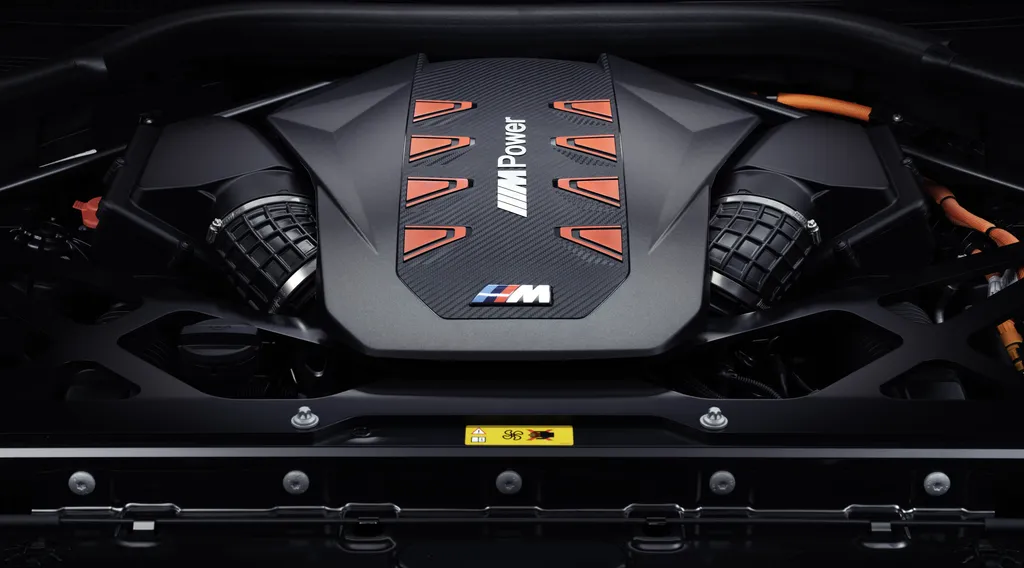
The combustion engine survives after all, beyond 2035
The European car world is being shaken up considerably today. What had long been considered inevitable, a full ban on new cars with combustion engines from 2035, is now up in the air. In fact: Europe has officially decided that combustion engines may continue to exist after 2035. But not without conditions.

Electric cars now outsell petrol in the EU, by 6,600 registrations
Battery-electric cars have overtaken petrol in EU registrations for 2026 so far, 1,641,333 to 1,634,733, according to ACEA. The swing came in July and August, when electric added 94,863 more cars than petrol. August alone was 27.7% electric. Hybrids remain the largest powertrain at 36.6%, and Italy, Spain and Poland are still below 11% electric.

Audi has no combustion end date, and Döllner explains it by segment
Audi has abandoned any fixed date for ending combustion engines, and chief executive Gernot Döllner says the reason is a gradient in the price list: the more expensive the car, the more buyers still choose an engine. Audi's own recent history says the same. It closed the factory that built the Q8 e-tron in February 2025, and the model leading its launch plan now is the cheapest EV it sells.
