
Charging an EV in Belgium can cost double at the same pole
Charging an electric car in Belgium has no price cap, and the industry has noticed
Filling up with petrol or diesel in Belgium comes with a legal maximum price. Charging an electric car does not, and according to an analysis by VRT NWS, that gap has opened the door to price differences of more than 100 percent at the plug, driven by the electricity price and a long list of hidden extras.
The broadcaster went charging at different points around the country and found that the same kilowatt-hour can cost very different amounts depending on the card in your wallet, the time of day, and a list of surcharges most drivers never see coming.
No ceiling, so “reasonable” means whatever the operator decides
Europe says charging prices have to stay “reasonable”, but it sets no actual limit. As VRT puts it, operators give that word a very broad reading and get creative with the extra costs they pile on. With no maximum, the headline price has become close to meaningless.
A 15-euro charging card is only the first fee
Many of the apps and cards that help you find and use a pole are not free: VRT found cards costing 15 euros, others with a subscription of around a euro a month, and some adding a surcharge of up to 10 percent on every session. Compare that with a petrol station, which shows its price per litre on a large board and again at the pump, and needs no paid app at all.
It gets worse when you charge at a rival's pole. Providers sign roaming agreements so their cards work more widely, but roaming almost always carries a tariff, and that tariff differs from card to card. The result, according to VRT, is that a single pole can charge dozens of different prices depending on which card you present, which is why specialists advise private drivers to carry several of them. The physical network itself keeps expanding, with players like Mercedes rolling out their own charging hubs, but more poles has not meant simpler pricing.
Paying by bank card, the obvious fix, can cost 65 percent more
There is a simple solution that petrol stations have used forever: the bank card. A European regulation from April 2024 requires every new charger to accept a bank card or payment app, and from 1 January 2027 the older fast chargers above 50 kW along the motorways must too. But Europe lets operators add a “reasonable” surcharge for using those everyday payment methods, and VRT found some charging more than 65 percent extra per kilowatt-hour to pay by card. On top of that, tens of thousands of older poles still take no bank card at all.
Then come the start fees, the overstay charges and the clock
Some operators apply a start fee, more than 3 euros at one of the pricier poles VRT visited, which you pay even if you drive off without taking a single kilowatt-hour. Some bill the full price for every started kWh, so charging a tenth of one costs you the whole unit. Many also add overstay fees to stop drivers blocking a pole after their car is full. That is fair enough when it kicks in after four hours on a slow charger or half an hour on a fast one, but VRT found operators charging time penalties from the very first minute.
The final variable is when you charge. Electricity prices swing enormously across the day, cheap on a sunny afternoon or deep at night, dear during the morning and evening peaks. Operators increasingly track that, which helps balance the grid, but it means a charge started at the wrong moment can cost twice as much, and some providers change their prices up to four times a day.
AutoNext Take
Some of this is defensible. Dynamic pricing genuinely helps the grid soak up renewable energy, and overstay fees stop people treating a charger as a free parking space.
The real problem is the fog. A driver cannot easily see what a charge will cost before plugging in, and a surcharge of more than 65 percent for reaching for a bank card is hard to call “reasonable”. AFIR asks member states to aim for regular supervision of possibly unfair practices, and VRT is still waiting to see how Belgium will fill that in. Until it does, the only defence is the one no petrol customer has ever needed: a wallet full of charge cards and a careful eye on the clock. We expect the 1 January 2027 bank-card deadline for older motorway fast chargers to pass with those surcharges still in place, because Europe still sets no limit on them.
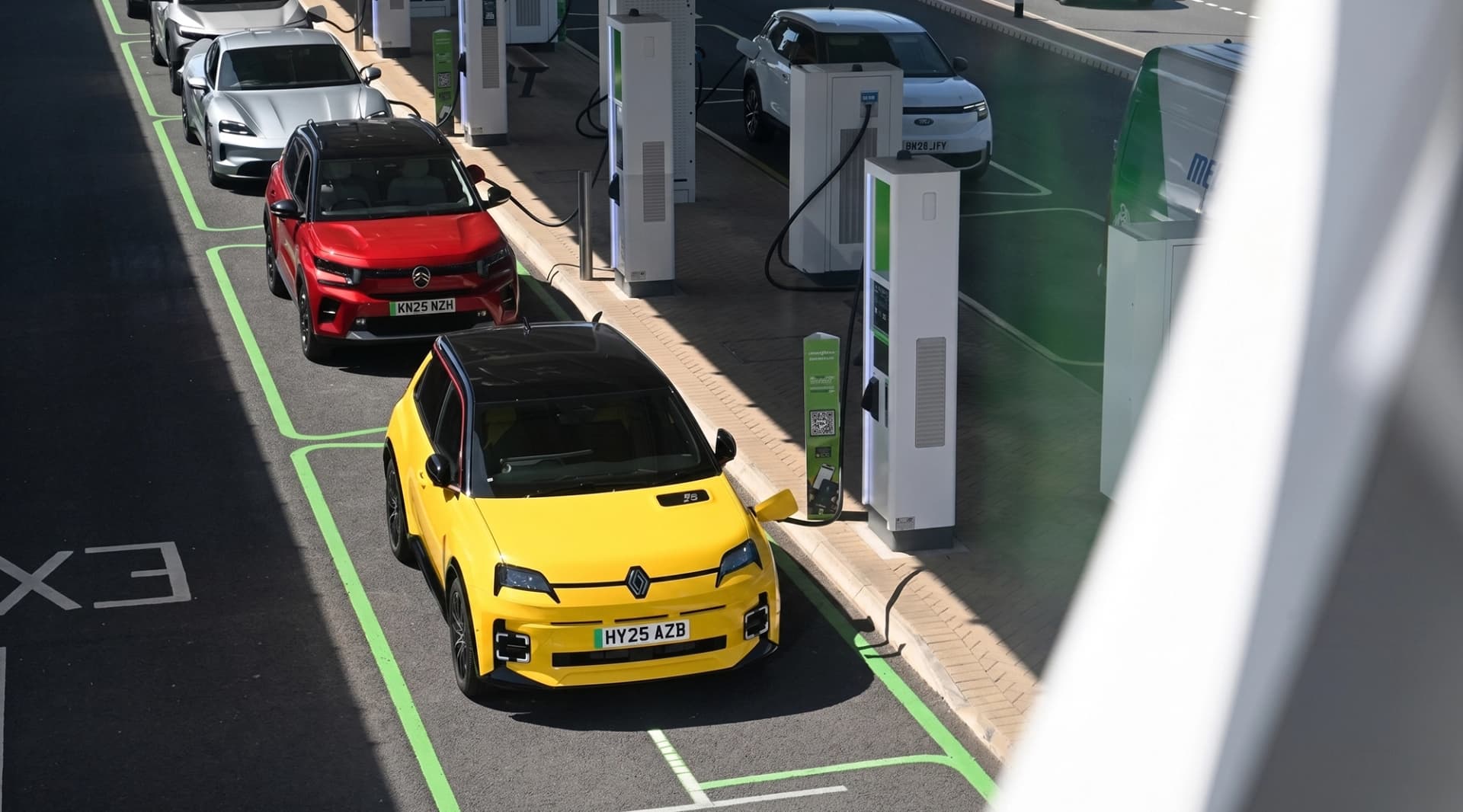
EU officials complain about EV charging stops. The irony is almost too perfect
There are few things more politically awkward than being slowed down by your own policy. That is now exactly the situation facing parts of the European Commission. The EU has been pushing hard for faster electrification across Europe, urging citizens, companies and carmakers to move away from combustion as quickly as possible. At the same time, its own official vehicle fleet is being converted to zero-emission power, with the goal of becoming fully emission-free by 2027.

Gocar.be and AutoNext join forces to give cars and sellers more visibility
Gocar.be and AutoNext.co are entering a strategic partnership. Vehicles published on Gocar.be can gain extra visibility on AutoNext with a direct link back to the original listing, while Gocar.be becomes a media partner of AutoNext. For car buyers it means more information and better orientation; for dealers, brands and automotive partners it opens up extra opportunities around content, social media, lead campaigns, model communication and events.

Opel Grandland Electric halves kerbside charging time for €800
Opel now sells the Grandland Electric with a 22 kW on-board charger, an €800 option in Germany on all three versions. At a 22 kW public AC post it halves a full charge to just over 2.5 hours on the 73 kWh car. At home, where a 22 kW wallbox needs a 32 A three-phase supply, the gain is small.
