
GM pays €197 million for selling driving data, about €19 a driver
General Motors sold how millions of Americans braked, and insurers priced it in
General Motors has agreed to pay $220 million, about €197 million, to settle claims that it sold its customers' driving behaviour to insurers without telling them. The deal, announced on 29 October, closes a case brought by attorneys general in 35 US states and the District of Columbia. Spread across the 10,283,000 Americans the states say were affected, it comes to about €19 per driver.
Smart Driver sent braking and speeding data to LexisNexis and Verisk
Smart Driver was a free feature inside GM's connected-car apps, offered to owners between 2016 and 2024 as a way to improve their own driving or keep an eye on a teenager. It recorded how often a car was driven, when each trip started and ended, every hard braking event and rapid acceleration, and whether the driver went over the speed limit. GM passed that file to data brokers including LexisNexis and Verisk, under contracts that named insurance products as the purpose. Insurers bought it, and some used it to raise premiums. GM ended Smart Driver in 2024, shortly after The New York Times documented the trade.
GM dealers earned bonuses for every OnStar sign-up
Most owners were enrolled at the dealership, on the day they collected the car. According to the states, GM used a single sign-up process for OnStar and Smart Driver, and dealer staff in many cases accepted the terms and conditions on the buyer's behalf. GM was pushing its retailers hard at the time: sales staff earned bonuses partly tied to connected-service enrolments, and dealerships were ranked on their numbers. The settlement now requires GM to train and oversee its dealers so that nobody is signed up to data collection by the person selling them the car.
OnStar told 370,000 enrolled drivers they were not enrolled
GM's own OnStar app told more than 370,000 drivers that they were not enrolled in Smart Driver while GM was still collecting and selling their data. When GM found the error, it unenrolled them quietly, did not tell them, and left the data it had already sold with the brokers and insurers holding it. Connecticut's attorney general William Tong said GM had turned private vehicles into "mobile insurance surveillance machines". His office sent GM a first notice of violation in 2024, one of the earliest actions under the state's then-new privacy law.
The €197 million goes to 36 attorneys general, not to drivers
None of the €197 million is paid to drivers. It is divided between the states, with Washington receiving about €11 million ($12.3 million) and Connecticut more than €5 million ($6 million), while owners whose premiums rose have to look to the consumer class actions still pending against GM. The Federal Trade Commission settled with GM in January 2025 without any payment at all; its order, finalised this January, bars GM and OnStar from sharing geolocation and driving-behaviour data for five years. The state deal adds two things the FTC did not get: affirmative express consent before GM collects or shares driving and location data, and an outside assessor checking GM's privacy programme.
GDPR has required the consent GM skipped since 2018
In our reading, Smart Driver as GM ran it would have struggled under European law. The GDPR has required a lawful basis for processing personal data since May 2018, which for selling an identifiable driver's habits to an insurer means explicit consent, with fines of up to 4% of worldwide turnover. Since 12 September 2025 the EU Data Act has also given owners of connected cars the right to access the data their car generates and to decide who else receives it. GM's own exposure here is small, since Opel left the group in 2017 and dropped OnStar at the end of 2020, and Cadillac sells the Lyriq and Optiq in Europe in modest numbers. Washington has so far treated car data mainly as a national-security question. A 2023 Mozilla Foundation review failed the privacy policies of all 25 car brands it examined, and who else may read a car's data is still an open argument in Europe.
AutoNext Take
Nineteen euros a driver is a modest price for eight years of trip logs sold without asking, and the states appear to know it, because Connecticut is keener to talk about the privacy terms it helped draft than about the cheque. GM is now building a camera-linked AI assistant into OnStar and has said owners who decline to share data will probably lose some features. Every connected car will eventually offer that trade of more function for more data, and Smart Driver shows what happens when the owner never sees the form.
Our read is that the class actions will cost GM more than this settlement did, because the claimants there are the drivers who paid the higher premiums. One of them will be settled or decided before the end of 2027, and that sum divided by the drivers it covers will be the first real price anyone has put on a year of someone's braking data.

Hirakawa replaces Ocon at Haas, a week before the WEC title decider
Haas has replaced Esteban Ocon with reserve driver Ryo Hirakawa for the rest of the Mexico City Grand Prix, saying only that illness is not the reason. Hirakawa, 32, makes a Formula 1 race debut on 1 November, then leads Toyota's No. 8 crew into the World Endurance Championship decider at Monza on 8 November.
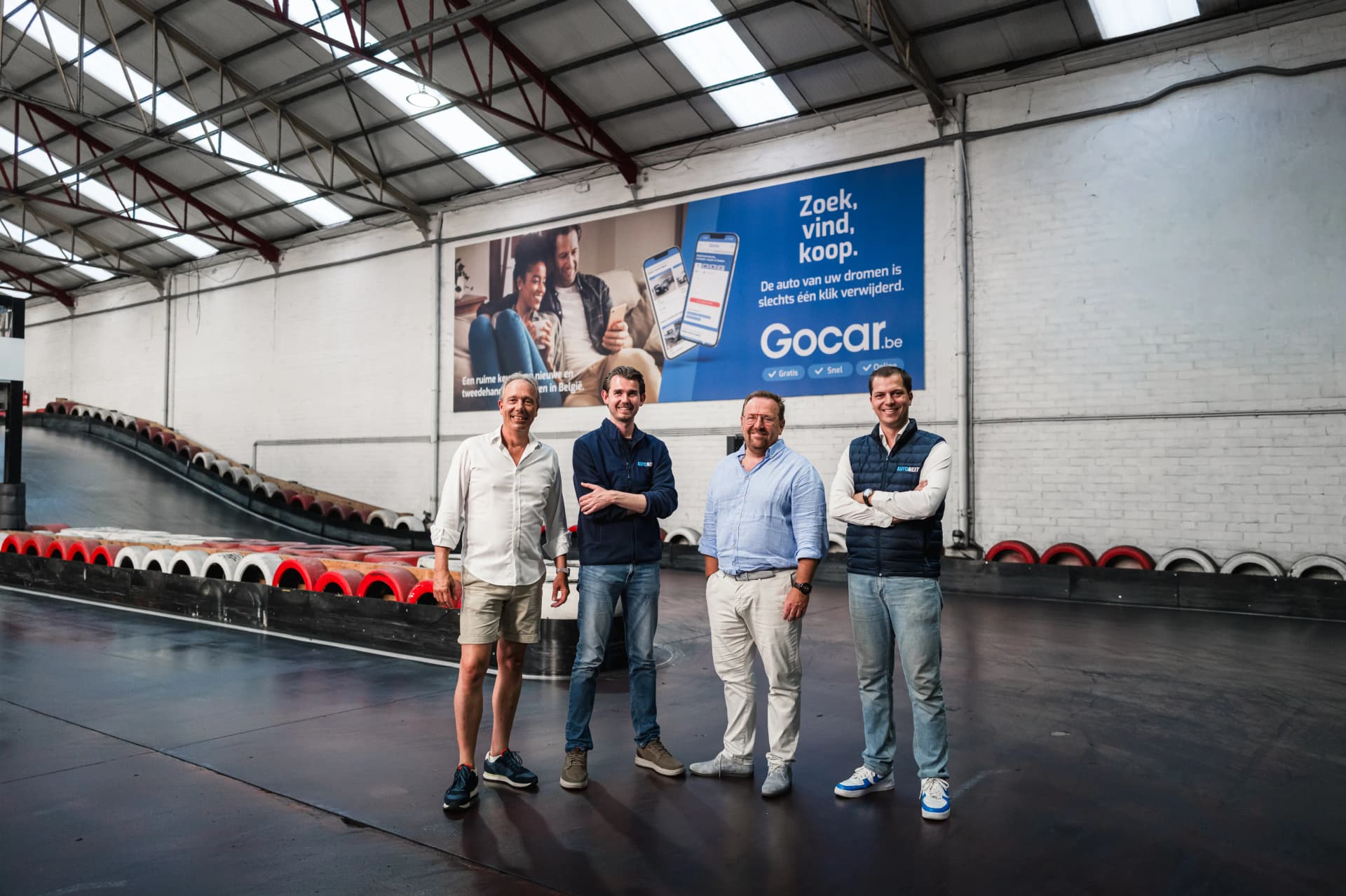
Gocar.be and AutoNext join forces to give cars and sellers more visibility
Gocar.be and AutoNext.co are entering a strategic partnership. Vehicles published on Gocar.be can gain extra visibility on AutoNext with a direct link back to the original listing, while Gocar.be becomes a media partner of AutoNext. For car buyers it means more information and better orientation; for dealers, brands and automotive partners it opens up extra opportunities around content, social media, lead campaigns, model communication and events.
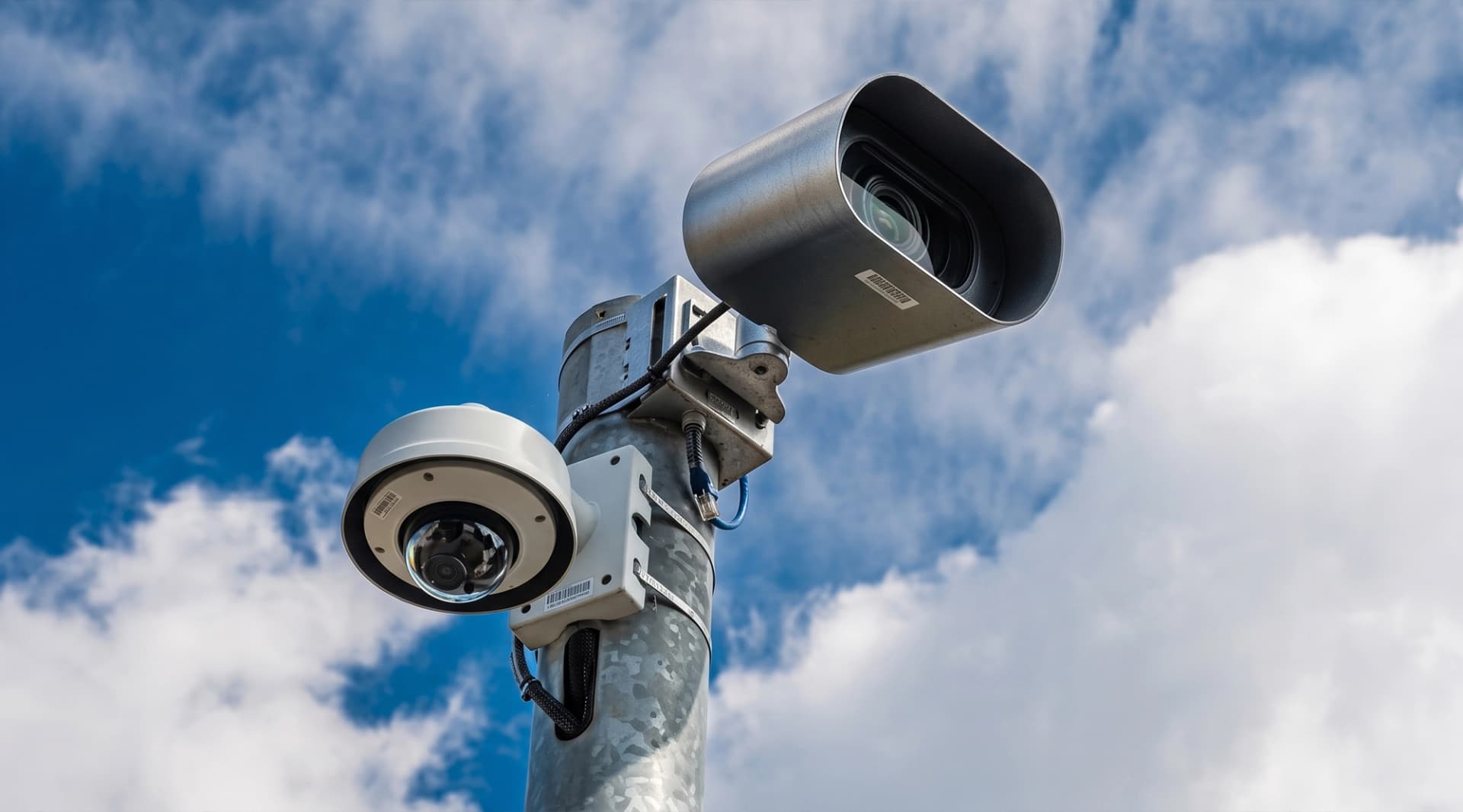
Vehicle data could become Europe’s next traffic enforcement tool
For decades, the formula was simple: fixed speed cameras, mobile radar, laser guns and police patrols. You saw the camera, or you did not. You slowed down, or you got caught. But the next step could be far more uncomfortable. Because in the future, the most powerful enforcement tool may not be standing next to the road. It may already be inside your car.
