
New Hyundai Bayon is built around a hybrid that arrives in 2027
Hyundai's smallest SUV finally looks like one, and the reason sits under the bonnet
Hyundai reveals the second-generation Bayon at the Paris Motor Show, its smallest combustion SUV and a car the brand openly wanted to separate from the i20 hatchback it is based on. The new Bayon is built in Turkey for Europe, launches with petrol engines of 90 and 115 hp, and gains a 138 hp full hybrid later in 2027.
Hyundai lengthened the Bayon's nose to fit a 138 hp hybrid
Hyundai stretched the Bayon's front overhang so that a full hybrid would fit, and its European product chief, Christopher McKinnon, says that was the only reason the car grew. The hybrid pairs a 1.6-litre petrol engine with an electric motor and a six-speed dual-clutch gearbox for 138 hp, close to the 141 hp of the larger Kona Hybrid, which uses the same layout. The car is now 4,245 mm long, 65 mm more than the first Bayon, and paddles behind the wheel set the strength of the adaptive regenerative braking.
Until the 2027 hybrid, the Bayon sells with a 1.0 turbo of 90 or 115 hp
The new Bayon goes on sale with the familiar 1.0-litre three-cylinder turbo only, at 90 or 115 hp, with a six-speed manual or a seven-speed dual-clutch automatic. The hybrid follows later in 2027 and cuts WLTP CO2 emissions from 134 to 149 g/km for the petrols to 102 to 113 g/km. Until then, small-SUV buyers who want a full hybrid will keep looking at the Toyota Yaris Cross, which offers 116 or 130 hp, while the first-generation Bayon of 2021 made do with a 100 hp 48-volt mild hybrid.
A 20 mm longer wheelbase gives the Bayon 440 litres of boot
The Bayon's wheelbase grows by 20 mm to 2,600 mm, and the boot of the petrol versions grows from 411 to 440 litres, 29 litres more than before and 50 more than a Yaris Cross. The hybrid gives up 43 of those litres and holds 397. Hyundai spent the extra length on the back seat: it reclines into two positions, gains a fold-down armrest with cupholders, and can be heated, with its own air vents. A panoramic sliding roof, ventilated front seats and an eight-speaker Bose system sit on the options list.
Hyundai keeps physical buttons and skips Pleos in the Bayon
The Bayon does not get Pleos, the Android-based system Hyundai fits to the new Tucson with its 17-inch screen. Instead it keeps the existing infotainment on two curved 12.3-inch displays shared with the Ioniq 5, so there are no over-the-air feature updates and no app store, but physical buttons stay alongside the screens. Wireless Apple CarPlay and Android Auto, a phone-as-key function and Highway Driving Assist 2 are on the list.
Hyundai builds the Bayon in Turkey, with three matte colours and an N Line
Hyundai Motor Türkiye builds the Bayon for Europe, at the same plant Hyundai chose for its affordable Ioniq 3. It is the only car in its class offered in matte paint, in three shades of blue and red. An N Line version adds 18-inch wheels, bumper winglets and a diffuser, which matters for sales: N Line trims now account for one in three Hyundais sold in Europe, a range that reached 603,542 cars in 2025 and also includes the sportier i20 N.
AutoNext Take
A Bayon that no longer passes for a raised i20 fixes the first generation's real problem, and 29 extra litres plus reclining, heated rear seats give buyers a reason beyond the shape. Keeping physical buttons and a proven screen system instead of Pleos suits this buyer better than an app store would. The weak points are timing and space: the powertrain the car was reshaped around arrives after the body, and it costs 43 litres of boot when it does.
Once the 138 hp hybrid reaches showrooms later in 2027, it will become the best-selling Bayon in Europe within its first year, because small-SUV buyers who choose a Yaris Cross today choose it for the hybrid. Until then, the 115 hp petrol carries the new shape alone, and the full-year registrations for 2027 will show how many buyers were willing to wait for the version Hyundai designed it for.
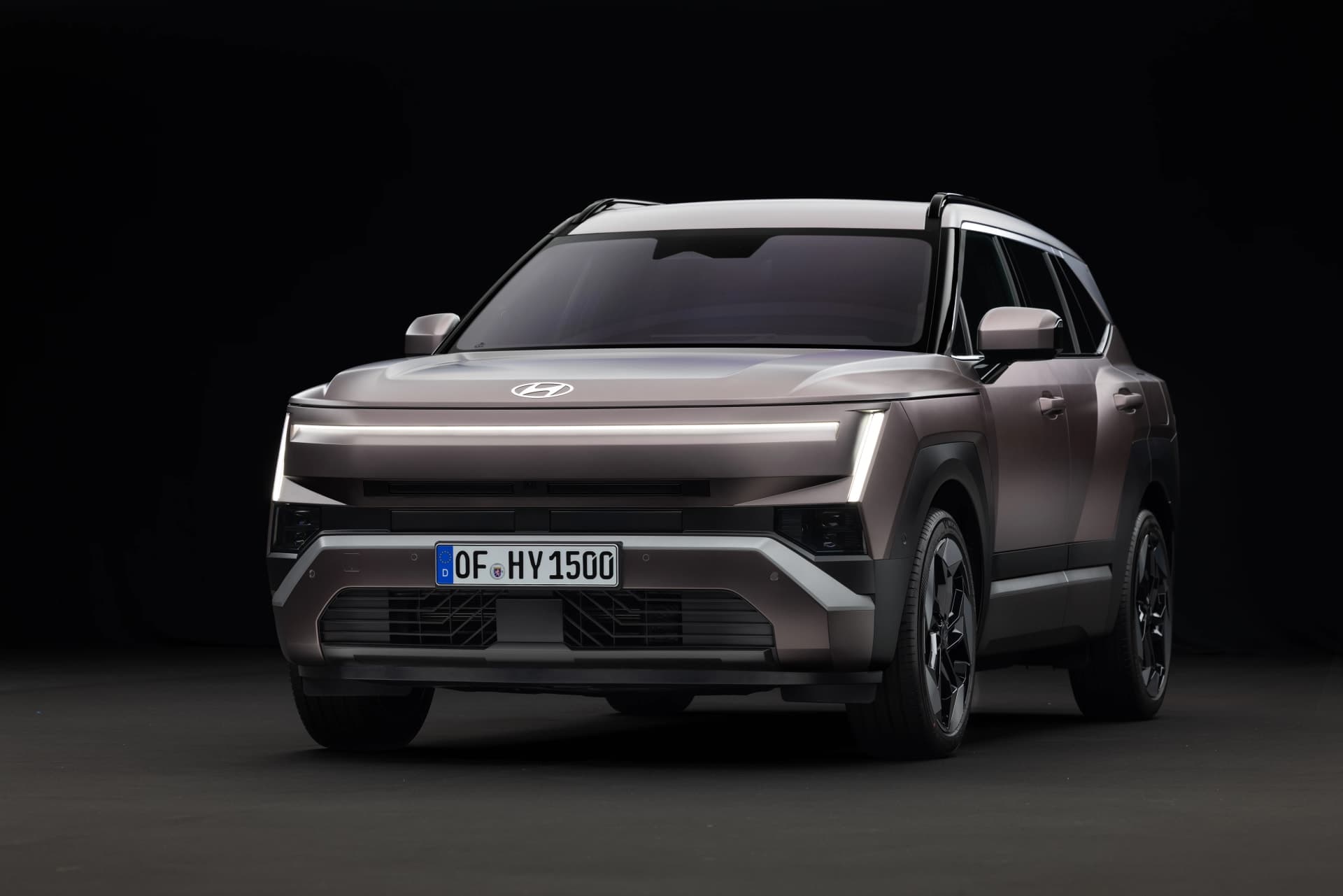
Hyundai Tucson for Europe is 140 mm shorter than Korea's
Hyundai has revealed the European version of the fifth-generation Tucson, and it is 4,560 mm long, 140 mm shorter than the car sold in Korea. The plug-in hybrid gets a 17.1 kWh battery, 292 hp and an estimated 81 km of electric range. Production is in the Czech Republic; prices follow later.
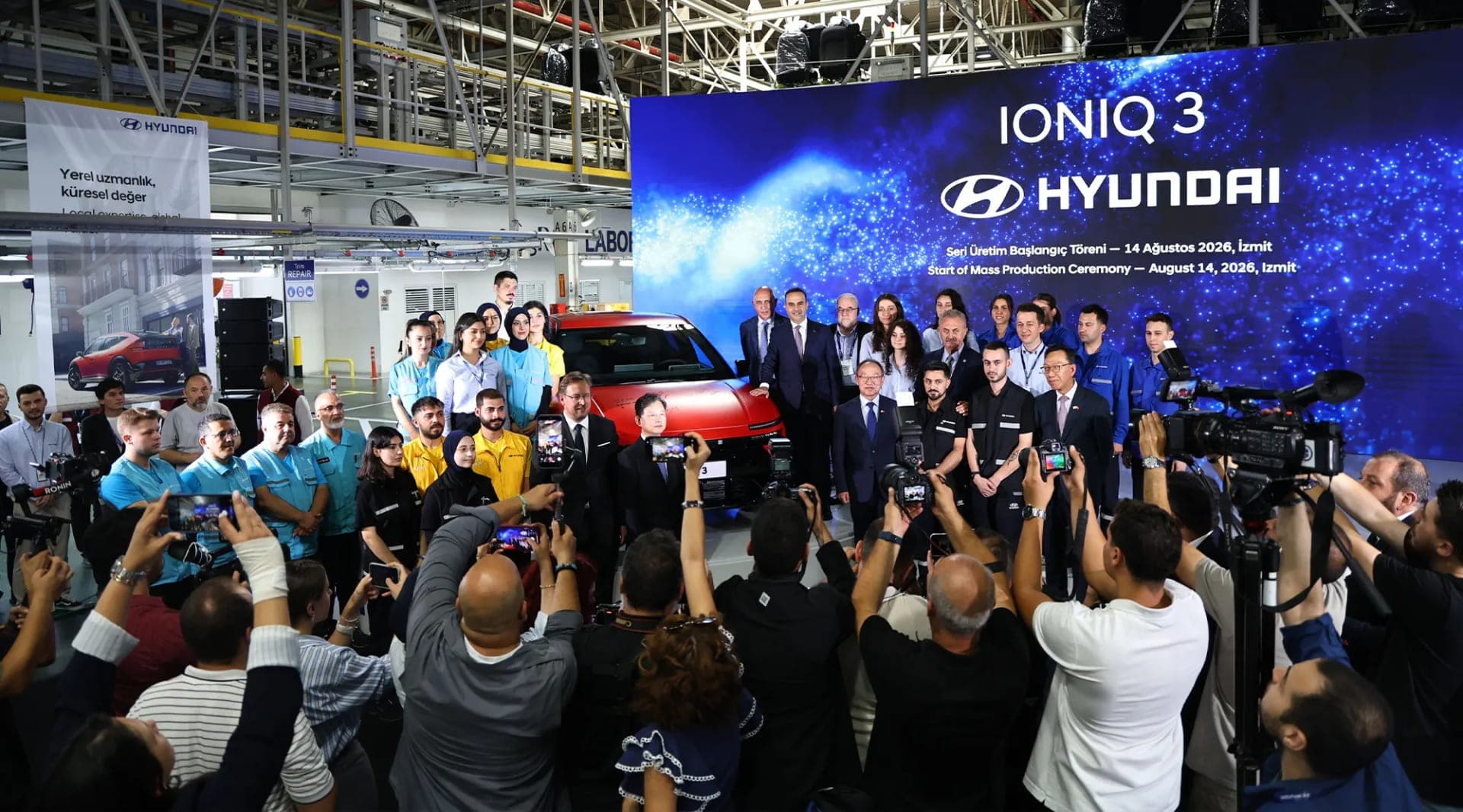
Hyundai is building Europe's affordable EV, and it had to go to Turkey to do it
Hyundai has started production of the Ioniq 3, an affordable compact electric hatchback for Europe, and it built it in Turkey. Series production began on 14 August at the Izmit plant, converted at a cost of around 250 million euros, with the car on sale from September. The choice of Turkey is the real story: low costs plus tariff-free EU access via the customs union give near-Chinese economics inside Europe's trade wall. The affordable European EV is here, just not built where Europe expected.
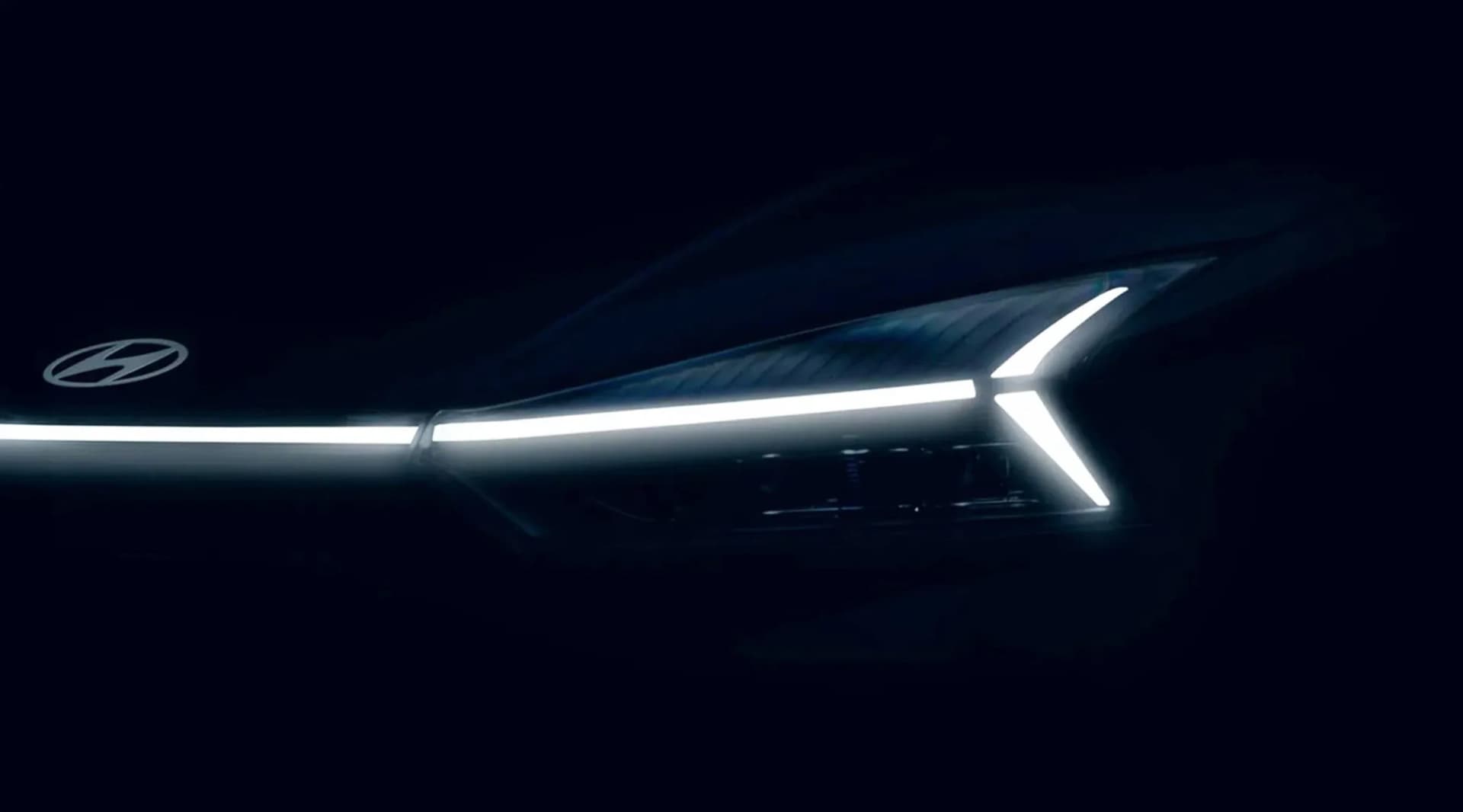
Hyundai's new i20 N is coming back for Europe with hybrid power
Hyundai has confirmed that a new generation i20 N is coming to Europe, powered by a 1.6-litre turbocharged engine paired with a dual hybrid motor system expected to produce up to around 300 hp. The car is explicitly aimed at the European market and is expected within the next two years, addressing the gap left by the departure of affordable petrol hot hatches such as the Ford Fiesta ST and the Renaultsport Clio.
