
The electric Mercedes-AMG GT SUV packs 1,169 hp and a simulated V8
AMG's first in-house SUV drops the V8 but keeps the noise
Mercedes-AMG has taken the covers off the GT SUV, the first full-size SUV it has developed entirely in-house in its 59-year history, and it is fully electric. The top GT 63 version produces up to 860 kW, which is 1,169 hp, and the whole project is built around the question AMG has wrestled with since it started going electric: can a battery-powered SUV still feel like a proper AMG? Prices open at 113,050 euros.
It is the second model on AMG's dedicated AMG.EA performance platform, after the recently revealed GT 4-Door Coupe. The headline figures leave little doubt about the intent. The GT 63 reaches 100 km/h in 2.5 seconds and 200 km/h in 6.8 seconds, tops out at 270 km/h, and can charge at up to 710 kW, which puts it among the most extreme SUVs money can buy.
Three motors, up to 1,169 hp
The GT 63 runs three axial-flux motors for its 860 kW (1,169 hp), the GT 55 uses the same layout detuned to 600 kW (816 hp), and the entry-level GT 53 has two more conventional synchronous motors, one per axle, for a combined 400 kW (544 hp). On the two top cars the single front motor acts as a booster that physically disconnects under light load to save energy and reconnects in an instant when you need traction or a launch.
The number AMG is proudest of is not the peak but the 530 kW of sustained output the top car can hold. Electric performance cars tend to wilt after a couple of hard launches, and the claim here is that the GT SUV keeps delivering lap after lap. Active rear-axle steering of up to six degrees and the AMG Performance 4MATIC+ all-wheel-drive system are there to make a tall, heavy SUV change direction like something much smaller.
A Formula 1-derived battery that charges at 710 kW
AMG's High Performance Electric Battery runs at 800 volts and cools every cylindrical cell directly with a non-conductive oil, an approach AMG links to its Formula 1 programme. It comes in 106 kWh and 128 kWh sizes, the larger one good for up to 700 km on the WLTP cycle. On that pack, 710 kW of DC charging adds up to 450 km of range in ten minutes, and a 10 to 80 per cent top-up takes around twelve. The smaller 106 kWh battery still manages 600 kW and 380 km in ten minutes, and the car supports five fast-charging standards worldwide. For context on the segment it is entering, the electric Porsche Cayenne is the obvious benchmark, and AMG has aimed its charging figures well beyond it.
Chassis tricks to make a heavy SUV feel sharp
Underneath sits the newly developed AMG ACTIVE RIDE CONTROL+ suspension, standard on the GT 63 and optional on the 55. It throws out conventional anti-roll bars and uses hydraulically linked dampers to control pitch and roll, so the body stays flat through corners and resists diving under braking or squatting under acceleration. Triple-stage air springs and an 8.2-litre pressure reservoir allow near-instant ride-height changes, including lowering itself at speed to cut drag. An AMG RACE ENGINEER function adds three rotary dials for response, cornering and wheel slip, and an active AEROKINETICS roof spoiler deploys above 150 km/h.
A synthetic V8 soundtrack with fake gear changes
In the AMGFORCE Sport+ driving mode, the GT SUV plays back the simulated noise of an AMG V8 or six-cylinder, complete with fake gear changes and seat shakers that buzz in time with it. AMG sums the car up as “SUV by shape, GT by nature”, and this is its attempt to bottle the emotion its reputation was built on and pour it into something silent. The same thinking appeared on the GT 4-Door Coupe, and it is the feature buyers will either love or quietly switch off.
GT 53 orders open at 113,050 euros
The entry GT 53, with its 544 hp, can be ordered from 20 October and starts at 113,050 euros. The two more powerful models, the 816 hp GT 55 and the 1,169 hp GT 63, follow in spring 2027.
AutoNext Take
Strip away the synthesised engine note and there is a genuinely impressive machine here. A directly oil-cooled 800-volt battery that charges at 710 kW and still holds 530 kW of sustained power is the sort of hardware that moves the whole segment forward, and it matters far more than whether the speakers do a convincing V8. On charging, it clears the electric Cayenne it is chasing by a wide margin: 710 kW against Porsche's 400 kW peak, and around twelve minutes from 10 to 80 per cent against just under 16.
The fake soundtrack is the gamble. AMG knows its customers bought V8s for the drama, and it is betting that a well-judged simulation keeps them loyal through the switch to electric. The charging figure is the safer bet: by the time the GT 63 reaches customers in spring 2027, 710 kW will be the number every rival in this class is measured against, while the synthetic V8 will still be a matter of taste.
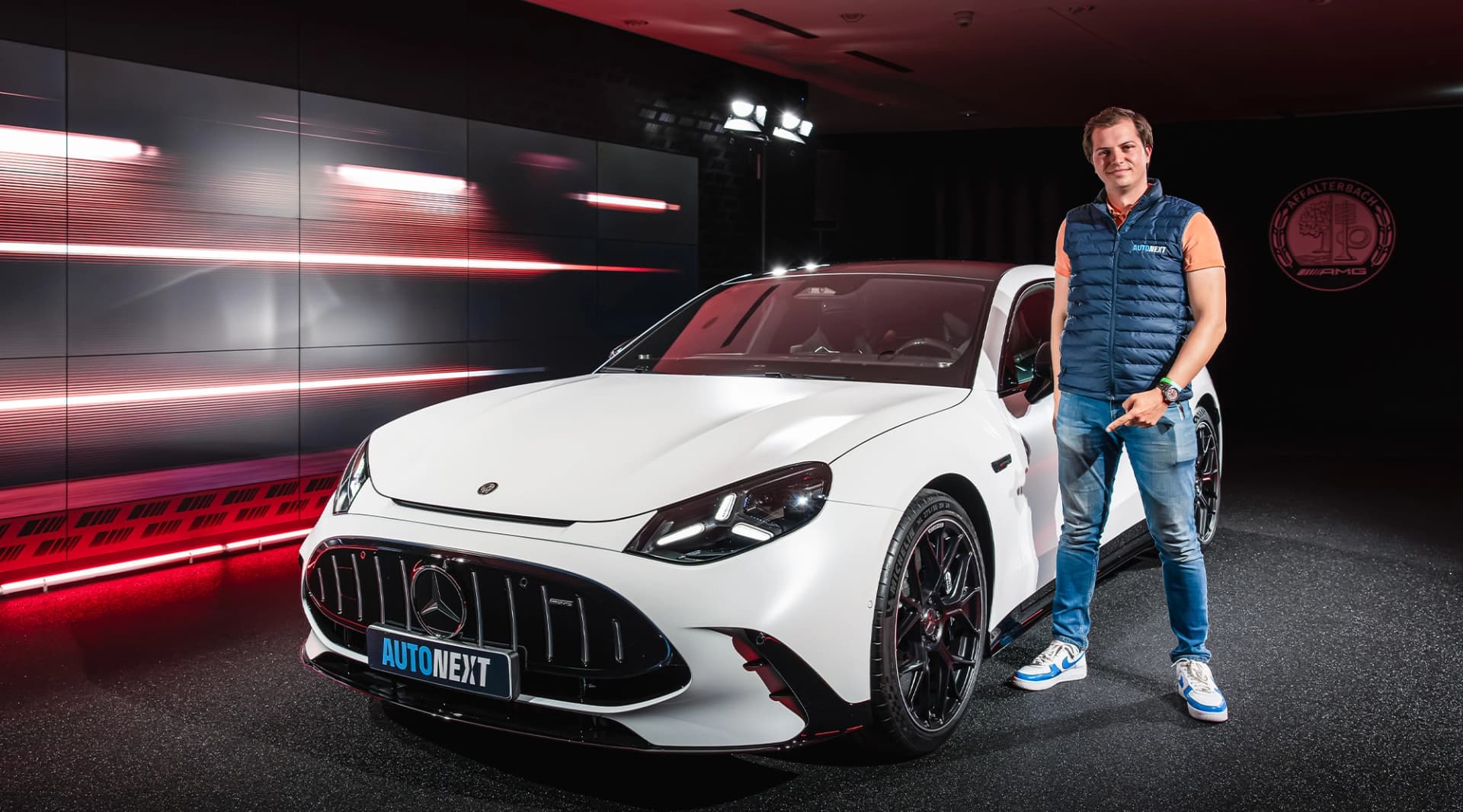
2026 Mercedes-AMG GT 4-Door Revealed: The Taycan Destroyer?
With the new Mercedes-AMG GT 4-Door Coupé, AMG is entering unfamiliar but unavoidable territory. This is not just an electrified version of an existing performance sedan. It is effectively AMG’s first true standalone electric performance flagship, built to prove that an EV can still carry the emotional and technical DNA the Affalterbach brand is known for.
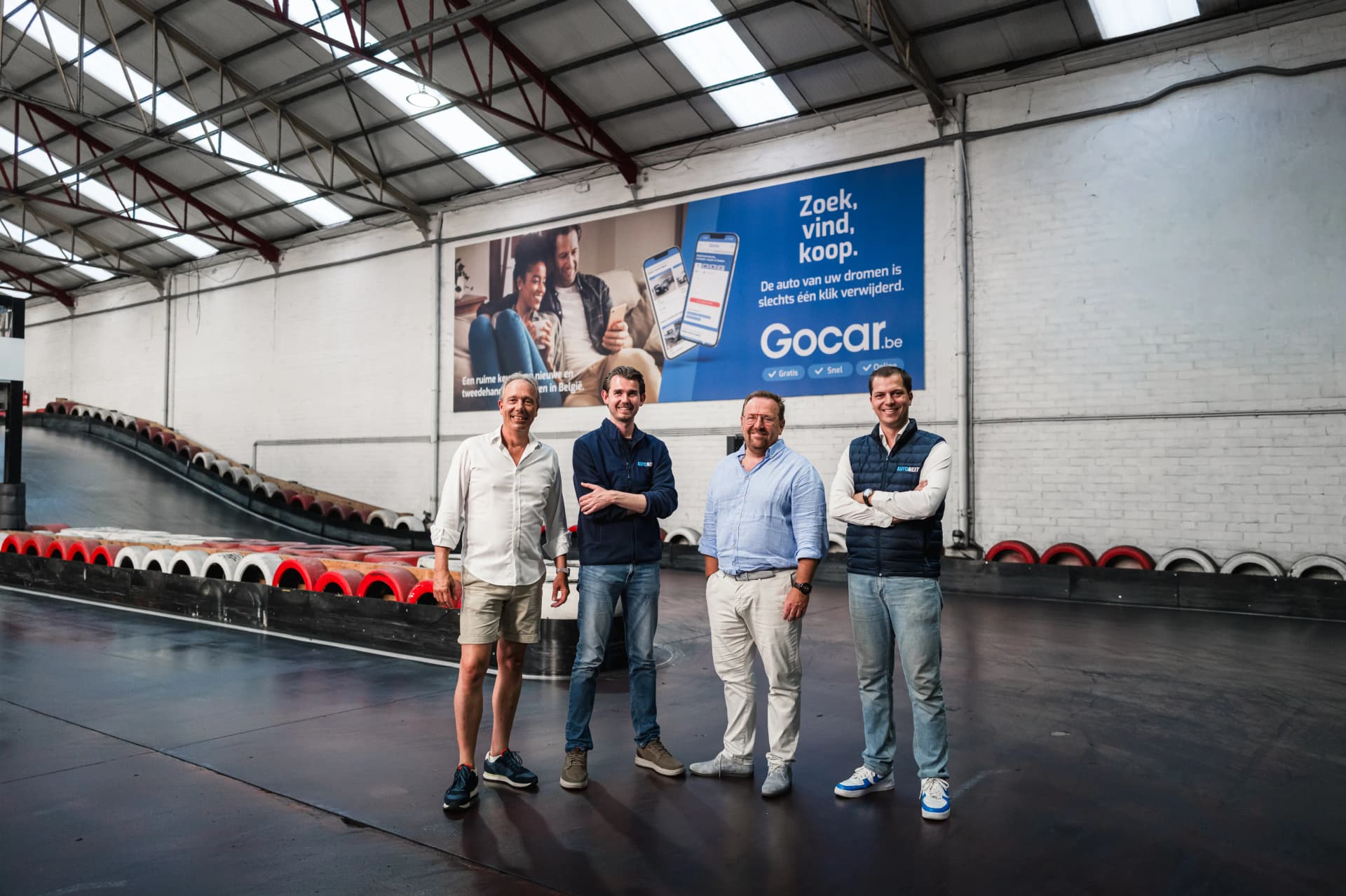
Gocar.be and AutoNext join forces to give cars and sellers more visibility
Gocar.be and AutoNext.co are entering a strategic partnership. Vehicles published on Gocar.be can gain extra visibility on AutoNext with a direct link back to the original listing, while Gocar.be becomes a media partner of AutoNext. For car buyers it means more information and better orientation; for dealers, brands and automotive partners it opens up extra opportunities around content, social media, lead campaigns, model communication and events.
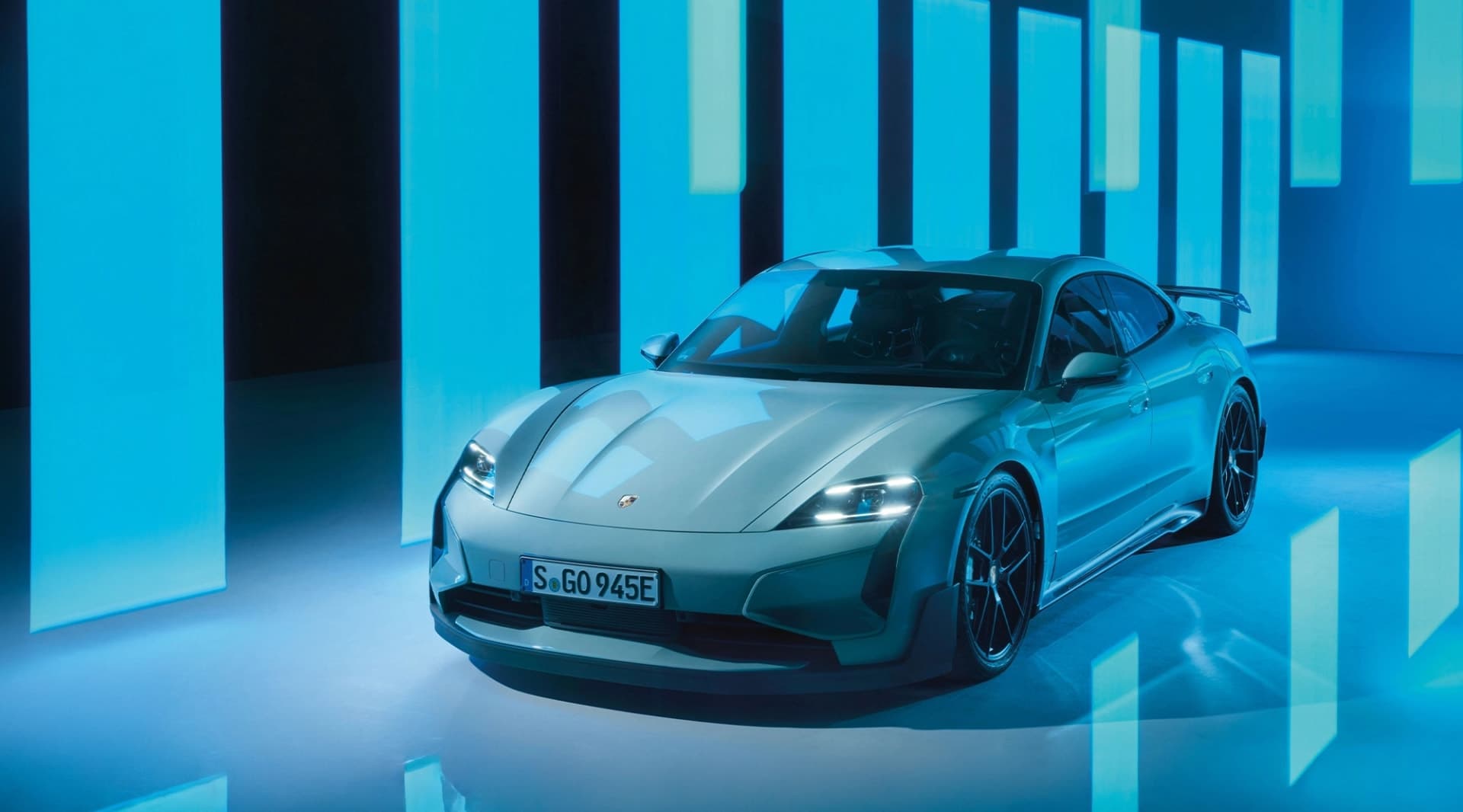
Porsche advertises 1,093 hp, the registration papers say 220
Porsche quotes up to 1,093 hp for the Taycan Turbo GT, available for two seconds. European registration papers list the same car at 220 hp. Neither figure is spin: one comes from UN GTR 21, the other from UN Regulation 85, and the second is an EU type-approval number that follows the car into every member state.
