
Plug-in hybrid CO2 fix is working, and German carmakers want it frozen
A rule that doubled the Tiguan's electric range is now a bargaining chip
Plug-in hybrids registered in Europe in 2024 emitted around six times their official CO2 on the road, according to a new Transport & Environment analysis of European Environment Agency data. The same report shows the first correction of the test rules has already made carmakers fit bigger batteries. The second step starts in November 2026, and German carmakers want it suspended before it bites.
Volkswagen's Tiguan eHybrid went from 55 to 119 km of electric range
Volkswagen more than doubled the Tiguan eHybrid's electric range, from 55 to 119 km by T&E's count, when the first utility factor correction arrived in 2025. Volkswagen's own launch material quotes up to about 120 km from a 19.7 kWh net battery, so the official CO2 figure barely moved: 36 g/km after the correction against 32 g/km before. Across five Volkswagen Group models, longer range offset 90% of the increase the stricter formula would have caused. The Audi A3 e-hybrid now claims 143 km.
Upgraded plug-in hybrids grew from 14 to 24 kWh for a 2% price rise
The average battery in plug-in hybrids upgraded for 2026 grew from 14 to 24 kWh, a 68% increase, while the extra cells added only 2% to the vehicle price, T&E calculates. That bought back three quarters of the rise in official CO2 the correction would otherwise have caused, and kept many models under the 50 g/km line that 12 EU countries use for tax breaks. Volvo has taken the idea furthest, with a 37.9 kWh pack and 200 km of electric range for the XC60. For owners, more of the daily commute now happens without the engine running.
2024 plug-in hybrids emitted six times their official CO2 on the road
On paper a 2024 plug-in hybrid cut CO2 by 83% against a petrol or diesel car; on the road the cut was 14%, according to the fuel-monitor data new cars report to the European Environment Agency. The gap has widened from five times the official figure for 2023 registrations to six times for 2024. Even in battery mode the engine runs for roughly a third of the distance, and owners drive on pure electricity only 27% of the time. T&E puts the hidden fuel bill at €680 a year for the average driver, up from the €500 it found a year earlier. Fraunhofer researchers reached the same verdict on German data in February.
The utility factor's second correction lands in November 2026
The utility factor, the share of kilometres a plug-in hybrid is assumed to drive on electricity, gets its second correction from November 2026 for newly approved models and November 2027 for every new registration. The higher that assumed share, the lower the official CO2, so the original curve flattered almost every car on sale. T&E calculates that freezing the formula at the 2025-2026 level would still understate real-world emissions by 56%. A freeze would also be the single change with the biggest effect on electric car sales, cutting their 2030 share by 13 percentage points under the CO2 proposal of the European Parliament rapporteur, Massimiliano Salini.
German brands sold 57% of the EU's plug-in hybrids, and the VDA wants a pause
German carmakers took 57% of EU plug-in hybrid registrations between January and July 2025, according to the German industry association VDA, which lists suspending the utility factor tightening among its demands for the CO2 review. T&E says Berlin is now pushing for that freeze inside the Franco-German car package that Friedrich Merz and Emmanuel Macron negotiated this week. Company fleets are the market at stake: they took 71% of EU plug-in hybrid registrations in the first half of 2026, against 58% of all new cars, and 24 of the 27 member states give plug-in hybrids at least one tax advantage.
AutoNext Take
Bigger batteries for a 2% price premium are about the cheapest emissions cut left in a car with an engine, and the utility factor is what put them there. Range alone will not close a six-fold gap: even on the corrected formula, cars with more than 70 km of electric range miss their official figure by 52%, against 35% for shorter-range ones, while plug-in hybrids with 25% more electric than combustion power emit 95 g/km in real use, roughly a third below the average.
By 2030 it will take 140 to 220 km of electric range to stay under 50 g/km on the corrected formula, and the plug-in hybrids launched through 2027 will show whether carmakers keep building toward that number. If the freeze passes, expect the 75 km average of 2024 to survive another product cycle, and the six-fold gap to survive with it.

Large-scale German research reveals Plug-In Hybrids use up to 300 % more fuel than advertised
For years, the plug‑in hybrid was seen as the perfect stepping stone. Electric driving for short distances, petrol for long trips. Low WLTP figures, tax advantages, and the comforting feeling that you were “doing the right thing”. But a large‑scale German study is now putting that image firmly under pressure.
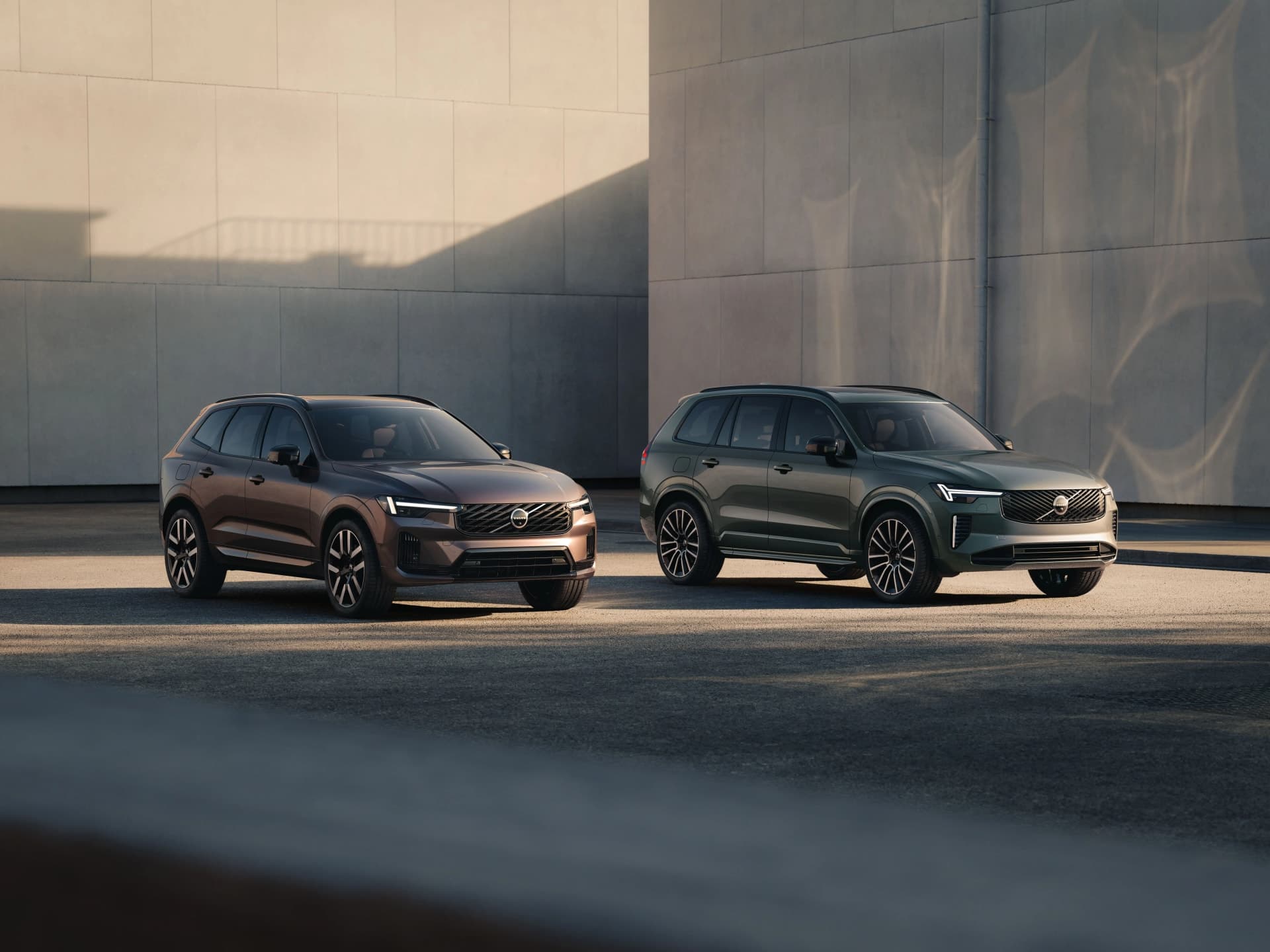
Volvo doubles the XC60's battery to 37.9 kWh for 200 km electric
Volvo has updated the XC60 with a 37.9 kWh battery, double the outgoing pack, giving the T6 plug-in hybrid 200 km of WLTP electric range and 23 g/km of CO2. The 455 hp T8 does 189 km. The XC90 gets the same hardware for 164 km. European deliveries start in January 2027, weeks after the EU's second utility-factor correction takes effect for newly approved plug-in hybrids.
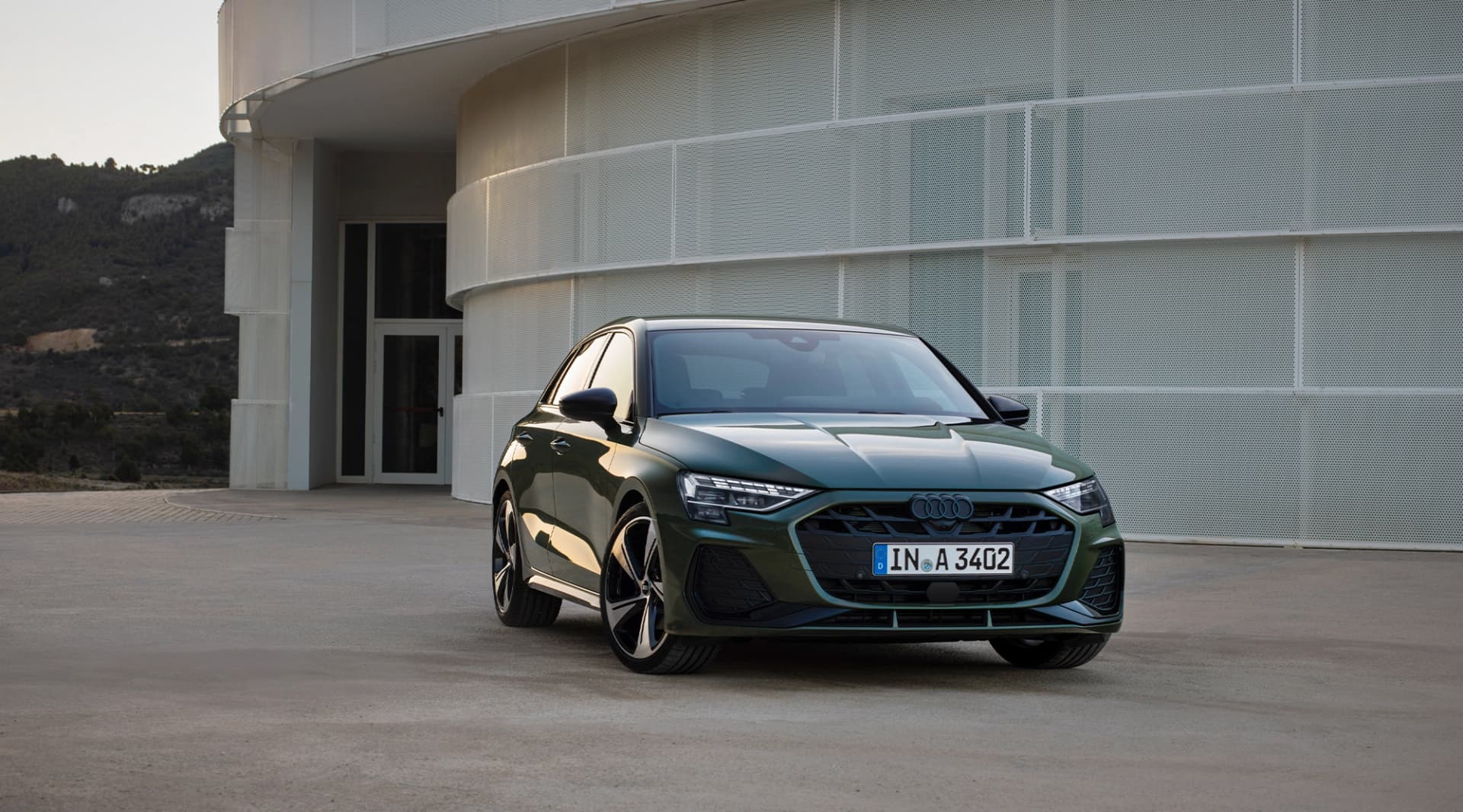
The Audi A3 just had a big update, and the plug-in hybrid is the star
Audi has updated its entire A3 range, from the Sportback and Sedan to the allstreet, S3 and RS 3. Highlights include a new curved panoramic display, reorganised driver-assistance tech and a much-improved e-hybrid that now offers up to 143 km of electric range and DC fast charging. Prices start at €31,850 for the A3 Sportback, with cars reaching dealers in mid-September 2026.
