
Rolls-Royce's black badge is no mourning tribute: the legend is false
The RR badge supposedly turned black in grief for Henry Royce in 1933
Every Rolls-Royce enthusiast has heard it: when Sir Henry Royce died in 1933, the company changed the red enamel behind its interlocking RR to black, in mourning for its engineer. It is a moving story, repeated by dealers and badge histories alike. Rolls-Royce's own centenary release dates the red badge to 1904-1930, and owners' clubs say Royce himself chose black, so our verdict is plain: the mourning story is false.
Henry Royce died on 22 April 1933, and the coincidence did the rest
Sir Henry Royce died at his home in West Wittering, Sussex, on 22 April 1933, aged 70. By then black badges were already on new Rolls-Royce chassis, so the two events seemed to explain each other. The story suits the man as well. Royce directed design from Sussex and the south of France for two decades after his health broke down in 1911, and Rolls-Royce says he created the initial concept for every mechanical item in its cars until his death. A company that devoted, the thinking goes, would surely put its badge into mourning.
Rolls-Royce's 2004 Centenary Phantom dates the red badge to 1904-1930
Rolls-Royce Motor Cars dated the change itself in a release of 4 May 2004, announcing a Centenary Phantom limited to 35 cars. Those cars wore red-on-chrome badges recalling "the company's first quarter-century between 1904 and 1930", after which, the release says, the badges changed from their original red to black. That puts the switch more than two years before Royce died. Other accounts give 1932 or 1933, but all of them credit the decision to Royce himself. The release came from the Midland Hotel in Manchester, where Royce first met Charles Rolls in May 1904, and it presents red as a period detail of the founders' era. It is the same habit of reading history in colour that gave Mercedes its Silver Arrows legend.
A 1931 Phantom II Continental showed a black badge at Olympia
Chassis 8JS, a Phantom II Continental completed in mid-1931 with a Thrupp & Maberly saloon body, made its debut at the Olympia Motor Show in London from 15 to 24 October 1931. RM Sotheby's catalogue for its 2023 Paris sale describes it as thought to be one of the first Rolls-Royces with a black radiator badge, and gives the reason as red clashing with the coachwork. The original finish: pale yellow with pea-green detailing and a green interior. At £3,000 it was the most expensive car at that year's show, 18 months before Royce's death.
Coachbuilders' paint, not grief, explains the black Rolls-Royce badge
Rolls-Royce left the bodywork to outside coachbuilders until the Silver Dawn of 1949 brought a factory body, so every body arrived in a colour the factory never chose and the badge had to sit on all of them. The Rolls-Royce Owners' Club says Royce himself judged black more appropriate after customers complained that red clashed with their cars. The Rolls-Royce Owners' Club of Australia says Royce took part in every such decision and calls it a coincidence that he died in the same year as the colour change. We found no serious source defending the mourning version, only repetitions of it, much like Ford's all-black Model T.
Charles Rolls died in 1910, and the badge stayed red for 20 years
Charles Rolls was killed at Bournemouth on 12 July 1910, aged 32, when the tail of his Wright Flyer broke off during a flying display, making him the first Briton to die in a powered aircraft accident. Rolls-Royce lost its co-founder and public face six years after the partnership began, and the badge stayed red. By the company's own dating it remained red for another two decades, which shows how little the colour was ever tied to grief. Black arrived when the cars' coachwork demanded it, while Royce was still shaping every mechanical part.
AutoNext Take
Royce's design call, at a company that sold chassis to dozens of coachbuilders, is a better story than the legend. The myth survives because the dates almost line up, because black reads as grief, and because Rolls-Royce has had little reason to fight a tale that flatters its founder. Its Black Badge models since 2016 borrow the colour for attitude, not sorrow.
22 April 2033 marks 100 years since Sir Henry Royce's death, and that date will decide whether the legend lives another generation. If Rolls-Royce marks it with a commemorative car, we expect red badges, the colour of the years Royce ran the drawing office, rather than black dressed as mourning. Like Volvo's half-true seatbelt story, the facts here are kinder than the myth, and a centenary car is the best chance Rolls-Royce will get to say so.
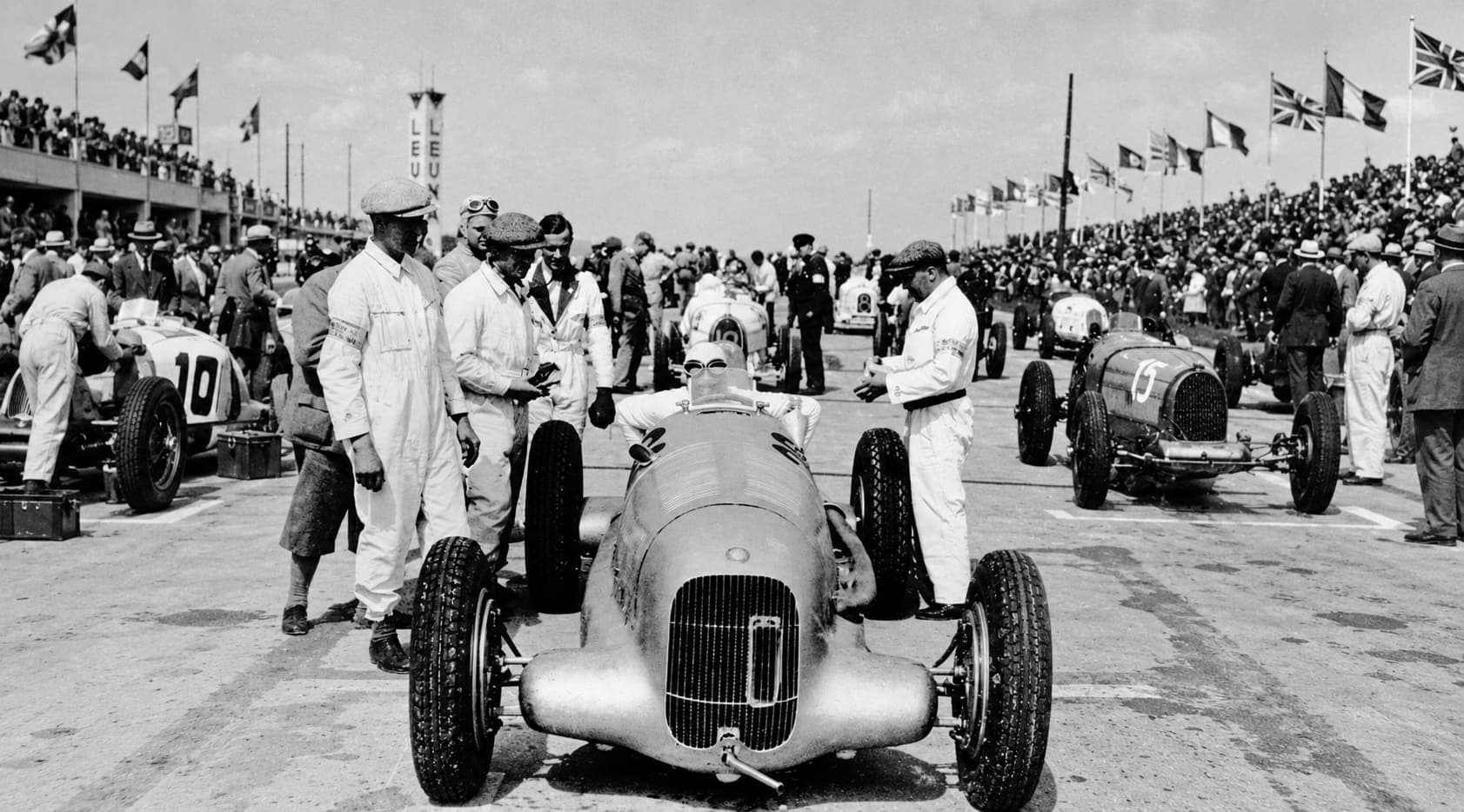
The Mercedes Silver Arrows paint legend was invented 24 years later
The legend says Mercedes stripped the white paint off its overweight W25 before the 1934 Eifelrennen and created the Silver Arrows. The race had no weight limit, no photo shows a white W25 that weekend, and a radio reporter had already called a silver Mercedes a silver arrow in 1932. Neubauer only told the story in 1958.
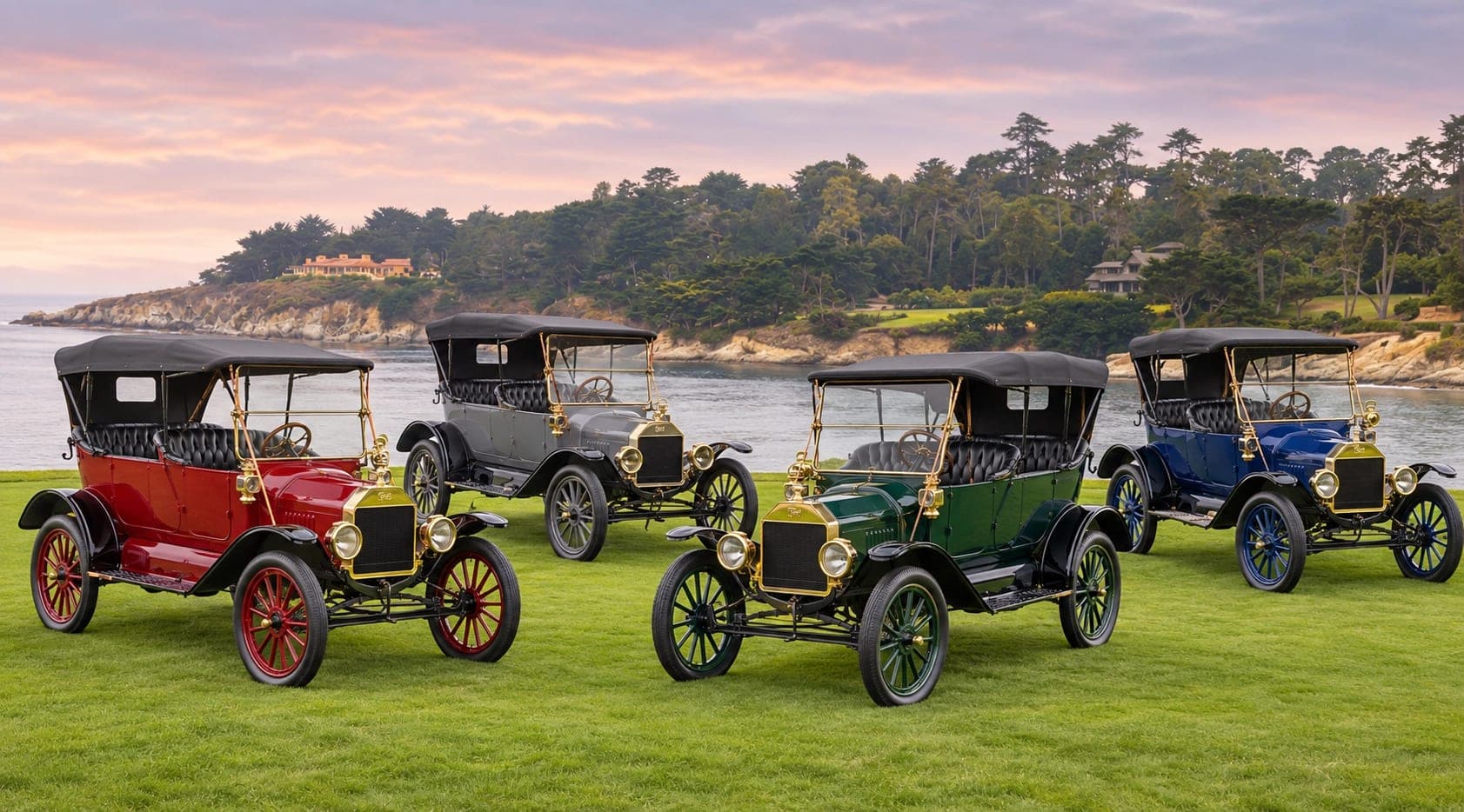
Ford's black Model T first came in red, grey, green and blue
The Ford Model T was not always black. From 1908 to 1913 it was sold in red, grey, green and blue, with the colour tied to the body style. Black-only production ran from 1914 to 1925, and colours returned for 1926. Henry Ford's famous line is genuine, but he only published it in 1922.

Volvo's three-point seatbelt legend is half-true, and Volvo says so
Volvo did not invent the three-point seatbelt. Roger Griswold and Hugh DeHaven patented a shoulder-and-lap harness for aircraft seats in 1955. Volvo engineer Nils Bohlin turned the idea into the V-shaped, one-handed belt fitted as standard to the PV544 and Amazon in 1959, and Volvo says it opened that patent to every carmaker.
