
Stellantis moves many European EVs to cheaper LFP batteries in 2027
Stellantis takes iron-phosphate batteries from its cheapest cars into bigger ones from 2027
Stellantis will fit lithium iron phosphate (LFP) batteries to many more of its European electric cars from 2027. CEO Antonio Filosa announced the move on the group's third-quarter results call on 28 October. Until now the cheaper, nickel-free chemistry has been confined to entry models such as the Citroën ë-C3 and Fiat Grande Panda. Filosa called the savings substantial but put no number on them, and he did not name the cars.
Antonio Filosa gave no LFP savings figure, model list or price cut
Antonio Filosa did not say how much Stellantis saves per car by moving from nickel manganese cobalt (NMC) cells to LFP, only that the saving is substantial. He described the change as covering many nameplates from 2027 without listing them, and he announced no lower prices for customers. The switch comes while Stellantis's Enlarged Europe region is losing money: it lost €311 million in the third quarter even though shipments there rose 10 percent, because each car brought in less revenue than a year earlier.
Fiat 500e switches first, and the next Peugeot 208 is the likely follow-up
The Fiat 500e is the first confirmed switch. Stellantis Europe chief Emanuele Cappellano said in July that the Turin-built city car would move to LFP cells by 2027, with a lower starting price than today. The next-generation Peugeot 208 is the obvious candidate after that, although Stellantis has not confirmed its battery chemistry. It will be the first car on STLA One, a new platform Filosa called central to competing in the B and C segments and at the entry to the D segment, and it will be built in Zaragoza, beside the battery plant described below.
CATL and Stellantis are building a 50 GWh LFP cell plant in Zaragoza
Stellantis and CATL agreed in December 2024 to invest up to €4.1 billion in a joint-venture LFP cell factory at Stellantis's Zaragoza site in Spain, with capacity of up to 50 GWh a year. Construction began in November 2025, and the partners originally said production could start by the end of 2026, which fits Filosa's 2027 date. At full output, 50 GWh is enough for more than a million packs of the 44 kWh size used in the ë-C3. Zaragoza already builds the Leapmotor B10, which moved there to sidestep EU tariffs on Chinese-built electric cars.
LFP cells hold less energy per kilo but tolerate charging to 100 percent
LFP cells use iron and phosphate in place of nickel and cobalt, which makes them cheaper to produce and more stable when damaged, so they are less prone to thermal runaway. They store less energy for the same weight and volume, which means either a heavier pack or less range from the same space. Cell-to-pack designs, which drop the intermediate modules, recover some of that room. Cold weather affects LFP more, slowing charging and trimming winter range. Owners can, however, charge an LFP pack to 100 percent every day without the faster wear an NMC pack suffers, which counts most on small batteries.
Renault and Volkswagen already sell LFP versions below their NMC cars
Renault sells a Renault 4 Jogging with a 36.5 kWh LFP pack rated at 305 km WLTP, 5 km less than the 40 kWh NMC version above it, although its onboard AC charger drops from 11 kW to 6.6 kW. Volkswagen's ID. Polo starts on a 37 kWh LFP battery and keeps a 52 kWh NMC pack for the 211 hp version. Inside Stellantis, the Fiat Grande Panda, Citroën ë-C3 and ë-C3 Aircross and Opel Frontera already run LFP, as do the Leapmotor T03 and C10. Filosa's plan takes the chemistry beyond those cheapest models for the first time.
AutoNext Take
Filosa has described a cheaper battery and stopped short of describing a cheaper car. Every euro saved on cells can either come off the list price or go towards the €311 million European loss, and a carmaker that blames negative pricing for that loss has an obvious reason to choose the second. Our reading is that most of the early saving stays with Stellantis, at least on models that already sell well.
Cappellano promised in July that the LFP Fiat 500e would start below today's price, so its Italian list price in 2027 is the first hard evidence. A Peugeot 208 on STLA One that moves to LFP and still costs more than the current e-208 would show the saving went to Stellantis's European margin instead of its customers.

Audacious IV rebuilds the Audi Quattro around a 10,000 rpm RS4 V8
Audacious Automotive's IV is an Audi Quattro tribute built on the complete structure and drivetrain of the 2006-2008 RS4, with a supercharged 4.2-litre V8 of 600 hp or 750 hp, or a 10,000 rpm version. Fifty cars will be built near Edinburgh from about €419,000, with the first delivery planned for late 2027.
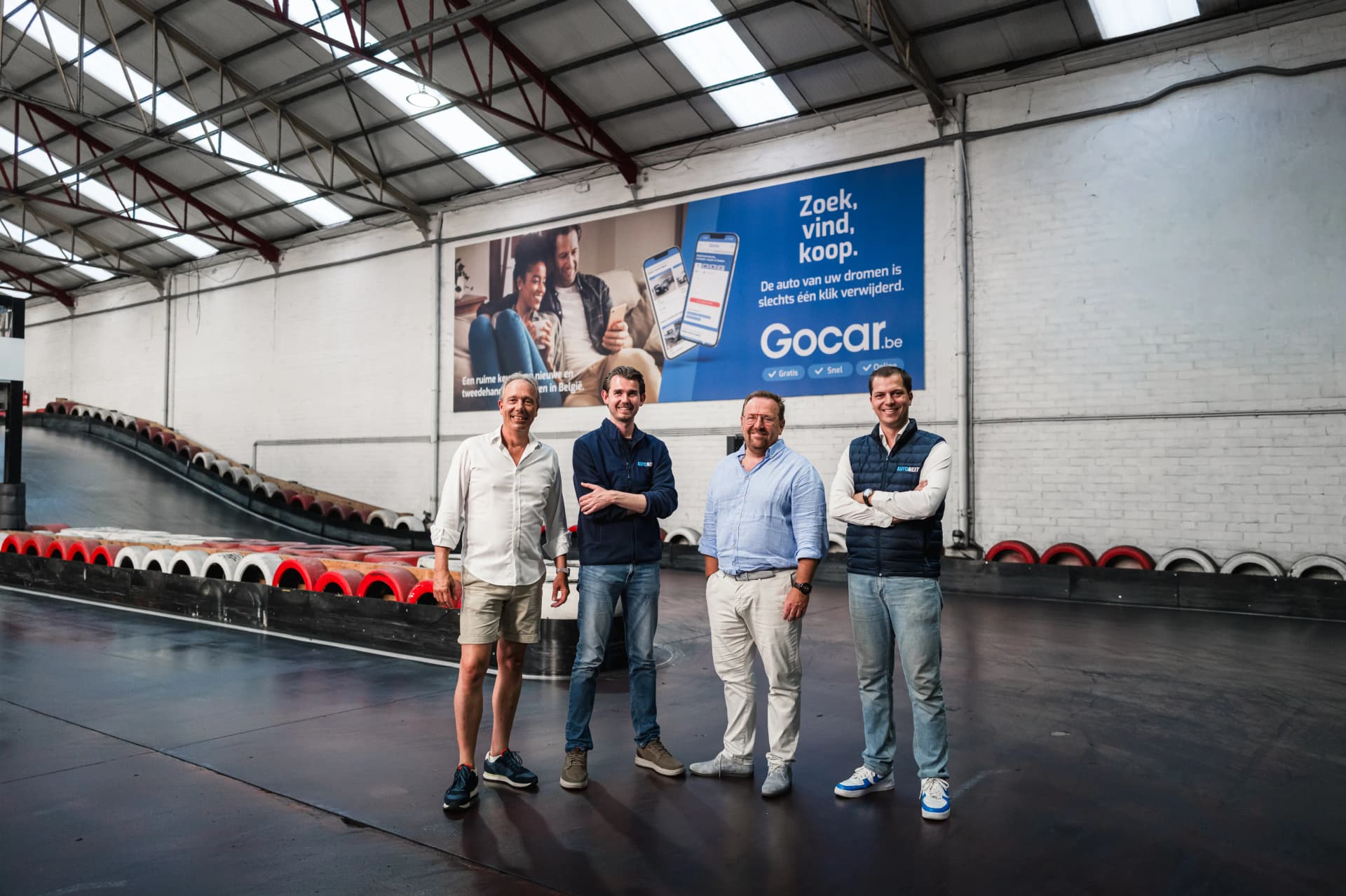
Gocar.be and AutoNext join forces to give cars and sellers more visibility
Gocar.be and AutoNext.co are entering a strategic partnership. Vehicles published on Gocar.be can gain extra visibility on AutoNext with a direct link back to the original listing, while Gocar.be becomes a media partner of AutoNext. For car buyers it means more information and better orientation; for dealers, brands and automotive partners it opens up extra opportunities around content, social media, lead campaigns, model communication and events.

Stellantis ships 10% more cars in Europe and loses €311 million
Stellantis shipped 10 percent more vehicles in Europe in the third quarter of 2026 and lost €311 million there, against a €157 million profit a year earlier. Negative pricing and a cheaper model mix did the damage. North America returned to a €64 million profit, and the group reaffirmed its 2026 guidance.
