
Subaru's own EV prototype arrives as its boxer leaves Europe
What a Subaru will be once the flat-four has left Europe
Subaru shows an all-wheel-drive electric prototype built on the first EV platform it has engineered itself since it began sharing Toyota's. The test car, presented at Subaru's research centre in Sano, north of Tokyo, on 18 October, makes 510 hp and reaches 100 km/h in under four seconds. Subaru names no model and no date, but some of the technology could reach production around 2029.
Subaru's European range is all Toyota-based EVs from 2028
Subaru will sell no combustion car in Europe after the end of 2027, and the three electric models that remain all sit on Toyota platforms. AutoNext reported last week that the boxer engine is leaving Europe model by model, which leaves the Solterra on the bZ4X, the E-Outback on the bZ4X Touring and the Uncharted on the C-HR+. Subaru's biggest electric car, the seven-seat Getaway, is a Toyota co-development as well. The Sano prototype is the first electric hardware in years that is Subaru's own underneath, and its roughly 2029 timing leaves European dealers selling Toyota-engineered cars alone for at least a year after the boxer goes.
Subaru promised 600,000 electric cars a year by 2030
In 2023 Subaru set a target of 600,000 battery-electric sales a year by 2030, half of its planned global volume, backed by 1.5 trillion yen of electrification spending. By November 2025 it had spent about 300 billion yen, put the remaining 1.2 trillion under review and said it was considering postponing the four in-house electric models it had scheduled by 2028. President Atsushi Osaki said it was appropriate to delay full-scale investment in EV mass production. The Sano mule is what survived that review: a platform, a battery and the electronics, without a launch date. Subaru built 878,016 cars worldwide in 2025, 6.4% fewer than a year earlier, which explains why it is spending carefully.
510 hp, under four seconds and a 100 kg lighter EV platform
Subaru's prototype makes 510 hp through all four wheels and reaches 100 km/h in under four seconds, and its motors are smaller and lighter than those in the brand's current EVs. The architecture targets a weight saving of 100 kg over the electric Subarus built today. The crash structure is new as well: supports curve over the front wheels to spread impact forces, and the front motor is designed to rotate in a collision so that it absorbs energy instead of pushing into the cabin or the battery. The body is an improvised development shell, so it says nothing about the shape of an eventual production car.
Panasonic's 4,000 cells and Aisin's motors power Subaru's in-house EV
The battery holds 4,000 cylindrical cells from Panasonic Energy, and Subaru says it weighs 25% less than its previous pack while aiming for an energy density 20% above the industry average. The drive units come from Aisin, a Toyota Group supplier, so the platform is a Subaru design rather than a Subaru parts list. Both partnerships were signed in March 2024, a week apart. Subaru has not given battery capacity, range or charging speed, which are the three figures a European buyer would compare first.
Subaru's own control unit runs on an AMD chip, not Toyota's Arene
Subaru is developing one integrated electronic control unit to run driver assistance, chassis, powertrain and infotainment from a chip co-designed with AMD. It brings over-the-air updates to a Subaru-developed car for the first time and will support AI functions in a future version of EyeSight. Subaru plans to build the unit itself and use it in electric, hybrid and petrol models alike, and has no current plan to adopt Toyota's Arene software, which Toyota expects to run in 10 million new cars a year by 2030. Its new methods also cut vehicle development time by about 40%, Subaru says.
AutoNext Take
Subaru is not leaving Toyota; it is taking back the parts of the car that make it a Subaru. Aisin still supplies the motors and Toyota still owns about a fifth of the company, but the structure, the crash engineering and the electronics that decide how all-wheel drive and EyeSight behave are now Subaru's own work. For a brand whose buyers chose it for traction and safety more than for an engine layout, that is the half of the car worth owning, and the Sano prototype shows Subaru can still engineer it.
The four in-house EVs promised for 2028 have already slipped once. Subaru's next big stage is the full Japan Mobility Show in autumn 2027, where it showed the Performance-E STI concept last time; if no production body for this platform appears there, no European Subaru built on it will arrive before 2030, and the gap after the boxer will stretch beyond two years.

Subaru will sell no boxer-engined car in Europe after 2027
Subaru will stop selling combustion cars in Europe by the end of 2027, ending the boxer engine here. The Outback goes first this year, then the Forester, Crosstrek and Impreza. From 2028 only the electric Solterra, E-Outback and Uncharted remain, although petrol boxers made up 81% of Subaru's German registrations this year.
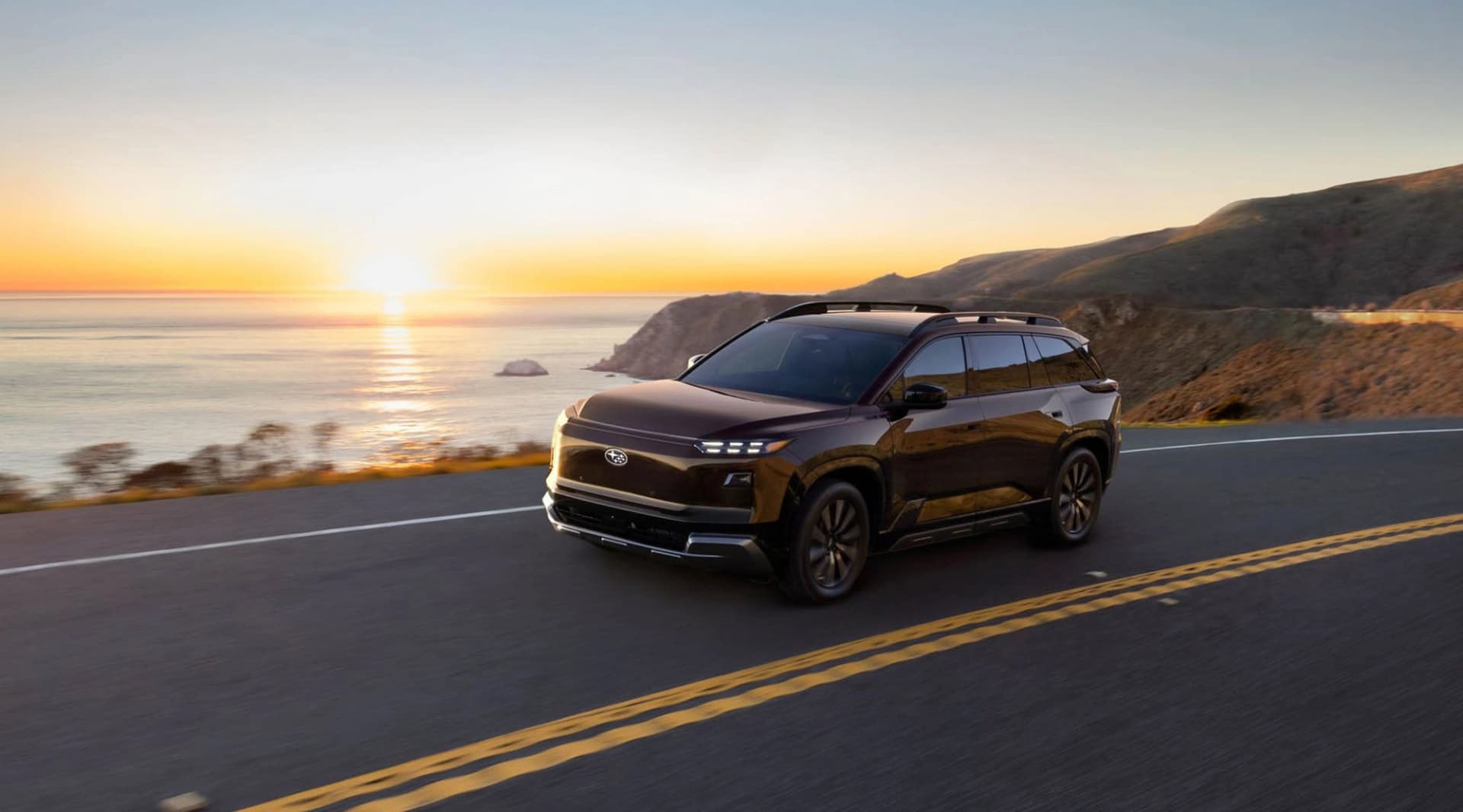
Subaru Getaway, the 7-seat electric SUV with 420 hp but Europe won’t get it
Long associated with rugged all-wheel-drive wagons, rally heritage and practical crossovers, the Japanese manufacturer is now expanding its electric lineup at an accelerating pace. The latest addition is the Subaru Getaway, a large three-row electric SUV capable of carrying seven passengers, delivering up to 420 horsepower and offering a driving range of more than 500 kilometres.
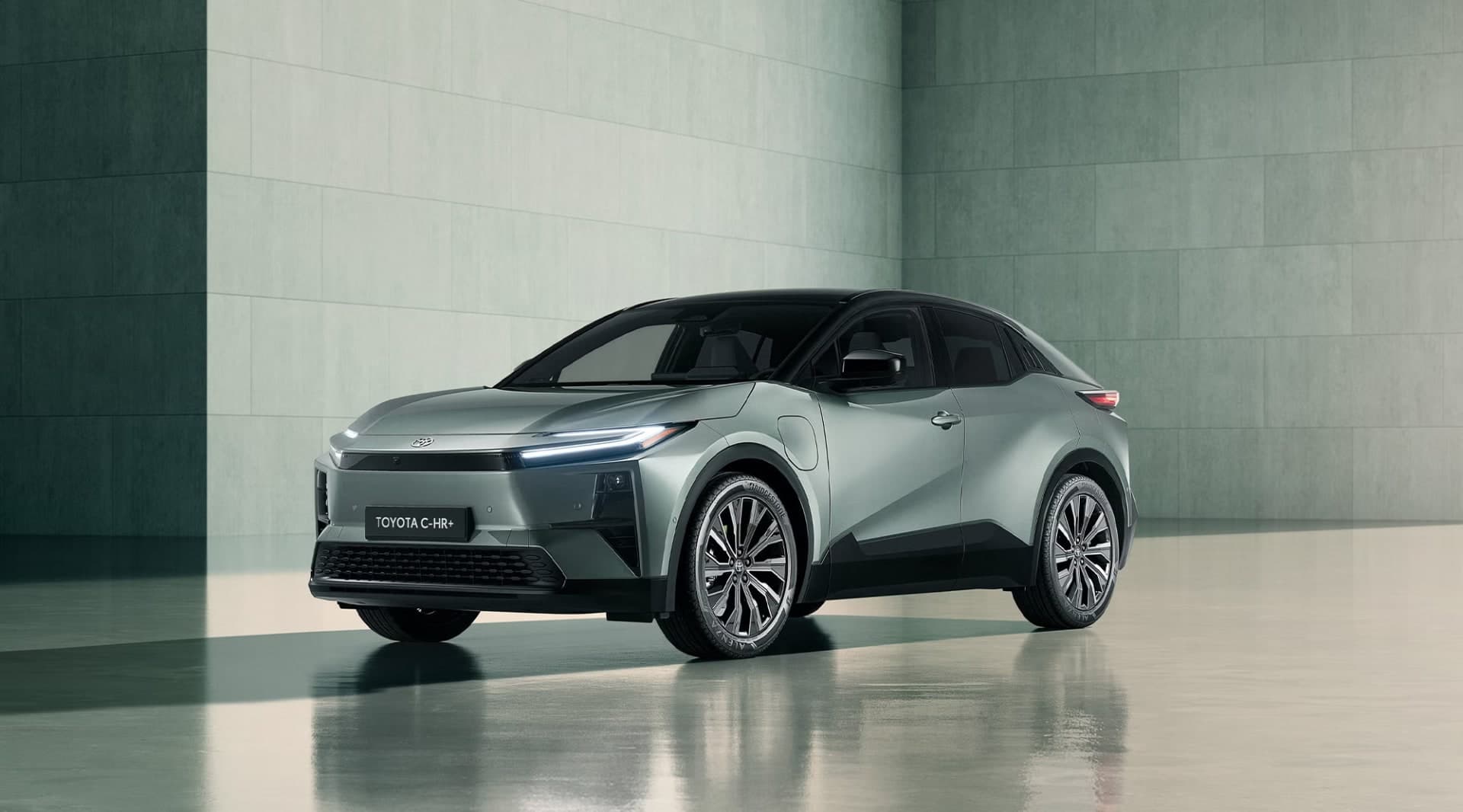
Toyota recalls 8,521 electric C-HRs. Europe's C-HR+ is the same car
Toyota is recalling 8,521 electric C-HRs in the United States because a battery ECU programming error can let regenerative braking overcharge a nearly full pack and shut down the drive system. The cars were built between 6 February and 10 July 2026 at Takaoka, the plant that also builds Europe's C-HR+, and Toyota says not all of them were sold in America. The fix is a dealer software update, with owner letters due on 18 October.
