
Volkswagen pauses the ID. Golf meant to secure Wolfsburg's future
The electric Golf was Wolfsburg's ticket to the next decade, and now it waits
Volkswagen has paused development of the ID. Golf, the electric ninth-generation Golf, until it can fund the investment. David Powels, finance chief of the Volkswagen brand and its Brand Group Core, announced the step on 30 October with the nine-month results. The car matters beyond its badge: in December 2024, Volkswagen named the electric Golf as the model that would secure its Wolfsburg plant at the end of the decade.
Wolfsburg loses the petrol Golf to Mexico's Puebla plant in 2027
Under the Zukunft Volkswagen agreement of 20 December 2024, production of the Golf and Golf Variant moves from Wolfsburg to Puebla, Mexico, from 2027. Wolfsburg drops from four assembly lines to two and takes the ID.3 and Cupra Born instead. Volkswagen wrote at the time that the electric Golf and a second model on the SSP architecture would secure the plant's future at the end of the decade. Puebla is already being equipped, partly with robots and welding gear from Neckarsulm, Emden and the closed Audi plant in Brussels. According to an internal memo reported by Reuters, Wolfsburg is also €300 million short of its cost-cutting target.
Volkswagen's passenger-car brand made a 1.3% margin in nine months
The Volkswagen passenger-car brand earned an operating margin of 1.3 percent in the first nine months of 2026, on an operating result of €813 million against €1,476 million a year earlier. Without restructuring costs, the planned sale of the Osnabrück plant and the end of ID.4 production in Chattanooga, the margin would have been 2.6 percent. Powels said Volkswagen's electric cars do not yet earn the margins of its combustion models, so their rising share is adding to cost pressure. Net cash flow across the brand group fell from €4.34 billion to €1.43 billion, and cutting advance spending on future models is one of the ways Volkswagen now protects it.
Skoda earned 8.3% beside the Golf, Seat and Cupra 0.1%
Skoda posted an 8.3 percent operating margin over the same nine months, the best in the brand group, while Seat and Cupra managed 0.1 percent and Volkswagen Commercial Vehicles 3.8 percent. The core brands together slipped from 4.4 to 4.1 percent, as we reported with the group's third-quarter loss. Skoda's Octavia and Cupra's Leon share much of their hardware with the current Golf. Volkswagen has not said how much longer that generation will now run, and a longer life for the Golf would stretch the life of its two cousins too.
The ID. Golf waits on SSP, a platform first due in 2026
The ID. Golf is one of the first cars planned for SSP, the group's next-generation electric platform and software architecture, which was originally due in 2026. The first SSP models are now expected from Audi and Porsche, and Audi's A4 e-tron has already slipped to 2029. Volkswagen brand chief Thomas Schäfer had said before the pause that the brand did not need an electric Golf in 2028. In a memo to staff, he wrote that he knows what the Golf means for Volkswagen and for Wolfsburg, and that the decision was not an easy one. The works council says the freeze will not delay the launch and has pledged to make up the lost time.
The ID. Polo family took 150,000 orders without the Golf name
The ID. Polo, ID. Cross, Skoda Epiq and Cupra Raval collected 150,000 orders shortly after their debut, and all four are built in Martorell and Pamplona under the lead of Seat and Cupra. Volkswagen expects around €600 million of synergies from the family over its life, and the ID. Polo sold out with a ten-month wait Wolfsburg has been here before with an electric Golf: the e-Golf, a converted seventh-generation car, was sold from 2014 to 2020 and made way for the ID.3.
AutoNext Take
Volkswagen can wait on the ID. Golf because its electric buyers are no longer waiting for it. The new electric orders are going to the small cars from Spain, the profit comes from Skoda, and a brand earning 1.3 percent has little reason to pay engineers ahead of a platform whose first cars belong to Audi and Porsche. The cost of the pause lands in Wolfsburg, which hands its Golf to Puebla in 2027 and now has no date for the car it was promised in return.
When Volkswagen publishes its 2026 annual results in March 2027, the ID. Golf will still have no restart date, and the works council's promise of an unchanged launch will not survive 2027. We put the first European deliveries of an electric Golf in 2031 at the earliest, which leaves Wolfsburg building ID.3s and Cupra Borns on two lines for longer than the 2024 agreement imagined.

Volkswagen's best-selling electric cars are squeezing its margin
Volkswagen made a third-quarter operating loss of €5.86 billion after €7.8 billion of special items, most of it a Porsche write-down. Electric order intake rose 39 percent and the small electric family around the ID. Polo has 150,000 orders, but Volkswagen says those cars earn less than combustion models.
Audi's A4 e-tron slips to 2029 on a platform three years late
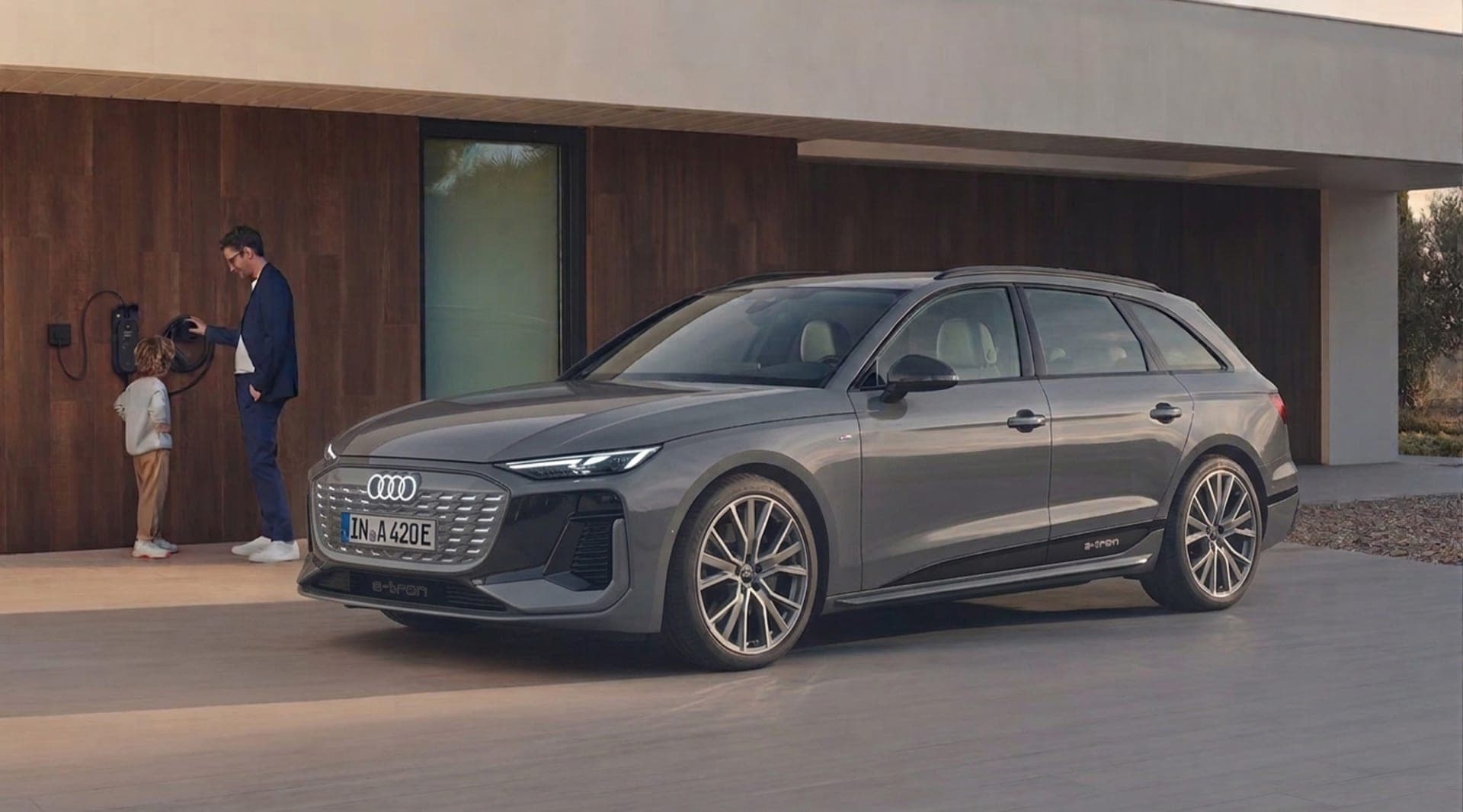
Audi's electric A4 e-tron will not enter production before March 2029, nine months later than planned, because Volkswagen's SSP platform is running three years behind its 2026 promise. A late switch to a 48-volt electrical system is the technical cause. The electric Golf and T-Roc slip with it, and Audi sits out the electric mid-size segment while Mercedes and BMW sell into it.

Volkswagen's ID. Polo is sold out with a ten-month queue
Volkswagen has taken over 30,000 European orders for the ID. Polo and buyers configuring one now are quoted at least ten months. Skoda's Epiq is past 35,000 with some deliveries slipping to mid-2027. The bottleneck is not demand: it is Martorell and Pamplona.
