
Volvo cuts 2,500 more jobs, and only Europe still pays its way
Volvo's third-quarter report splits the company into one healthy region and two struggling ones
Volvo Cars reports an adjusted operating loss of SEK 3.7 billion for the third quarter, against a SEK 5.8 billion profit a year earlier, and will cut about 2,500 more jobs. Revenue fell to SEK 66.9 billion from SEK 86.4 billion, a drop of 22.6 percent. Chief executive Håkan Samuelsson puts the damage in China and the United States. Europe tells a better story.
Europe gave Volvo a 45 percent electric share and its only profit
Fully electric cars took 45 percent of Volvo's European sales in the third quarter, and Europe is the one region where the company still makes money. Worldwide the electric share was 32 percent, up from 22 percent a year earlier. Samuelsson told analysts that Europe "is now where we still contribute to profitability", and commercial chief Erik Severinson said the region is "holding the fort". This month Volvo's sales figures showed that Europe and the rest of the world delivered 90 percent of its electric sales. The results show what that mix is worth: European margins now carry a group whose Chinese and American businesses do not.
Volvo's China revenue fell almost 50 percent, and US rules cost SEK 1.1 billion
Volvo's revenue in China fell by almost 50 percent year on year, which the company blames on hypercompetition from new Chinese brands and severe pricing pressure. In the United States, tariffs and the end of consumer incentives for electrified cars squeezed margins. A change in US legislation also forced a SEK 1.1 billion negative revaluation of the CAFE credits Volvo holds under American fuel-economy rules, and recognising Polestar's second-quarter losses cost another SEK 0.9 billion. Free cash flow came in at minus SEK 8.9 billion, more than double the SEK 4.3 billion outflow of the same quarter last year.
2,500 more Volvo jobs go, 17 months after 3,000 were cut
Volvo Cars will remove about 2,500 jobs worldwide, 2,000 of them in Sweden, on top of the roughly 3,000 it announced in May 2025 under an SEK 18 billion cost-cutting programme. That makes about 5,500 jobs in 17 months. The new round targets another SEK 5 billion in indirect spend and variable costs. Ending consultant contracts is "a big part", Samuelsson said, and finance chief Fredrik Hansson confirmed the figure counts consultants hired through suppliers as well as Volvo staff. Restructuring will cost about SEK 600 million in the fourth quarter, and by the end of 2027 indirect spend should be almost 25 percent below its 2024 level.
Volvo has built about 5,000 EX60s against more than 50,000 European orders
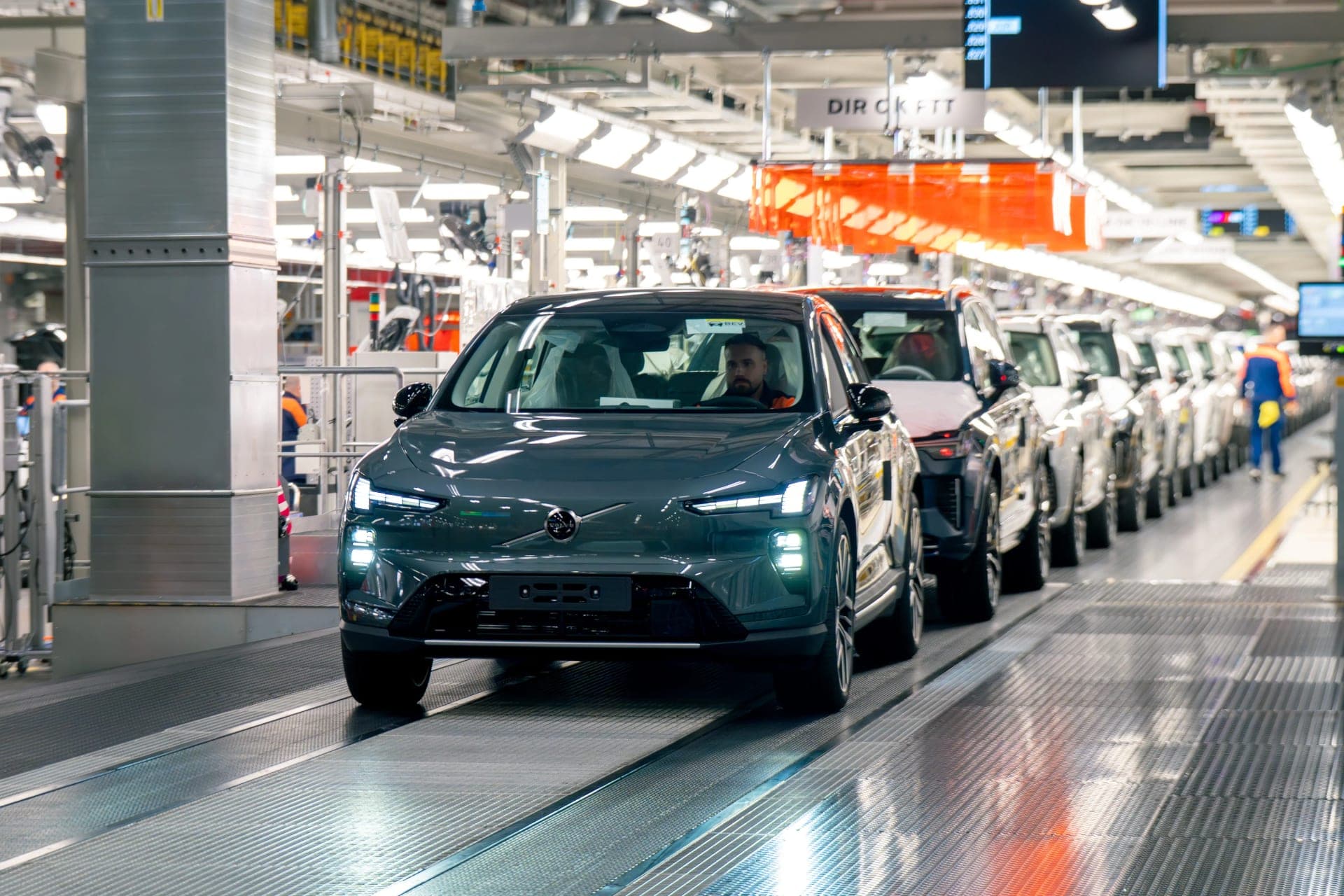
Severinson told analysts that Volvo has built roughly 5,000 EX60s so far, a tenth of the more than 50,000 European orders. New industrial technology such as cell-to-body construction is making the ramp-up at Torslanda slower than planned, a delay we traced earlier this month, and Volvo now expects to reach its planned production pace over the course of 2027. The quarter's wholesale figures show the same caution: Volvo shipped 19 percent fewer cars to dealers, about 131,000, while retail sales fell 10.7 percent to 141,609. Hansson says that gap is largely China and a decision to help dealers run down stock.
Ghent and Chengdu may build Geely cars as Volvo keeps five plants of its own
Volvo Cars will concentrate on five dedicated Volvo plants worldwide, and for Ghent and Chengdu it is exploring multi-brand assembly with Geely. Samuelsson described it as using those plants "together with Geely and other brands", which matches the contract-manufacturing role Volvo set out for Ghent in September. Geely had already said that its premium cars will move onto Volvo's European lines from 2028. For Belgium's last car factory, which employs more than 6,000 people, that reads as continuity. Europe also gets the next product: a global electric car aimed at a large, lower-priced European segment, with first customer deliveries after summer 2027.
AutoNext Take
Volvo's European business is doing what the electric strategy promised, and the weak point this report exposes is supply rather than demand. Torslanda has ten European orders for every EX60 it has built, so the money Volvo is missing in Europe is waiting in a queue, while the losses in China and America come from price wars, tariffs and lost incentives that no factory in Gothenburg can fix.
Volvo's full-year report on 4 February 2027 should show fourth-quarter free cash flow back above zero, helped by normal year-end working-capital patterns and by EX60 deliveries finally turning orders into revenue. If it stays negative, the cause will sit at Torslanda and not in China, and that is the one problem in this report Volvo can solve without outside help before Klaus Zellmer takes over as chief executive by 1 October 2027.
Volvo drops its 2026 outlook as European EV sales jump 51%
Volvo Cars withdrew its 2026 volume and cash-flow outlook on 2 October after third-quarter sales fell 10.7 percent to 141,609 cars, dragged down by China and the US. Europe held up: electric sales there rose 51 percent to 40,466 cars, and the EX60 ramp-up now shapes what Volvo reports on 23 October.

Volvo EX60 has 40,000 orders, but only 291 are on Swedish roads
Volvo says 40,000 EX60 electric SUVs have been sold, yet only 291 were registered in Sweden between the late-April production start and the end of September. Volvo blames new megacasting and cell-to-body battery assembly at Torslanda, which Automotive News says builds about 200 cars a week against a 2,000 target. Europe gets priority.
Volvo opens Gent to other brands, and admits it builds too much
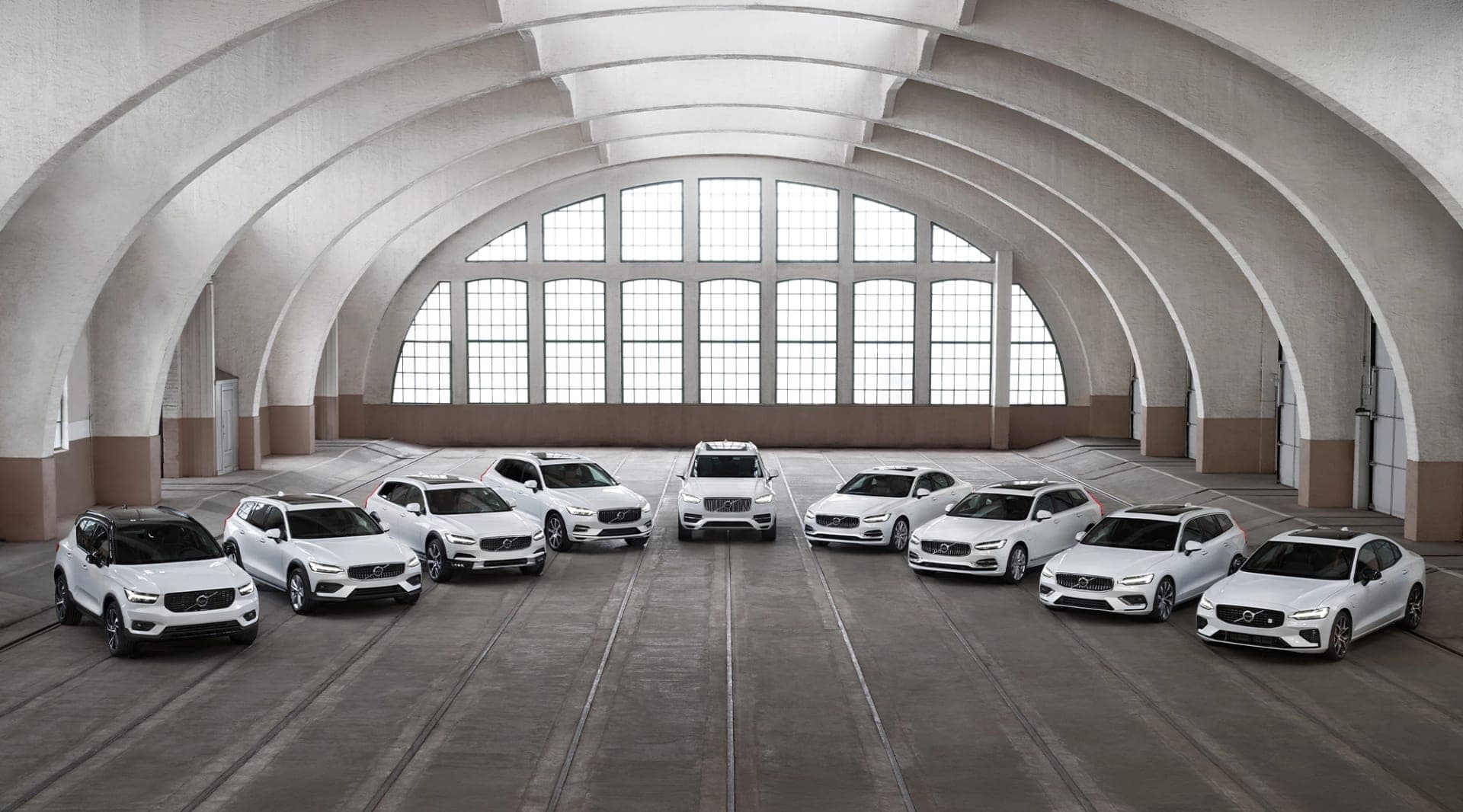
Volvo is turning Volvo Car Gent into a contract plant open to other brands, Geely-owned or not, alongside Chengdu in China. The decision sits inside a strategy update that promises 13 new cars by 2030, an EBIT margin above 8 percent and 30 percent parts commonality with Geely, while Volvo concedes that its European capacity will exceed sales once Kosice starts in 2027.
