
Volvo's three-point seatbelt legend is half-true, and Volvo says so
Volvo's famous seatbelt had a three-point ancestor, patented for aircraft seats in 1955
The story always goes the same way: in 1959 Volvo engineer Nils Bohlin invents the three-point seatbelt, and Volvo gives the patent away to save lives. Half of it holds: it is a real story that grew in the telling. The patent record and Volvo's own history put the three-point idea first. Our verdict: half-true.
Volvo's 2009 history names the older Griswold three-point belt
Volvo's January 2009 release for the belt's 50th anniversary credits Bohlin's design with 'geometrical perfection' and says it was not a ground-breaking innovation. The same text separates his V-shaped belt from an earlier three-point design it labels Y-type and credits to Griswold. The Volvo Group heritage page agrees in plainer words: a safety belt prototype reached Volvo in the 1950s, and Bohlin perfected it. The invention claim comes from Volvo as well. Seven months later, on 13 August 2009, Volvo Car USA marked the anniversary by saying Bohlin had invented the belt in 1958.
Griswold and DeHaven patented a shoulder-and-lap belt in 1955
US patent 2,710,649, granted on 14 June 1955, covers a combination shoulder and lap safety belt by Roger W. Griswold and Hugh DeHaven of Connecticut. They filed it on 19 February 1951 and illustrated it on aircraft seats, while the text applies it to vehicle seats in general and even to dentist chairs and operating tables. Its argument was practical: occupants kept leaving separate shoulder harnesses unbuckled, so the patent ties shoulder and lap restraint into one device with two straps and a single quick-release buckle. Volvo's Y-type label describes the shape it made across the body.
Nils Bohlin's V-shaped belt went on with one hand in 1959
Nils Bohlin joined Volvo in 1958 from Saab, where he had been responsible for ejection seats since 1955. President Gunnar Engellau, who had lost a relative in a road accident, gave him the brief. Volvo had fitted anchorages for two-point diagonal belts since 1957, but their buckle sat at ribcage height and could injure the organs it was meant to protect. Bohlin anchored a lap strap and a diagonal strap low beside the seat, forming a V pointing at the floor that stayed in place under load and fastened with one hand. His Swedish patent application is dated 29 August 1958.
Bohlin's US patent 3,043,625 cites the 1955 Griswold harness
The US Patent Office granted Bohlin patent 3,043,625 on 10 July 1962, and the Griswold harness is one of six earlier patents the examiner cited. Bohlin's own text does not claim to be first to combine a chest strap with a hip strap; it says that had been done before. His two claims cover where the straps are anchored instead: a top mounting behind and to one side of the shoulder, floor mountings on both sides of the seat, and chest and hip straps forming one continuous sling. The novelty was the anchoring, not the number of points.
Volvo fitted the belt to the PV544 and Amazon in 1959, then opened the patent
Volvo made the three-point belt standard on the PV544 and Amazon in the Nordic markets in 1959, and on every car it built from 1963, when it reached the USA. Its 2009 history says Volvo made Bohlin's patent available to all carmakers straight away, and the Volvo Group heritage page says the design was gifted to the industry without payment or claims. We found no source disputing that half of the story. Buyers were sceptical at first, Volvo admits, and it now credits the belt with saving at least a million lives.
AutoNext Take
Griswold and DeHaven's own 1955 patent explains why most of the credit still belongs in Gothenburg: it complains that occupants did not buckle the shoulder harnesses they were given. A belt only saves lives when people wear it, and Bohlin's one-handed V made the idea work for ordinary drivers in a family car. 'Invented' is the wrong verb, 'made it work' is the right one, and the generosity in the legend checks out.
That puts it beside Henry Ford's black Model T, a genuine quote dated to the wrong year, and apart from the electric car fire myth, which the data shows to be false, or the Mercedes Silver Arrows paint legend, first written down 24 years after the race. Volvo's story rests on real patents, real cars and a real decision, and only the verb is wrong. Volvo Group's heritage page already says 'perfected'; when the belt turns 70 in August 2029, we expect Volvo Cars to drop 'invented' from its own anniversary copy too.

Electric car fire myth is false: combustion cars burn more often
The idea that electric cars catch fire more often than petrol and diesel cars is false. Sweden's civil defence agency logged 46 plug-in car fires in 2025 among 1.03 million plug-in cars, far below the rate for other cars even after allowing for arson. Germany's insurers and Norway's fire directorate agree. Battery fires are rarer, but harder to put out.
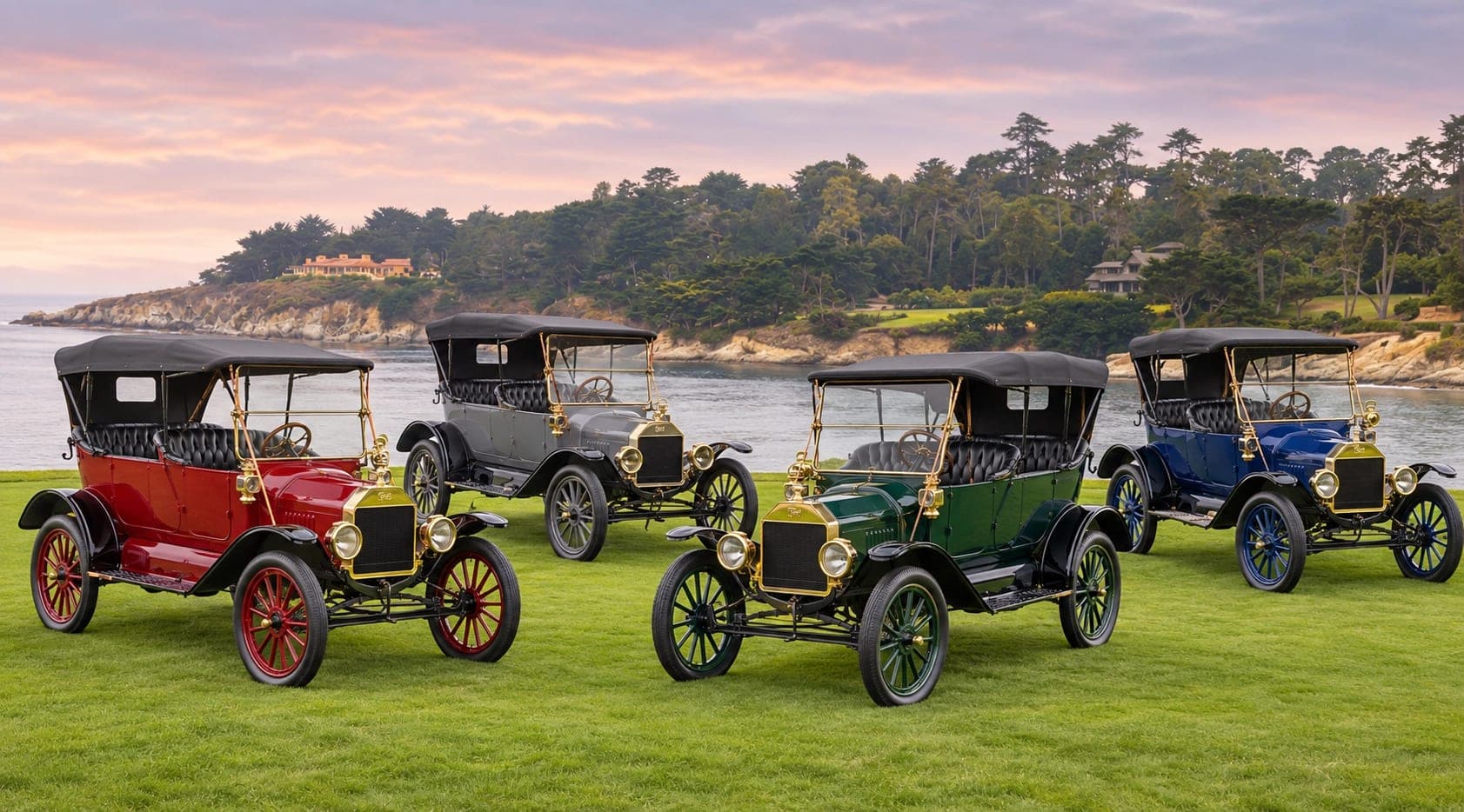
Ford's black Model T first came in red, grey, green and blue
The Ford Model T was not always black. From 1908 to 1913 it was sold in red, grey, green and blue, with the colour tied to the body style. Black-only production ran from 1914 to 1925, and colours returned for 1926. Henry Ford's famous line is genuine, but he only published it in 1922.
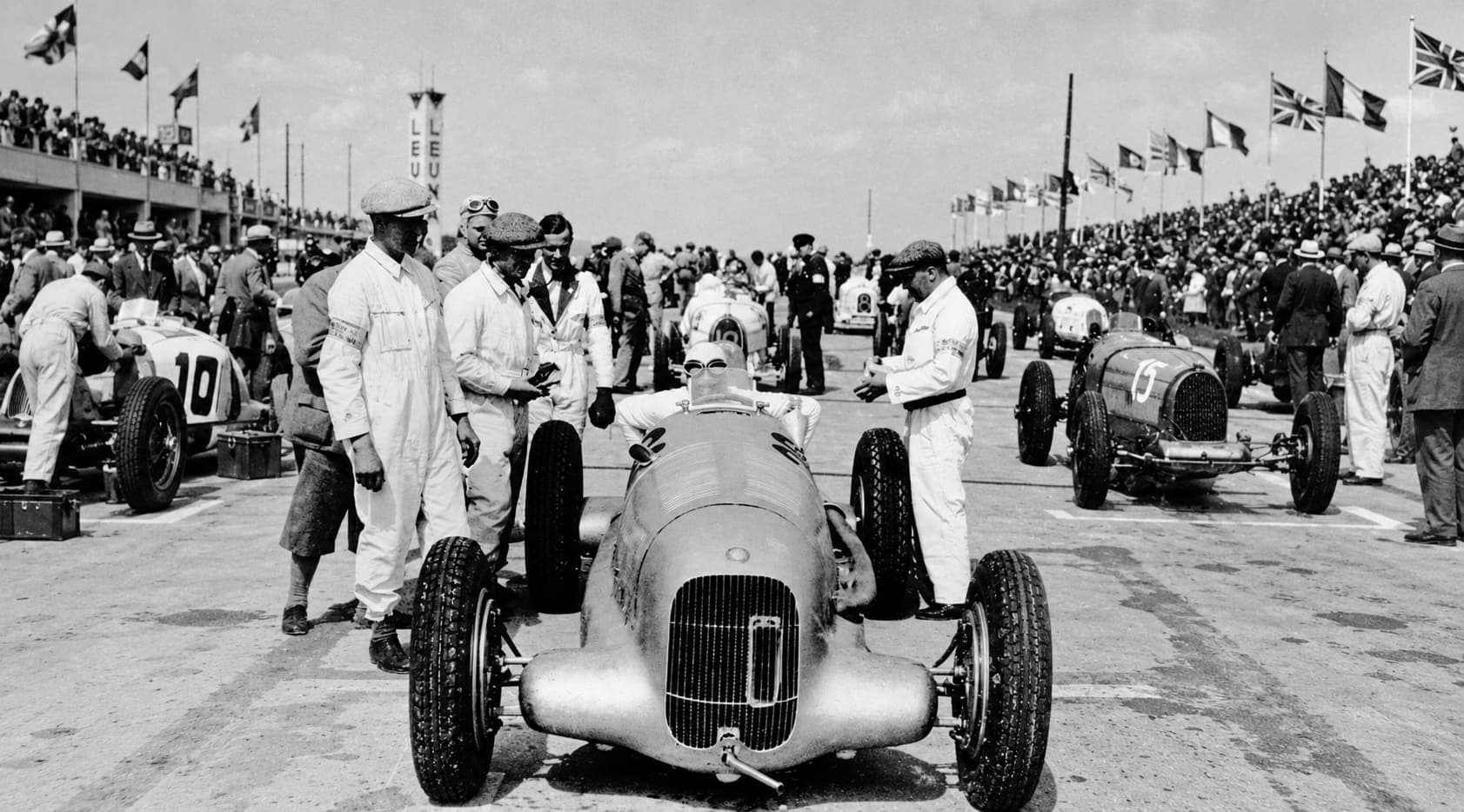
The Mercedes Silver Arrows paint legend was invented 24 years later
The legend says Mercedes stripped the white paint off its overweight W25 before the 1934 Eifelrennen and created the Silver Arrows. The race had no weight limit, no photo shows a white W25 that weekend, and a radio reporter had already called a silver Mercedes a silver arrow in 1932. Neubauer only told the story in 1958.
