
2026 Peugeot 308 Hybrid
A handsome, comfortable hatchback that asks you to plan your overtakes.
The facelifted 308 is a seriously good-looking product from Peugeot, and in a class where even the Ford Focus has bowed out, it remains one of the few proper hatchbacks left to choose from. We drove the 308 Hybrid, the five-door with Stellantis' 48-volt mild-hybrid powertrain. It is refined, comfortable and genuinely enjoyable once you learn how to drive it, but the engine never quite gives you the push you are hoping for.
Design: an illuminated Peugeot badge, a first for the brand
A new grille with a full-width light strip leads the facelift, the headlights are now Matrix LED units, and Peugeot's three-claw lighting signature now runs front and rear. The headline detail is the badge: the 308 is the first Peugeot whose emblem lights up, although it is optional. At 4,367 mm long the five-door sits in the heart of the class, and it looks more upmarket than most of its rivals.
Powertrain: 145 hp from a 1.2-litre three-cylinder
Under the bonnet sits a 1.2-litre turbocharged three-cylinder with 136 hp, helped by a 21 kW electric motor, roughly 28 hp, built into the six-speed e-DCS6 dual-clutch gearbox. A 0.9 kWh battery under the front passenger seat feeds it, and together they deliver 145 hp and 230 Nm, good for 0-100 km/h in 8,8 seconds. On paper that is fine, but on the road it feels a little flat. The engine lacks push, and the electric boost is not something you clearly feel either. This is a mild hybrid: the motor mainly assists the petrol engine rather than driving the car on its own for any distance. It is the same system you find in the Opel Astra Hybrid and the Jeep Compass e-Hybrid.
The new set-up replaces the old non-hybrid 1.2 and its eight-speed automatic, and the numbers explain the slightly lazy feel: the 8,8-second sprint is almost a second slower than the previous entry-level 308. In return it is more efficient, and at low speeds it can creep along on electricity alone; when the engine shuts off, the speed readout turns blue.
Comfort: typically French, with superb seats
Once up to speed, the 308 is a lovely car to drive. It is well insulated, with little rolling noise, and the ride is comfortable in that typically French way. The seats are superb, and that remains something we genuinely value. Peugeot even offers AGR-approved sports seats, certified by the German back-health association, on the higher trims. On a long motorway run, this is where the 308 earns its keep. Peugeot helps it along with thicker windows, and laminated side glass is available.
i-Cockpit: an acquired taste with a 10-inch display
The instruments in Peugeot's i-Cockpit sit above a tiny steering wheel rather than behind it, a layout that always takes some getting used to and never feels entirely natural, so the driving position is not quite as intuitive as in some rivals. The hardware is good, though: the 10-inch digital cluster now has sharper 3D graphics, and the 10-inch central touchscreen gains a row of customisable i-Toggle shortcut buttons from Allure trim upwards, with profiles for up to eight drivers. Wireless Apple CarPlay and Android Auto are on board too. The GT gets a 3D floating instrument display, two phones can connect by Bluetooth at once, a small raised selector replaces the gear lever, and a 10-speaker Focal sound system is optional.
Driving: anticipate the power and it is fun
Beyond the 1.2-litre engine, the 308 is genuinely nice to drive, as long as you accept that the power arrives a little later than you would like. Anticipate it, plan your overtakes, and the 308 is good fun. The steering is well weighted and the body is nicely controlled. The nose does feel a little heavy, though, and the weight transfer onto the front wheels is noticeable when you start to push through corners. Underneath sits an updated version of the previous car's EMP2 platform.
Practicality and running costs: 412 litres and an 8-year warranty
The 308 hatchback offers a 412-litre boot, growing to 1,323 litres with the rear seats folded, and if you need more there is the 308 SW estate. It can tow 1,150 kg and has a 52-litre tank. Real-world tests have returned between 5,5 and 6,7 l/100km, sensible rather than spectacular, because a mild hybrid can do little on electricity alone. If that matters to you, a full hybrid such as the Toyota C-HR is the more efficient alternative. Peugeot backs the car with a warranty of up to eight years or 160,000 km, provided it is serviced at the dealer.
That boot is bigger than you get in a Volkswagen Golf, Audi A3, BMW 1 Series or Mercedes A-Class. Rear-seat space is the weaker point: fine for children, a little tight for adults. Around the cabin there are 34 litres of storage, two big cupholders and two USB-C sockets.
Price: from around €34,300
The 308 Hybrid starts at around €34,300 in Germany and €35,950 in the Netherlands including delivery, with prices varying by market and trim. That puts it squarely against the Volkswagen Golf, Audi A3 and BMW 1 Series, and on design and cabin quality it can stand next to all of them. If you want more performance, the plug-in hybrid and the electric E-308 sit further up the range.
Plug-in hybrid, E-308 and assistance packs: the wider 308 range
If the mild hybrid feels too gentle, the 308 Plug-in Hybrid 195 pairs a 1.6-litre engine with a 17.2 kWh battery for a claimed electric range of around 85 km and 0-100 km/h in under eight seconds, though it weighs 253 kg more and its boot shrinks to 314 litres. The fully electric E-308 offers 361 litres. Whatever you choose, the optional Drive Assist Plus pack adds semi-automatic lane changes, anticipated speed recommendations and curve speed adaptation.
AutoNext Verdict
The Peugeot 308 Hybrid is a handsome, well-built hatchback that is at its best on a long, relaxed drive. It is quiet, comfortable, beautifully finished and fitted with seats we would happily sit in all day.
Its weak spot is the powertrain. The three-cylinder lacks punch, the electric help is barely noticeable, and the nose feels heavy when you push on. Add an i-Cockpit layout that still divides opinion, and it is not the most natural car in its class to drive.
Treat it as a comfortable cruiser rather than a hot hatch, anticipate the power, and the 308 is a likeable and stylish alternative to the crossovers that have taken over the market.
 7,7/10
2026 Opel Astra Hybrid
The facelifted Opel Astra is one of the most complete cars in its class. It looks fantastic, drives with an easy, eager nippiness, and returned a frugal 5.0 litres per 100 km on our run. Add real buttons, an excellent driving position and clever Intelli-Lux HD headlights, and only the colour range and a near-35,000 euro Ultimate price hold it back.
 6,8/10
2025 Jeep Compass e-Hybrid
The second-generation Jeep Compass looks genuinely tough and returns excellent fuel economy, but the e-Hybrid version is let down where it matters. The 145 hp mild-hybrid feels underpowered and a little jerky, and worst of all the ride is punishingly firm, even on 18-inch wheels. A smart interior and a lovely rotary shifter cannot fully rescue it.
 7,4/10
2025 Toyota C-HR
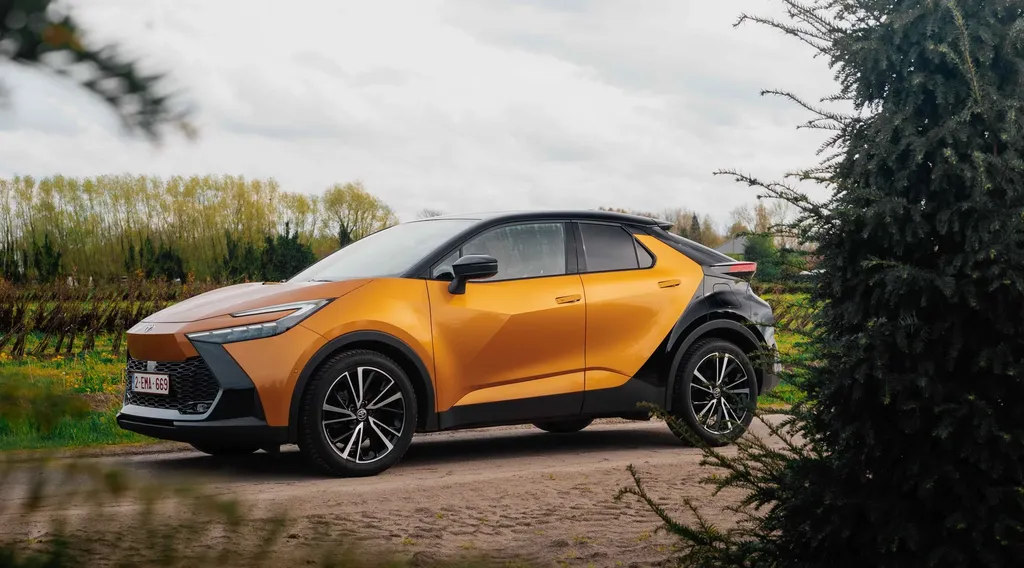
It’s been almost 10 years ago that Toyota pulled the curtain on the first-gen C-HR. Some people loved the bold new look of the -at that time- rather boring-looking Toyota, and some people just didn’t. Tastes simply differ. Can the second-gen be just as trendsetting?
Discover more
Dive deeper into the world behind every car.
On every detail page you will find a complete and transparent presentation of the vehicle: from technical specifications and option lists to service history, features and unique highlights.
Search cars
Discover our premium selection, compare the different models with ease and find the car that perfectly matches your style and expectations.
Your next exceptional driving experience starts here.
Expert reviews
Our experienced car experts put every car under the microscope and share honest, in-depth insights that go beyond the standard brochure information.
From ride comfort and technology to build quality and performance. We analyse every detail so you can make the right choice with confidence.
