2026 Mercedes-Benz GLB 250+
The electric GLB does the sensible things brilliantly, then argues with its own options list
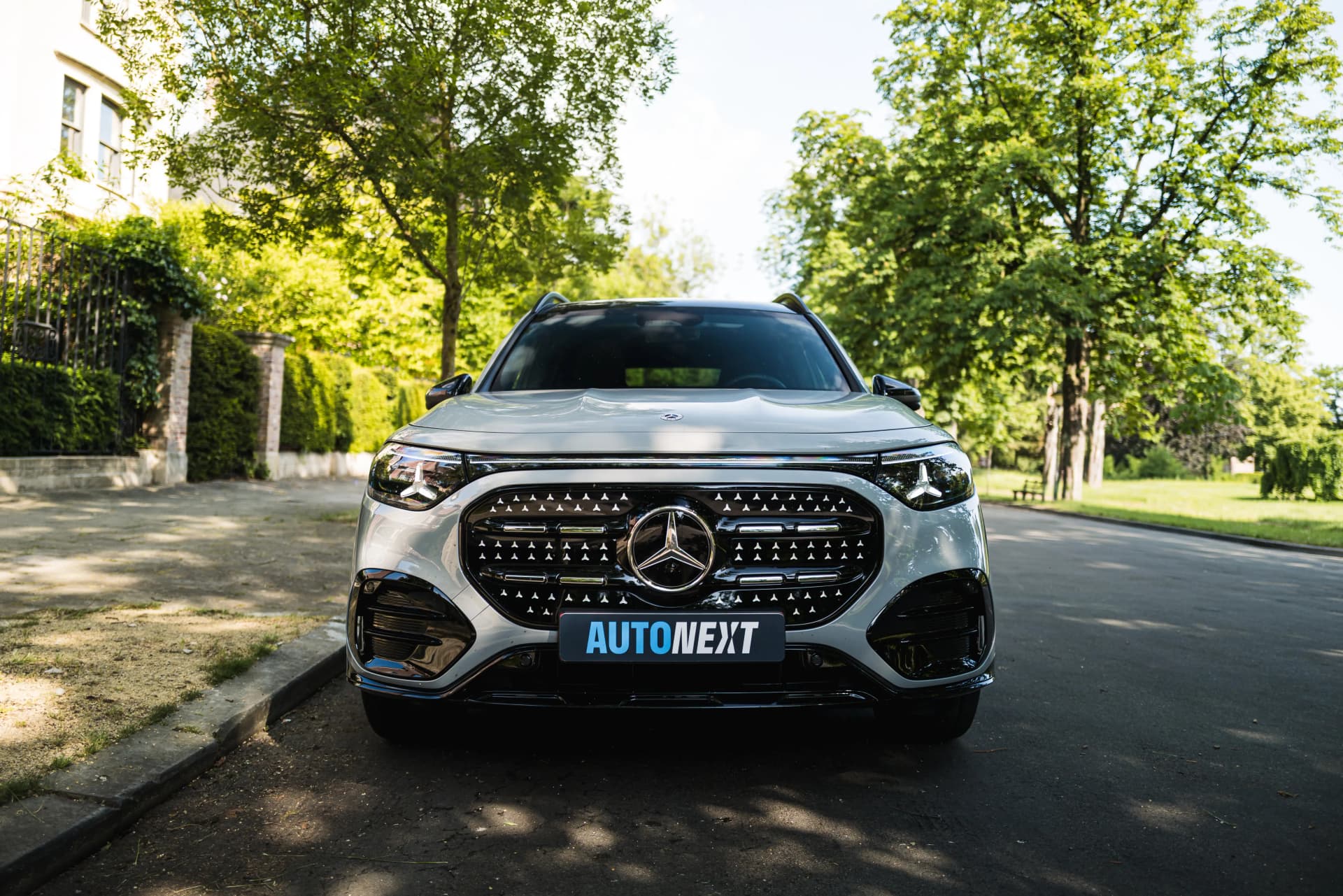
The GLB is the bigger brother of the CLA and CLA Shooting Brake, and the difference is all in the packaging: this is a far roomier, more practical car. We would not call it prettier, because the CLA, and especially the Shooting Brake, is a genuinely handsome thing. But the GLB has its own appeal, looking tough and robust from the rear, even if the nose comes across a little sad. What we really like is that you can have it as a petrol or an electric car with no change in design, so there is no awkward EQ face to explain. We did not miss it.
Design: robust from the rear, no separate EQ face
From behind, the GLB looks properly sturdy, and keeping the same body for combustion and electric versions is a smart, honest move. The old EQ styling never really landed, so dropping it is no loss. It is only the front that lets the side down slightly, with a nose that looks a touch downcast next to the tougher rear.
The 94 stars up front
Then there is the front panel. Where a grille would sit, Mercedes has fitted a solid panel studded with 94 illuminated stars that light up at night and cannot be switched off. It is not subtle. The best Mercedes designs have always traded on restraint, and this is the opposite of that, a deliberate piece of showmanship that you will either love or quietly wish you could dim.
Interior: familiar CLA, screen-heavy, beautifully equipped
Inside, it is very close to the CLA. We are not fans of the completely flat dashboard crammed with screens, but the MBUX Superscreen at least looks the part, and it is genuinely a nice thing to use. The Burmester 3D surround sound system is a must-have in our book, and the Energizing Comfort function transforms the cabin with light, music and audio, which passengers in particular love. Mercedes makes a big deal of the passenger screen and the AI connectivity, but honestly it feels like a gimmick. The furniture is nicely finished, though oddly the flashiest details, the screen surrounds and the backlit fake-metal vents, are the ones that feel most flimsy to the touch.
Regeneration and driving: paddles, comfort and calm
The GLB already has the steering-wheel paddles for adjusting regeneration strength, something the CLA launched without and is only now getting after complaints. They work brilliantly. The different modes make driving genuinely enjoyable, and while we spent most of our time in the strongest setting, the automatic mode can be a little too cautious for our taste. On the road the GLB is no sporting star and does not try to be. It pulls away smoothly, keeps up with traffic without fuss, and everything feels controlled and predictable. The steering is light and precise enough, comfortable rather than exciting. With rear-wheel drive it also has a nicely tight turning circle. This is a car you could hand to your neighbour without a second thought.
Ride: built for the long haul
This is where it really scores. On the Comfort suspension the GLB simply glides, ironing out speed bumps and broken asphalt with its adaptive dampers. Those dampers are standard on the 20-inch wheels, and they stop the body floating over longer undulations, which helps keep passengers from feeling queasy. It is the kind of car in which long distances disappear.
Efficiency and range: the real surprise
The biggest revelation was the efficiency. Mercedes claims a combined 16.5 kWh per 100 km, but we barely crept above 15, and staying inside town at 70 km/h we dipped under 12. For a car this size with this much potential, that is remarkably low, and it meant we comfortably beat the claimed 606 km of range. Genuinely impressive.
Charging: 800V, with an asterisk
The GLB uses an 800V system with an 85 kWh usable battery, so it charges fast: 10 to 80 per cent in 22 minutes at up to 320 kW, or 225 to 260 km of WLTP range added in a ten-minute coffee stop. There is a catch, though. To fast-charge at 400V posts, which includes almost every Tesla Supercharger, you need an optional DC converter. Without it you are capped at 100 kW, and yes, it costs extra. In this class that feels like a miss, although it is at least standard on the Business Editions.
Practicality: boot, frunk and the fiddly bits
Practically the GLB delivers, with a useful 540-litre boot and a 127-litre frunk under the bonnet, ideal for charging cables, even if you can only open it via the familiar handle down by your left foot. The roof rails take 75 kg and it will tow up to 1,500 kg braked. Not everything is as slick, though. The rear windows use the same switches as the front ones, so you have to toggle across before opening them, which feels needlessly clumsy. And while Parking Assist is fitted as standard, it is not active as standard: you pay to unlock the software, which feels a bit like paying twice.
AutoNext Verdict
Underneath all the screens and stars, the GLB 250+ feels solid, quiet and expensive. It is not setting out to excite you, but to feel trustworthy, and at that it succeeds completely. A true Mercedes.
The real headline, though, is the efficiency. A car this big has no business using so little energy, and that alone makes the electric GLB easy to recommend for anyone who covers serious distances. The comfort and the beautifully judged ride only strengthen the case.
It is a shame Mercedes lets the options list get in the way, from the 400V charging converter to the Parking Assist paywall. Sort those, and this would be close to faultless. As it stands, it is still one of the most usable and likeable electric family cars you can buy.
Discover more
Dive deeper into the world behind every car.
On every detail page you will find a complete and transparent presentation of the vehicle: from technical specifications and option lists to service history, features and unique highlights.
Search cars
Discover our premium selection, compare the different models with ease and find the car that perfectly matches your style and expectations.
Your next exceptional driving experience starts here.
Expert reviews
Our experienced car experts put every car under the microscope and share honest, in-depth insights that go beyond the standard brochure information.
From ride comfort and technology to build quality and performance. We analyse every detail so you can make the right choice with confidence.
