XPeng sold 38,000 EVs in July, and still got lapped by its rivals
A number that would be a boast for anyone else is a warning for XPeng
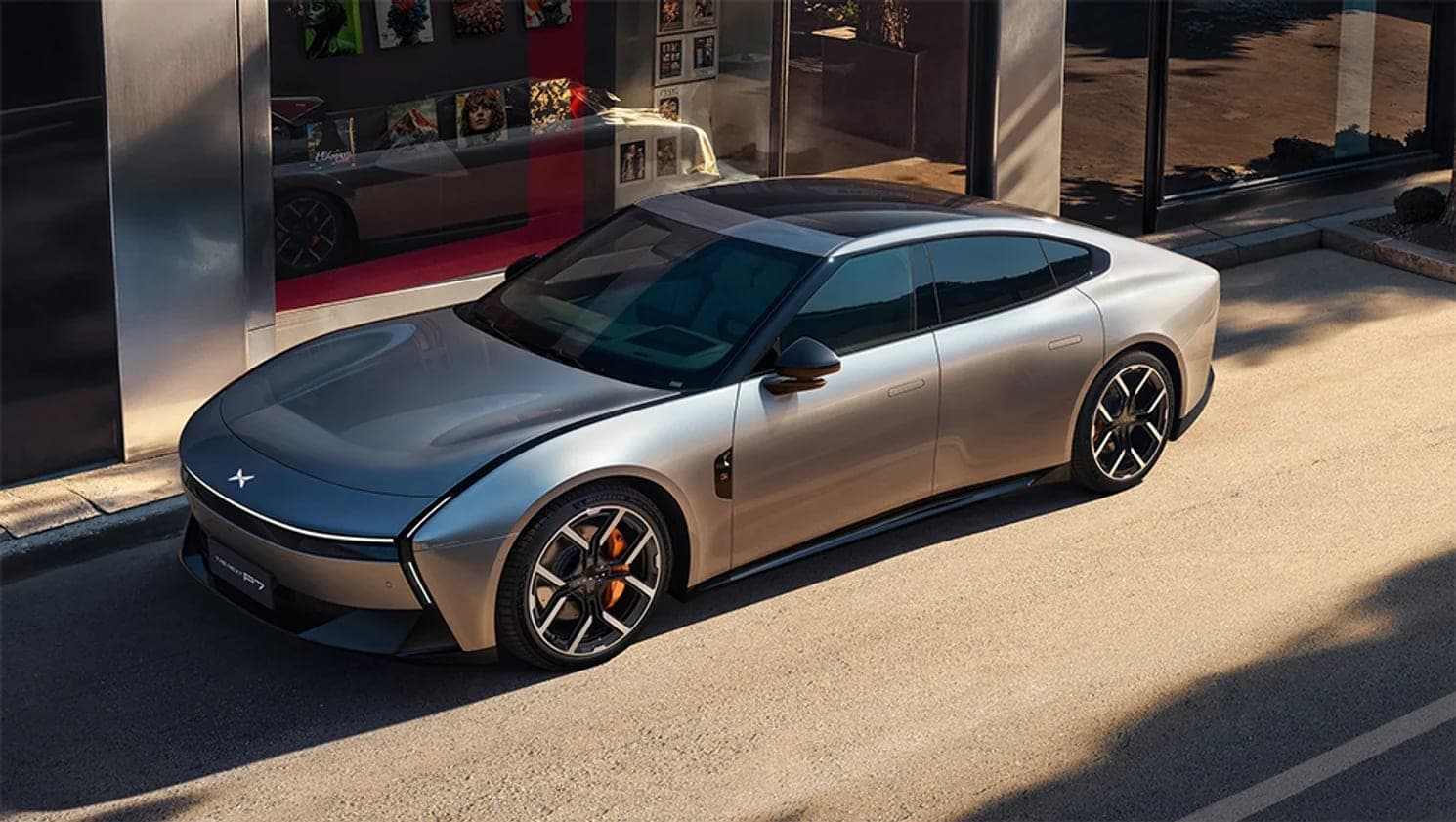
XPeng delivered 38,027 vehicles in July, pushed past 1.2 million lifetime, and watched its shares fall anyway. On its own, 38,000 cars in a month is a serious result. The problem is the company it keeps: in the same month, several Chinese rivals did not just beat XPeng, they doubled while it barely moved. A delivery figure that once signalled momentum now reads as a former favourite being left behind.
Fine on its own, alarming in context
The raw figures are respectable. XPeng's 38,027 deliveries were up 4% year on year, and its running total has now cleared 1.2 million vehicles worldwide. Yet the market read it as a miss, sending the stock down more than 3%, because a 4% gain is close to standing still for a company that built its story on rapid growth. XPeng also has genuine irons in the fire, with five new models heading to Australia in the second half of 2026 and a global rollout of its next-generation assisted-driving system planned for 2027. This is not a company in crisis. It is a company that has stopped sprinting.
The scoreboard tells the story
Line the July numbers up and the gap is brutal. Leapmotor cleared 101,267 deliveries, up 102% year on year. Zeekr managed 35,837, up 111%. Nio delivered 35,934, up 71%, even after a soft month. BYD, in a different league entirely, moved 419,211 new energy vehicles, up almost 22%. Against that, XPeng's 4% and Li Auto's slight decline of under 1% mark them out as the two former darlings whose growth has stalled while newer names sprint past. Being a Chinese EV maker no longer guarantees you are on the winning side of the chart.
The delivery flex only works while the number climbs
Chinese brands turned the monthly delivery count into a marketing ritual, a scoreboard posted with fanfare every first of the month. It is a great tactic while your bar is the tallest. It curdles the moment it is not, and publishing a proud 38,000 next to Leapmotor casually clearing 100,000 or Zeekr more than doubling as it pushes into Europe does XPeng no favours. The ritual it helped popularise has turned on it, which is exactly why the market punished a number that, in a vacuum, looked fine.
The real EV war is China against China
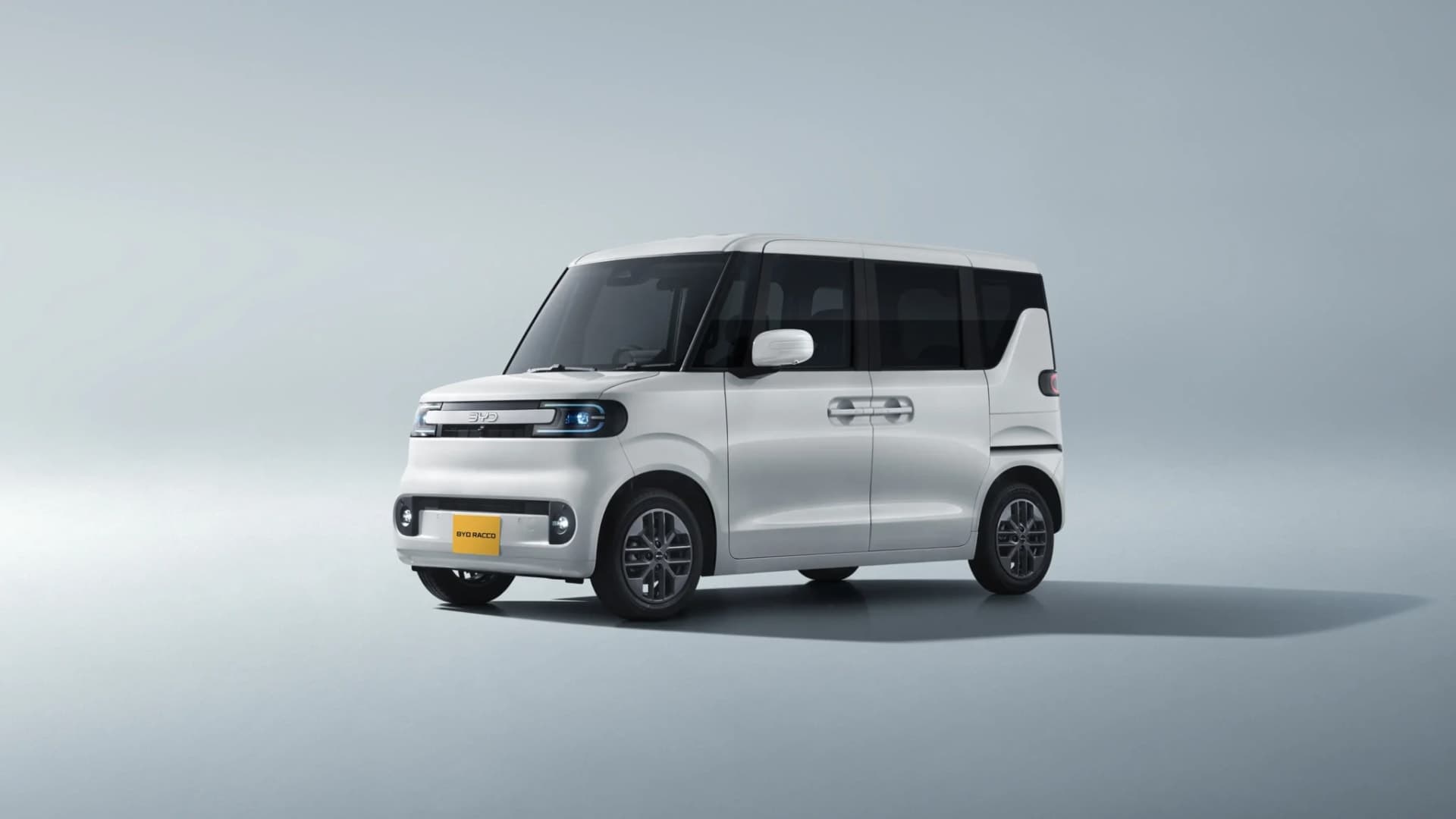
This is the point the tidy story about Chinese EVs conquering the West keeps missing. The fiercest fight is not between China and everyone else, it is between Chinese brands, and it is turning savage. Newcomers are doubling, former leaders are stalling, and a shakeout is clearly under way at home even as the same brands expand abroad, whether that is XPeng pushing new models into Europe or BYD building a bespoke kei car for Japan. The winners of this decade will be Chinese. So, increasingly, will the losers.
AutoNext Take
None of this makes XPeng a lost cause. It remains one of the more technically ambitious Chinese brands, its assisted-driving work is genuinely advanced, and a 4% year with 1.2 million cars behind you is not failure. The warning is narrower and sharper than that: momentum is the whole currency of this segment, and XPeng has just shown what it looks like to run low on it while everyone around you fills the tank.
The bigger lesson is for anyone still treating Chinese EVs as a single unstoppable bloc. They are not. This is a hyper-competitive market that is about to start thinning its own ranks, and the first names to wobble will not be German or Japanese, they will be Chinese. XPeng posting a proud 38,000 and getting marked down for it is the opening line of that story. Watch which darling stalls next.