BYD built a kei car for Japan, something no foreign brand has ever done
China just did something in Japan that no carmaker from anywhere has ever tried
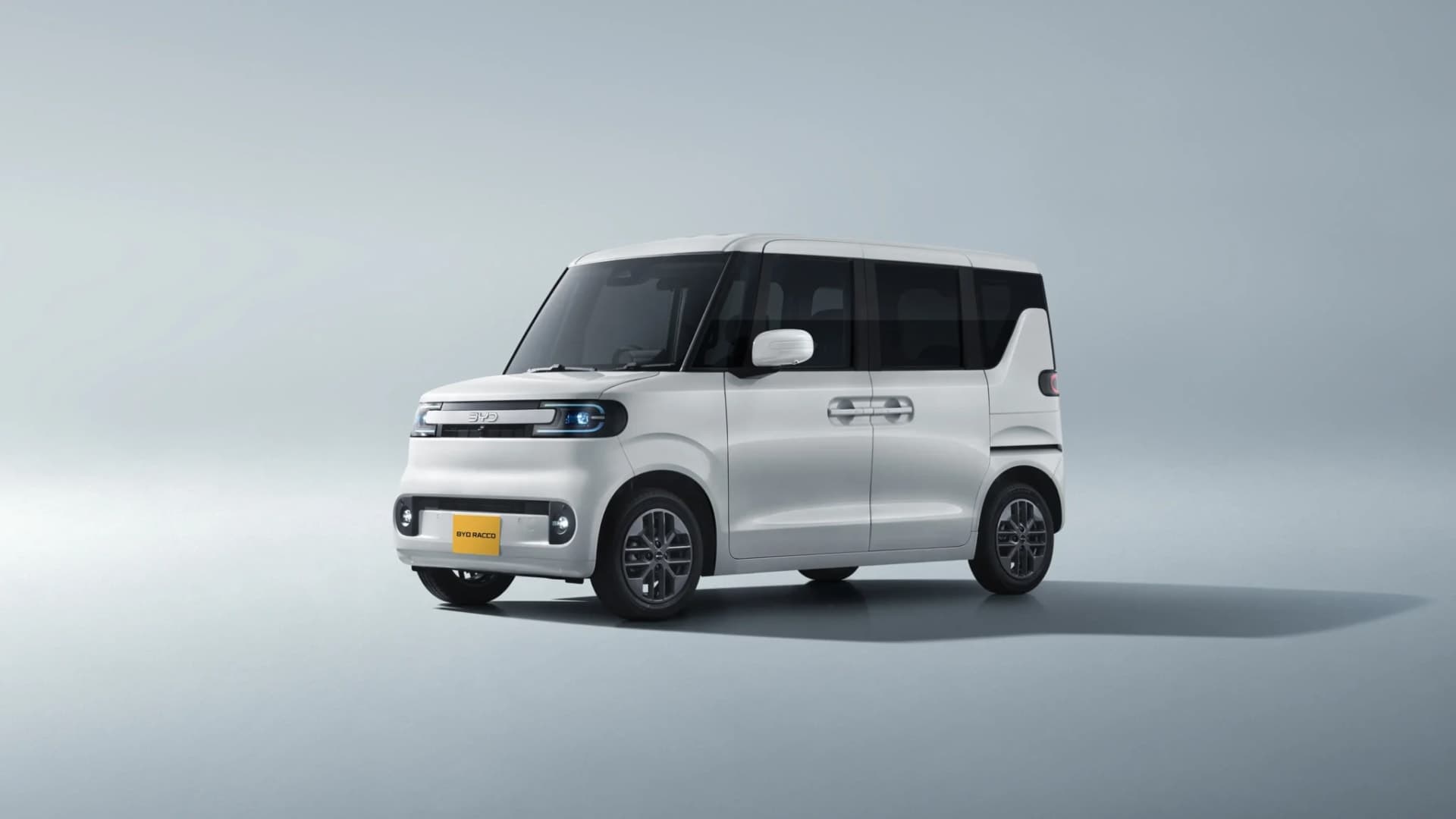
BYD has revealed the Racco, a small electric car for Japan, and the headline is not the range or the price. It is the category. The Racco is a kei car, built to Japan's uniquely strict domestic size and power rules, and BYD is the first foreign manufacturer ever to design one from scratch. For decades the kei class has quietly protected Japanese brands precisely because no outsider bothered to play by its rules. BYD just did.
What the Racco actually is
The Racco slots exactly into the kei footprint at 3,395 mm long, 1,475 mm wide and 1,800 mm tall, tall and boxy with sliding doors on both sides and seating for four. Power comes from a 20 kWh LFP Blade battery for a WLTC range of 180 km, driving the front wheels through a single motor whose output BYD has not disclosed. It fast-charges from 10 to 80% in around 25 minutes. The provisional price is about 2.6 million yen, roughly 15,000 euro, it goes on sale in the summer, and it is sold only in Japan. The name, fittingly for a piece of deliberate local charm, comes from the raccoon.
Aimed straight at the one EV kei that exists
The Racco has an obvious target: the Nissan Sakura, the electric kei car that has largely had the segment to itself. The two are strikingly close, both using a 20 kWh battery, and priced within a whisker of each other, the Sakura at about 2.53 million yen. Where the Racco tries to pull ahead is charging, arriving with faster capability than the Sakura offers. That is the whole game here. BYD is not undercutting Japan on price so much as out-specifying the incumbent inside the incumbent's own protected category, which is a far more pointed way to compete.
The playbook has changed from selling cars to building them
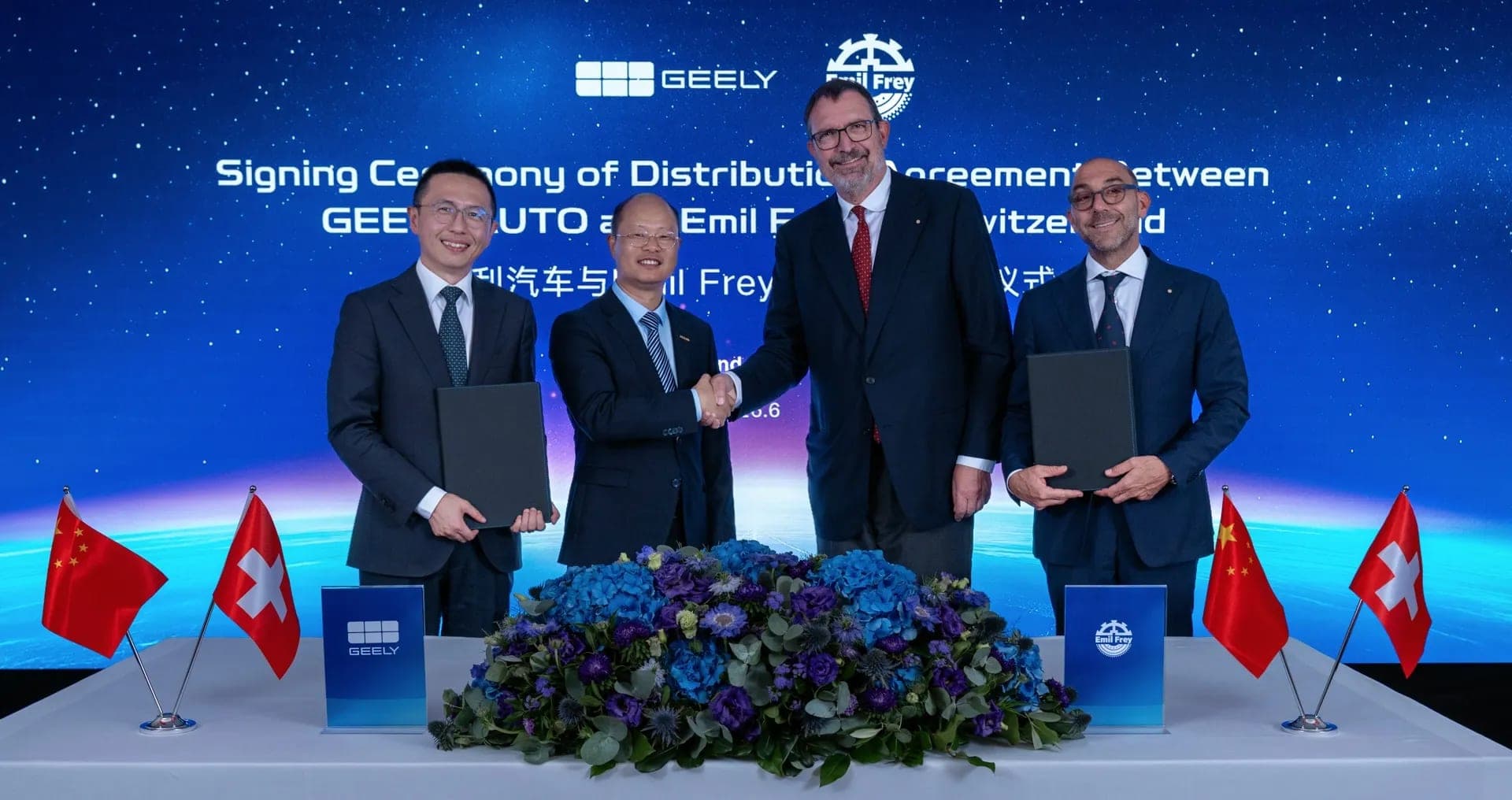
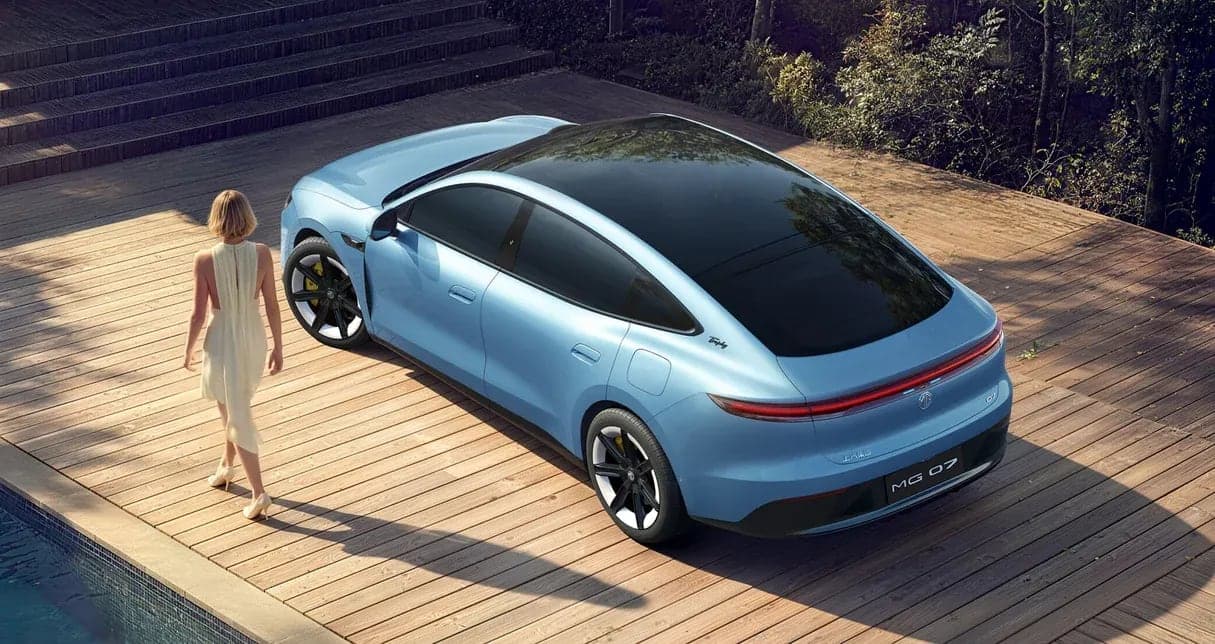
This is what makes the Racco worth more than a curiosity. Everywhere else, China's expansion has meant taking existing global models and pushing them into new markets, whether that is Leapmotor outselling Porsche in Europe or MG dressing a sedan up to look like a Porsche. Even the clever market entries, like Geely renting a century-old Swiss importer to reach Europe, are about distribution, not design. The Racco is different in kind: BYD did not adapt a world car for Japan, it engineered a car that could only exist in Japan, to rules no other market uses. That is the strategy maturing from selling them our cars to building them theirs.
Why this is a gamble, not a victory lap
It is worth staying grounded, because BYD has struggled badly in Japan. Since entering the market in 2023 with four EV models, it has managed only around 6,600 sales, well below its own hopes, and the Racco itself has so far moved just 125 demo units. Read one way, the kei car is a smart, humble admission that a generic global EV does not sell in Japan and that you have to build to local taste. Read another, it is a small player making one more expensive bet in a market that has already rejected most of what it offered. Both readings are fair, and the next year of sales figures will decide which one holds.
AutoNext Take
Strip away the raccoon badge and the sliding doors, and the Racco is a statement about how seriously China now takes winning, not just entering. Building a car to Japan's kei rules is slow, low-margin and commercially thankless, the exact opposite of shipping high-priced SUVs to Europe. BYD did it anyway, in the one major market that has been almost immune to outside brands, which tells you it is playing a decade-long game, not a quarterly one.
Whether the Racco sells is almost the smaller question. The bigger one is that a Chinese company looked at the most closed, most idiosyncratic car culture on earth and decided the way in was not to argue with it but to out-build it on its own terms. Japan's kei segment was supposed to be the one place the global newcomers could never follow. That assumption just expired. Watch what BYD does with the second one.