The cheapest tyre in your size is often the one your car is not allowed to wear
Your tyre size fits thousands of different cars, and the two characters after it are the ones written for yours.
Almost everybody who orders tyres online does the same thing. They read the string off the sidewall of whatever is fitted, type 205/55 R16 into the search box, and then sort by price. The size is the easy part, and it is also the part that carries the least information about your particular car, because that same dimension is approved on hatchbacks, estates and small vans with very different weights and very different top speeds. What gets left out of the search box is the pair of characters that follow it, a two or three digit number and a single letter, 91V in this example. Between them they state how much weight that tyre may carry and how fast it may be driven while carrying it, and they are approval values rather than marketing. Your car was type-approved on a minimum load index and a minimum speed symbol, both written into the vehicle documents rather than onto the tyre, and a set below either of them is a defect at the periodic technical inspection across most of Europe and, in Germany, a reason for the vehicle's operating permit to lapse. The reason this catches people is quietly commercial: a tyre that is noticeably cheaper than the others in your size is very often cheaper precisely because its rating is lower, and nothing on the checkout page will tell you so.
The number is not kilograms, and the letter is out of alphabetical order
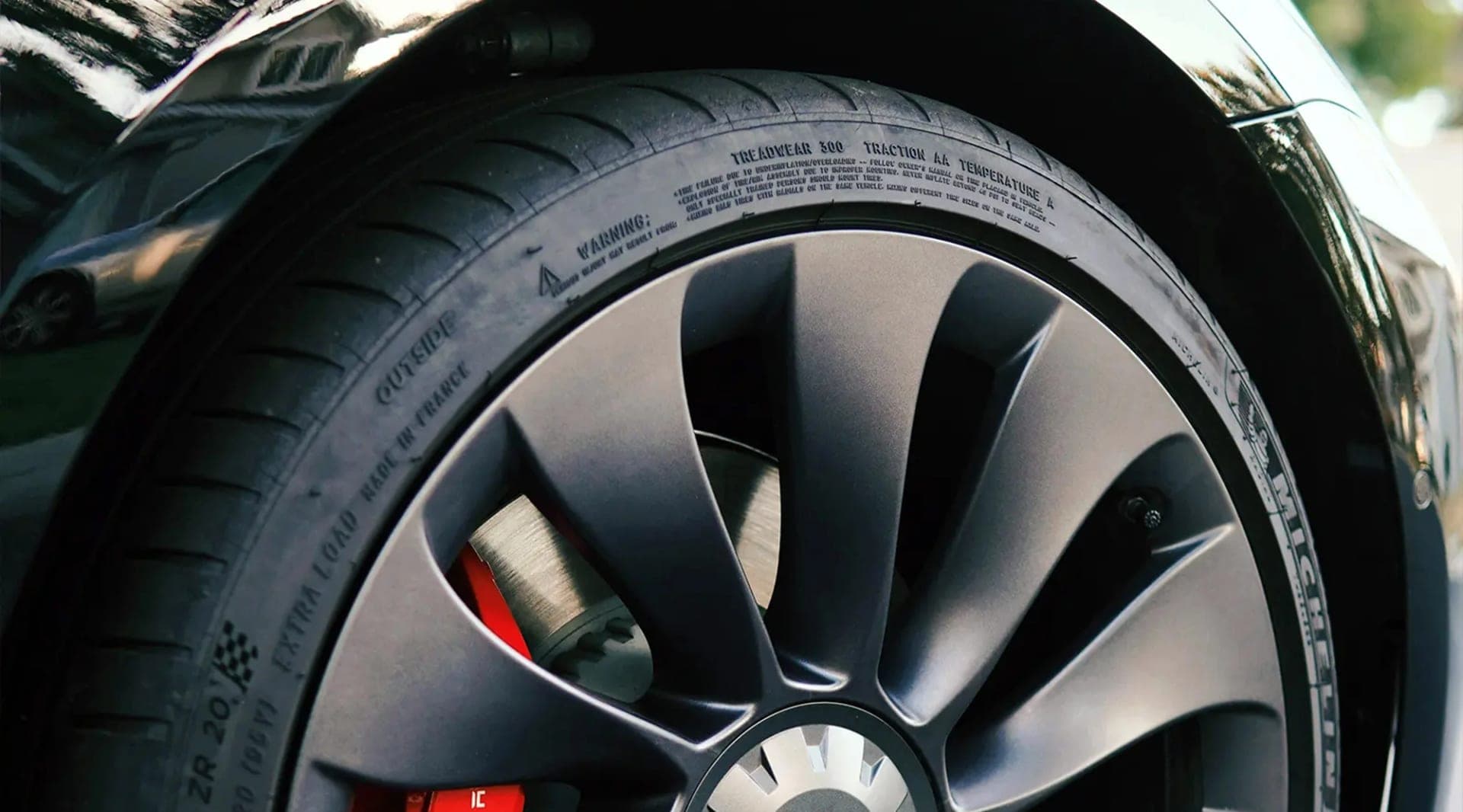
Take 205/55 R16 91V apart. The 91 is a load index, not a weight, and it points into a standard table where 91 means 615 kg per tyre at the correct pressure. The scale is deliberately not linear, which is why you can never estimate it: 91 is 615 kg, 94 is 670 kg, 95 is 690 kg, 98 is 750 kg and 101 is 825 kg, so three points on the scale buys you 55 kg in one place and 60 kg in another. The V is the speed symbol and it points into a second table, where Q is 160 km/h, T is 190, U is 200, H is 210, V is 240, W is 270 and Y is 300. H is the one that trips people up, because it sits between U and V rather than where the alphabet would put it, a leftover from the years when H simply meant high speed and the rest of the scale grew around it. The important part is that both values describe the same tyre under the same conditions. The load index is what the tyre will carry while being driven at the speed its own letter permits, not at whatever speed you feel like.
Your car's minimum is in the paperwork, not on the tyre already fitted
The values you have to meet belong to the car, so look them up on the car. In Germany, fields 15.1 and 15.2 of the Zulassungsbescheinigung Teil I give an approved tyre size per axle complete with load index and speed symbol, while point 22 carries the remarks and restrictions that go with it, and newer documents often list only one of several permitted combinations rather than all of them. Elsewhere in Europe the same figures sit on the certificate of conformity that came with the car, and a placard in the driver's door frame or inside the fuel flap repeats the approved sizes alongside the pressures they were approved at. What you must not do is treat the tyre currently fitted as the answer. On a used car that is a previous owner's decision, taken by somebody who may well have been sorting by price too, and the mismatch tends to surface at an inspection or in a claim rather than on the road. While you have your head near the sidewall, read the four-digit date code as well, because tyres expire by the calendar and a correct rating on an eight-year-old tyre is still an eight-year-old tyre.
Winter tyres get one exception, and German law is where it is spelled out
There is exactly one situation in which a lower rating is legally accepted, and it applies to speed alone. Winter tyres in many popular sizes are simply not manufactured in the higher speed symbols, so a car approved at 240 km/h can quite reasonably end up on a set rated to 190. German law allows that under paragraph 36 of the StVZO on one condition: a sticker showing the tyres' maximum speed must be fitted in the driver's field of view, and from the moment it is there, that number and not the speedometer's optimism is your limit for the season. The enforcement is modest and instructive, in the region of five euros if the police find the sticker missing and roughly twenty to twenty-five if a camera catches you above the tyre's own rating. The half nobody advertises is the more useful one. That exception has never applied to the load index, in Germany or anywhere else. No sticker makes an underrated tyre carry more weight, so if the winter set you have been quoted has a lower number as well as a lower letter, it is simply the wrong set.
Electric cars broke the XL scale, and the new marking sits in front of the size
For decades there were two constructions to choose between: standard load, and XL or Reinforced, printed after the size and rated at a higher reference pressure so the same casing could carry more. Battery weight overran that arrangement. In 2021 the European Tyre and Rim Technical Organisation added a third category, HL for High Load, which at the same reference pressure carries roughly eleven percent more than an XL tyre and around twenty-three percent more than a standard-load one. Two things about it catch people out. The first is where it is printed: HL goes in front of the dimension, as HL 235/45 R20, so a search box that expects the size first will not surface it and a glance at a sidewall will not register it. The second is that HL and XL are not interchangeable within the same dimension, because the entire point of the category is a higher load index in that size, and fitting an XL tyre of identical dimensions to a car approved on HL leaves you below what the car was signed off on. If you drive something heavy and electric this sits alongside the faster wear that comes with the weight, and it is the reason a like-for-like replacement matters more on an EV than it ever did on a petrol hatchback.
A load index only exists at the pressure it assumes
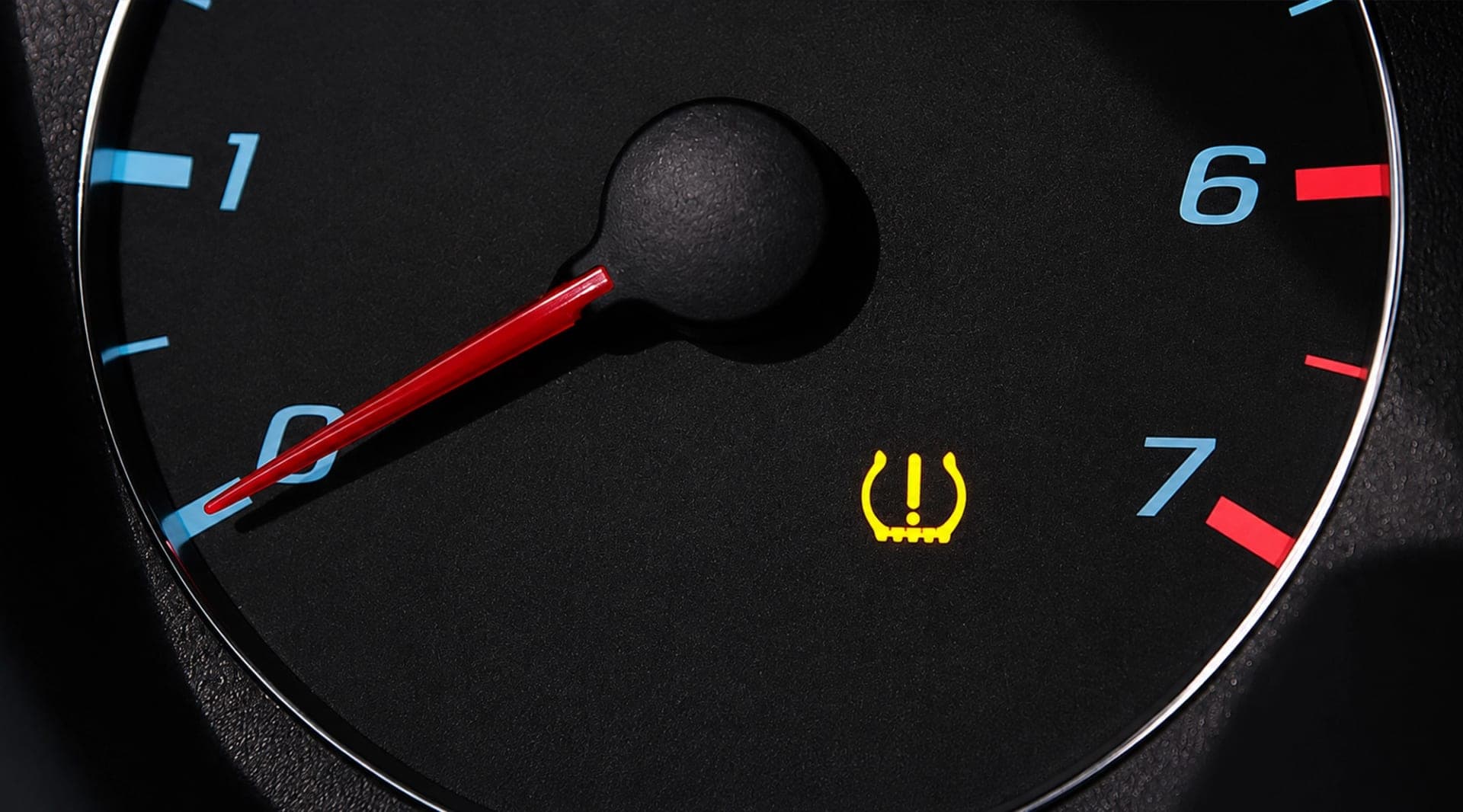
The load index is not a property of the tyre standing on its own in a warehouse. It is what the tyre will carry when it is inflated to the pressure the rating was written around. Standard-load passenger tyres are rated at a reference pressure of 250 kPa, XL and HL tyres at 290 kPa, and that difference in pressure is the whole mechanism by which the reinforced tyre carries more. Fit XL tyres and run them at standard-load pressures and you have paid for capacity you are not getting: the sidewall still says 98, the tyre behaves like something a good deal lower, and the first evidence is usually shoulder wear or a soft, vague feel in a fast corner. It is also the reason to treat the lamp on your dashboard as a backstop rather than a gauge, because it is not a pressure gauge and on most cars it says nothing at all until a tyre is already well below where its rating needs it to be.
What to actually do
All of this reduces to one habit worth building before the winter tyre season starts: find the two characters your car was approved on, and refuse anything below them.
Read the whole string on the sidewall, not just the size. 205/55 R16 91V is four pieces of information, and it is the last two that get shopped away.
Look up the required minimum in the vehicle documents or the certificate of conformity, and cross-check the placard in the driver's door frame or the fuel flap. Do not take the fitted tyre as proof of anything, especially on a used car.
Treat the load index as a floor. Equal or higher is fine, lower is not, and no exception anywhere in Europe lowers it.
Keep all four tyres on the same load index and speed symbol where you can. A car is only as capable as its lowest-rated corner, and a mixed set is an argument waiting to happen at an inspection.
If your winter set is rated below the car's top speed, put the speed sticker in your field of view and treat it as your limit until spring. In Germany it is required, and everywhere else it is the cheapest reminder you will ever buy.
Check whether your car is approved on XL or HL before you order. HL is printed in front of the size, which makes it easy to miss and impossible to substitute with an ordinary XL.
Inflate XL and HL tyres to the figures in your car's own pressure table rather than to a generic number. The higher rating only exists at the higher pressure.
When one tyre in your size is unusually cheap, look at its rating before you look at its brand. The saving is very often a lower load index or a lower speed symbol in the same dimension.
Ask the fitter to write the full designation on the invoice, including load index and speed symbol. It costs nothing, and it is the document you will want if the wrong thing turns up on your car.
Frequently asked questions
Can I fit a higher load index or speed rating than my car needs?
Yes, and it is legal everywhere. Going above the requirement is never the offence, going below it is. Whether it is worth paying for is a different question, because a higher rating usually means a stiffer casing and a firmer ride, sometimes a slightly higher rolling resistance, and in the case of speed symbols a rapidly narrowing choice of tyres. One or two load indices above the minimum costs you almost nothing in comfort. Jumping several speed symbols to buy headroom you will never use mostly buys you a harder ride and a bigger bill.
My winter tyres are rated T and the car does 230 km/h. Is that illegal?
No, that is the one accepted exception, and it is why the exception exists in the first place. What it does is cap you at 190 km/h for real, not as a formality, because above that the tyre is being operated outside what it was certified for. In Germany the sticker in the driver's field of view is what makes the arrangement legal. Elsewhere the rule is handled more loosely, but the physics does not vary by border and neither does the way an expert will read the sidewall afterwards.
The garage fitted a lower load index than my documents specify. Does it really matter?
Yes, and it is worth correcting rather than living with. It is a defect at the periodic technical inspection in most European countries, so it becomes your problem on a fixed date whether or not anything goes wrong before then. More awkwardly, a loss adjuster examining a car after a tyre-related incident reads the sidewall as a matter of routine, and a rating below the vehicle's approval is exactly the kind of finding that turns a straightforward claim into a discussion. Go back with the invoice and the document entry, and ask for it in writing.
Does my space-saver spare have to match?
No, and it is the one genuine exception to everything above. A space-saver is approved as part of the vehicle in its own right, which is why it carries its own speed limit, usually 80 km/h, printed on the wheel or on a sticker beside it, and why it is only ever meant to get you to a fitter. A full-size spare is a different matter and should match the rest of the car. Either way, check its pressure occasionally, since a spare that has quietly deflated in the boot for three years is not a spare.