The most common breakdown in Europe is a battery your car never fully charges
The part that strands more European drivers than anything else is not the engine, the turbo or the electronics. It is the cheapest thing under the bonnet.
ADAC attended 3,691,813 breakdowns in 2025, and a flat or failed starter battery accounted for 45.4 percent of them. That is roughly 1.7 million call-outs, in one country, in one year, for a lead box that costs less than a set of front brake pads. The number has barely moved in a decade, which rules out the two explanations people reach for first. Batteries are not being built worse than they used to be, and drivers are not suddenly more careless about leaving lights on. What has changed is the job the car gives the battery. In a car built before the mid-2000s, the alternator simply pushed a fixed voltage at the battery whenever the engine was running, and the battery spent most of its life full. In a car built since, charging is managed by the engine control unit as a fuel-saving decision, and a full battery is not what the strategy is aiming for. Everything else follows from that: why short trips are so much worse than they look, why the failure always seems to happen on the first properly cold morning rather than gradually, and why an electric car with 60 kilowatt-hours in the floor can be immobilised by a battery you could lift with one hand. Early September is the moment this is worth ten minutes of your time, because the deficit has been building quietly all summer and has not yet been asked to do anything difficult.
Your alternator is not trying to fill the battery, and that is deliberate
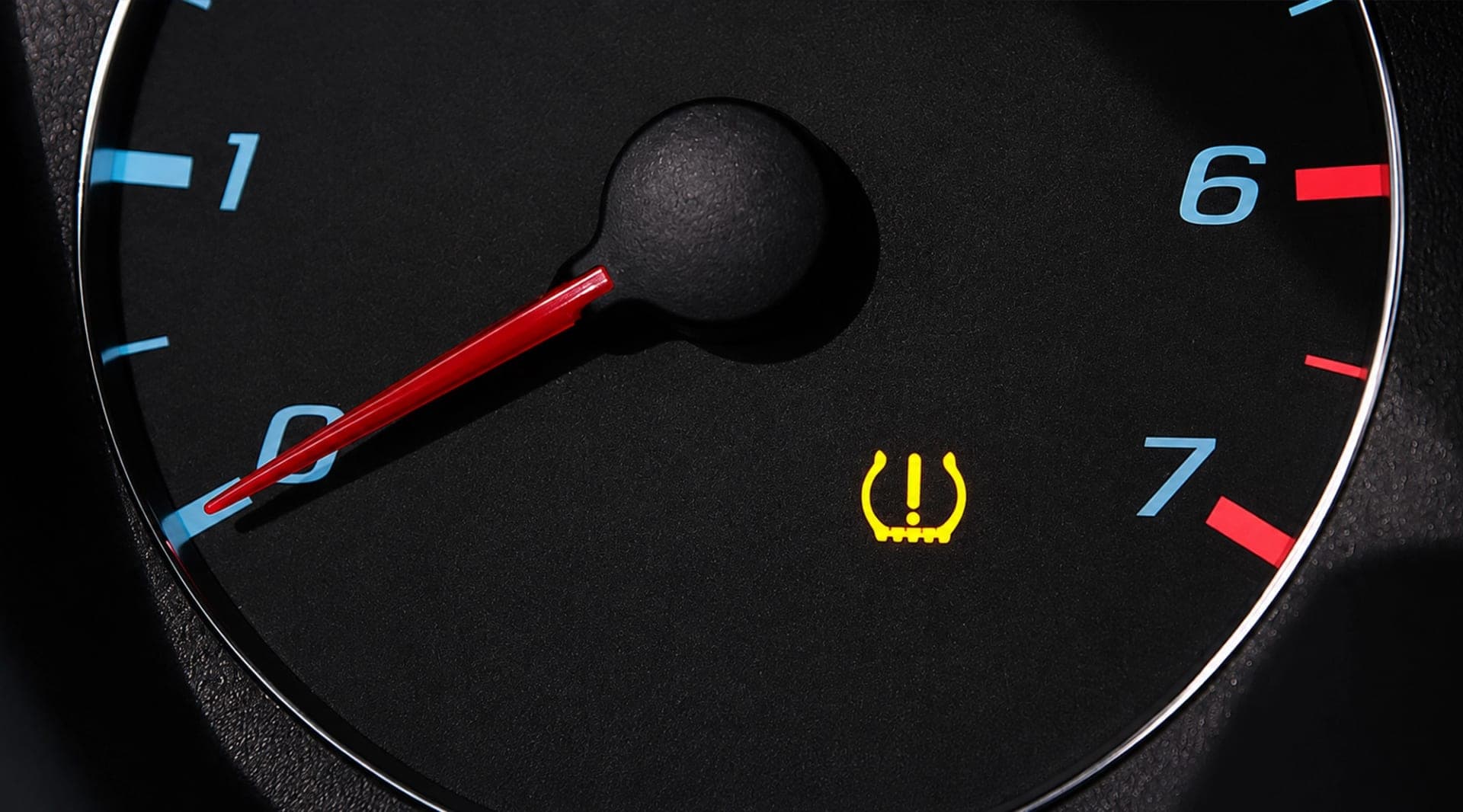
Every ampere an alternator produces is taken from the engine, and every ampere costs fuel. Regulated charging systems, fitted across the industry since manufacturers began chasing the last few grams of CO2, exploit a simple trick: hold the battery at roughly 80 percent instead of 100, and you leave room to absorb energy for free when the car is slowing down. Lift off or brake and the alternator is switched hard on, recovering energy that would otherwise become heat in the brake discs. Accelerate and the alternator is backed off, sometimes almost to nothing, and the car runs its lights and its heated seats off the battery instead. On a long motorway run the arithmetic works beautifully. On a nine-minute commute in October with headlights, heated rear screen, wipers, blower and a phone charging, the load can exceed what the alternator is willing to give back, so the battery finishes the trip slightly lower than it started. Do that five days a week and the shortfall compounds, because nothing in the strategy is trying to catch up. The uncomfortable part is that the car will never mention it. There is no state-of-charge gauge on the dashboard, no amber light for a battery sitting at 60 percent, and the charging warning lamp only illuminates when the alternator has actually failed, which is a completely different fault.
Cold does not kill a healthy battery, it exposes a half-charged one
The chemistry inside a lead-acid battery slows down as it cools. At 0 degrees a typical battery can deliver around 80 percent of its rated capacity, and by minus 18 it is down to roughly half. At the same time the engine gets harder to turn, because cold oil is thicker and the starter motor has to fight it. So the supply falls and the demand rises on the same morning, which is why the failure is so abrupt: everything worked yesterday. A battery that is genuinely full absorbs that squeeze without complaint. A battery that has been quietly living at 60 percent since June does not, and the driver concludes that the cold broke it. The cold did nothing of the sort. It simply asked for the reserve that the last four months of short trips had already spent. Autumn keeps catching people out in exactly this way, which is also the reason the first rain after a long dry spell is more slippery than a downpour. The dangerous day is rarely the extreme one. It is the first ordinary day after a long easy season.
In an electric car this failure is more likely, not less
This is the statistic that surprises people. In ADAC's 2024 figures the starter battery was behind 50.5 percent of electric car breakdowns against 44.6 percent for combustion cars, so the single most common way to strand an EV is a conventional 12-volt battery, not the traction pack. An electric car has no alternator; a DC-to-DC converter drips charge from the high-voltage pack into the 12-volt battery, but only while the car is awake, and an EV parked for three weeks spends most of that time asleep with a modem, an alarm and a body computer still drawing current. The consequence is also worse than in a petrol car. The 12-volt system is what closes the contactors that connect the traction battery to anything at all, so when it goes flat the car cannot power itself up using a pack that is 90 percent full. Doors may not unlock, the charge flap may not open, and the recovery truck is called to a vehicle carrying enough energy to run a house for two days. It is the familiar EV lesson that the small unglamorous system decides whether the big one is usable, in the same way that preconditioning rather than the charger decides how fast an EV takes a rapid charge.
Resting voltage is the one number that tells you the truth
A multimeter costs about ten euros and turns all of this from guesswork into a reading. Measure with the engine off and the car left untouched for at least four hours, ideally first thing in the morning, with the probes on the battery posts themselves rather than the clamps. On a conventional flooded battery, 12.7 to 12.8 volts is full, 12.4 is about 75 percent, 12.2 is about half, and anything under 12.0 is deeply discharged and already forming the hard sulphate crystals that permanently cost it capacity. An AGM battery, which is what almost every start-stop car uses, rests a shade higher, around 12.8 to 12.9 when full. The second, more revealing test is whether the battery holds a charge rather than merely accepts one. Put it on a smart charger overnight, then leave the car alone and measure again 48 hours later. A healthy battery is still at 12.6 or above. One that read 12.8 straight off the charger and 12.1 two days later is not undercharged, it is worn out, and no amount of driving will bring it back.
What to actually do
One reading this week and one habit each month is the whole of it, and it costs less than a single call-out.
Take a resting voltage reading now, in September, while the weather is still forgiving. Engine off for at least four hours, probes on the posts. Above 12.6 volts and you can stop reading. Below 12.4 and you have found the problem months before it would have found you.
Put the car on a smart charger overnight, once a month, from now until spring. A modern eight-stage charger costs about 50 euros, is designed to be left connected, and is the only thing that reliably undoes what short trips build up. This single habit is why fleet cars fail far less often than family second cars.
Replace three short trips with one longer one where the week allows it. Thirty continuous minutes at road speed puts back far more than three separate ten-minute runs, because each cold start takes a large bite out of the battery before the alternator has produced anything at all.
Match the type exactly when you replace it. A start-stop car needs AGM or EFB, never a plain flooded battery, and fitting the cheap one buys you about a year before it collapses. On most cars built in the last fifteen years the new battery also has to be registered with the energy management system, or the car keeps charging it on the worn-out one's profile.
Clean the terminals if you see white or blue crust. That powder is resistance, and resistance at the terminal looks exactly like a weak battery. Disconnect the negative first and reconnect it last, wire-brush both posts, and protect them afterwards with a proper terminal grease or with the water-displacing spray that WD-40 is genuinely designed for, which is one of the few jobs on a car where it is the right tin.
Hunt the parasitic draw if the car goes flat while standing rather than while driving. The usual suspects are a hardwired dashcam left in parking mode, an aftermarket tracker or alarm, a boot or glovebox light that never goes out, and a phone charger left in a permanently live socket.
If you drive an electric car, do not leave it parked for weeks at a very low state of charge. The converter cannot top up the 12-volt battery from a traction pack that has dropped into its own protection window, and that is the sequence that ends with a car which will not wake up at all. Find the 12-volt jump points in the manual now rather than in the dark.
Carry a lithium jump pack instead of cables. Cables require a second car, a stranger willing to stop and correct technique in the rain. A pack the size of a paperback starts your own car in the same 30 seconds. Never jump another vehicle from an electric car, though, because almost every maker forbids it and the converter is not built for that load.
Replace it on your terms if it is over five years old and still reads under 12.4 after a full overnight charge. A battery bought in a warm workshop in October costs perhaps 120 to 200 euros. The same battery bought at the roadside in January costs that plus the call-out, plus the morning.
Frequently asked questions
How long should a car battery last?
Four to six years is the realistic range in most of Europe, and the way it is used matters more than the badge on it. Counterintuitively, heat does the ageing and cold only does the exposing: a battery that spent three summers baking in an engine bay in southern Europe has lost capacity that will never come back, and the first frost is simply when the loss becomes visible. Age plus a resting voltage that will not climb back to 12.6 after a full charge is the pair of facts that should decide it, not a specific number of years.
Does a short drive recharge my battery?
Rarely enough to matter. Starting the engine costs a substantial slug of charge before the alternator has produced a single ampere, and on a regulated charging system the car may spend the first minutes deliberately not charging at all. Add lights, heating and wipers on a dark autumn morning and a ten-minute trip can genuinely end with less in the battery than it started with. The fix is not to drive more, it is to charge properly once a month.
Can I leave a charger connected all the time?
A modern smart charger, yes. It monitors voltage, stops when the battery is full and only tops up when it drops, which is exactly what a car left standing needs. An old unregulated trickle charger, no. Those push current regardless of what the battery is doing, and left on for weeks they boil off the electrolyte and cook the plates. Check the charger has an AGM setting before you use it on a start-stop car.
My electric car has a huge battery, so how can it go flat?
Because it has two batteries and only one of them is big. The traction pack moves the car; a conventional 12-volt battery runs the locks, the computers and the contactors that let the traction pack do anything. When the small one goes flat the large one is simply unreachable. This is why the starter battery is the leading cause of electric car breakdowns despite EVs having no starter motor to speak of, and why the 12-volt battery deserves the same attention on an EV as on anything else.
Do I have to tell the car about a new battery?
On most cars built in the last fifteen years, yes. The energy management system tracks the battery's age and estimated condition and adjusts its charging accordingly, so a brand new battery inherits the charging profile of the tired one it replaced and is treated as worn from day one. Registration takes a garage a couple of minutes with a diagnostic tool. If you are fitting the battery yourself, budget for that step rather than discovering it two winters later.