Jaguar Land Rover's 4,000 job cuts set break-even at 300,000 cars
Three nameplates now carry 80.8% of everything JLR sells
Range Rover, Range Rover Sport and Defender accounted for 80.8% of JLR's wholesale volumes in the quarter to 30 June, up from 77.2% a year earlier, while total wholesales fell 9.2%. The company now cutting thousands of jobs is not a broad carmaker having a bad year. It is three profitable nameplates, a second brand that currently builds almost nothing, and a cost base sized for something larger.
JLR opened the redundancy scheme on 5 September without naming a number
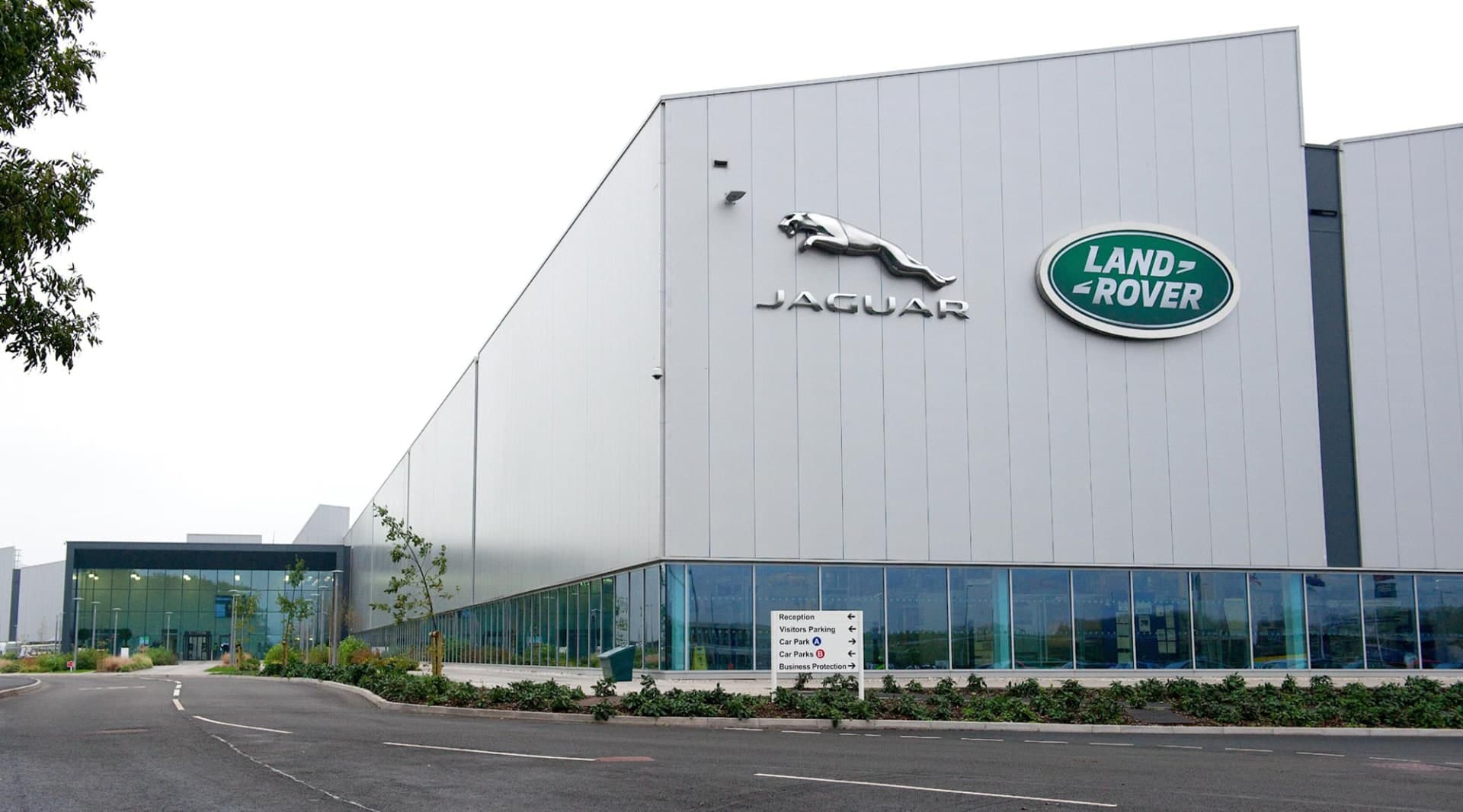
JLR told staff and its union partners on 5 September that it is opening a voluntary redundancy programme aimed at salaried and management roles. Its own statement carried no figure at all. The Times reported up to 4,000 posts over two years, roughly 12% of a UK workforce of about 34,000, and the Financial Times put the same ceiling on it. The savings target is 1.7 billion pounds across two years.
The 300,000-car break-even is almost exactly what JLR built last year
JLR wants its break-even point down to 300,000 vehicles a year. Its wholesale volume for the financial year to March 2026 was 307,900 units, a fall of 23.2%, in the twelve months a cyber attack stopped production at Solihull, Wolverhampton and Halewood for five weeks. Setting break-even there is not a cushion against a bad year. It is a decision to run permanently at the output of the worst one.
Profit before tax fell 68.9% to 109 million pounds in the June quarter
The quarter ending 30 June 2026 supplies the arithmetic behind the cuts. Revenue was 6.0 billion pounds, down 9.6%. Profit before tax fell 68.9% to 109 million pounds, and the adjusted EBIT margin slipped from 4.0% to 2.8%. Free cash flow was negative to the tune of 998 million pounds. A company losing close to a billion pounds of cash in three months cannot wait for its next four launches to arrive, and unlike Volkswagen it has no decade-long framework to spread the pain across.
JLR blames its own Jaguar wind-down for part of the volume drop
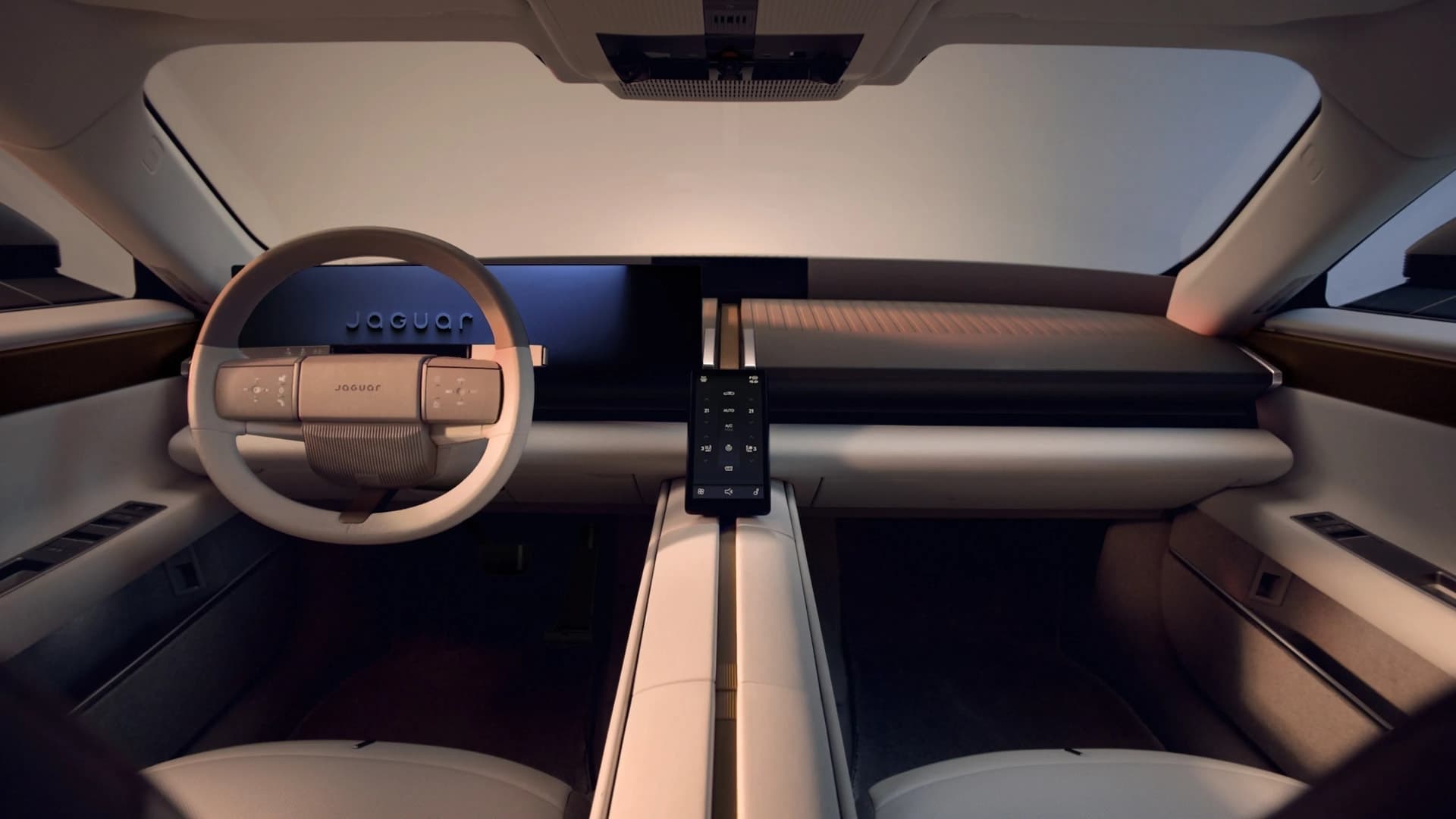
In its own results statement, JLR listed the planned wind-down of outgoing Jaguar models among the causes of the volume fall, alongside a fire at a major component supplier. Jaguar has been retiring its old range since 2024 and the Type 01 that replaces it has not arrived, so half the company's name has been an expense line rather than a revenue one. We saw the production interior in August, and it is still the only part of the car anyone outside Gaydon has been shown properly.
Britain guaranteed 1.5 billion pounds last year and now rules out a bailout
UK Export Finance guaranteed a 1.5 billion pound commercial loan for JLR in September 2025 to steady a supply chain that the Cyber Monitoring Centre assessed as the costliest cyber event in British history at 1.9 billion pounds. Business secretary Jonathan Reynolds spoke to chief executive PB Balaji on 6 September and ruled out any bailout this time. The US tariff on British-built cars has already come down from 27.5% to 10%, and JLR has separately warned Brussels that Europe's own industrial protection risks trapping carmakers rather than shielding them. There is no third rescue queued up behind either.
AutoNext Take
The number worth watching is not 4,000. It is 80.8%. JLR's profit comes from three nameplates, and their share is climbing while total volume falls, which is what a company looks like when it is shrinking towards its best products rather than away from them. Cutting salaried roles lowers the cost of that shape. It does not change the shape, and a 300,000-car break-even quietly accepts that it will not change soon.
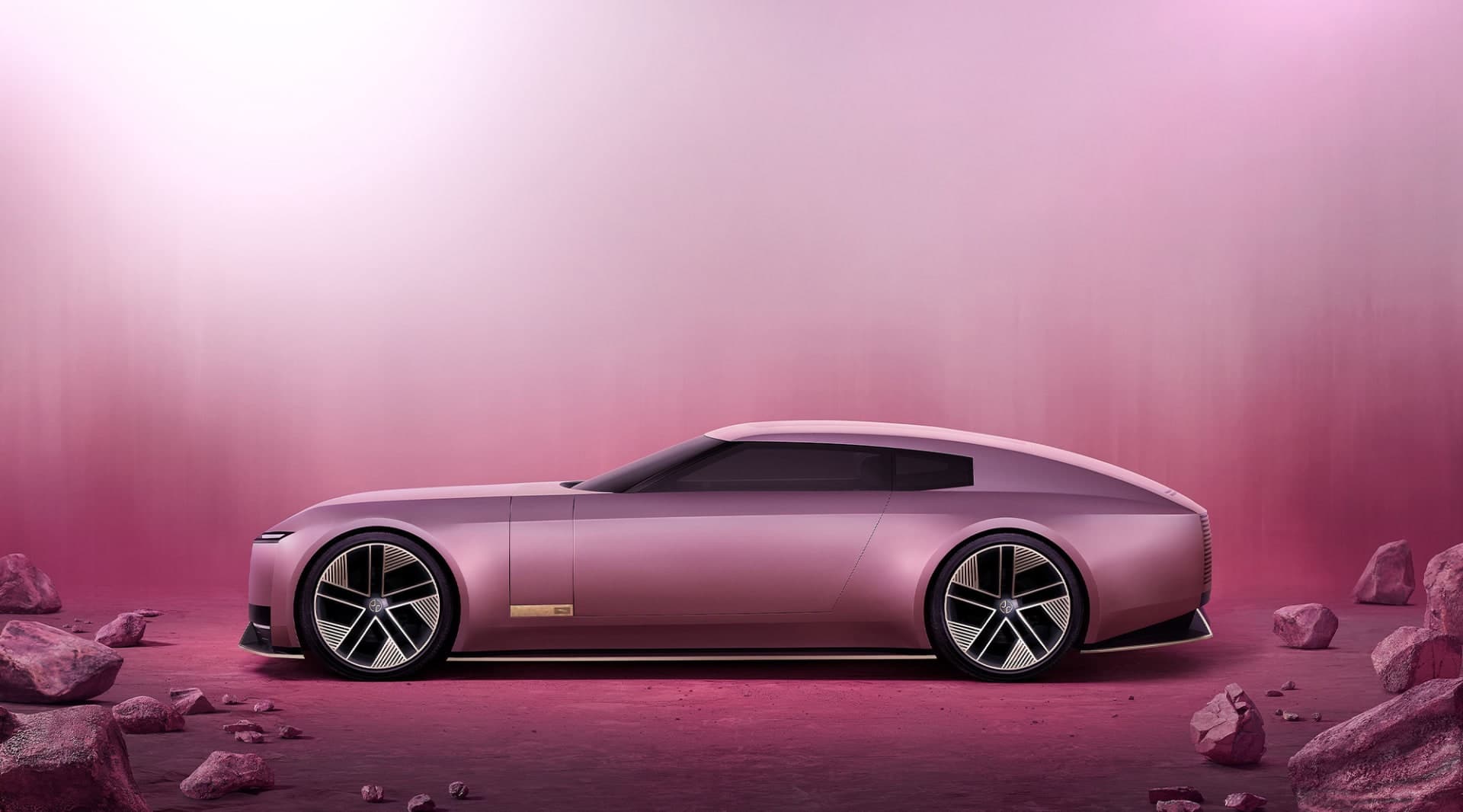
Type 01 is the test, and it is a clean one. If Jaguar's electric GT is selling in real numbers through 2027 and the premium three fall back below 77.2%, then the 300,000 figure was prudence and JLR bought itself the room to relaunch a brand. If that share is still above 80% by then, JLR will have spent two years and 4,000 jobs to become a Range Rover company carrying a Jaguar badge it no longer builds, and Britain's largest carmaker will have made itself permanently smaller than the market it walked away from.