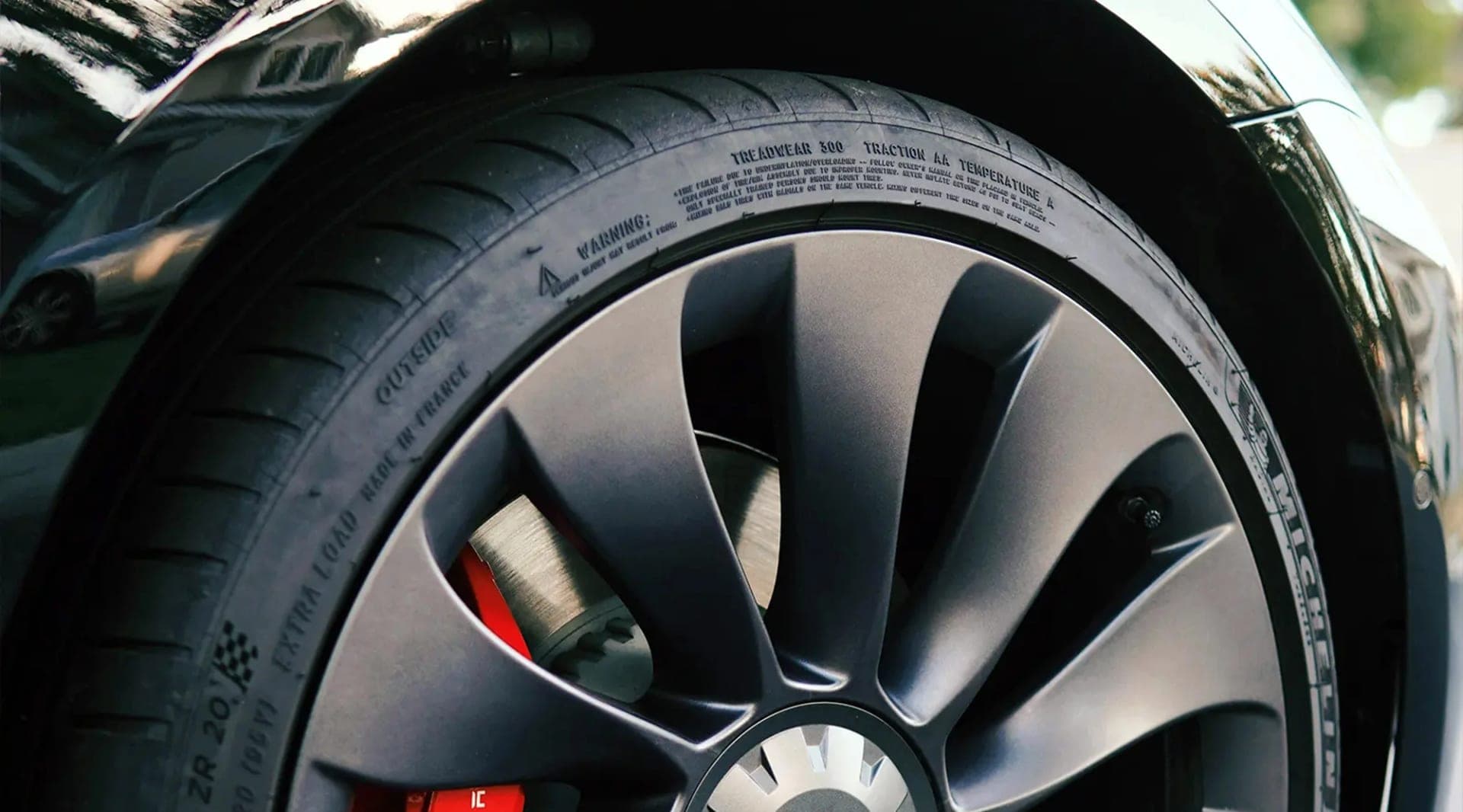
Do electric cars really wear out tyres faster?
This time the worry is real, but it is manageable
Yes, electric cars do wear their tyres faster than a comparable petrol car, by around 20 percent on average. It is not a myth this time. Two things drive it: an EV is heavier, often 300 to 600 kilograms more because of the battery, and its motor delivers full torque the instant you press the pedal, which tempts the tyres to slip. The good news is that almost all of it is manageable. EV-specific tyres claw back most of that 20 percent, and a smooth right foot does the rest. You will replace tyres a little more often on an EV, but you are not condemned to it.
Why the extra wear is real: weight and torque
Start with weight. A typical petrol family car weighs somewhere around 1,400 kilograms; the equivalent electric car is closer to 2,000, because a battery big enough to give useful range is heavy. That extra mass does not just matter when you accelerate. It presses the tread harder into the road even at a steady cruise, it asks more of the tyres every time you brake, and it loads them more through every corner. Tyre-testing firm Emissions Analytics puts a number on it: for roughly every 450 kilograms of extra weight, tyre wear rises by about 20 percent.
Then there is the torque. An electric motor gives you all of its pulling power from a standstill, with none of the build-up an engine needs. That makes an EV feel effortless, but it also means a slightly heavy foot at the lights can have the tyres scrabbling for grip before the traction control tidies it up. Do that often and the tread pays for it.
EV-specific tyres claw back most of it
The tyre makers saw this coming, and Michelin, Continental, Pirelli and the rest now sell tyres designed for the weight and torque of an electric car. They use stronger sidewalls and a higher load rating to carry the extra mass, a low-rolling-resistance compound to protect your range, and often a layer of foam inside to quiet the road roar that is far more noticeable once there is no engine to mask it. The manufacturers claim these tyres have all but erased the 20 percent wear penalty, and fitted as intended they should last about as long as a good tyre on a petrol car.
The flip side is that fitting cheaper standard tyres to save money usually backfires. A regular tyre on an EV tends to wear faster, robs you of range, and lets in more noise, so the apparent saving evaporates over the life of the tyre. If the car came on EV-rated rubber, it is worth staying on it.
What you can actually do about it
The single biggest lever is your driving style, not the tyre you buy. Because an EV rewards a gentle input so smoothly, it is easy to lean on it, but easing away from stops, braking early and softly, and carrying less speed into corners all translate directly into tread that lasts longer. Beyond that, a few habits matter more on a heavy car than they ever did on a light one:
Keep your pressures right. A heavy car punishes under-inflation quickly, wearing the edges and raising consumption, so check them regularly and set them for the load you carry.
Rotate the tyres on schedule. Swapping front to rear evens out the wear and can add noticeably to their life.
Stay on the correct specification. Match the load index and, where the car specifies it, the EV rating, rather than dropping to a cheaper standard tyre.
The bit nobody mentions: tyre particulates
There is one genuine downside that gets far less attention than it should. A heavier car that wears its tyres faster also sheds more of them into the air and onto the road as fine particles. As tailpipes disappear, tyres and brakes become a larger share of what a car actually emits, and the extra weight of an EV works against it here. It does not undo the wider benefit of going electric, but it is an honest reason to care about tyre wear beyond the cost of replacements, and another argument for driving smoothly and protecting your tyres from avoidable damage. If you are shopping for an electric car, you can browse the latest electric listings on AutoNext.
Frequently asked questions
Do electric cars really wear tyres faster?
Yes, by around 20 percent on average compared with a similar petrol car. The two causes are the extra weight of the battery and the instant torque of the electric motor. EV-specific tyres and a smooth driving style bring most of that gap back.
How much heavier is an EV, and why does it matter?
Often 300 to 600 kilograms more than a comparable petrol car, because the battery is heavy. It matters because weight is the main driver of tyre wear: roughly every 450 kilograms of extra mass adds about 20 percent to how fast the tyres wear.
Are EV-specific tyres worth the money?
Generally yes. They carry the extra weight, protect your range with low rolling resistance, and are quieter, and the makers say they largely erase the extra wear. Fitting cheaper standard tyres tends to cost you range, noise and durability, so it is usually a false economy.
Can I fit normal tyres to an electric car?
Only if they meet the load rating and any EV specification the car requires. Even then, a standard tyre usually wears faster on an EV and hurts range and refinement, so it rarely saves money over the life of the tyre.
How do I make my EV tyres last longer?
Drive smoothly, above all easing away from stops and braking gently, keep the pressures correct for the load, and rotate the tyres on schedule. Driving style is the single biggest thing within your control.
