Hyundai redesigned its bestselling SUV, and it is bringing the buttons back
The bestselling Hyundai just did the one thing drivers keep asking for
Hyundai has given its best-selling car in the world a complete makeover, and buried in the reveal is a detail that will cheer a lot of frustrated drivers. Yes, the all-new Tucson looks dramatically different, all sharp angles and rugged confidence. But the headline for many will be simpler than that: the physical buttons are back.
A completely new look
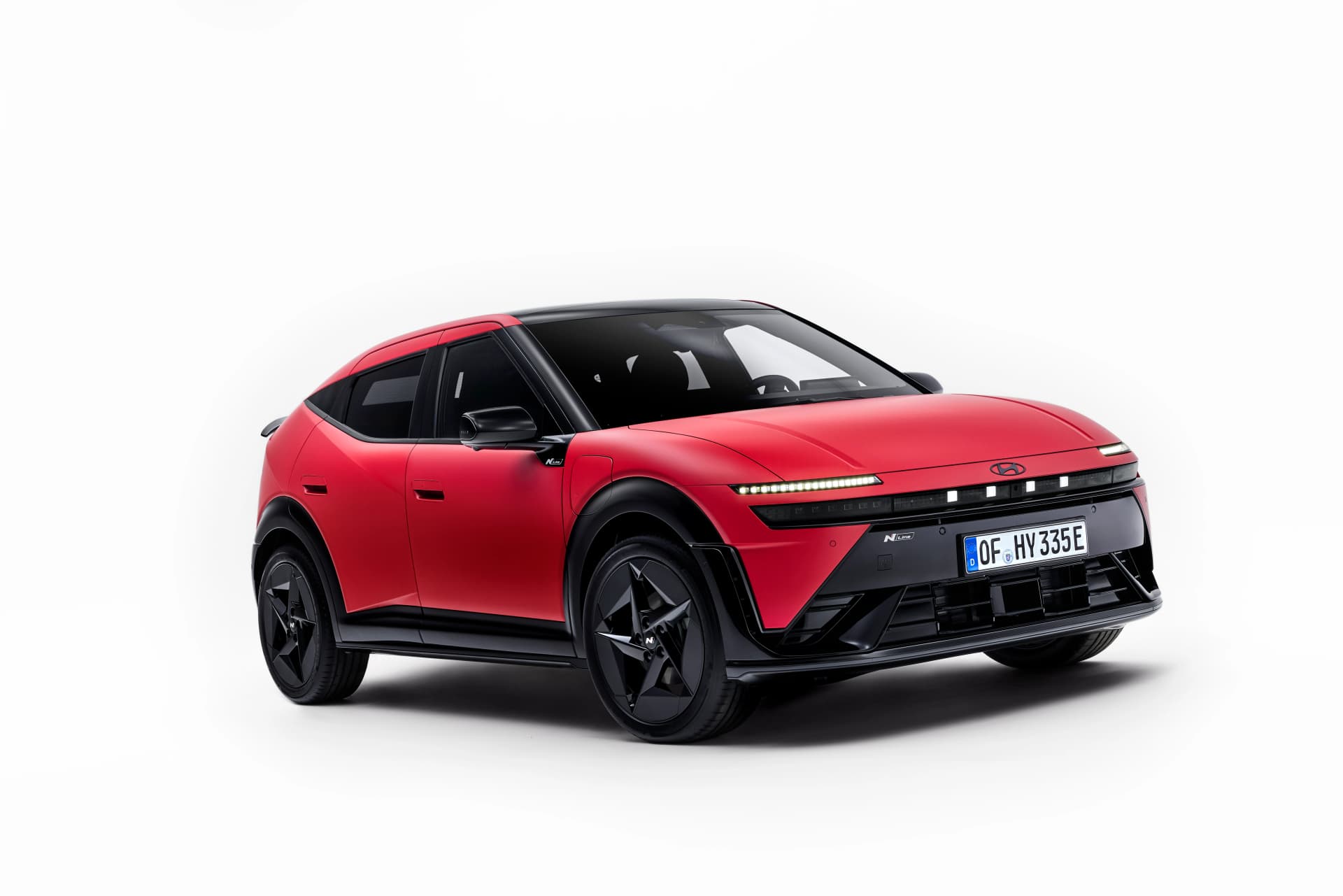
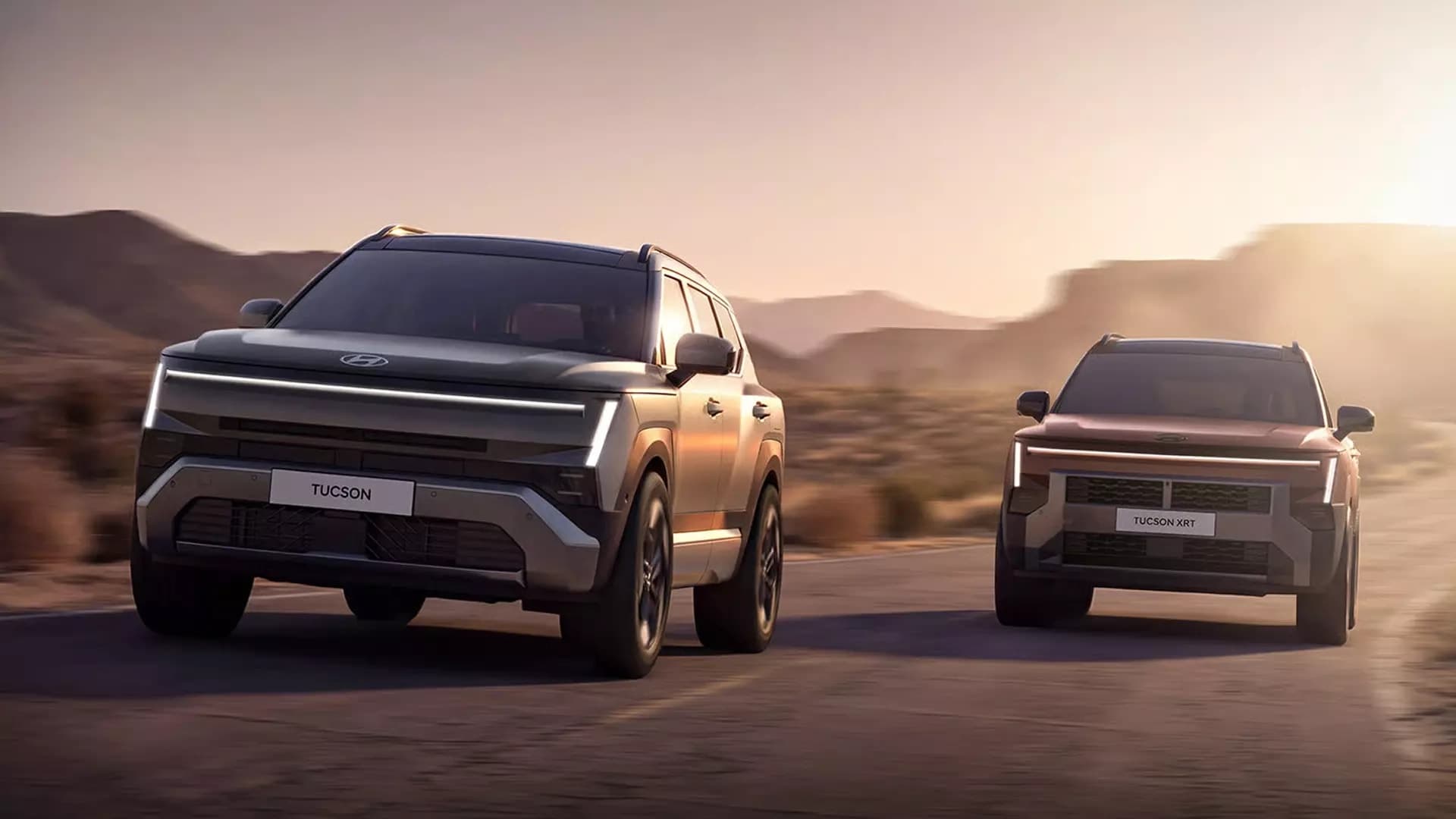
This is a full new generation, not a facelift, and the change of direction is striking. Where the current Tucson is all swoops and creases, the new car goes boxy and upright, with a straighter front end and much bolder wheel arches that give it a tougher, more purposeful stance. The look clearly borrows from Hyundai's larger Santa Fe, part of a design language meant to give the brand's SUVs more distinct character. It made its global debut in South Korea, with European sales expected in early 2027.
Buttons, not just screens
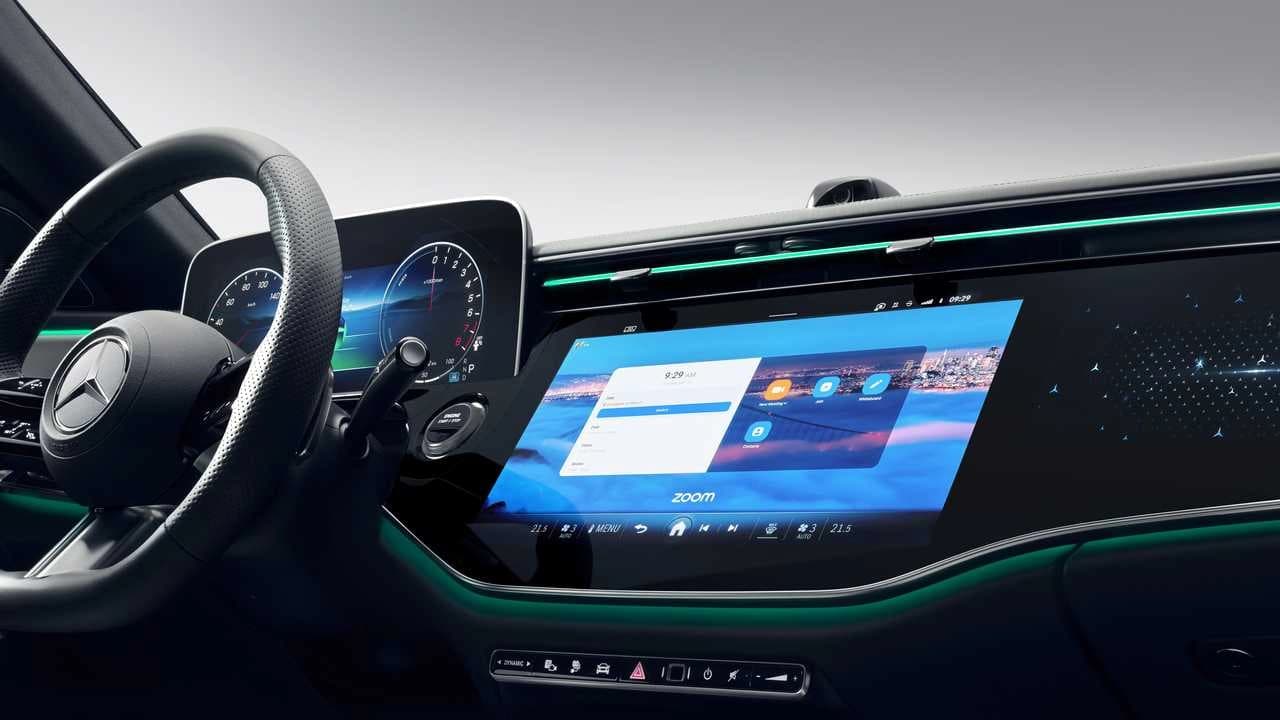
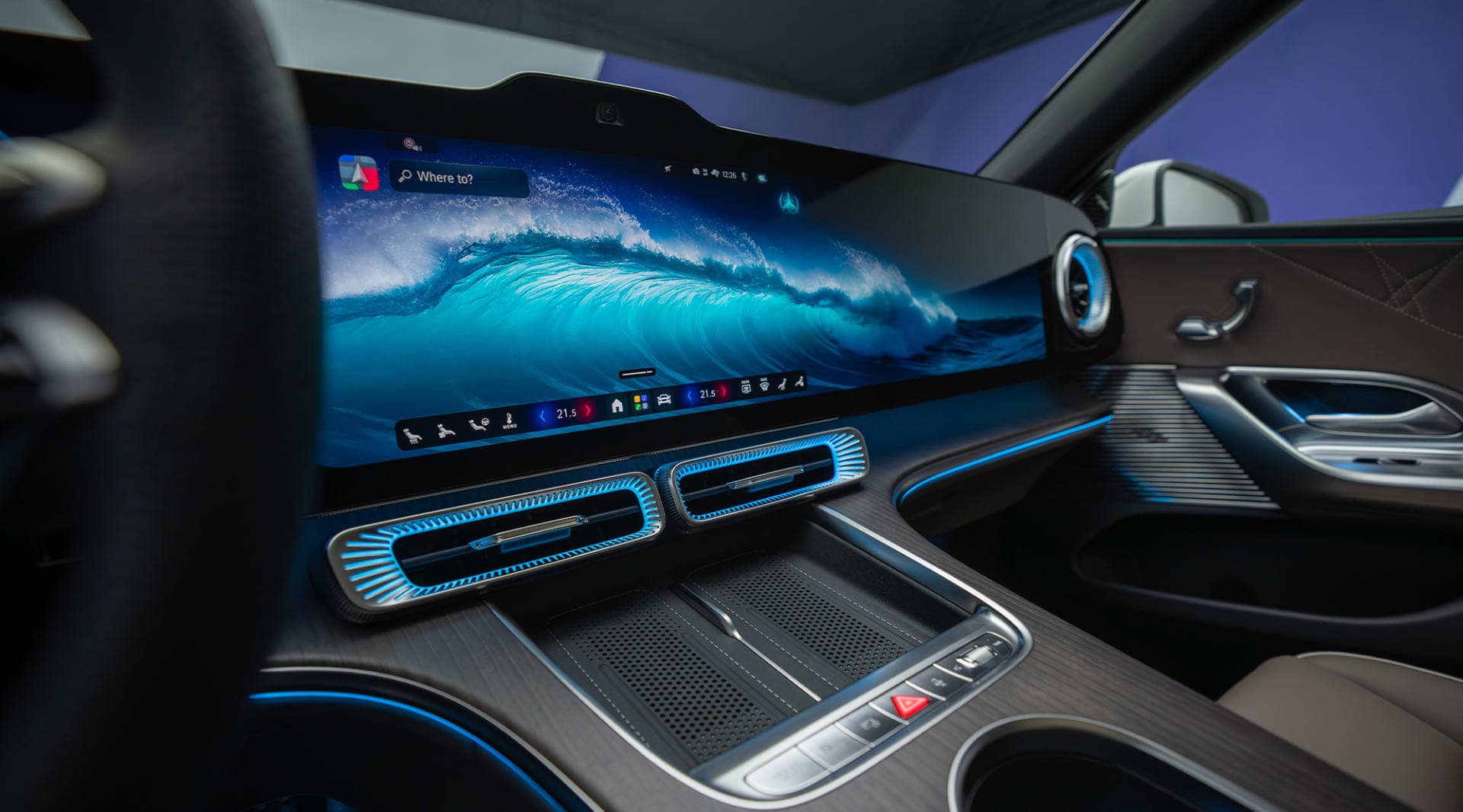
Inside, Hyundai has walked the line that so many rivals get wrong. There is a large central touchscreen, as expected, but the key functions you reach for while driving stay on real physical buttons instead of being buried in menus. It is a deliberate rejection of the screen-only cabin, and it matters, because the Tucson is a mainstream family car whose owners just want to change the temperature without taking their eyes off the road. On a bestseller, that choice will influence how the rest of the industry thinks.
What powers it
Hyundai has confirmed the new Tucson will offer hybrid and plug-in hybrid versions, with petrol options also expected, though full engine and power details will come closer to the European launch. Notably, no fully electric Tucson has been mentioned, which fits Hyundai's strategy of keeping its dedicated EVs, like the IONIQ family, separate from its combustion and hybrid models. Precise specifications, dimensions and prices remain to be confirmed.
AutoNext Take
The design will divide opinion, and that is no bad thing. The old Tucson was handsome but a little anonymous, and going boldly boxy at least gives it presence in a crowded car park. The braver, smarter move, though, is the interior. For years carmakers stripped out switches to look modern and save money, and drivers quietly hated it. Hyundai putting real buttons back into its most popular model is a clear signal that the touchscreen-everything era has peaked, and that usability is finally being treated as a feature rather than an afterthought.
It also makes hard commercial sense. This is a car that sold around 600,000 units globally in 2024, so Hyundai cannot afford to get it wrong, and the safest way to protect that success is to give buyers what they actually want rather than what looks slickest in a press photo. A distinctive design that stands out, plus controls that work without a learning curve, is a genuinely strong recipe. If the powertrains and pricing land as well as the concept does, the new Tucson should comfortably stay near the top of Europe's sales charts.