Rolls-Royce opens the Nightingale's boot 15,000 times before delivery
Rolls-Royce's 100-car Nightingale faces 350 weeks of testing while Spectre sales halve
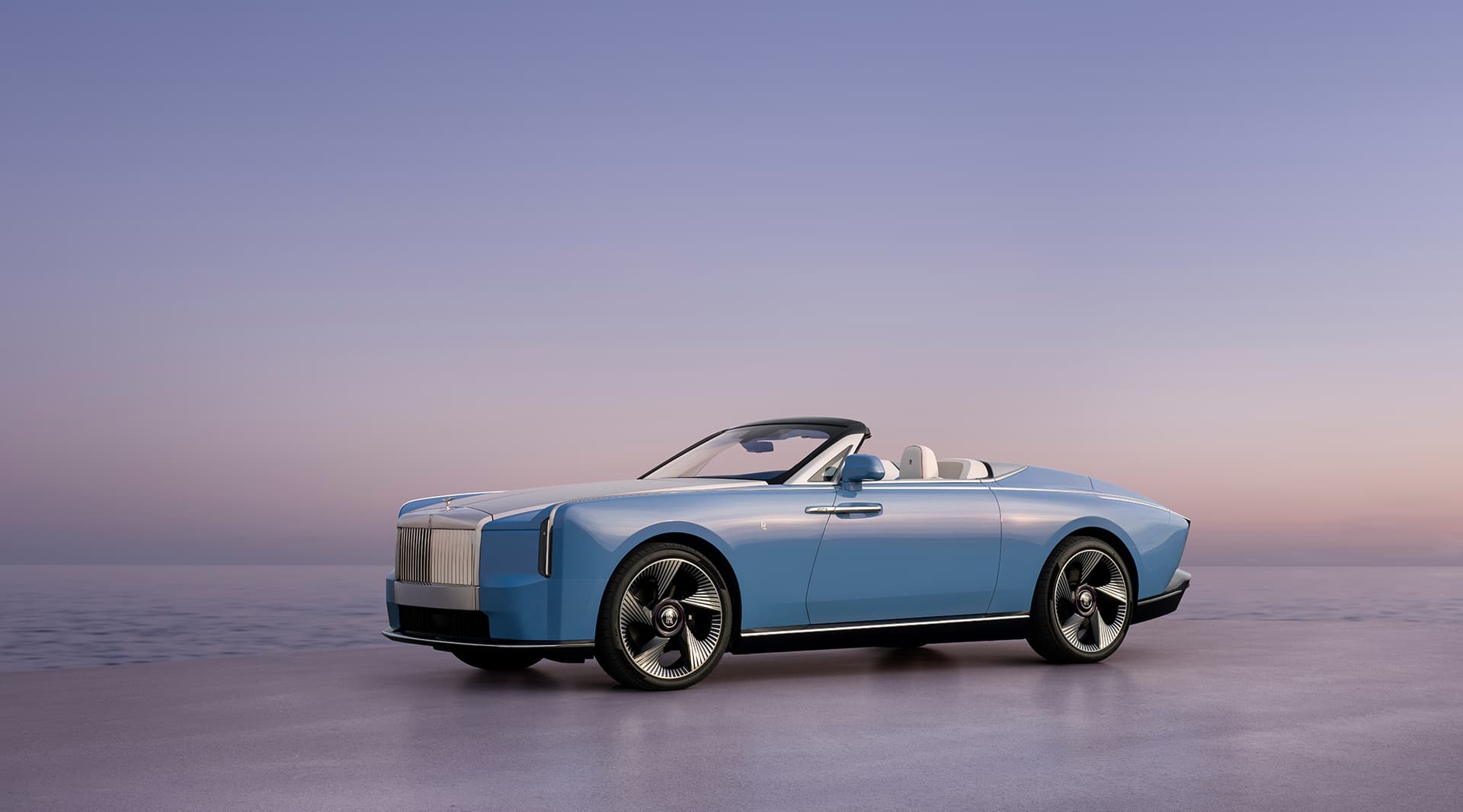
Rolls-Royce has moved Project Nightingale, its 100-car electric two-seater, from the design studio to the road. The prototypes will spend 350 collective weeks between southern France, the Arctic Circle and the Arabian Peninsula before the first client car is delivered in 2028. The announcement lists every test and not one output figure, and it comes from a brand whose only electric model sold 47 percent fewer cars last year.
The Piano Boot gets 15,000 cycles and the roof faces ten tests at 80°C
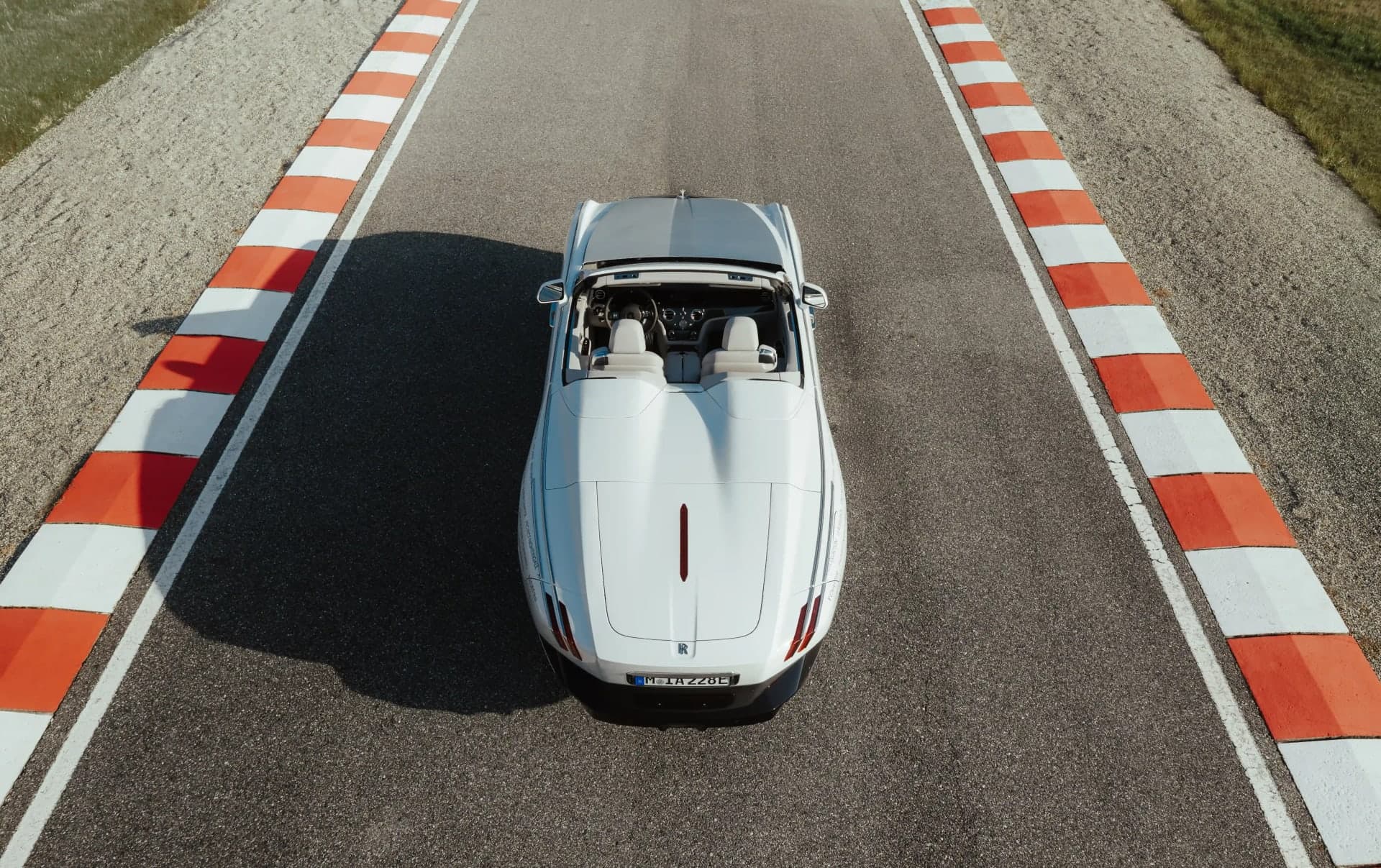
The Piano Boot, a split lid that swings sideways on a cantilever like the lid of a grand piano, will be opened and closed up to 15,000 times before Rolls-Royce signs it off. The roof, lined with cashmere, fabric and composites to keep noise out, goes through ten separate tests of its fabric, its closing mechanism and its operation at temperatures up to 80°C. An electrically operated wind deflector developed only for this car is run at different speeds and in cold air to stop high-pressure flow spilling back into the two-seat cabin with the hood down. Rolls-Royce's own figure for the average Spectre owner is 6,500 km a year, so 15,000 openings is more use than the lid is likely to see in the car's lifetime.
350 weeks from Le Rossignol to the Arctic Circle and 2,750 m
Testing starts in southern France, where Henry Royce spent his winters and built Le Rossignol, the house for his designers that gave the project its name, and where his engineers ran cars between Monte Carlo and London and at the Châteauroux test site a century ago. From there the prototypes go to the Arctic Circle, to the Arabian Peninsula and up to 2,750 m of altitude. The 350 weeks are collective engineering weeks spread across cars and teams, and they follow almost three years of development and 1,430 hours of aerodynamic work in simulation and the wind tunnel on static prototypes. Rolls-Royce says the route mirrors where clients told it they intend to drive, which means the 100 buyers have already been consulted.
250 km/h is the Spectre's limiter, and Rolls-Royce builds one electric drivetrain
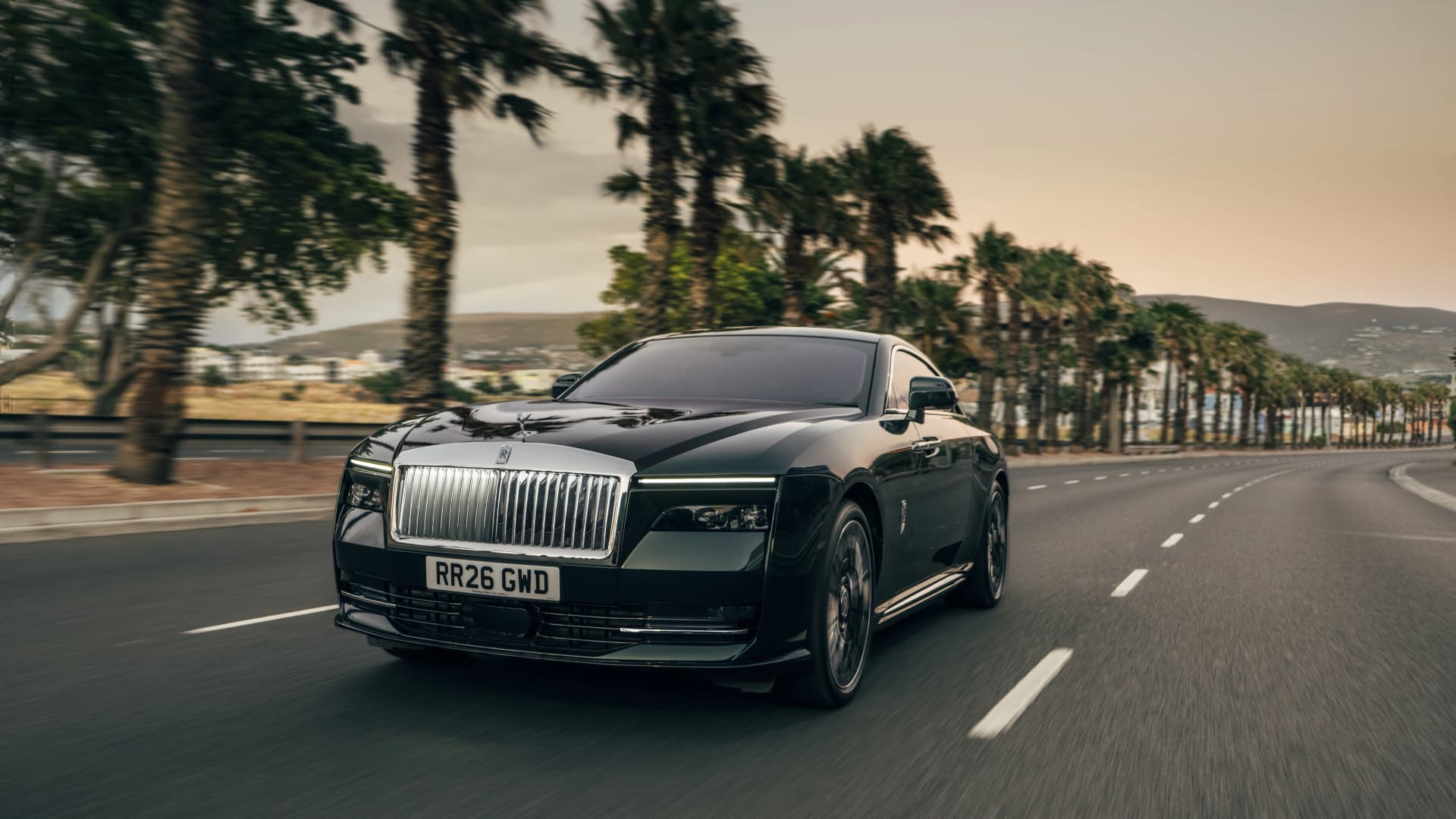
The high-speed phase takes the Nightingale to 250 km/h at a private facility, with engineers chasing wind noise rather than acceleration. That is exactly the limited top speed of the Spectre, the only electric drivetrain Rolls-Royce builds, which in Series II form makes 601 hp and 1,015 Nm and is rated at 628 km WLTP. Rolls-Royce has still not published a power, battery or range figure for the Nightingale, five months after the reveal. What it has published is the shape: 5,760 mm long, 2 mm shorter than a standard Phantom, on 24-inch wheels, with seats for two.
Spectre sold 1,002 cars in 2025, down 47 percent, and the 2030 pledge went in March
Rolls-Royce delivered 5,664 cars in 2025, 0.8 percent fewer than in 2024. The Cullinan took 3,291 of them, up 27.1 percent, while the Spectre fell 47 percent to 1,002, barely ahead of the Ghost on 993. In March, chief executive Chris Brownridge withdrew the brand's promise to sell only electric cars from 2030, saying the legislation had changed and that for every client who loves an electric car there is one who does not. When the Spectre was announced, Rolls-Royce expected it to be 70 percent of sales by 2028. That is the year the first Nightingale is delivered, and the Spectre finished 2025 at under 18 percent.
100 cars makes the Coachbuild Collection 25 times the size of Droptail
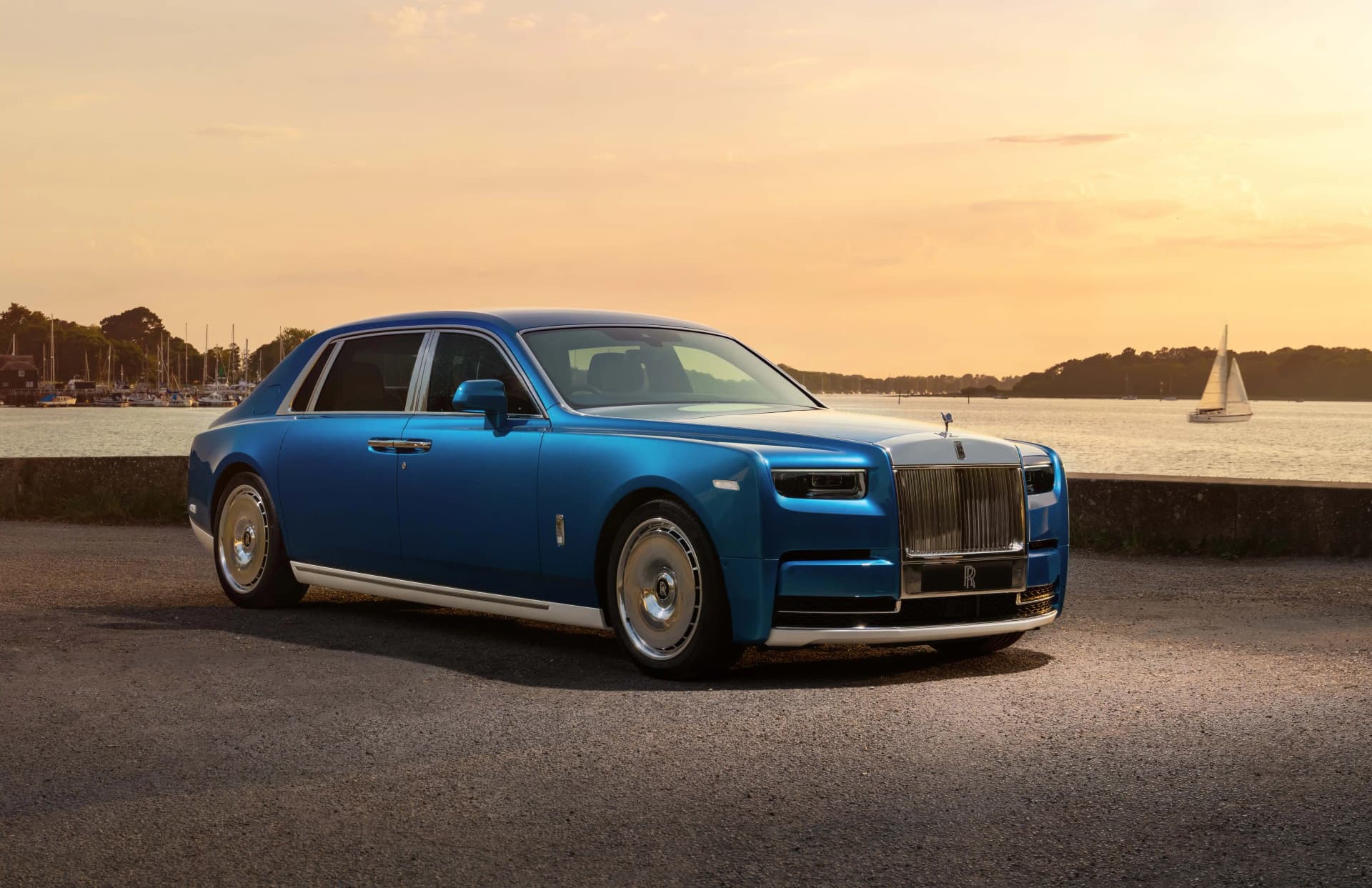
Until now, coachbuilding at Rolls-Royce meant a handful of cars: one Sweptail in 2017, three Boat Tails from 2021 and four Droptails from 2023, each priced privately. The Nightingale is the first entry in a Coachbuild Collection, and its 100 build slots make it a series rather than a commission, hand-built at Goodwood and offered by invitation. Rolls-Royce gives no price, as it gave none for the one-off Phantom Hummingbird this month, and it has not said how many of the 100 slots are allocated. The programme revealed in April includes a multi-year commissioning journey for buyers, so the 350 test weeks and the client meetings run in parallel until 2028.
AutoNext Take
Rolls-Royce is testing an electric car harder than it is selling one. The 15,000 boot cycles and the Arctic winters are real engineering, but they are also the brand's answer to a Spectre that lost nearly half its volume in a year: move the electric drivetrain out of the showroom and into a 100-car collection, where the buyer chooses the car for its shape and its scarcity and the powertrain comes with it. In that market a 47 percent drop cannot happen, because there is no previous year to fall from.
Neither number that decides this is a boot cycle. The Spectre has to stop falling when Rolls-Royce reports its 2026 deliveries early next year, and Goodwood has to say how many of the 100 Nightingale slots are taken before the prototypes reach the Arctic this winter. If the first keeps sliding and the second stays private, the Nightingale will be the electric Rolls-Royce that sold as sculpture, exactly as its coachbuilt predecessors did with a V12.