Goldman Sachs and Morgan Stanley say Europe's diesel shortage is now a real threat
European diesel stockpiles are on course for their lowest level since 2015, according to separate warnings from Goldman Sachs and Morgan Stanley. A leaked Iranian plan to restrict shipping through the Strait of Hormuz has only sharpened the risk
Goldman Sachs and Morgan Stanley have independently flagged diesel, not crude oil, as the most serious fuel supply problem in the oil market right now, with European reserves heading toward their tightest point in over a decade by the end of the year. That warning landed just as a draft Iranian plan, reported by state outlet Fars and reviewed by Iran's parliament, proposed banning vessels linked to the United States, Israel and other “hostile countries” from transiting the Strait of Hormuz, the waterway that normally carries about a fifth of the world's daily oil shipments.
Iran's leaked plan would ban Western ships and charge everyone else
The draft framework would require countries Iran deems hostile to pay compensation before any vessel is granted passage, impose a fee of up to 7 percent of cargo value on ordinary commercial ships transiting the strait, and fine violators as much as 20 percent of their cargo's value. Tehran has also tied a full reopening of the strait to the lifting of the current US maritime blockade of Iran. Washington rejected the terms almost immediately: a US official told CNBC that any temporary routes would operate “without any impediments, meaning no approvals or permissions and no tolls or charges,” adding that “the Strait of Hormuz is an international waterway and no party controls the lanes or the ability to transit through them.”
Oil prices show how seriously traders are taking it
Crude had fallen roughly 8 percent over the preceding week after US Treasury Secretary Scott Bessent suggested a deal to reopen Hormuz with freedom of movement could arrive within days. Iran's draft plan erased that decline in a single session: Brent crude rose 3.8 percent to close at $82.49 a barrel, and US benchmark WTI gained about 2.8 percent to settle at $77.29.
Diesel, not crude, is where the real damage is happening
Goldman Sachs has described diesel as sitting “at the epicentre” of the current fuel supply crunch, separate from the headline crude price. Global refining throughput was down 6.5 million barrels a day in July compared with July 2025, and global diesel exports fell by roughly 35 percent, or 2.6 million barrels a day, this month alone, the lowest level of global refining activity for this point in the year since the 2020 pandemic. War-related refinery outages in the Middle East and Russia and reduced Chinese refining runs are the main drivers, with higher output from the Americas and Africa offsetting only about a third of the lost supply.
Europe's diesel reserves are heading for a decade low
Morgan Stanley expects European diesel stockpiles to fall to around 299 million barrels by November, the lowest level for that time of year since at least 2015. The bank describes the market as “genuinely tight,” with diesel crack spreads in Northwest Europe at record highs. Its analysts note the scarcity is already fully reflected in current prices, so further gains would require fresh supply disruptions rather than confirming what markets already expect.
The bottleneck is refining capacity, not crude supply
Refining margins for diesel in Northwest Europe have hit record levels alongside crude costs, and the underlying constraint is processing capacity rather than the availability of crude oil itself. Ukrainian strikes on Russian refineries and Russia's own diesel export ban have removed volumes Europe previously relied on, while European buyers now source diesel from longer, less flexible supply chains running through the Middle East, India and the United States instead.
What this means at the pump for European drivers
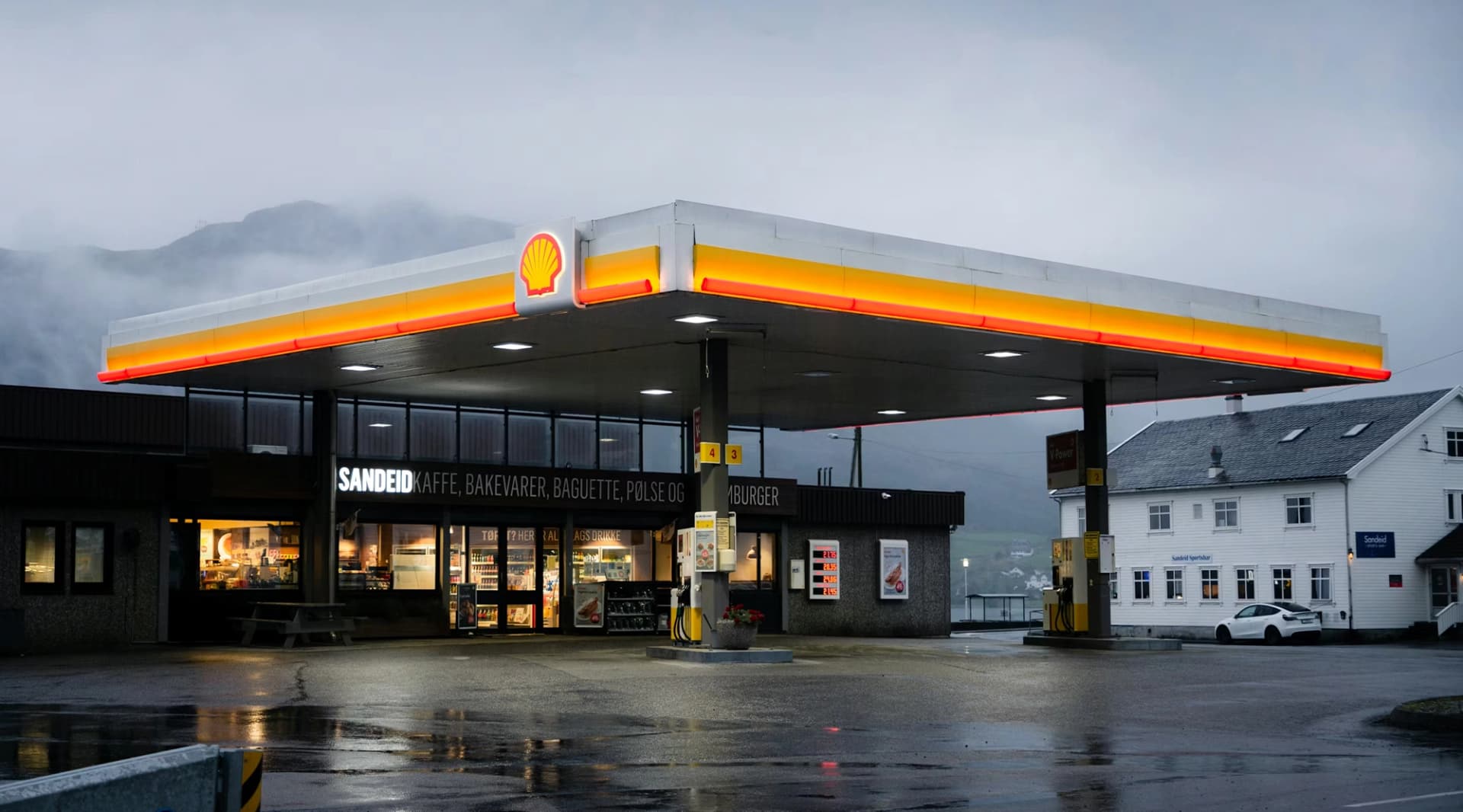
Belgian pump prices already reflect the pressure: diesel B7 stood at €2.145 a litre in late July, ahead of both grades of petrol sold in the country, and diesel had already overtaken petrol Golfs on cost per 100 km once prices crossed €2.49 earlier this year. Diesel scarcity does not stop at passenger cars. Trucks, agricultural machinery, construction equipment and shipping all run on the same fuel, so tighter diesel supply tends to show up later as higher transport, food and construction costs more broadly. Belgium and the Netherlands have so far resisted lowering fuel excise duties despite that pressure, unlike several other EU countries that have already cut fuel taxes this year.
AutoNext Take
Treat Iran's leaked document with real caution: draft plans reviewed by parliaments get rejected, watered down or reversed within a diplomatic process that is still actively moving, and Washington's blunt rejection suggests this specific version is unlikely to stand as written. Bessent's own comments about an imminent deal, made days earlier, are the clearest sign that this is a live negotiation, not a settled outcome.
What does not depend on how the Hormuz standoff resolves is the refining bottleneck underneath it. Goldman Sachs and Morgan Stanley are both describing a structural shortage of processing capacity, not just a crude supply scare, and that problem persists whether or not Iran's plan survives contact with reality. For anyone running a diesel car in Europe, that is the part of this story worth actually watching, because a resolved Hormuz crisis would remove one pressure on prices, not the only one.