A factory reset clears your contacts and leaves you in control of a car you no longer own
A car can be wiped completely clean and still belong to you in the one place that decides who is allowed to unlock it.
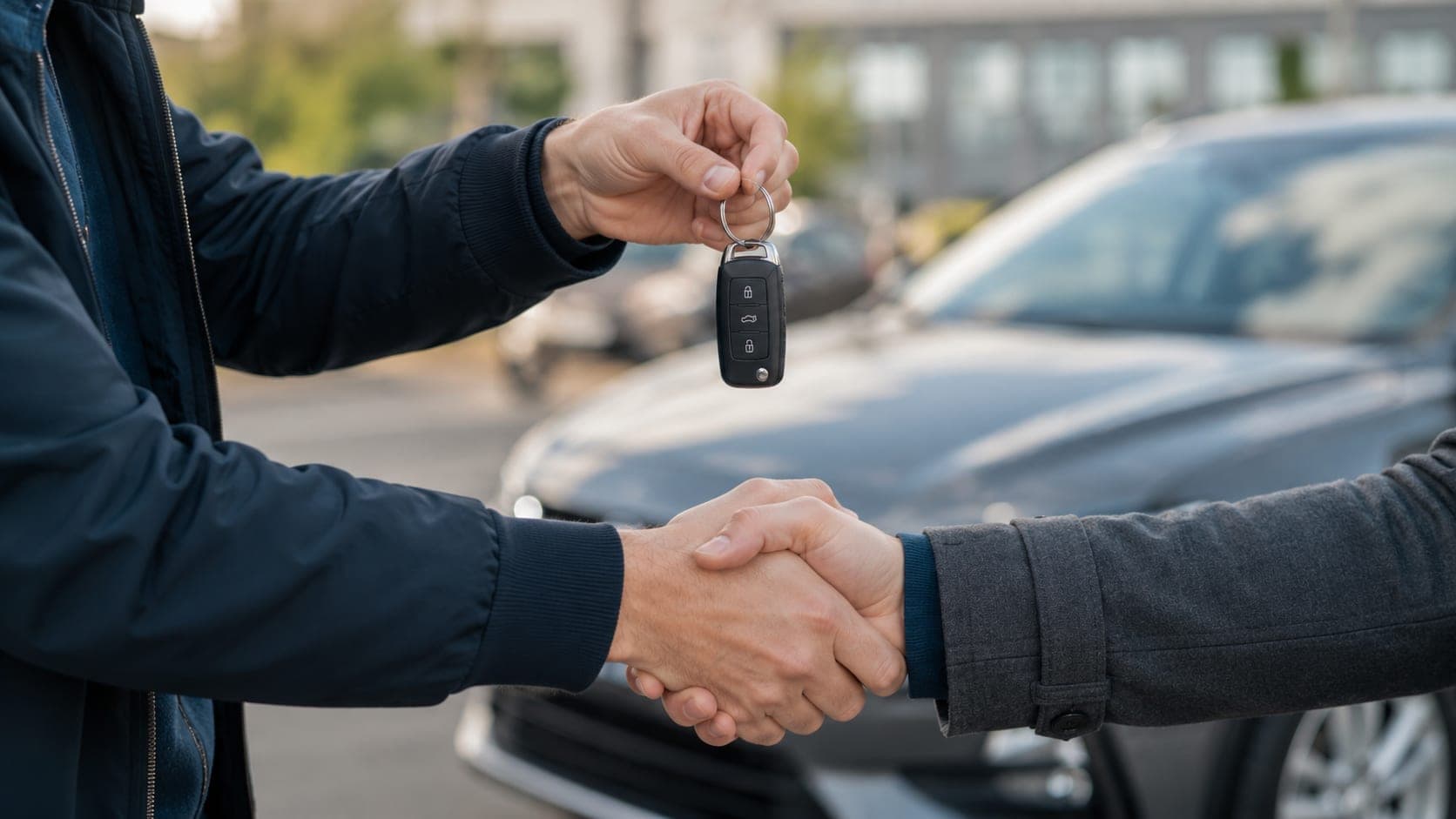
In 2017 Charles Henderson, who runs IBM's X-Force Red penetration testing team, told the RSA Conference what happened after he traded in a connected car. He had been careful about it. He deleted his personal information, cleared the phone book, revoked the connections to his linked devices and reset the garage door opener, and the dealership ran its own handover checks on top. More than two years later, with the car long since sold on to somebody he had never met, his phone could still lock and unlock it, set its climate control, start it and sound its horn. Nothing had gone wrong technically. The car simply had no way of knowing it had been sold, because the thing that grants remote access does not live in the car at all. It lives in the manufacturer's back end, tied to the vehicle identification number, and no button on the dashboard reaches it. The gap has widened every year since, because the average European car changing hands today carries a data connection, an app, a phone key and a set of driver profiles that the car it replaced never had. The wipe you do on the screen is real work and worth doing, but it is the easy half. The half that matters happens on your phone, and there is a mirror image of it again on the day somebody sells a car to you and does not bother.
The factory reset is real work, and it stops at the edge of the dashboard
Every mainstream European car of the last decade hides a reset in the settings, usually under System, labelled factory settings or delete personal data. It clears more than people expect: paired Bluetooth phones, the imported contact list, call history, message previews, saved Wi-Fi networks and their passwords, driver profiles with their seat and mirror positions, radio favourites and, most importantly, the navigation destination list including whatever address you saved as Home. That last one is the reason to bother even on a car with no app at all, because a saved Home address next to a registration document carrying your name is a complete answer to the question of where that car's keys used to sleep at night. Two practical notes. The reset normally requires the car to be stationary and takes several minutes, sometimes long enough for the screen to reboot itself, so do it the evening before rather than with the buyer standing in your driveway. And do it after you have finished with the app rather than before, because a wiped head unit makes the app side harder to unpick. Slotted into the running order of a private sale, it belongs in the same evening as gathering the paperwork.
The account that can unlock the car is not inside the car
Remote locking, remote climate, live location and, on many cars, remote start are granted by the manufacturer's connected service, which knows the car by its VIN and knows you by your account. Removing the vehicle from that account is a separate action taken in the app or the maker's web portal, and it is the step almost everybody skips. Practice differs by brand and it is worth knowing which kind you own. BMW's model is that when a new owner connects the car to their own ConnectedDrive account, the previous connections are dropped, which protects the buyer, but only once the buyer gets around to it. Mercedes will not move a car between Mercedes me accounts without proof that the applicant is the rightful owner, which in practice means a dealer visit with the registration document and identification, or a call to the connected services helpline. Neither of those happens by itself. On an electric car the stakes climb again, because the same app that lets an owner warm the battery before a fast charge can also start a charge, stop one, or leave the climate control running on somebody else's electricity. European data protection law is the lever here: the manufacturer is the controller of the data its telematics unit sends home, and Article 17 of the GDPR gives you a right to erasure that you can exercise in writing, quoting the VIN and the date of sale, if the app is still showing you a car you sold months ago.
Digital keys, invited drivers and the garage remote all survive the wipe
Three things sit outside both the screen reset and the account removal. Phone keys come first: a car that opens to a handset is holding a credential inside the app, and if you ever shared a key with a partner or a grown-up child, that invited driver is revoked in the app and nowhere else. The garage remote is second, and it carries the highest consequence, because a HomeLink transmitter in the mirror or the roof console holds the code for a gate or a garage at an address that is still your home. Erasing it is quick and works the same way across brands: with the ignition on, press and hold the two outer buttons of the HomeLink panel together for around twenty seconds, until the indicator flashes rapidly, which clears every programmed channel at once. There is no selective delete, which is fine here, because you want all of them gone. Third is the toll transponder, and that one costs money rather than sleep. A Télépéage badge in France, a Telepass in Italy, a Via Verde in Portugal or a European toll service unit for long routes is registered to a number plate and billed to your bank details, so a box left stuck to the windscreen quietly charges the new owner's motorway trips to your account until you remove it and tell the operator. The emission and city stickers on that same windscreen are tied to the plate rather than to whoever is now driving.
The same list read backwards is a used car buyer's checklist
If you are the one buying, the useful move is to make the seller do all of this while you watch. Open the infotainment and look at the paired device list, the driver profiles and the navigation favourites, because an empty car is a wiped car and a car with three phones and a saved Home address is a car whose previous owner has done nothing at all. Then try to add the vehicle to your own account in the manufacturer's app on the spot. If it refuses on the grounds that the VIN is already claimed, you have found the problem while the seller is still standing next to you, which is a far better moment than three weeks later when your only route is a dealer appointment with the registration document in your hand. Look for the car's own privacy screen too, since most recent European models carry a connected services or data privacy menu listing which services are switched on and what is being transmitted. It is worth the minute, because a modern car logs a great deal more than the one it replaced, from the speed warning system every new car sold in Europe now has to carry to the event data recorder that captures the seconds around a crash. And take the memory card out of the dashcam before anybody shakes hands, in both directions: your own footage is a record of everywhere you have been, and a card left behind is a gift you did not mean to give.
What to actually do
The order matters more than the effort. All of it happens on your phone and in the car, and none of it needs a garage.
Revoke digital keys and invited drivers first, in the app, while everything is still paired. A phone key deleted from the car's own menu but left live in the app has not been removed.
Remove the vehicle from your manufacturer account next. Mercedes me, BMW ConnectedDrive, MyRenault, FordPass, Volvo Cars, Tesla and the rest all carry a remove or deregister vehicle option in the app or the web portal.
Only then run the factory reset in the car, under Settings and System, labelled factory settings or delete personal data. Allow ten minutes and do it before handover day.
Check the navigation list separately once the reset has finished. Home, Work and recent destinations occasionally survive on older systems, and those are precisely the entries that give away where you live.
Erase HomeLink by holding the two outer buttons for about twenty seconds, until the light flashes fast. Do it even if you never programmed it yourself, because you may not be the first owner.
Take the toll transponder off the windscreen and deregister the plate with the operator the same day. Leaving it there means paying for somebody else's motorway.
Pull every memory card and USB stick: the dashcam, the navigation slot, the media slot and the one in the glovebox you had forgotten about.
Open the app again a week after the sale. If the car is still listed, send a written erasure request under Article 17 of the GDPR to the manufacturer, quoting the VIN, the sale date and a copy of the transfer document.
If you are buying, do not accept a car you cannot add to your own account, and ask a dealer for written confirmation that the previous keeper's profile and account link were removed.
Frequently asked questions
Does a factory reset delete everything?
No. It clears what is stored inside the car: paired phones, contacts, call logs, driver profiles, saved destinations and Wi-Fi credentials. It does not touch the manufacturer's cloud account tied to the VIN, which is what grants remote locking, location and remote start, and it does not clear a HomeLink garage code. The research that put this on the map involved a car whose previous owner had done a careful wipe and still had full remote control of it more than two years later.
How do I remove a car from the manufacturer's app?
In the vehicle list, open the car and look for remove, delete or deregister vehicle. BMW drops the previous ConnectedDrive connections once a new owner links the same car to their own account. Mercedes will not move a car between Mercedes me accounts without proof of ownership, so a new owner may need a dealer or the connected services helpline and the registration document. Do it as the seller regardless, because it is the only version of this that does not depend on the buyer taking action.
Can a previous owner really unlock a car they sold?
On a connected car where the account was never removed, yes, and in the documented cases the app also allowed remote start, climate control and locating the vehicle on a map. It is not a hack and there is no alarm to trip. It is the app doing exactly what it was built to do for somebody the system still believes is the owner.
Is any of this a legal obligation in Europe?
A private seller wiping their own car is doing housekeeping rather than compliance, because purely personal and household activity sits outside the GDPR. Two parts of it are genuinely legal, though. A dealer or leasing company handling the car is a controller and has to deal with the personal data left inside it, which is why it is fair to ask for that in writing on a trade-in. And the manufacturer running the telematics service is a controller too, which is what makes an Article 17 erasure request the lever that works when an app will not let go of a car you no longer own.
What about a leased or company car?
The account structure is different, because the vehicle usually belongs to the fleet or the leasing company rather than to you, but the personal layer on top of it is still yours to remove: your driver profile, your paired phone, your digital key, your saved addresses and your own login to the maker's app. Do all of it before the collection appointment. Once the car is on the transporter your access to that screen is gone, and the only remaining route is a support ticket.