Good news for purists: Aston Martin's V12 will survive until at least 2035
The V12 refuses to die, and Aston has found a loophole
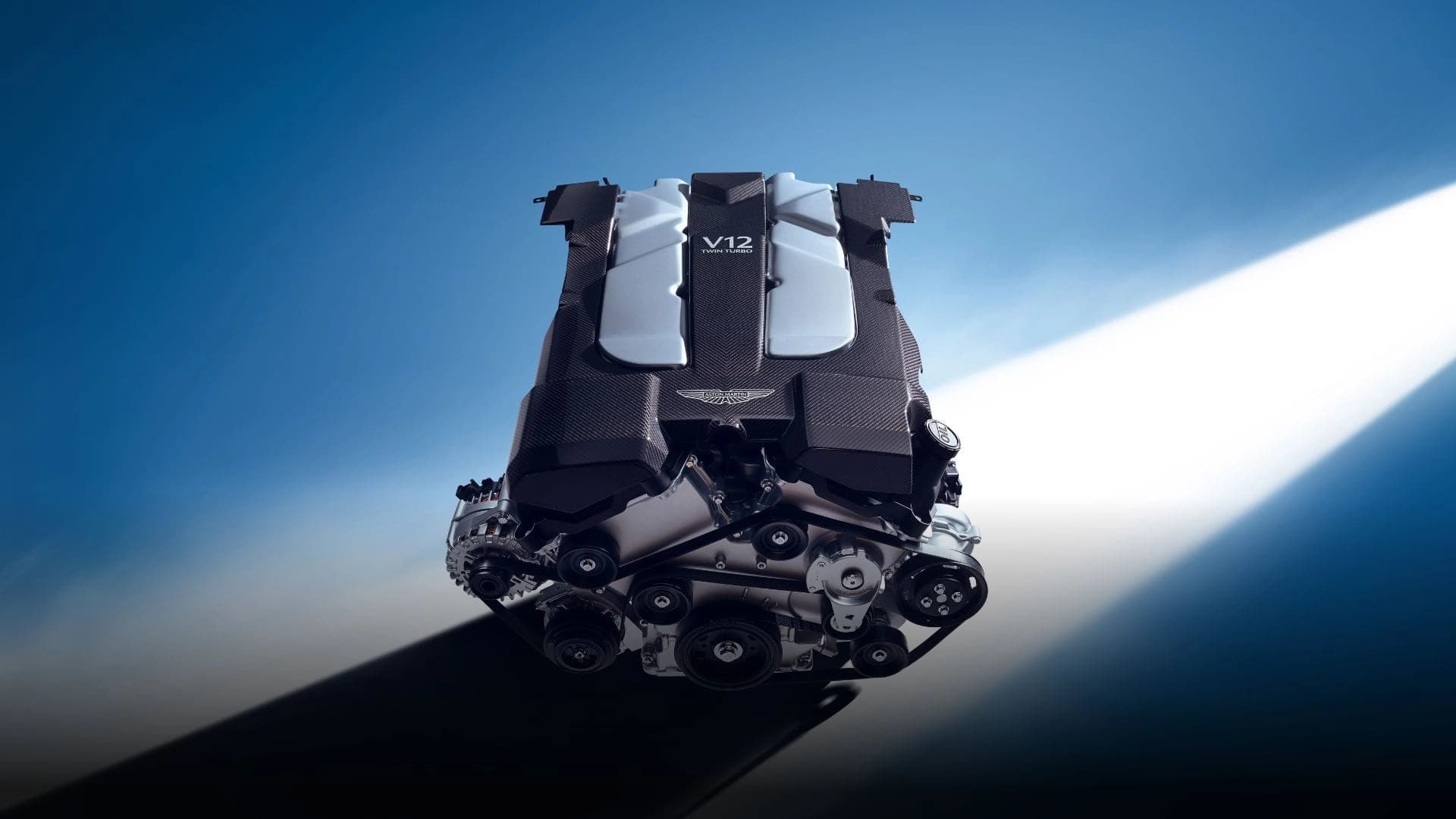
In an industry racing to electrify, the thunderous V12 has felt like an endangered species. But Aston Martin has just handed enthusiasts a reason to cheer: its glorious 5.2-litre twin-turbo V12 is not going anywhere for a while yet, and the reason is a rather clever bit of small-print maths.
The clever 1,000-car loophole
The trick lies in how emissions legislation treats very low-volume engines. As CEO Adrian Hallmark put it, "If we keep our V12 sales under 1,000 per year, then we're exempt from legislation until 2035 at least." In other words, by deliberately keeping the V12 rare and exclusive, exactly what a hand-built Aston flagship should be anyway, the company sidesteps the rules that would otherwise kill it off. Scarcity becomes the engine's lifeline.
Combustion stays central for now
This is part of a wider, notably pragmatic shift in Aston's thinking. Rather than chase complex and costly plug-in hybrids, the brand is moving to simpler 48-volt mild-hybrid systems that support the turbochargers and other functions while keeping the character of its combustion engines intact. Petrol power, in other words, remains the near-term priority rather than an inconvenience to be engineered away.
EVs pushed into the 2030s
Aston's first fully electric cars, once promised for the back half of this decade, have now been pushed back into the 2030s. It is a telling move that echoes what we are seeing across the industry, with luxury and performance brands cooling on rushing to electric as demand proves patchier than expected. For Aston, it buys time to get its EV offering right rather than forcing it out early.
A new platform to build on
Underpinning all of this is a new modular platform designed to serve everything from sports cars to SUVs and mid-engined halo models. The idea is to cut cost and complexity by sharing a common architecture, while still allowing each model to feel distinctly like an Aston. Crucially, that flexibility is what lets the brand keep offering the V12 alongside mild hybrids and, eventually, EVs on the same underpinnings.
AutoNext Take
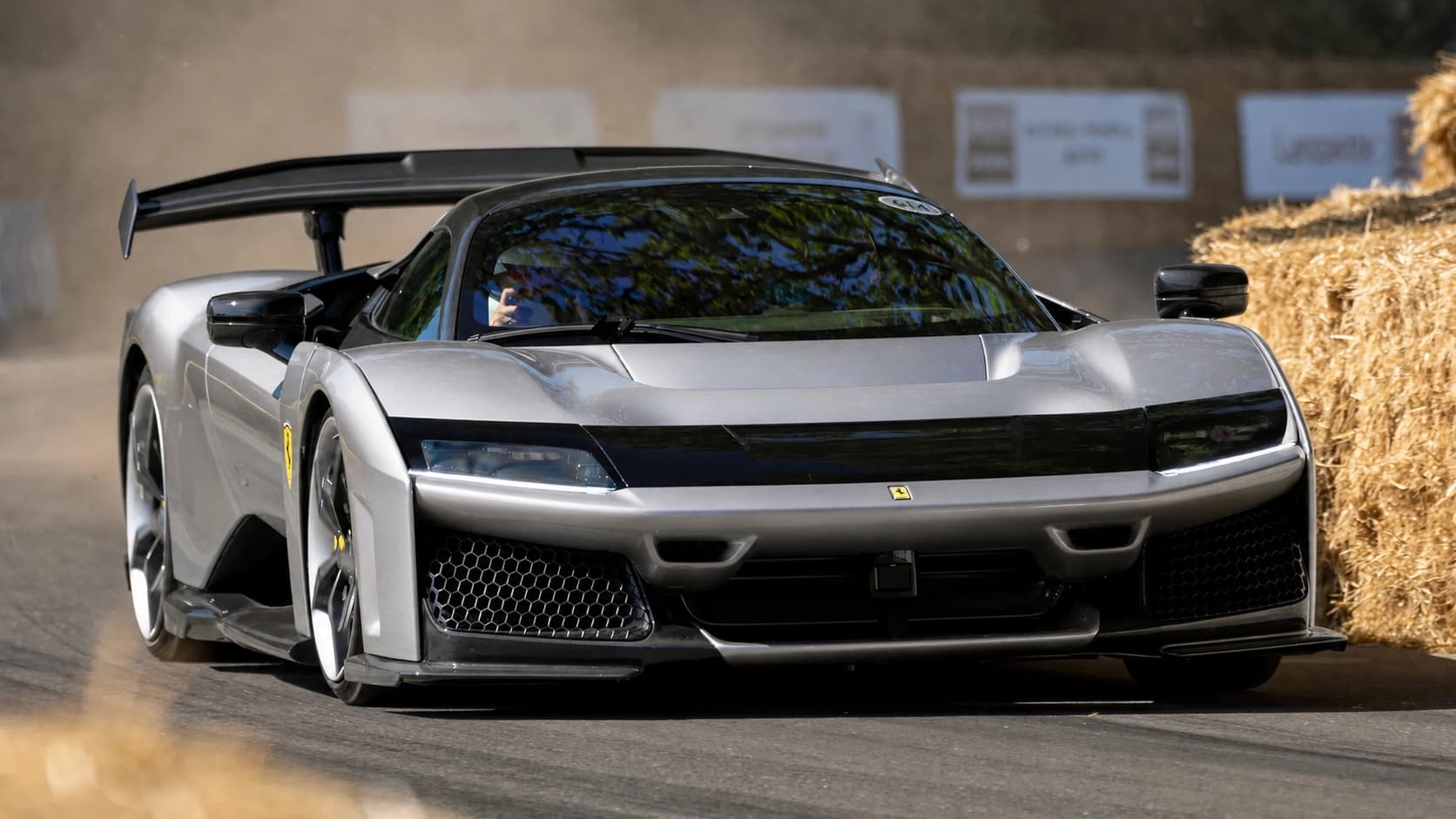
We will happily take any good news about the survival of the great combustion engines, and this is a smart, refreshingly honest bit of strategy from Aston. Leaning into the V12's exclusivity to keep it legal is exactly the kind of thinking that suits a low-volume luxury brand, and it means one of the most charismatic engines on sale gets to keep singing for another decade. It fits the wider mood, with Porsche vowing to keep the 911 combustion and Ferrari reviving the manual V12.
Pushing back the EVs and swapping plug-in hybrids for mild hybrids is pragmatic rather than glamorous, but it feels like Aston playing to its strengths rather than chasing trends it cannot afford. For anyone who feared the V12's days were numbered, 2035 suddenly looks a long and very welcome way off.