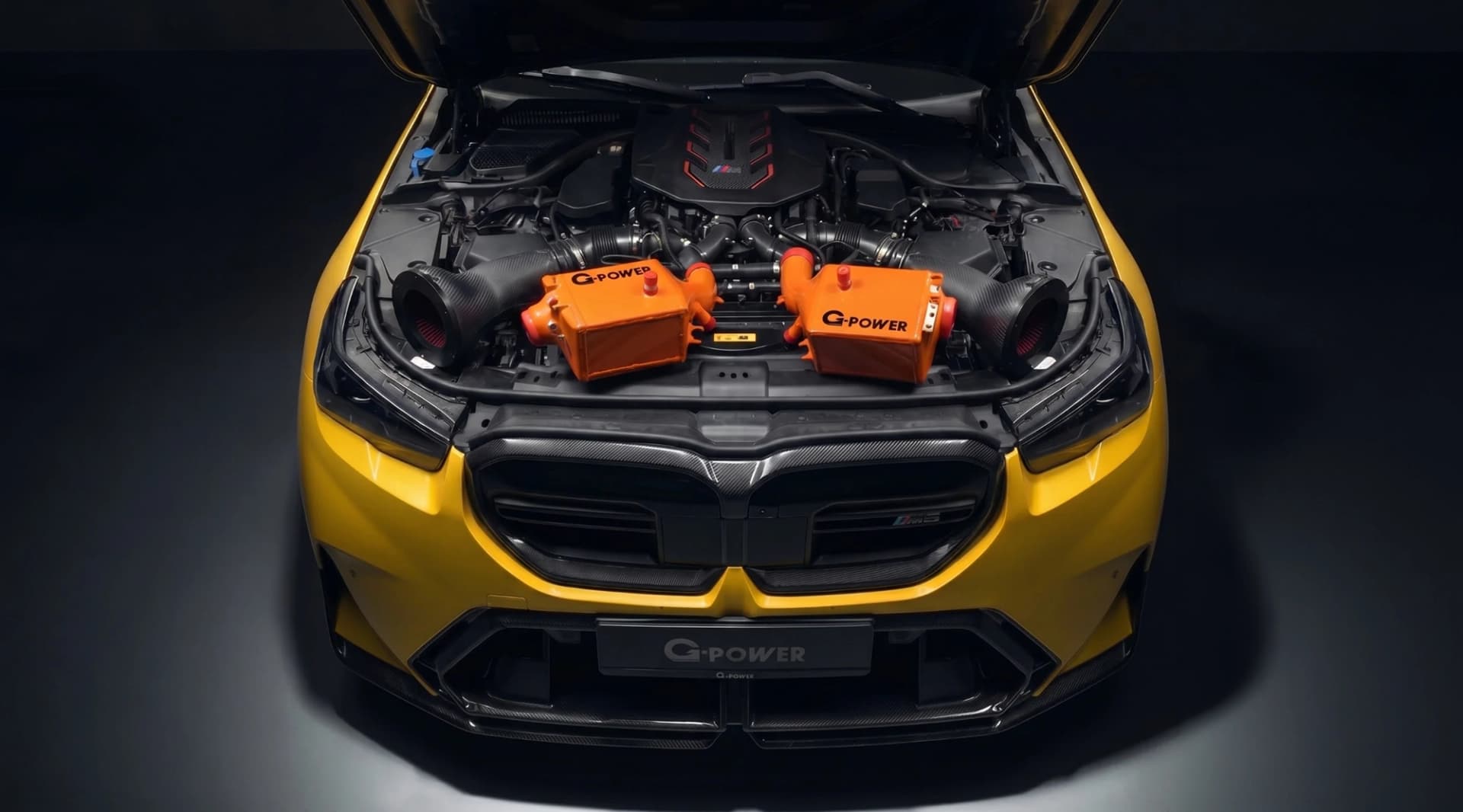
BMW M brings pre-chamber ignition to its inline-six engines with BMW M Ignite
BMW is not giving up on high-performance combustion engines just yet.
From mid-2026, the BMW M2, BMW M3 and BMW M4 will receive a new engine technology called BMW M Ignite. It is a patented pre-chamber ignition system designed to improve efficiency under high load, especially during circuit driving, while also helping BMW M meet the upcoming Euro 7 emissions requirements. That may sound technical, and it is.

A new ignition system for BMW M’s six-cylinder engines
BMW M Ignite technology introduces a pre-combustion chamber inside the cylinder head. This chamber is connected to the main combustion chamber through small transfer openings and has its own spark plug and ignition coil. That means the engine effectively uses two ignition systems.
At low and medium revs, the conventional spark plug in the main combustion chamber still does most of the work. But at higher engine speeds and under heavy load, the pre-chamber takes over a more important role. Part of the air-fuel mixture enters the pre-chamber, is ignited there, and then exits through the small openings as fast-moving flame jets.
Those jets ignite the mixture in the main combustion chamber at several points at once. The result is faster, more controlled combustion. And for a high-performance engine, that matters enormously.
Higher compression and variable turbine geometry
BMW M Ignite is not the only change. The new engines will also feature a higher compression ratio and turbochargers with variable turbine geometry. That combination should help improve responsiveness, efficiency and thermal management, especially across a wider operating range.
Importantly, BMW says displacement and output remain unchanged compared with the previous versions of each model. So the point is not to chase a bigger horsepower number. The point is to make the existing M inline-six cleaner, more efficient and more durable under demanding use. That is a very BMW M kind of solution: engineering over spectacle.
Race technology for the road
BMW describes M Ignite as another example of technology transfer from motorsport to production cars.
That fits the broader industry pattern perfectly. Performance brands are under more pressure than ever to keep emotional combustion engines alive while meeting stricter emissions rules. The answer is no longer just bigger displacement or more boost. It is smarter combustion, better control and more efficient use of every drop of fuel.
We have already seen similar thinking elsewhere. Maserati’s Nettuno V6 famously uses pre-chamber combustion technology, and we recently wrote about the importance of that engine in Maserati’s future product direction. Formula 1 is also discussing simpler, more emotional future combustion concepts, while brands like Porsche, Lamborghini and McLaren are all trying to protect performance emotion in an increasingly regulated world.
Which models get BMW M Ignite?
BMW will introduce the technology first on its core six-cylinder M cars. Production of the BMW M3 and BMW M4 with M Ignite technology starts in July 2026. The BMW M2 follows from August 2026.
That is significant because these are not niche concept cars or experimental prototypes. These are BMW M’s most important driver-focused models, and they remain central to the brand’s identity.
Why Euro 7 makes this important
The upcoming Euro 7 standard is one of the biggest reasons this technology matters. For performance cars, emissions legislation is not just about average consumption. It is also about durability of compliance, onboard monitoring and emissions behaviour across a wider range of real driving conditions.
High-performance combustion engines are especially difficult to protect in that environment because they operate under extreme loads, temperatures and pressures. BMW M Ignite appears to be BMW’s answer: make the combustion event cleaner, faster and more controlled, particularly when the engine is being used as an M engine should be used.
AutoNext Take
BMW M Ignite shows that the future of performance does not have to be a simple choice between full electrification and outdated combustion. There is still room for serious engineering inside the combustion engine itself, especially when the goal is to keep cars like the M2, M3 and M4 alive in Europe.
The best part is that BMW is not using this technology to chase a headline horsepower number. It is using it to make high-performance driving more efficient under the conditions where M cars are supposed to shine: high load, high revs, high commitment.
It is a small but important win for the combustion performance car.