BYD unveils Blade Battery 2.0: EV charging almost as fast as refueling?
Electric mobility has faced the same criticism for years: charging simply takes too long.
At least, that is the argument often raised by skeptics. According to BYD, that discussion may soon change dramatically. The Chinese automotive giant has unveiled the second generation of its Blade Battery, alongside a completely new FLASH Charging ecosystem. The headline figure is striking: charging from 10% to 70% in just five minutes.
If those numbers prove realistic outside controlled testing environments, it could represent one of the most significant breakthroughs in EV technology in recent years.
Charging at megawatt level
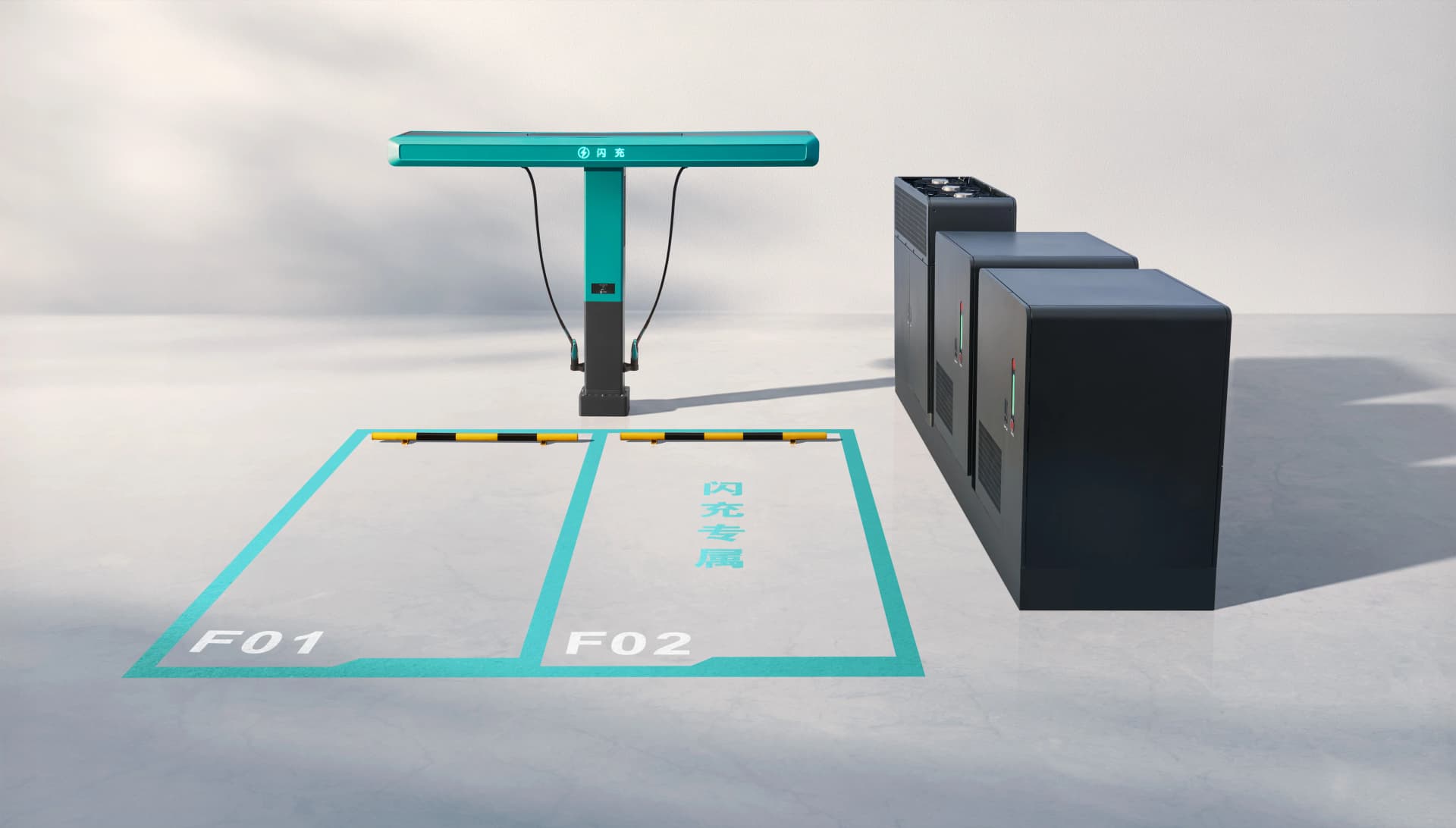
The remarkable charging performance is not only the result of a new battery. BYD presents the innovation as a fully integrated system consisting of three key components: the Blade Battery 2.0, a new FLASH ultra-fast charger, and a stationary energy storage system.
The FLASH Charger is capable of delivering up to 1,500 kW of power through a single connector, a figure far beyond the capabilities of most public charging stations today. With this combination, BYD claims that an electric vehicle could:
charge from 10% to 70% in around 5 minutes
charge from 10% to 97% in approximately 9 minutes
charge from 20% to 97% in about 12 minutes even in extreme cold
Even in temperatures around –30°C, the charging time would increase by only a few minutes compared to normal conditions. If validated in real-world use, this would bring EV charging closer than ever to the time required to refuel a conventional combustion car.
More than 1,000 kilometers of range
Alongside faster charging speeds, BYD also claims improvements in energy density. The new battery reportedly offers around five percent higher energy density compared with the first-generation Blade Battery.
Combined with a lightweight vehicle structure, this could enable driving ranges exceeding 1,000 kilometers according to the Chinese CLTC test cycle. That figure should be interpreted with caution. The CLTC testing standard typically produces more optimistic results than the European WLTP cycle. In Europe, official range figures will likely be lower. Even so, the direction of development is clear: BYD is aiming for extremely long driving ranges combined with ultra-fast charging capability.
Denza Z9GT will introduce the technology
The first vehicle expected to use this technology is the Denza Z9GT. The model belongs to Denza, BYD’s premium sub-brand that is increasingly targeting international markets, including Europe.
The Z9GT is a large electric shooting brake positioned as a technological flagship. European specifications such as battery capacity, WLTP range and maximum charging speeds will be announced later.
20,000 FLASH charging stations planned
Just as important as the battery technology itself is the infrastructure behind it. BYD has announced plans to build 20,000 FLASH Charging Stations across China. Afterward, the technology is expected to expand globally starting at the end of 2026.
These stations integrate large-scale energy storage systems that gradually collect energy from the grid and then release it rapidly to vehicles at extremely high charging speeds. This approach helps prevent megawatt-level charging from overloading local electricity networks. The system forms part of BYD’s broader vision for an integrated Solar-Storage-Charging ecosystem.
AutoNext Take: impressive claims, but real-world adoption will be complex
BYD’s announcement sounds almost revolutionary. Charging an EV in just five minutes could eliminate one of the biggest barriers to electric mobility. However, as with many technological announcements, the reality will likely be more nuanced.
The impressive charging times only apply when vehicle, battery, charger and infrastructure are perfectly optimized together. In other words, it is not purely a property of the battery itself.
There is also the question of infrastructure rollout. Building thousands of megawatt-level charging stations with integrated energy storage will require enormous investment and coordination. Still, the direction is unmistakable. While many European manufacturers are currently pushing charging speeds between 350 and 400 kW, BYD is already talking about 1,500 kW.