Cadillac spent 20 years faking racing pedigree, the V-One concept finally has the real thing
Almost every concept car claims a racing bloodline. Cadillac's new V-One is the rare one that can actually prove it.
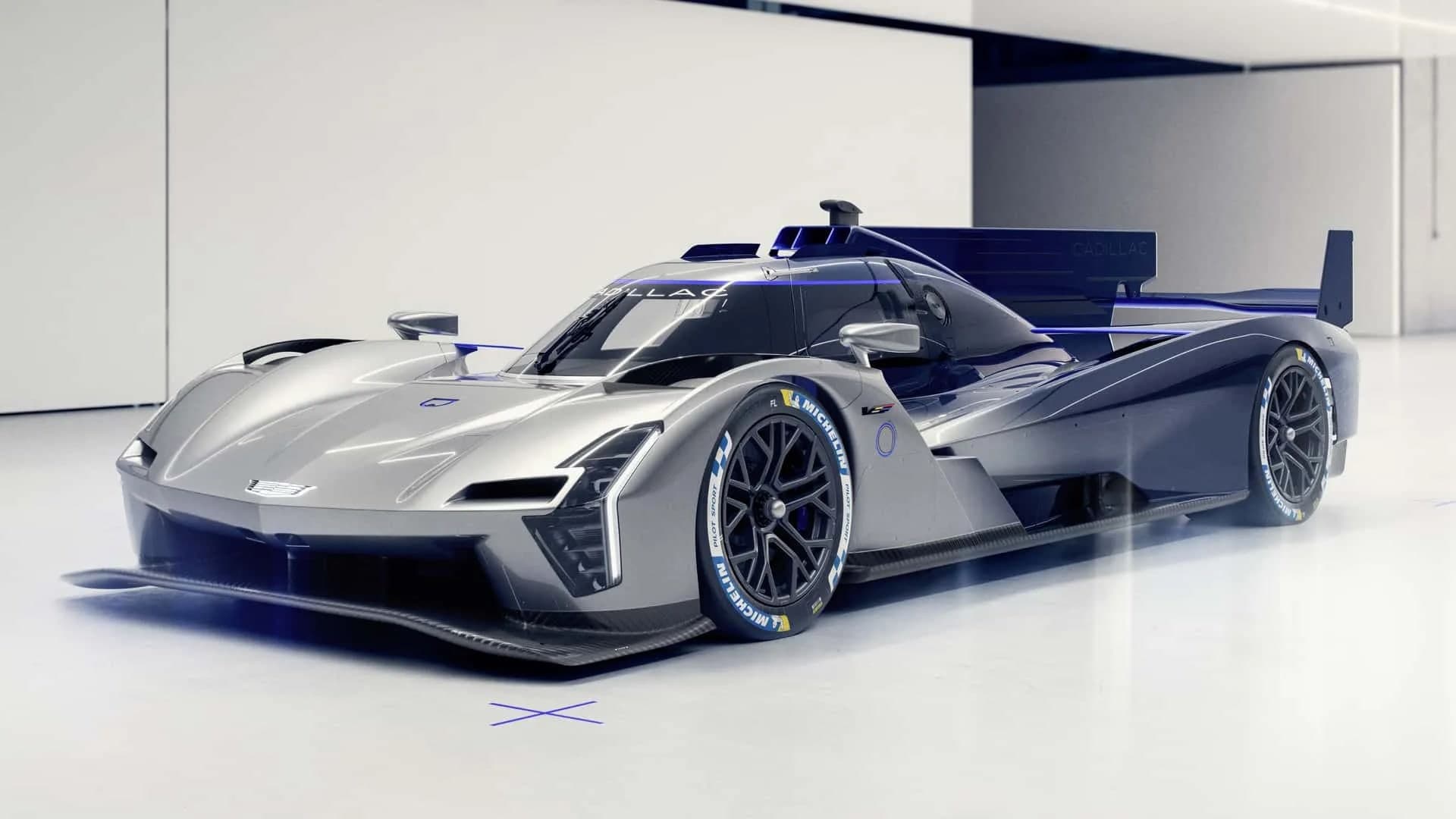
Concept cars love to borrow the language of the track. Press releases are thick with phrases like race-bred and motorsport-derived, and almost all of them are marketing, a costume draped over a design study that has never turned a wheel in anger. Cadillac's new V-One concept, revealed at The Quail during Monterey Car Week, is the unusual one where that language is literally true. It is a single-seat, track-only machine that shares real suspension hardware with the Cadillac that races at Le Mans, and it is aimed at lapping within 10% of that car. For a brand that spent two decades borrowing a performance image it had not yet earned, the V-One is the moment the receipts finally arrived.
What the V-One actually is
Underneath the drama sits a naturally aspirated 5.5-litre hybrid V8 producing a combined 842 hp, the figure Cadillac quotes as 830 horsepower, with roughly 136 hp of that delivered instantly by an electric motor as a stab of extra thrust on demand. It drives through a seven-speed sequential gearbox and a small hybrid battery, and it is a single-seater: one central seat, no passenger, no compromises toward everyday use. The suspension is not merely inspired by the race car, it is shared with it, double wishbones front and rear, pushrod-actuated coil and torsion springs, and separate lateral and heave dampers, the same architecture that survives twenty-four hours at Le Mans. The bodywork wears a hand-sprayed gradient that fades from silver to deep navy, a nod to a race that runs from daylight into darkness. Cadillac has not announced a price or confirmed production, so treat it as a concept, not an order form.
The direction of the borrowing has flipped
This is the detail that makes the V-One more than another rich concept. For most of the V-Series era, Cadillac built fast road cars and then reached for a racing story to justify the badge, borrowing prestige from a motorsport record that was thin. The V-One reverses the flow entirely. Here the racing came first and the concept borrows from it, taking the hardware of a proven endurance winner and building a road-brand halo around it. That only works because the record is now real: Cadillac swept the 2023 IMSA WeatherTech titles, took Hyperpole at Le Mans in 2025, and scored its first one-two finish in the World Endurance Championship. The V badge is no longer a promise. It is, for the first time, a description.
The discipline is in what it refuses to be
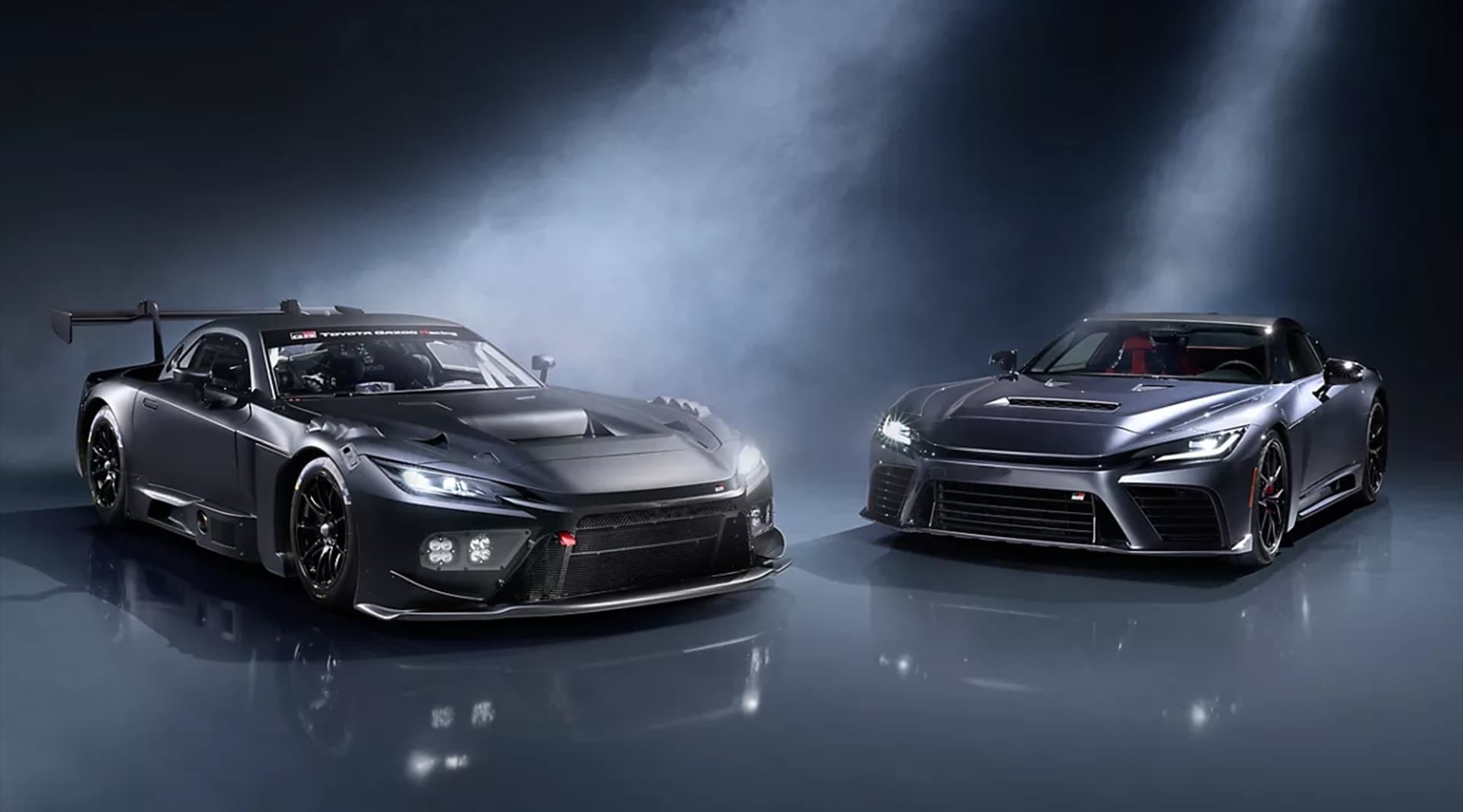
Just as telling is what Cadillac chose not to do. The V-One is not a road-going hypercar chasing a headline power figure, and it is pointedly not a rival to the Corvette. It is a single-seat, track-only object with one honest job: to get as close as a customer machine can to the pace of the actual race car. That restraint is unusual and welcome. Rather than another road hypercar promising a race pedigree it cannot back up on a Tuesday, Cadillac built the one thing its motorsport results genuinely license it to build. It is the same logic that lets Toyota turn a GT3 programme into a road-and-track supercar, or Lamborghini bank credibility from a first IMSA win: earn it on track, then spend it.
Why a European crowd should care
It is easy to file this under American brand, American toy, and move on, but the V-One is aimed squarely at exactly this audience. Cadillac earned every one of these credentials in Europe, at Le Mans and across the endurance calendar, and it is spending them at the moment it is trying hardest to be taken seriously here, bringing bespoke Escalades and the Cadillac name to European buyers and preparing a full works entry into Formula 1. A halo car exists to change how a badge feels, and Cadillac needs that shift most in the one market that has always been coolest toward it. The V-One is a concept, but it is also a pitch, aimed at Europe in Europe's own language of racing.
AutoNext Take
The lazy read of the V-One is that Cadillac has finally built a proper halo car. The sharper read is that it has finally built one it is allowed to. For twenty years the V-Series traded on an image of speed that the track record could not quite support, and everyone politely pretended not to notice. What changed is not the styling or the marketing budget; it is that Cadillac went to Le Mans, did the unglamorous work of endurance racing, and won. The V-One is simply the first car honest enough to be built the right way round, from the race car outward.
So the number worth remembering is not 842 hp. It is the pledge to lap within 10% of the actual competition car, because that is a claim Cadillac can be measured against rather than one it can only assert. When a concept invites you to check its homework instead of asking you to take its word, the pedigree has stopped being a costume. That is the real news here, and it is why the V-One matters more than a single-seat track toy for a handful of collectors ever should.