Land Rover is axing the Discovery Sport, and EU safety rules helped push it out
The cheapest way into a Land Rover is going away
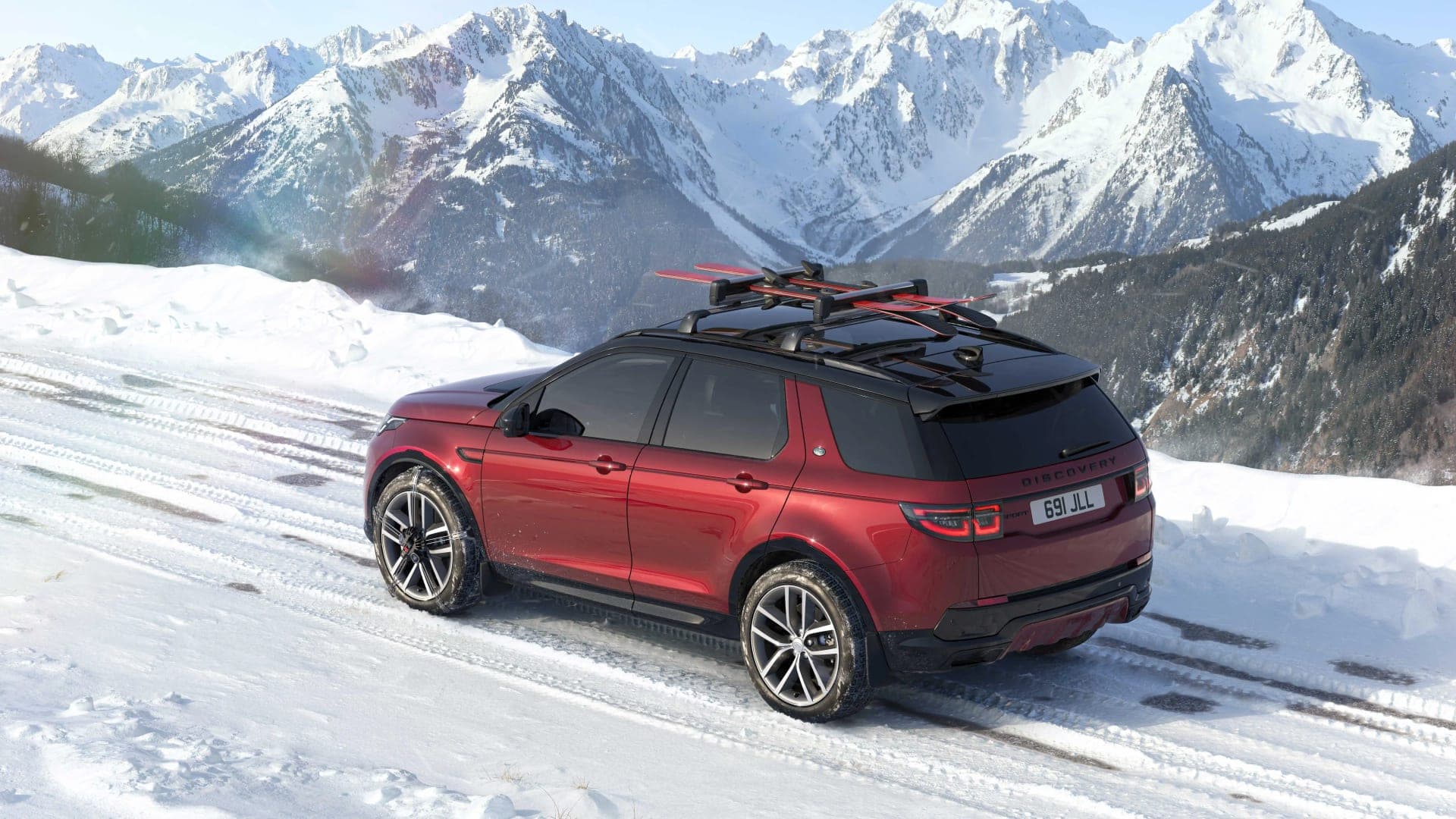
Land Rover is discontinuing the Discovery Sport. After 11 years, the brand's entry-level SUV will end production in December 2026, and it is already being phased out in some European markets. It is a quiet exit for a big seller, and the reasons behind it say a lot about where Land Rover, and Europe's rules, are heading.
What is happening
Jaguar Land Rover has confirmed that Discovery Sport production at Halewood in the UK will wind down in December 2026, ending an 11-year run. In some European markets it is already being phased out ahead of that date. For over a decade the Discovery Sport was the affordable entry point to the range, the compact, practical, seven-seat-capable Land Rover that got buyers into the brand without Range Rover money.
Why now
The car is old, having launched in 2015, so an end-of-life exit was always coming. But the timing is sharpened by regulation. The EU's General Safety Regulation 2, now fully in force, demands a suite of driver-assistance and safety systems that an ageing platform cannot easily be updated to meet. Re-engineering a car this late in its life to clear the new bar is rarely worth the investment, and Land Rover has clearly decided it is not here.
What survives
The closely related Evoque and Velar are not going anywhere. Range Rover managing director Martin Limpert has said the company is prioritising the launch of the electric Range Rover and Range Rover Sport while continuing to support the Evoque and Velar with updates and special editions. So the entry to the brand does not vanish entirely, it just loses its most practical and family-friendly member.
What Halewood does next
The freed-up capacity at Halewood is the tell. The plant is expected to switch to building the all-electric Range Rover GT on JLR's new EMA platform. In other words, an affordable combustion SUV makes way for an expensive electric grand tourer, which is about as clear a statement of intent as a factory can make. Land Rover is not replacing the Discovery Sport with something cheaper. It is replacing it with something dearer.
The bigger picture for the Discovery name
With the Sport gone, the Discovery badge fades further into the background. JLR has spent recent years concentrating its energy and money on Range Rover and Defender, the two pillars that print profit, and letting everything else drift towards the margins. The Discovery once stood for rugged, practical, do-anything family transport. That idea is quietly being pushed aside in favour of relentless movement upmarket.
AutoNext Take
The Discovery Sport was never a car enthusiasts wrote poetry about, but it did a genuinely useful job: it was the sensible, affordable way into a desirable brand, the Land Rover normal families could actually stretch to. Losing it, and replacing its factory slot with a six-figure electric Range Rover, is a small but telling moment in the industry's march upmarket. The cheap end of the premium market keeps thinning out, and buyers who wanted a Land Rover rather than a Range Rover have one fewer option.
It is also a reminder of how much European regulation now shapes which cars survive. GSR2 is good for road safety and hard to argue with in principle, but its practical effect is to quietly euthanise older, cheaper models that are not worth re-engineering, and those tend to be the affordable ones. Safer roads, fewer bargains. That trade-off is playing out across the industry, and the Discovery Sport is just the latest name on the list.