Pagani Arte brings Huayra R and bespoke aviation design to Brazil
This is not traditional automotive news. But it is very Pagani.
Yes, the world knows it for the Zonda, Huayra and Utopia. For carbon fibre. For exposed mechanical beauty. For interiors that look more like mechanical jewellery than conventional cockpits. But Horacio Pagani’s real ambition has always felt bigger than that. He does not simply want to build fast cars. He wants to create beautiful objects.
And Pagani Arte is where that philosophy moves beyond the road. At the Catarina Aviation Show in São Paulo, Brazil, Pagani Arte presents the brand’s extended lifestyle and design vision, bringing together hypercar engineering, aviation interiors and branded residences under one creative language.
The Huayra R as a manifesto
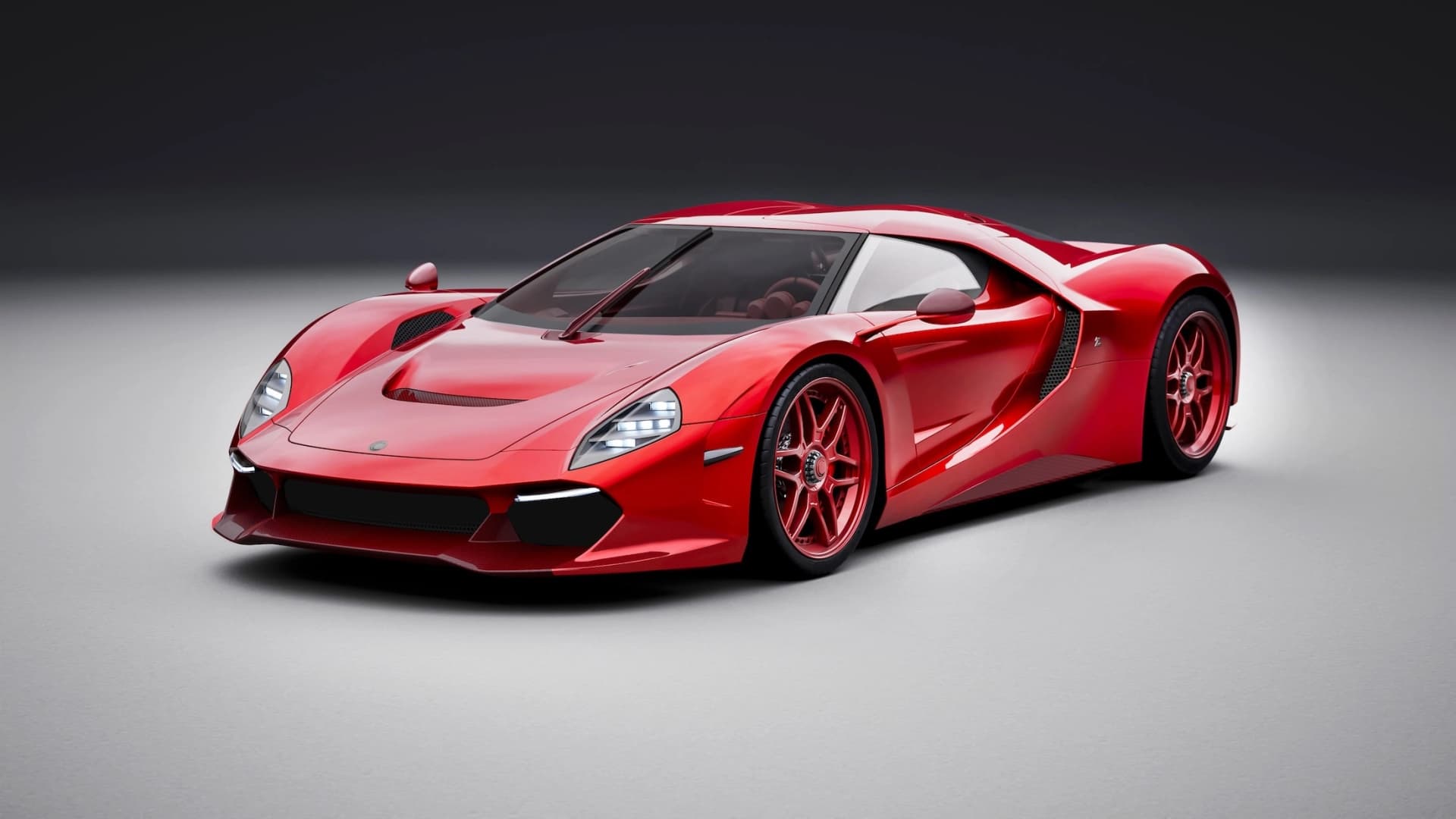
For the occasion, Pagani is showcasing the Huayra R, one of the purest expressions of what the brand can do when it is freed from road homologation rules. The Huayra R is a track-only hypercar built around lightness, aerodynamics, sound and emotion. It exists because performance alone is not enough for Pagani. The car must also move you. Visually, mechanically and almost theatrically.
Its surfaces are shaped by air. Its carbon structure is obsessive. Its proportions are technical but still artistic. The Huayra R is not an aircraft, obviously, but it shares the same logic: weight matters, airflow matters, materials matter, and every detail has a purpose. For Pagani Arte, it becomes a rolling manifesto.
From carbon fibre to private jets
Pagani Arte is not simply putting logos on luxury objects. The division takes Pagani’s design philosophy into aviation, including bespoke interiors for helicopters, private jets and wide-body aircraft.
The brand references its work on the Airbus ACJ319neo “Infinito”, where the cabin ceiling was designed to dissolve the boundary between interior and sky, as well as ultra-luxury interiors for Gulfstream G650ER aircraft. That is a very different challenge from building a hypercar.
Private aviation is one of the few worlds where Pagani’s level of material obsession actually makes sense. In a jet, like in a hypercar, every gram matters. Every surface is close to the user. Every detail must feel intentional. There is nowhere to hide poor execution.
Art and Science, but at altitude
Pagani likes to return to the Leonardo da Vinci idea of merging Art and Science. That sounds romantic, but in Pagani’s case it is not empty branding. It is visible in the cars. Exposed components are treated as design objects. Mechanical parts are shaped beautifully even when they do not need to be. Materials are not only selected for performance, but for emotion.
Pagani Arte takes that same tension and applies it elsewhere. A jet interior, a residence, a piece of furniture, all of it becomes an opportunity to translate the Pagani feeling into another environment.
From aircraft to residences
Pagani Arte also uses the Catarina Aviation Show to highlight its work in branded residences, including the DaVinci Tower in Dubai and Pagani Residences in Miami.
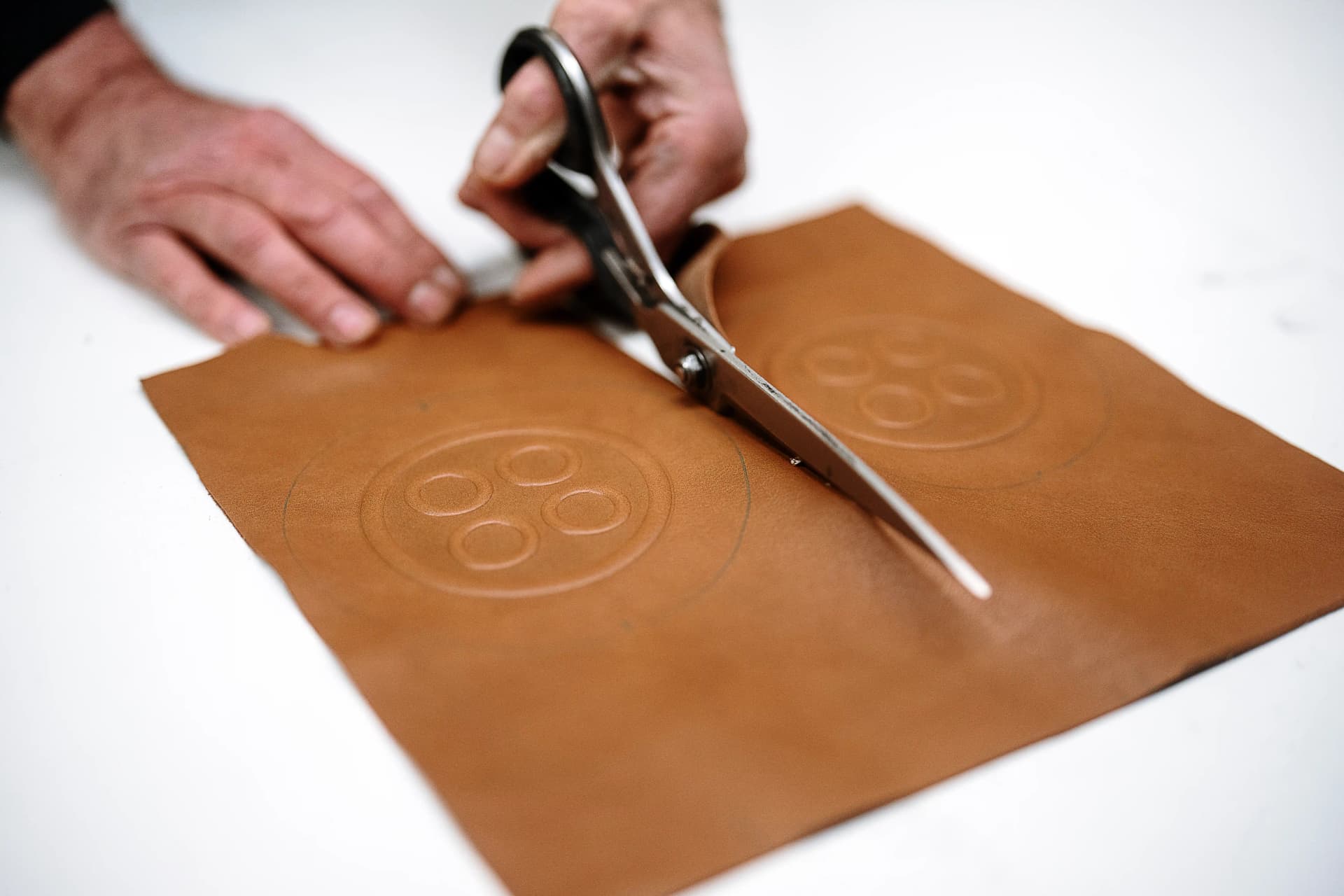
Here, the same technical materials and processes from the automotive world are reinterpreted for living spaces. Pagani mentions furnishings such as the Iconic Sofa and Iconic Bed, made using autoclave processes similar to those used for its hypercars.
AutoNext Take
Horacio Pagani has always seemed less interested in building “vehicles” and more interested in creating beauty through engineering. The Zonda and Huayra were never just fast. They were emotional, obsessive, slightly surreal objects. So when Pagani starts designing private jet interiors or residences, it does not feel random. It feels like the same idea moving into another dimension.