The manual Porsche 911 Carrera S is back, but Europe is not invited
Three pedals, six speeds, and one cruel catch for anyone reading this in Europe
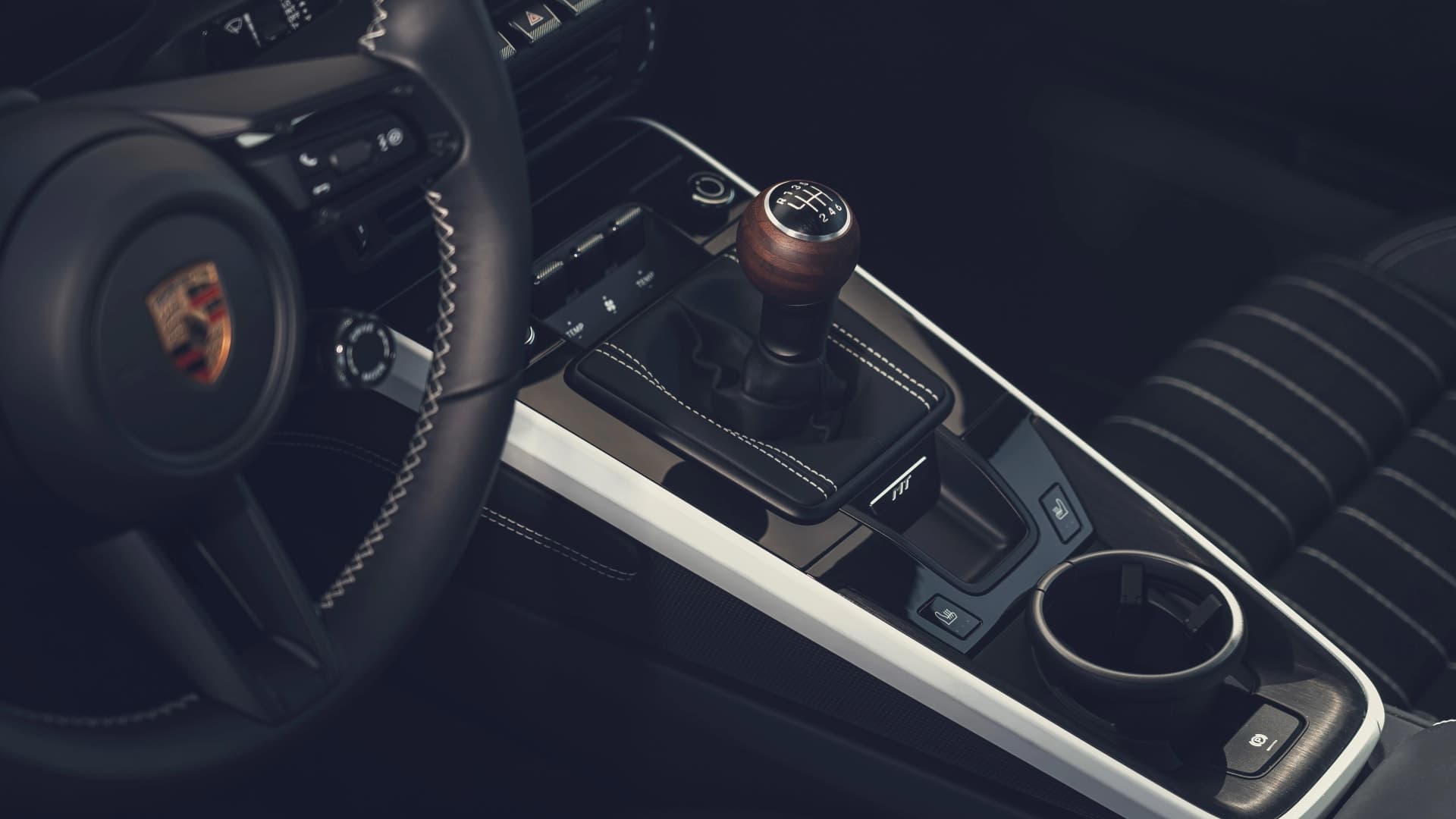
Porsche is bringing back the manual gearbox for the 911 Carrera S, a proper six-speed with a clutch pedal and a walnut shift knob, and for a certain kind of driver it is the best news of the year. Except there is a sting in it. The manual Carrera S is being offered exclusively in North America. Porsche, a German company, is denying its purest driver's option to the drivers on its own doorstep, and the reason it will not spell out says something quietly bleak about where driving for its own sake is still allowed to exist.
What is coming back, and to whom
The car is the current 992.2-generation 911 Carrera S, with its 480 hp 3.0-litre twin-turbo flat-six now available with a six-speed manual instead of the standard PDK, driving the rear wheels only. It comes as a coupe or a cabriolet, and Porsche has loaded it with the good stuff as standard: rear-axle steering, the lowered PASM Sport suspension, Sport Chrono, four-way Sport Seats Plus and centre-lock wheels that save around 8 kg. In the United States it starts at 167,100 dollars for the coupe and 181,000 dollars for the cabriolet, orders are open now, and deliveries begin by the end of 2026. As Porsche North America boss Timo Resch put it, managing a clutch and a shift lever is not for everyone, but for drivers who want it there really is no substitute.
The reason Porsche will not say out loud
Porsche's announcement offers no explanation at all for leaving Europe out, and that silence is itself revealing. The most likely reason is not demand but regulation. A manual gearbox lets the driver, not the software, choose the gear, which makes a car's emissions harder to control precisely across the official test cycle, and certifying a low-volume manual under Europe's tightening particulate and Euro 7 rules is expensive and awkward when the PDK sails through. In other words, the manual Carrera S is not being kept from Europe because nobody here wants it. It is being kept away because the rulebook has made it uneconomic to sell, and that is a very different, and more depressing, thing.
So the manual becomes an American privilege, or a European loophole
Look at the effect and it stings more, not less. North America's looser rules are quietly becoming the last mainstream home of the three-pedal car, while Europe is left with an odd, elitist compromise. You can still buy a manual Porsche on this continent, but essentially only if you can stretch to a GT3 or GT3 Touring, cars sold in tiny numbers where a manual can be justified. The ordinary, attainable manual, the one in a normal Carrera S, is exactly what regulation is squeezing out. So a driving pleasure that used to be democratic is becoming, in Europe, a privilege for people who can afford six figures for a homologation-special track car. That is the wrong way round.
The gearbox and the engine are fighting the same war
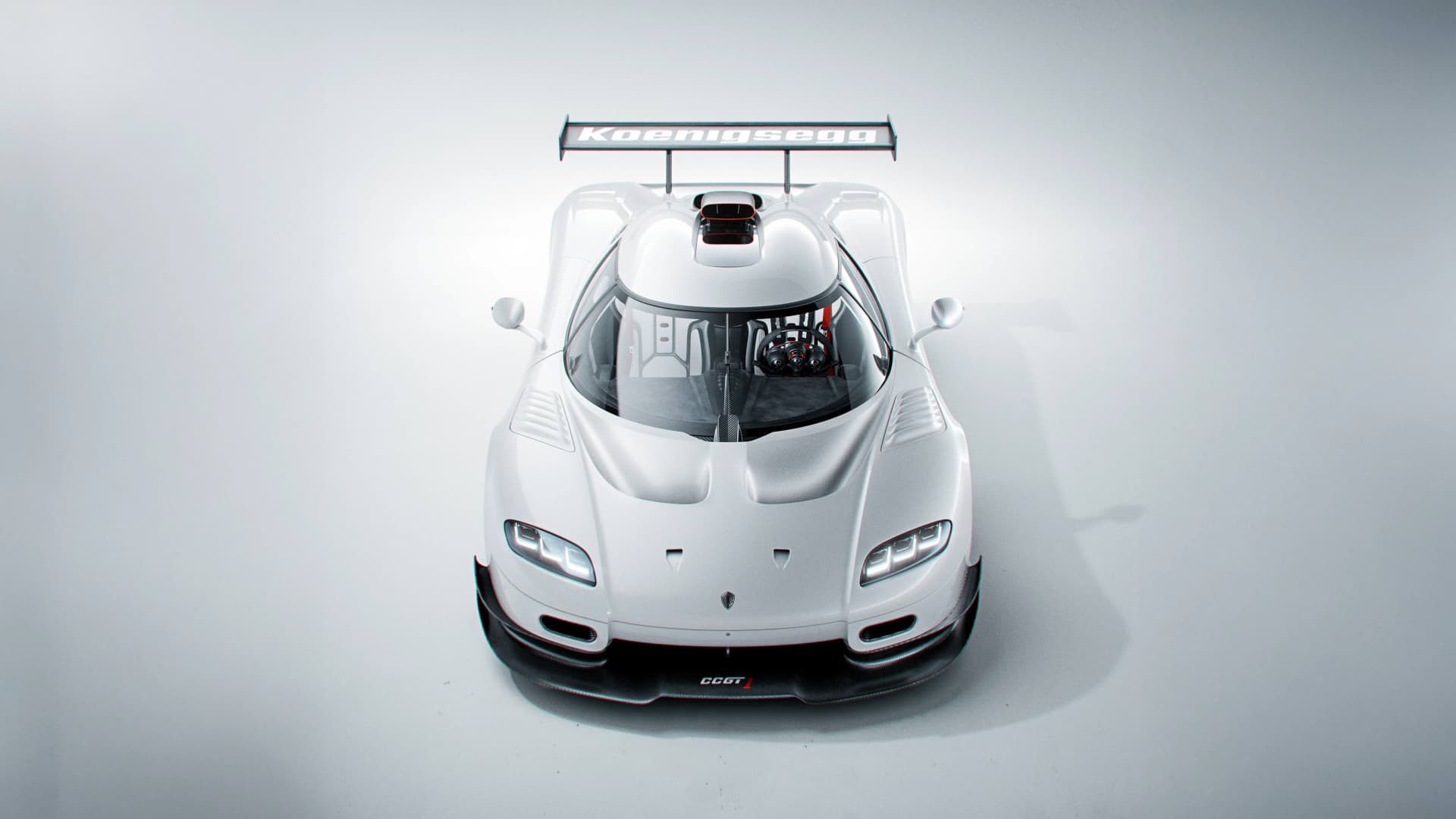
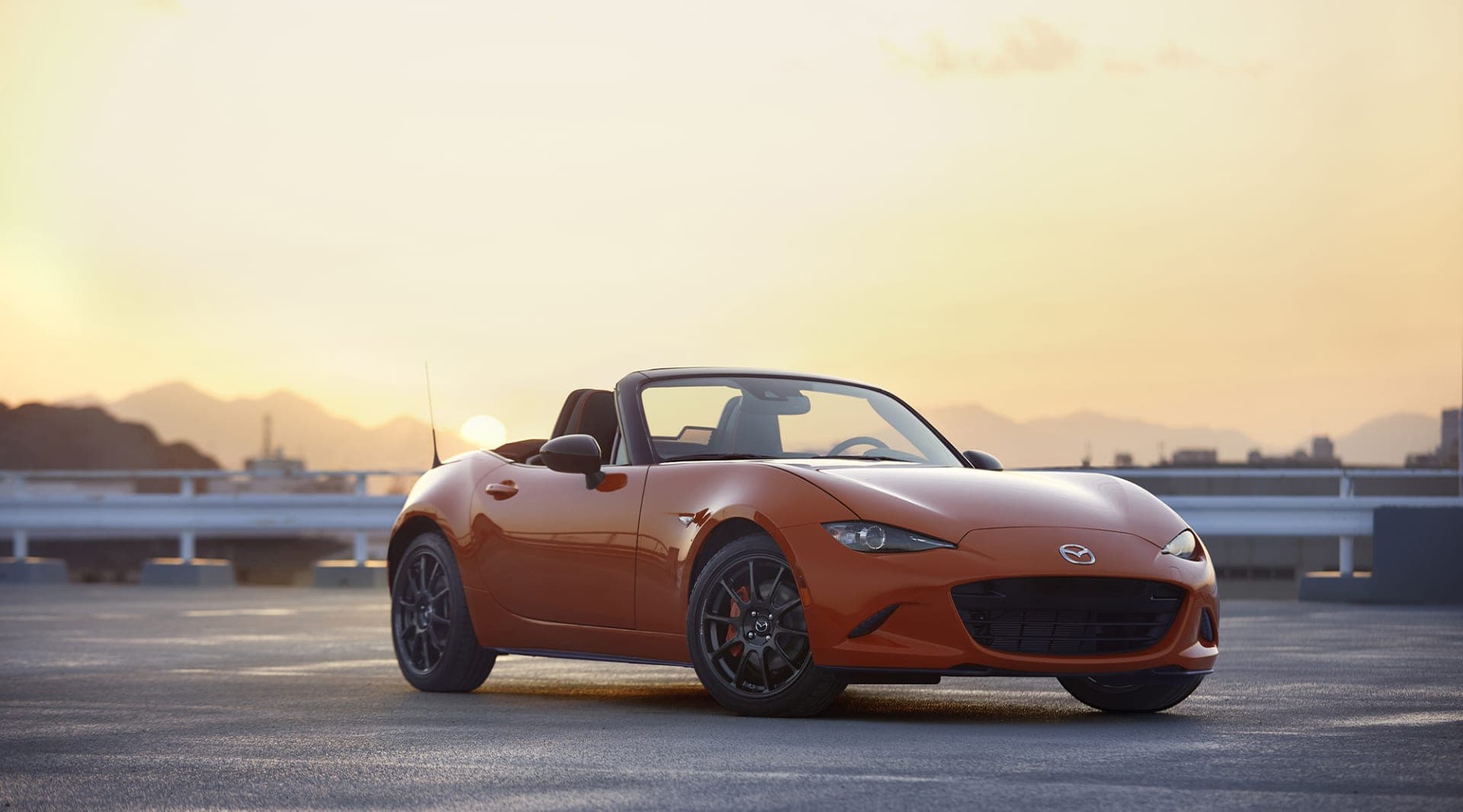
None of this happens in a vacuum. The manual gearbox is fighting exactly the same battle as the combustion engine it is bolted to, a slow war of attrition against regulation and automation, and it is surviving in the same places: at the margins, as a deliberate act of preservation. It lives on in restomods like Eccentrica's naturally aspirated, manual Diablo, in tributes like Koenigsegg reviving a clutch pedal behind 1,600 hp, and in the few remaining believers building light, simple, driver-first cars, such as the next Mazda MX-5 chasing a 1,000 kg kerb weight. The manual is not dead. It is just increasingly something you have to go out of your way, or across an ocean, to find.
AutoNext Take
Let us be clear about what is and is not the tragedy here. The manual Carrera S existing at all, in 2026, is genuinely wonderful, and Porsche deserves real credit for expanding its manual range to seven models while everyone else automates. This is a company that still believes some drivers want to be involved, and acts on it. That part is a gift.
The sting is purely one of geography, and it is a bitter one. The enthusiasts most likely to treasure a manual 911, on the continent that invented the sports car and where Porsche itself is built, are the ones shut out, by emissions rules that a few thousand three-pedal coupes will never meaningfully affect. It is a small injustice in the grand scheme, but a telling one, a neat little symbol of a Europe that increasingly regulates joy to the margins. Enjoy it, North America. And save us a seat.