Switzerland can go racing again, 71 years after the ban that followed Le Mans 1955
Switzerland has just changed one of the most unusual rules in motorsport.
After 71 years, the country is lifting its ban on circuit racing, a restriction introduced after the 1955 Le Mans disaster, the deadliest tragedy in motorsport history. From 1 July 2026, closed-circuit racing will once again be legally possible in Switzerland.
That does not mean a Swiss Grand Prix is suddenly around the corner. But it does mean something important: one of Europe’s most historically motorsport-restricted countries is finally reopening the door.
A ban born from tragedy
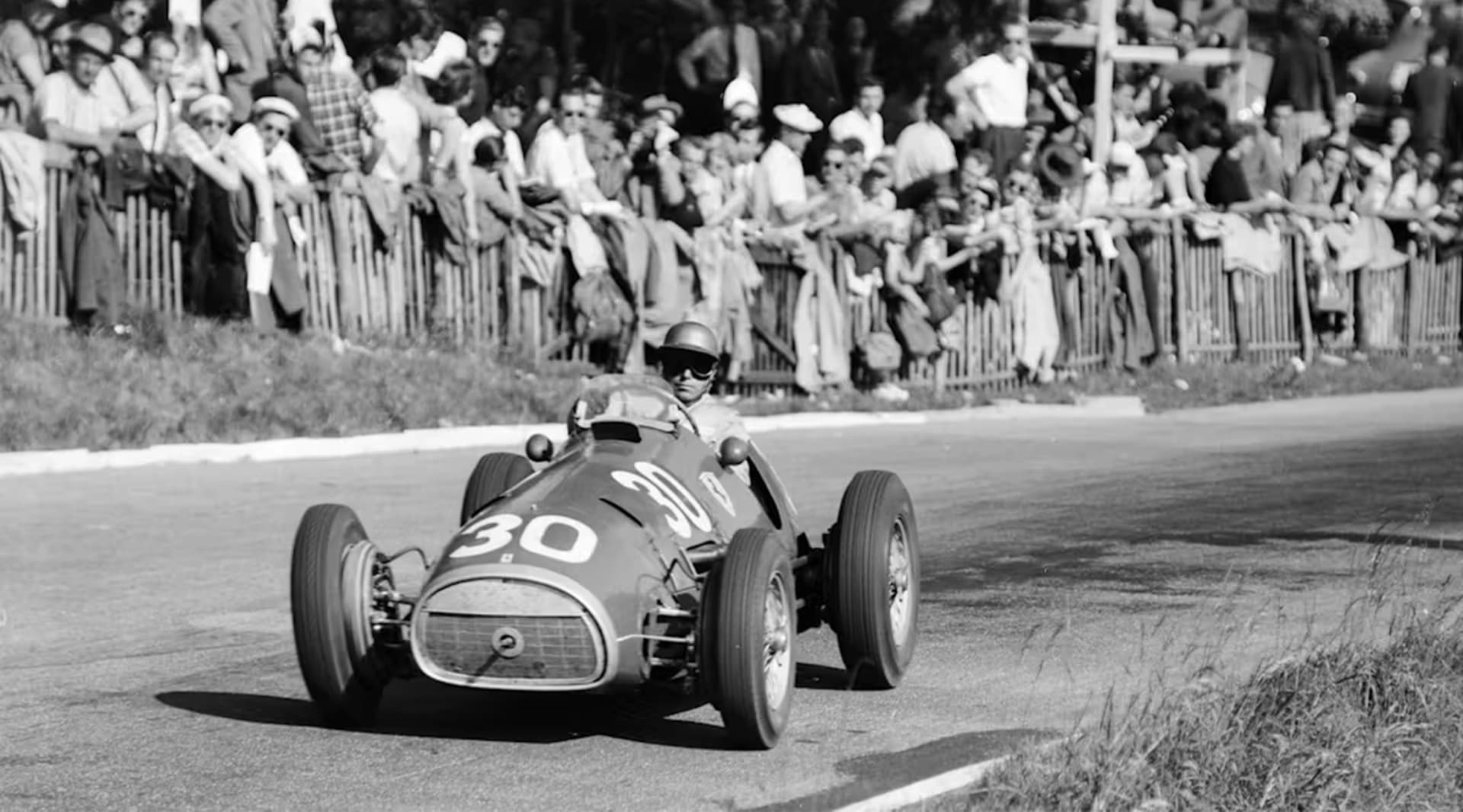
Switzerland’s ban was introduced after the 1955 24 Hours of Le Mans, where more than 80 people lost their lives after Pierre Levegh’s Mercedes-Benz 300 SLR crashed into the spectator area. Several European countries temporarily stopped motorsport events after the disaster, but Switzerland went further and embedded the ban into national legislation.
For decades, that made Switzerland a strange case in racing. The country produced great drivers, hosted major motorsport businesses and remained deeply connected to the sport, but circuit racing itself was effectively blocked. Non-circuit disciplines such as hill climbs and rallies were still possible, and later exemptions allowed Formula E to race in Zurich and Bern, but traditional closed-circuit racing remained off limits.
Racing returns, but not without limits
The new framework does not simply open the floodgates. Switzerland’s 26 cantons will now have authority over whether events can take place within their borders. That means every potential race will still need local approval, with factors such as safety, noise, environmental impact and infrastructure likely to play a major role.
So yes, the ban is lifted. But no, this does not instantly mean Formula 1, MotoGP or WEC will appear in Switzerland next season.
Major international racing needs circuits, logistics, political support and serious investment. Switzerland currently does not have a ready-made FIA Grade 1 facility waiting in the background. So for now, a future Swiss Grand Prix remains more of a fascinating possibility than a realistic near-term plan.
Why this still matters
Switzerland has always had a complicated relationship with racing. The country is home to major motorsport activity, including the Hinwil-based operation now connected to Audi’s Formula 1 future, yet it had one of Europe’s strictest restrictions on racing events. That contradiction always felt strange.
Now, the law finally aligns more closely with reality. Switzerland is not suddenly becoming the next motorsport capital of Europe, but it is no longer legally stuck in 1955.
AutoNext Take
For 71 years, Switzerland carried a motorsport restriction born from one of racing’s darkest days. Lifting that ban does not erase the tragedy of Le Mans 1955, and it should not. But it does show that motorsport, safety standards and public perception have changed.
The future of racing in Switzerland will probably start carefully, locally and selectively. And that is fine. Because the real story is not that Switzerland will suddenly become the new home of Formula 1. The real story is that, after seven decades, Switzerland can finally go racing again.