Tesla sold the future, now European owners want what they paid for
This is a turning point, not a small issue.
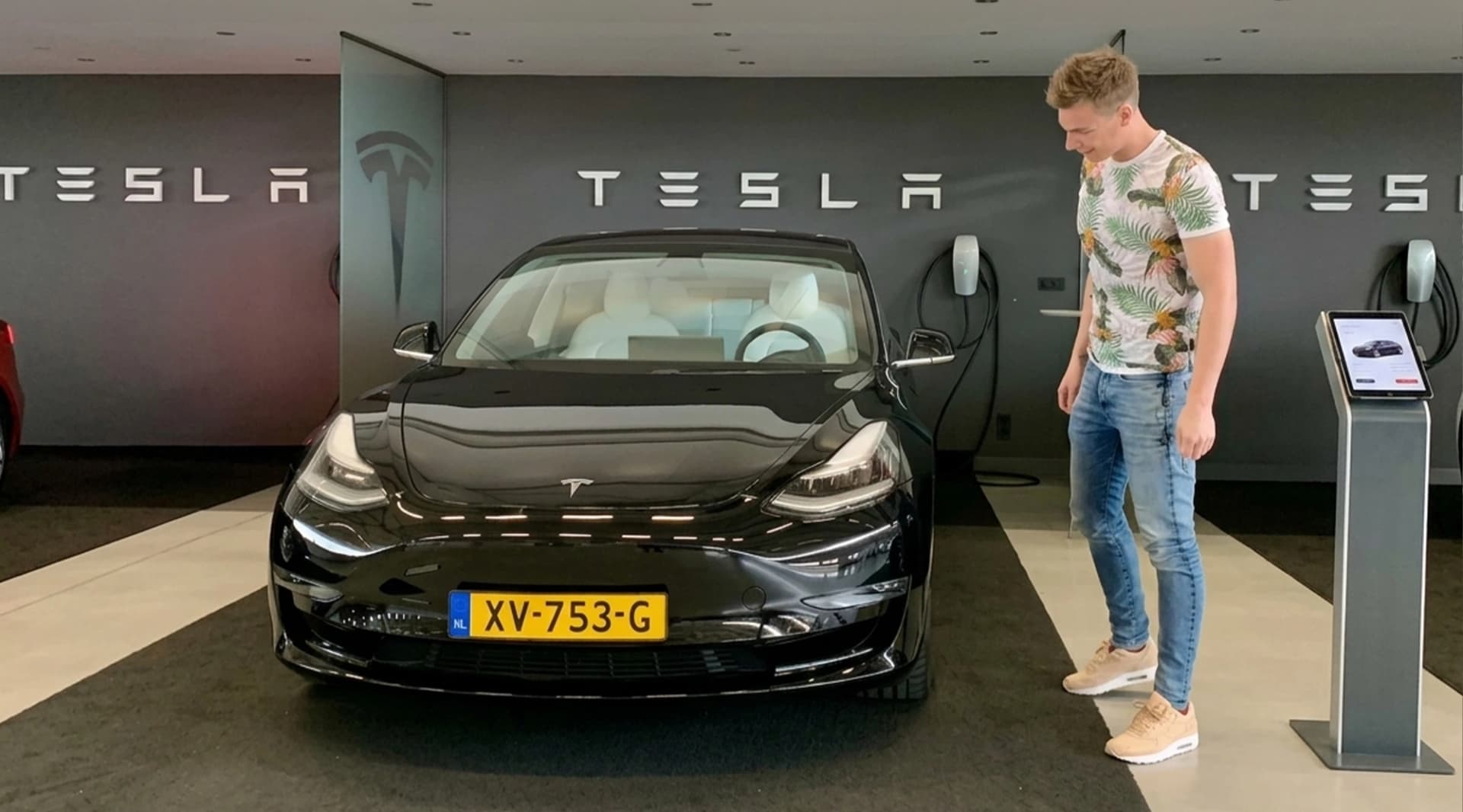
A growing number of Tesla owners are taking legal action after discovering that their cars, equipped with so-called Hardware 3, won’t support the latest version of Full Self-Driving. Not because of a temporary delay, but because the hardware itself is no longer considered capable of running the system as intended.
What Tesla promised and where things started to shift
Back in 2019, Tesla made it clear that vehicles equipped with Hardware 3 would be ready for full self-driving through future software updates. It wasn’t a vague suggestion, it was a key part of the sales message.
Customers believed it. Many paid several thousand euros for the Full Self-Driving package, often between €6,000 and €7,500, expecting that the capability would eventually arrive through over-the-air updates.
Seven years later, the reality looks very different. The latest version of FSD, now approved in parts of Europe, only runs on newer hardware, typically referred to as HW4 or AI4. That leaves a large group of existing owners with a feature they paid for, but cannot actually access in its intended form.
Why owners across Europe are now taking legal action
This isn’t just frustration anymore, it’s turning into coordinated action. Across Europe, Tesla owners are starting to organise themselves, combining individual complaints into collective legal initiatives. The Netherlands is currently one of the key starting points, but the issue itself is far broader and clearly not limited to one country.
What drives this movement is simple: people feel they paid for a product that is no longer being delivered as promised. And unlike software delays, which can be explained or accepted, a hardware limitation feels final. That’s why the tone has shifted from patience to legal pressure.
A problem measured in millions, not in isolated cases
This situation is significant because of its scale. We’re not talking about a small group of early adopters. Estimates suggest that millions of Tesla vehicles worldwide are equipped with Hardware 3. A large share of those owners opted for Full Self-Driving, meaning the number of affected customers is substantial.
At the same time, Tesla is already facing multiple legal challenges related to Autopilot and FSD systems. Combined, these cases could represent billions in potential liability. The European situation is now becoming part of that broader picture.
Tesla has faced this before but handled it differently
What makes the current situation harder to defend is Tesla’s own precedent. When earlier hardware (HW2.5) proved insufficient for Full Self-Driving, Tesla replaced it with Hardware 3 at no cost for customers who had purchased the feature. That decision set a clear expectation: if the hardware cannot deliver what was promised, Tesla steps in and fixes it.
This time, the approach appears different. Instead of offering a clear upgrade path, Tesla has so far relied on explanations related to development and regulation, while hinting at limited versions of the system for older vehicles. From an engineering perspective, that may be understandable. From a customer perspective, it feels like a shift in the agreement after the fact.
Why this goes beyond software and into brand trust
Tesla has never positioned itself as a traditional car manufacturer. Its entire value proposition is built around the idea that cars improve over time through software. That promise is what justified early adoption. It’s what allowed Tesla to move faster than competitors. And it’s what made customers accept uncertainty.
But that model only works if the upgrades eventually arrive in a way that matches expectations. If customers start to feel that what they paid for depends on future hardware changes that were never clearly communicated, the foundation of that trust starts to weaken.
The timing makes it even more sensitive for Tesla
The broader market context makes this situation even more critical. Electric vehicles are no longer a niche. Competition has increased rapidly, particularly from Chinese manufacturers offering strong value and fast-moving technology. At the same time, traditional brands are catching up, especially in areas like build quality and user experience.
Customers, meanwhile, have become more demanding. They are less willing to accept promises without clear delivery and more focused on what works today. In that environment, situations like this don’t stay isolated. They influence how the entire brand is perceived.
What Tesla can still do to fix the situation
Tesla still has options, but each comes with its own challenges. Offering hardware upgrades would align with past decisions, but could be costly at scale. Financial compensation might ease some of the pressure, but wouldn’t fully solve the core issue.
Continuing to defend the situation legally could limit immediate impact, but risks long-term damage to trust. What matters now is clarity. Customers don’t expect perfection, but they do expect transparency and consistency.
AutoNext Take
Tesla didn’t just sell cars. It sold a belief, the idea that your car would keep getting better over time. That belief has been one of the brand’s biggest strengths. It is also what is now being tested.
If Tesla manages to close the gap between promise and delivery, it reinforces its position as one of the most forward-thinking companies in the industry. If it doesn’t, this moment could mark a shift in how customers evaluate not just Tesla, but the entire concept of software-defined cars.