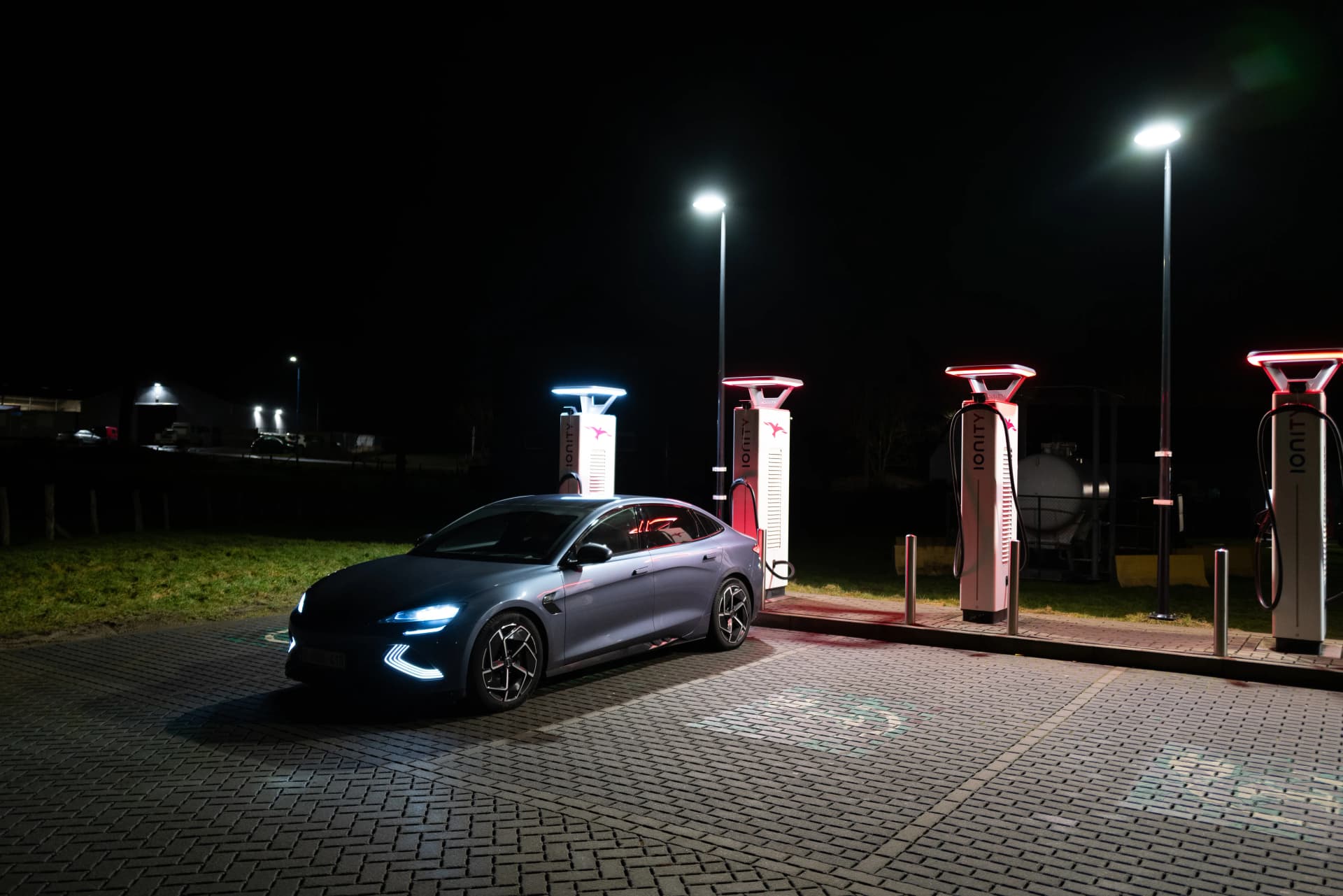
2026 BYD Seal
A striking electric sedan, yet it doesn’t fully inspire confidence over long distances.
Some cars only reveal their true character when you put them through far too many kilometres in far too little time. The BYD Seal Excellence AWD is exactly that kind of car. No neat half-day test drive, no predictable loop around the block (but over 3,200 kilometres in a single week, including more than 2,200 kilometres in just 48 hours. Austria, Paris, back home) highways, cold nights, charging stops, detours, stress, fatigue, and above all: plenty of time to discover where a car truly excels… and where it doesn’t.
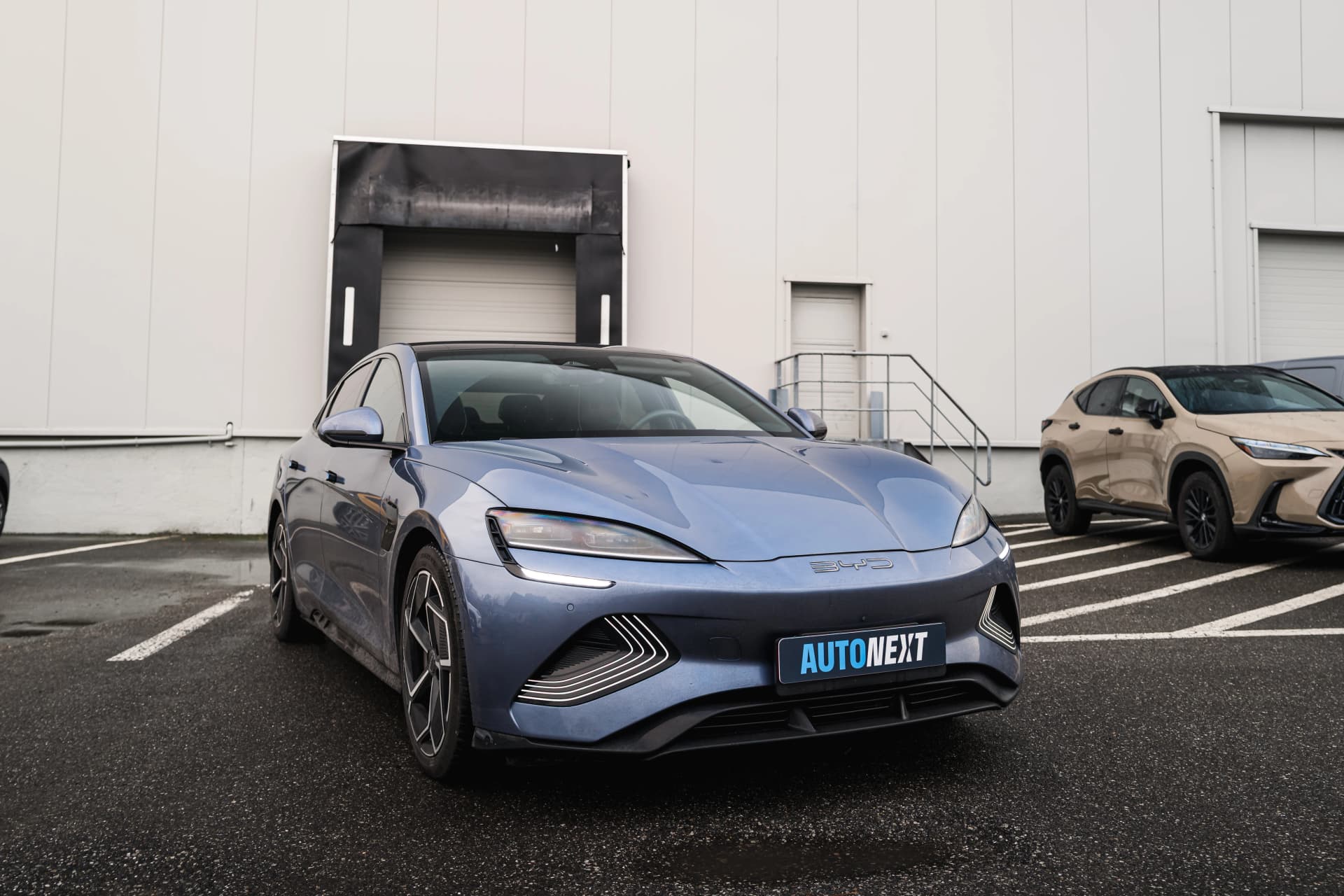
And that makes it interesting, because the BYD Seal is now appearing everywhere across Europe. You see it more and more on the road and that’s no coincidence. On paper, this is a highly compelling product.
The Excellence AWD features an 82.5 kWh Blade Battery, delivers 390 kW (530 hp) and 670 Nm, sprints from 0 to 100 km/h in 3.8 seconds, and offers up to 570 kilometres of WLTP range. Fast charging peaks at 150 kW DC, allowing a 30 to 80 percent charge in just 26 minutes. It also comes with a 53-litre frunk, a 400-litre boot, a rotating 15.6-inch touchscreen, and a 5-star Euro NCAP safety rating. On paper, then: impressive.
But cars aren’t bought on paper. They’re bought on feeling, trust, and the experience they deliver when it actually matters. And that’s exactly where the BYD Seal becomes a far more interesting story.
Design that truly works
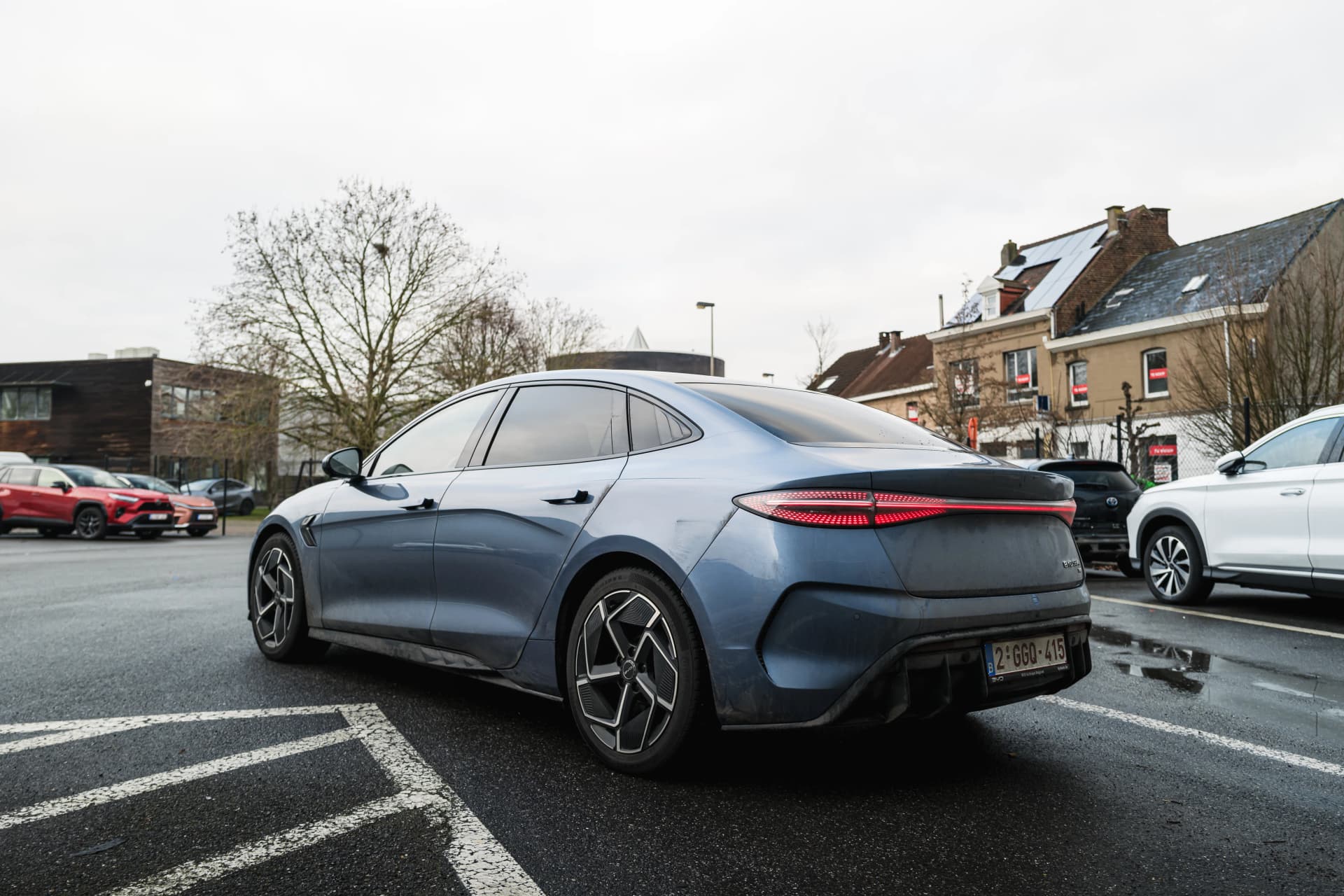
Let’s start with the good news: the BYD Seal is a good-looking car. Really good-looking. Especially at the rear, it has something muscular: clean, modern, without tipping into cheap futurism. You also notice it in how people react. Other drivers look. They hesitate for a second, wondering what it is. And more often than not, they like what they see. That alone is an achievement, especially for a brand that still feels relatively new to many Europeans.
Its proportions are right, and it sits lower, sportier, and more like a proper sedan than the average electric crossover currently flooding the market. That helps. Not everyone wants an SUV. Not everyone wants a Tesla. Not everyone wants a car that looks like it was designed by a spreadsheet. The BYD Seal, at least, has a face.
Interior: great to look at, less convincing to touch
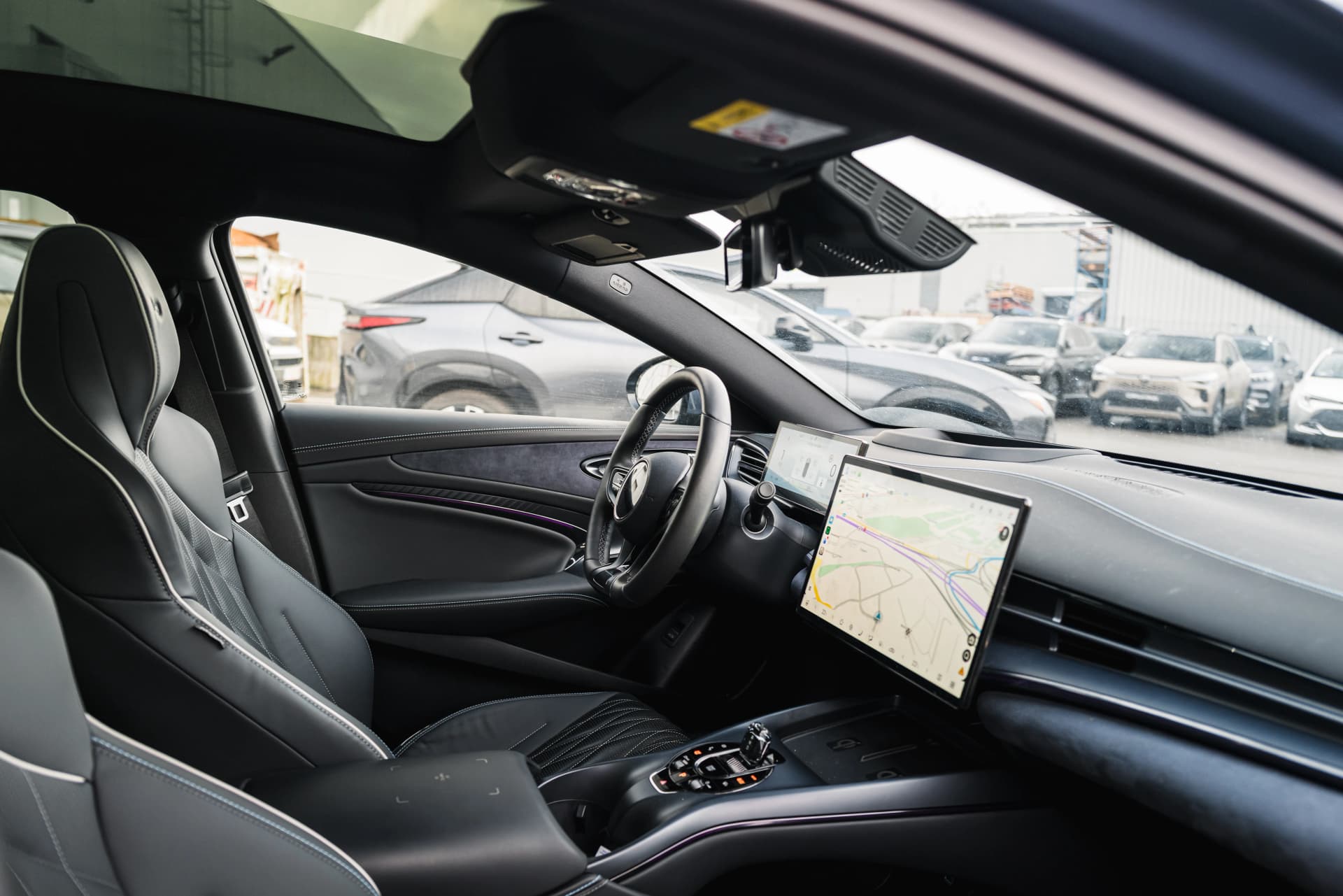
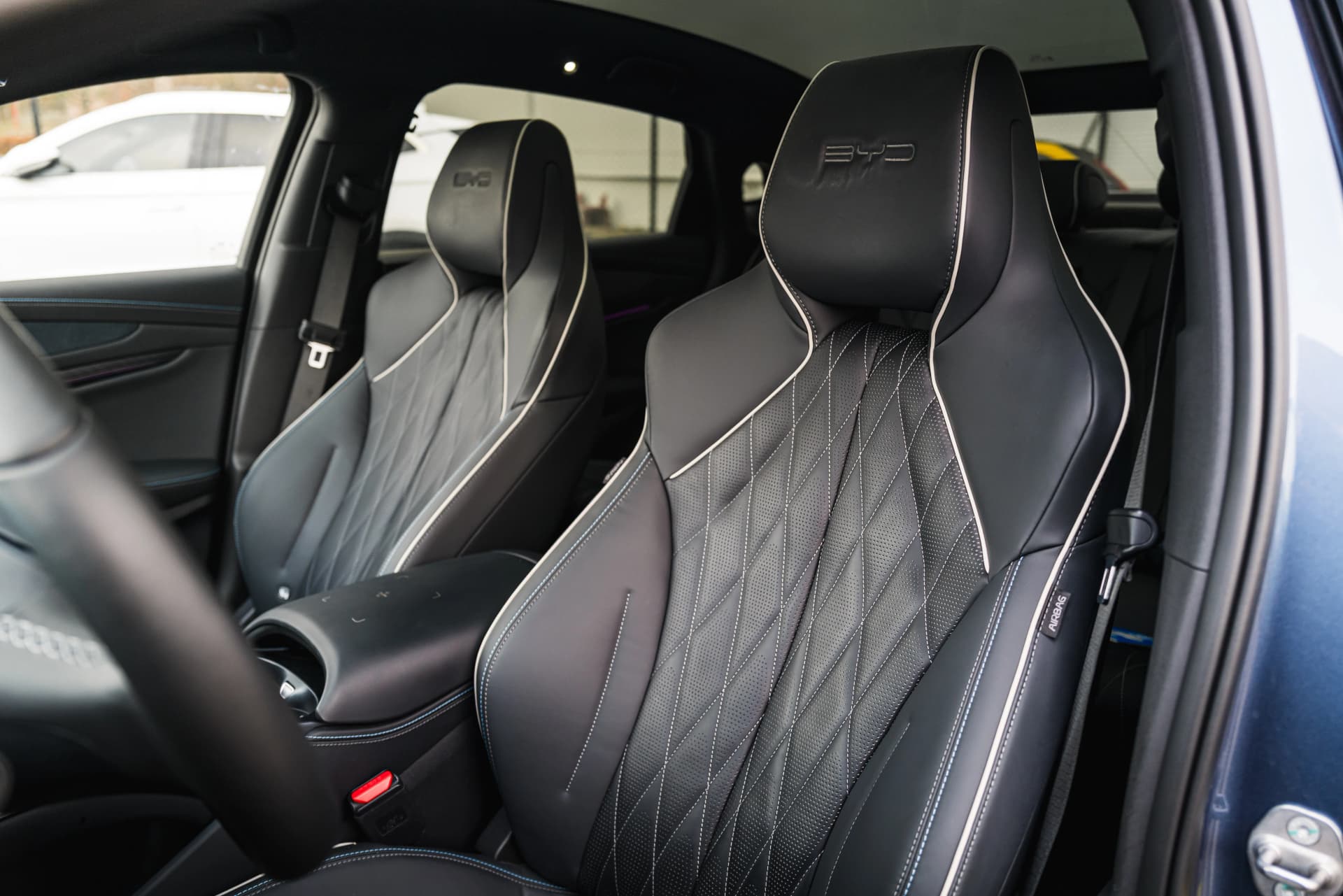
Inside, our test car came in black, although there’s also a lighter interior option that honestly looks quite good. At first glance, the cabin makes a strong impression. The dashboard design is modern, the central screen naturally draws all the attention, and the overall atmosphere feels premium enough to suggest you’re driving something upscale.
Until you start touching things. That’s where it begins to shift slightly. Not everything that looks premium actually feels premium. The “leather” and some of the soft-touch surfaces come across as slightly plasticky, and certain Alcantara-like accents lack the richness you’d expect in a truly high-end interior. It’s not bad but it’s less convincing than it initially appears. That said, the seats are comfortable, the cabin is quiet, everything functions as it should, and there’s a clear sense that this is a modern car that’s been thoughtfully put together.
The large rotating screen is the gimmick BYD likes to highlight. Fun in the showroom, less relevant in real-world use. In portrait mode, it doesn’t support CarPlay, which makes the whole rotation feel more like a trick than a genuine advantage. That’s a shame, because technically it’s impressive, but functionally it lacks purpose.
The menus, meanwhile, are endless. There are simply too many settings, often made unnecessarily complex. Things that should be simple on/off functions turn into submenus of their own. At times, it feels more like software for the sake of software than something designed to genuinely help the user.
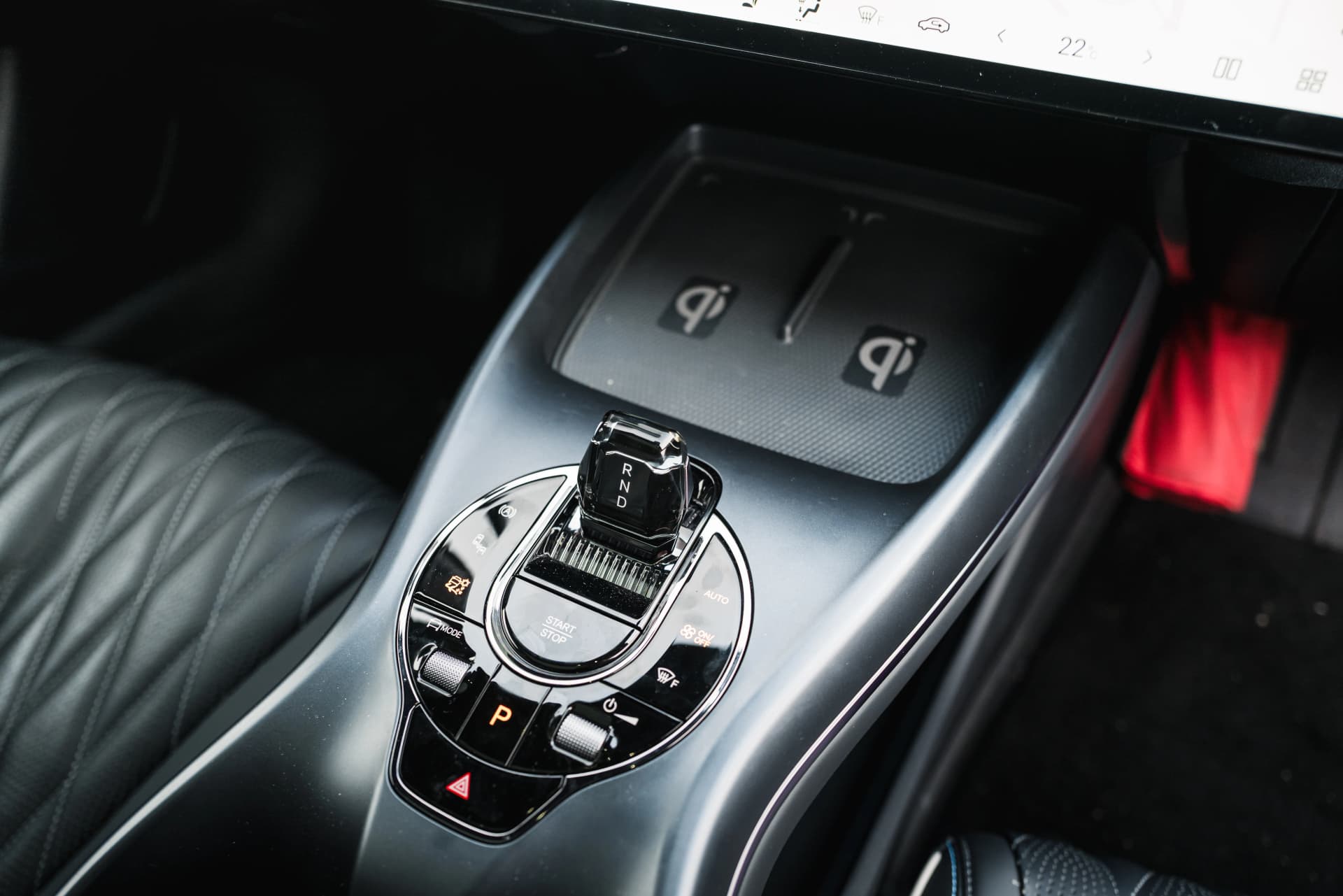
Physical buttons on the centre console are limited but welcome. Wireless charging, plenty of charging ports, practical storage, all well executed. Still, the logic behind some functions isn’t ideal. Even something like the steering wheel heating isn’t always clearly indicated. Small things, but on a long journey, small irritations tend to grow.
Space and seating position: good, but not for everyone
The seats themselves are good, especially in terms of support, but the overall seating position may not suit everyone, particularly taller drivers. The floor sits relatively high, which limits how much you can properly stretch your legs. For someone around 1.87m, that starts to become noticeable after a few hours.
You’re not uncomfortable, but you’re not effortlessly comfortable either. It feels as though the car is just slightly better suited to smaller drivers. Rear space is decent, but it’s not quite the spacious lounge the exterior might lead you to expect.
Driving: smooth, quiet and surprisingly mature
At its core, the BYD Seal drives well. Very well, in fact. It’s quiet, stable, sufficiently refined, and carries a sense of calm that makes it an easy car to live with. On straight roads and especially on the motorway, this is a genuinely pleasant long-distance cruiser.
The suspension is on the firmer side (particularly for a heavy EV) and could, in our opinion, be a touch softer. As a passenger, you do notice on certain roads that your head tends to follow the surface a bit too enthusiastically.
The powertrain, of course, is strong. With 530 hp and 670 Nm in a sedan of this size, it’s always fast when you ask it to be and it delivers. The 0 to 100 km/h sprint in 3.8 seconds isn’t just a marketing claim; this car is genuinely quick. But this review isn’t about acceleration figures. Because even a fast EV today needs to excel at the basics. And that’s where we arrive at the core of the issue.
The main issue: range confidence
Our test with this car was intense. And precisely because of that, one thing became painfully clear: the range estimation and real-world efficiency on long distances don’t inspire enough confidence. Officially, the Excellence AWD claims 570 kilometres of WLTP range. In reality, we never came close, not even remotely. On long journeys, in cold conditions and with extended motorway driving, the range dropped far quicker than expected.
More importantly, the system didn’t give us enough confidence in what was actually left. You start calculating, recalculating, adjusting your speed (from 110 down to 95 km/h) and still, the car continues to lose range in a way that doesn’t feel reassuring. That creates stress. Real stress. Especially when your next charging stop is still some distance away.
And that’s exactly where some competitors do better. Not necessarily because they are dramatically more efficient, but because they are more transparent. An electric car should help you plan, not force you to guess. In urban or regional driving, this matters less. But once you’re doing longer trips with two or three charging stops, it becomes crucial.
On top of that, the 150 kW DC charging speed is perfectly acceptable, but no longer exceptional in this price range. The official claim of 30 to 80 percent in 26 minutes is solid, but no longer class-leading. On its own, not a dealbreaker but combined with a real-world range that lacks confidence, it becomes more relevant.
Thermal management and winter usability
Another noticeable point was comfort in colder conditions. Despite setting the climate control to 22 or 23 degrees, the cabin still felt oddly cool. As if there was a constant flow of cold air lingering somewhere behind the dashboard or around the lower area.
Not dramatic, but definitely irritating, especially at night or early in the morning, when you simply expect an EV to feel warm and comfortable quickly. Here, it didn’t quite deliver as expected.
The one-pedal driving could also be better. It simply doesn’t feel fully developed. Not strong enough, not natural enough. In a modern EV, you want the deceleration to feel well-calibrated and intuitive. Here, it remains too mild and lacks refinement.
Practical details that start to stand out
When a car doesn’t fully convince on the fundamentals, smaller details begin to stand out more quickly. Take the flush door handles, for example. If the car is unlocked, they don’t always present themselves as immediately as you’d expect.
Not a major issue, but it’s one of those features that feels charming and futuristic at first, yet gradually becomes more frustrating over time.
That said, the 53-litre frunk is useful, the 400-litre boot is perfectly practical, and the overall build quality is tidy enough. This is not a bad product, not at all. But it is a car that starts to show its limitations on longer journeys sooner than we had hoped.
The Seal’s place in the market
And that’s where things get interesting. Because at around €48,000 to €54,000, depending on specification and current offers, the BYD Seal sits in a highly competitive segment. The Excellence AWD is officially priced at around €53,550, with temporary commercial incentives potentially bringing that figure down even further.
That puts it directly up against cars buyers naturally gravitate towards: the Tesla Model 3 Long Range or Performance, the Hyundai Ioniq 6, and even certain German alternatives when they’re available with strong promotions. Which leads to a simple question: do you buy this car because it’s objectively the best choice, or because you genuinely want it?
AutoNext Verdict
The BYD Seal Excellence AWD is a good car. It looks great, drives well, is quick enough to silence most passengers, offers a solid interior, a pleasant sense of quiet, and an overall package that works well for those driving mainly on a regional or national level.
But the moment you use it for what still makes many people hesitate about EVs today (long, demanding journeys with multiple charging stops) it starts to work against you rather than with you.
And that’s exactly where a modern electric car should inspire confidence. The Seal simply doesn’t do that enough. So yes: a striking sedan, a solid product but not the EV we would choose for serious long-distance driving. And in this price range, that distinction matters.
Discover more
Dive deeper into the world behind every car.
On every detail page you will find a complete and transparent presentation of the vehicle: from technical specifications and option lists to service history, features and unique highlights.
Search cars
Discover our premium selection, compare the different models with ease and find the car that perfectly matches your style and expectations.
Your next exceptional driving experience starts here.
Expert reviews
Our experienced car experts put every car under the microscope and share honest, in-depth insights that go beyond the standard brochure information.
From ride comfort and technology to build quality and performance. We analyse every detail so you can make the right choice with confidence.
