Did you know the legend behind Jeep's seven-slot grille is a myth?
The best car legends are usually the ones that are not quite true
Ask a Jeep fan why their car has seven slots in the grille and you will often get a wonderfully romantic answer: that the Jeep was the first vehicle to drive on all seven continents, so it proudly wears seven slots as a badge of honour. It is a great story. It is also almost certainly nonsense. The real reason is a lot more down to earth, and honestly a lot more interesting.
It started with nine, not seven
The original wartime Jeep, built during the Second World War as the Willys MB and the Ford GPW, did not have a seven-slot grille at all. It had nine. The design everyone remembers actually came from Ford, which created a simple, cheap, single-piece stamped-steel grille, and with the US Army wanting standardised parts, both companies built their Jeeps with that nine-slot face.
Then came the lawyers, and the headlights
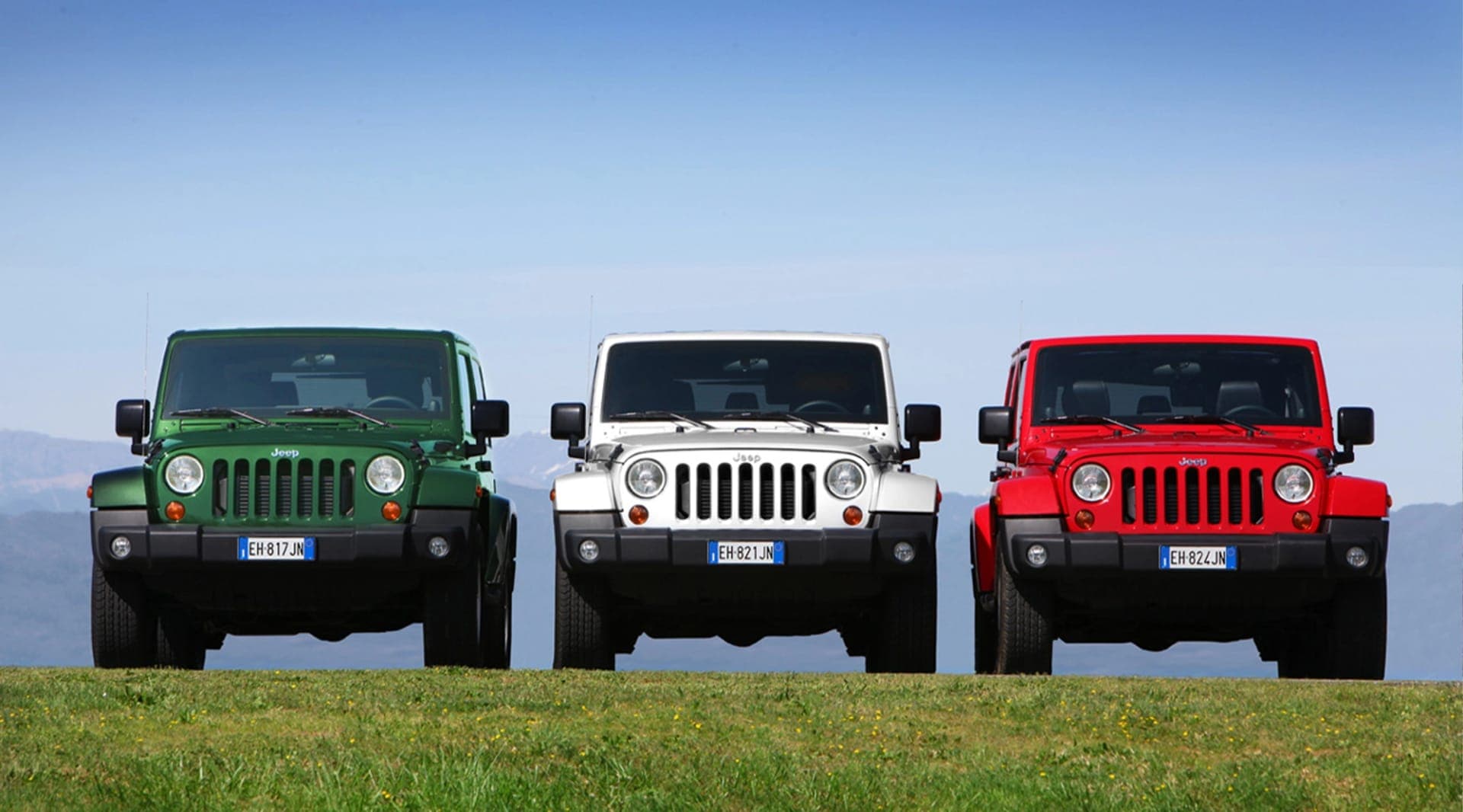
The twist arrived when the war ended and Willys wanted to sell Jeeps to civilians. There was a problem: Ford held the patent on that nine-slot stamped grille. Willys needed a face that still looked like a Jeep but was legally distinct from Ford's design, so it simply took the nine-slot grille and removed two slots. There was a practical bonus, too. According to Jeep's own owner Stellantis, civilian models needed larger headlights than the military version, and dropping the two outer slots made room for them. The seven-slot grille made its debut on the 1945 CJ-2A and has been Jeep's signature ever since.
So why exactly seven?
Here is the honest bit: there is no official reason for landing on seven specifically rather than, say, six or eight. It is simply what worked once two slots came off, and the number stuck. The continents story, and a similar tale about the seven seas, grew up afterwards as a nice piece of folklore. It is romantic, it fits the Jeep's go-anywhere image, and it is completely made up. What is very real, though, is the legal status of that grille: Willys, and now Jeep, trademarked the seven-slot design as protected trade dress in the US and many other markets, which is why rival brands have to be careful about copying it.
AutoNext Take
We have a soft spot for stories like this, because the mundane truth is so much better than the myth. A grille that exists because of a patent dispute and a pair of bigger headlights is a perfect little snapshot of how car design actually happens: not through grand symbolism, but through engineers and lawyers solving practical problems, and only later does marketing wrap it in romance. The seven continents make a lovely tale, but a clever workaround to dodge Ford's patent is a much more honest bit of history.
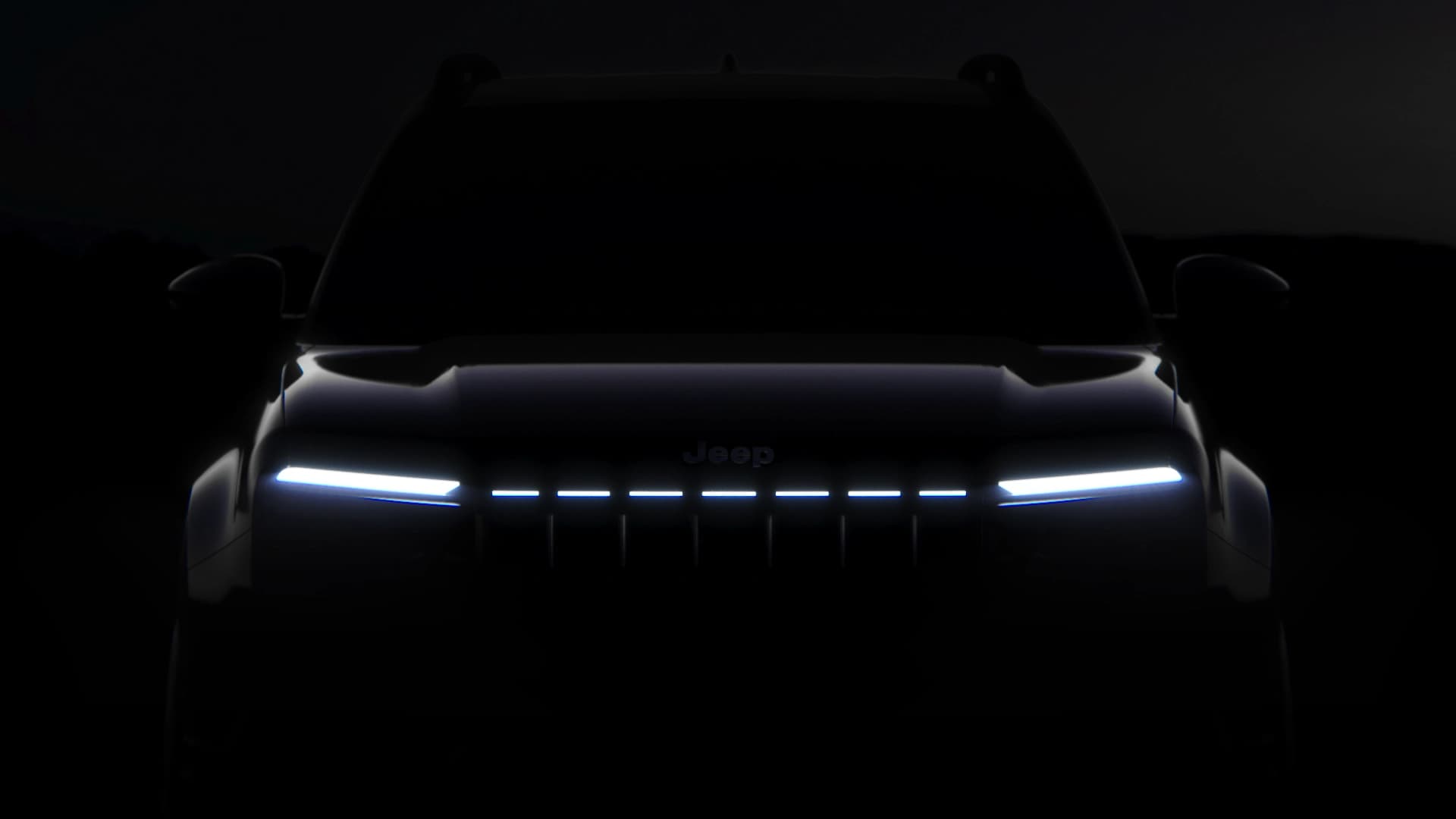
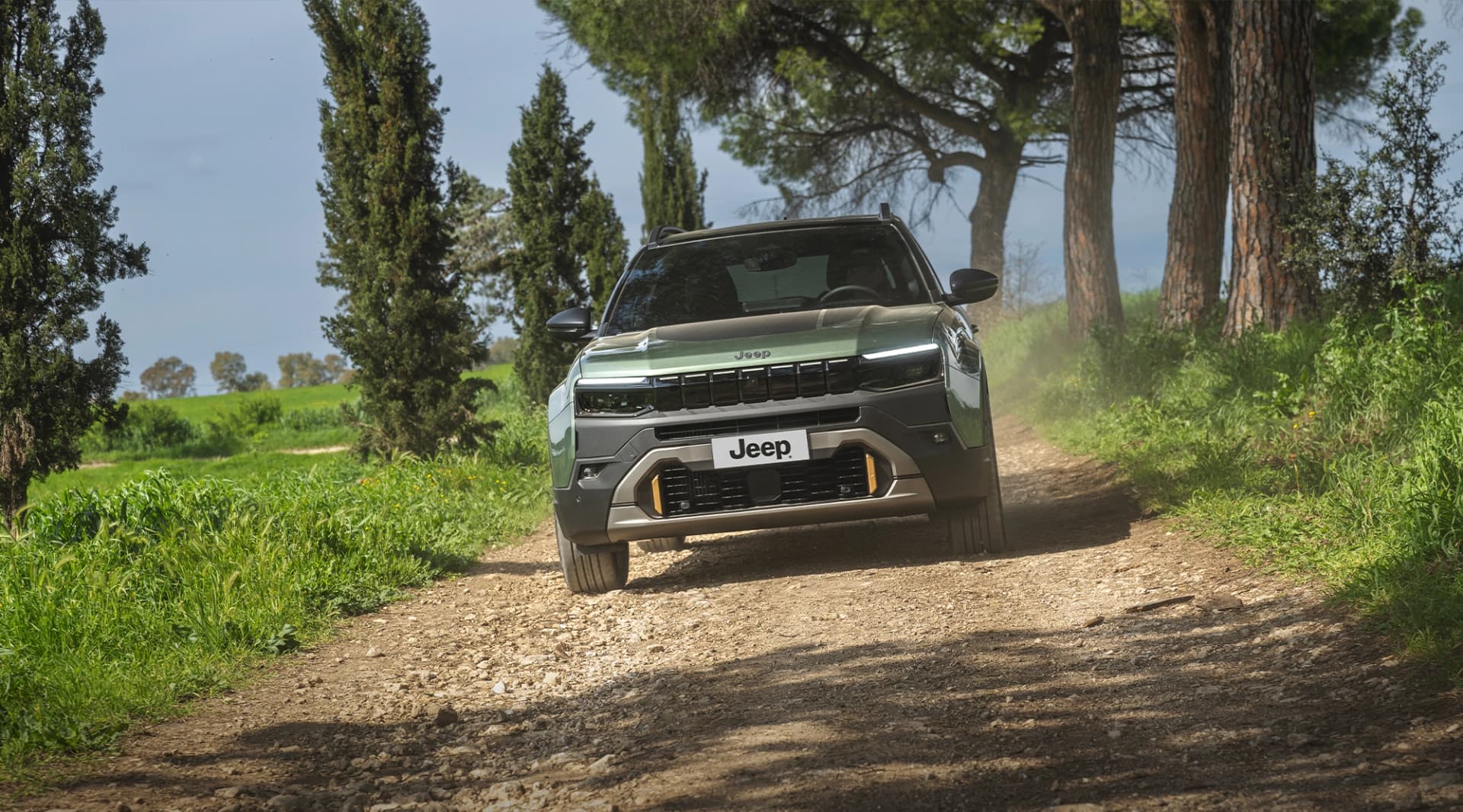
It is also a reminder of how powerful a simple shape can become. Those seven slots started life as a compromise, and eight decades later they are one of the most valuable and fiercely protected pieces of design in the industry, instantly recognisable anywhere in the world. Jeep has spent the years since guarding them like treasure, right up to putting an illuminated version on its latest electric models. Not bad for a grille that only exists because someone else owned the rights to the last one.