The company that makes every F1 tyre just changed hands, and the buyer sells ammunition
The tyre on every F1 car now has an ammunition magnate behind it
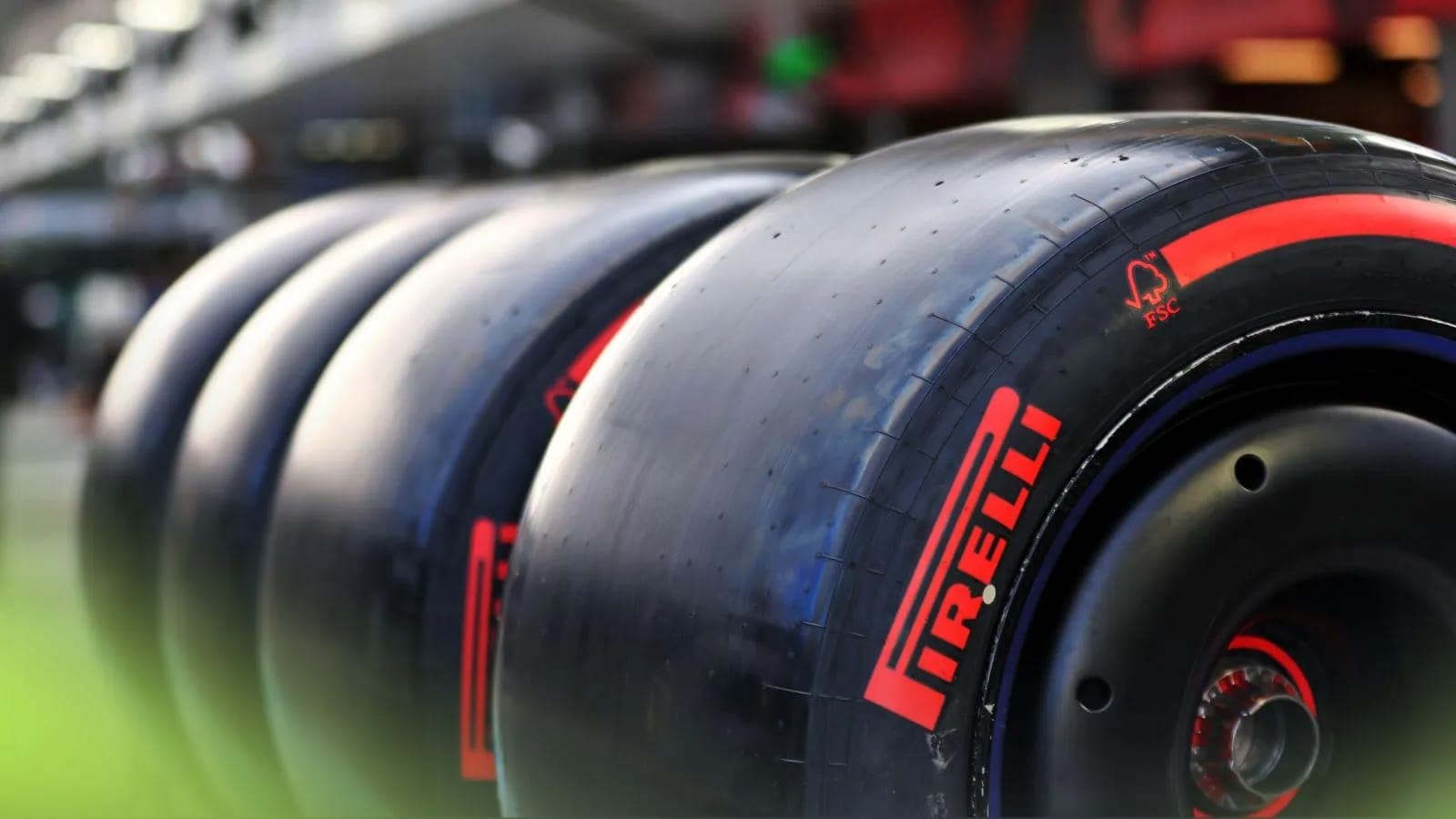
Pirelli, the sole tyre supplier to Formula 1 and one of the great names in premium rubber, has a new power broker, and he does not come from the car world at all. Michal Strnad, a 33-year-old Czech defence tycoon who made his fortune supplying ammunition to Ukraine, has bought 14% of Pirelli for just under 1 billion euro. He bought it directly from China's state-owned Sinochem, which is the part that turns a share deal into a geopolitical one.
The deal in plain terms
Strnad bought the 14% holding through Lumina Crown, a personal investment vehicle kept deliberately separate from his defence group CSG, so the weapons business stays a weapons business while his own portfolio diversifies. The seller was China National Tire & Rubber, a Sinochem subsidiary, and the price was just under 1 billion euro, about 1.15 billion dollars, making Strnad Pirelli's third-largest shareholder. Notably, the transaction needed no antitrust or Italian golden-power approval to go through. The money came from the record January 2026 stock-market listing of CSG, a fortune built almost entirely on the war in Ukraine.
Why governments cared who owned a tyre company
A tyre maker rarely triggers a national-security debate, but Pirelli is not an ordinary supplier. It fits every car on the Formula 1 grid, supplies premium original equipment to the likes of Ferrari, and its modern tyres carry sensors that read the road and feed data back, the kind of connected technology that makes ownership more than a financial question. For years Rome scrutinised Sinochem's grip under its golden-power rules and Washington fretted about Chinese state control of that data and know-how. This is the same anxiety now reshaping the whole industry, from which brands get to sign off a tyre for a Porsche 911 to who owns the factory that makes it.
A war fortune is now doing Europe's industrial security
Here is the twist worth sitting with. Everyone agreed Chinese state control of Pirelli was a problem; almost no one expected the solution to arrive from a 33-year-old arms dealer's private account. Strnad, worth roughly 18 billion euro, inherited CSG in 2018 and turned it into one of Europe's biggest ammunition suppliers to Ukraine, then went shopping. He already owns Italy's Fiocchi Munizioni and America's Remington and Federal brands, and his personal holdings now stretch from the Four Seasons in Prague to a fertility clinic to Ferrari and Maserati dealerships, and now to Pirelli. Neither a government nor a car company pried this asset back from Beijing. A weapons billionaire did it, as a side investment.
Does swapping Beijing for an arms baron actually fix it
It is worth being honest about what this does and does not settle. For Rome and Washington, moving a big Pirelli stake out of Chinese state hands is exactly the outcome they wanted, and that concern genuinely eases. But 14% is a minority holding, not outright control, and Pirelli's boardroom has been contested for years, so the governance story is not over. There is also a certain irony in calming security nerves by handing influence over a consumer and motorsport icon to a defence-industry owner. It answers the question everyone was asking. It quietly opens a different one.
AutoNext Take
The easy version of this story is a patriotic rescue: China out, Europe in, a strategic asset saved. The more interesting version is what it reveals about where power and money actually sit in 2026. The Ukraine war did not just redraw Europe's security map, it minted fortunes large enough that a single 33-year-old can casually spend 1 billion euro to rewrite who owns one of the continent's crown jewels, filed somewhere between his ammunition empire and his hotel.
Strnad once explained his buying philosophy by saying he cannot eat two dinners and that acquisitions do not make golden hamburgers, meaning each one has to earn its keep. Pirelli evidently does. But the lasting takeaway is not about tyres at all. It is that the job of keeping strategic European industry out of Chinese hands is increasingly being done not by Brussels or Rome, but by private war money moving faster than any government could. Watch who buys the next one.