Hyundai's cheapest electric car yet starts under 30,000 euros in Belgium
The number that matters is on the price tag, not the spec sheet
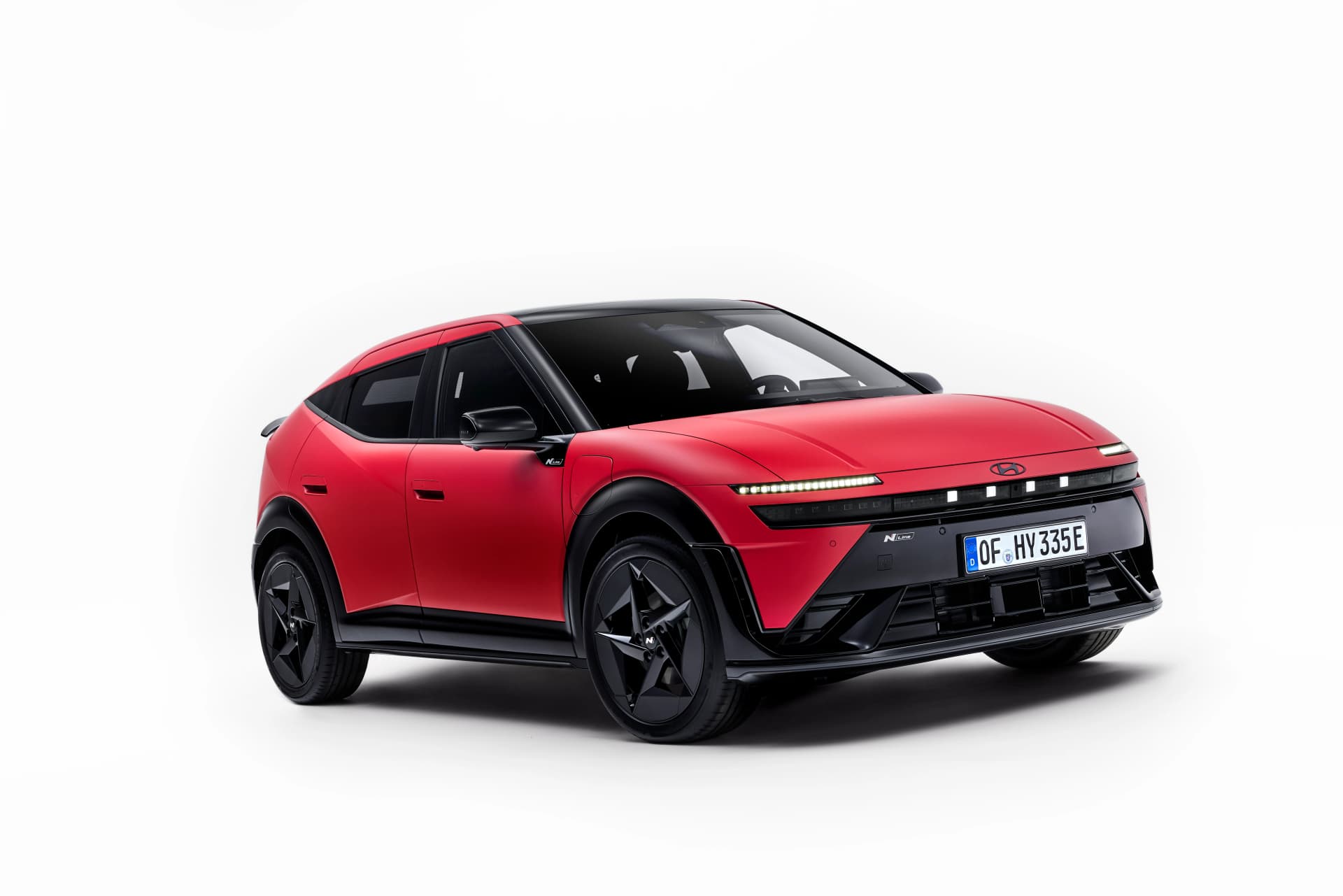
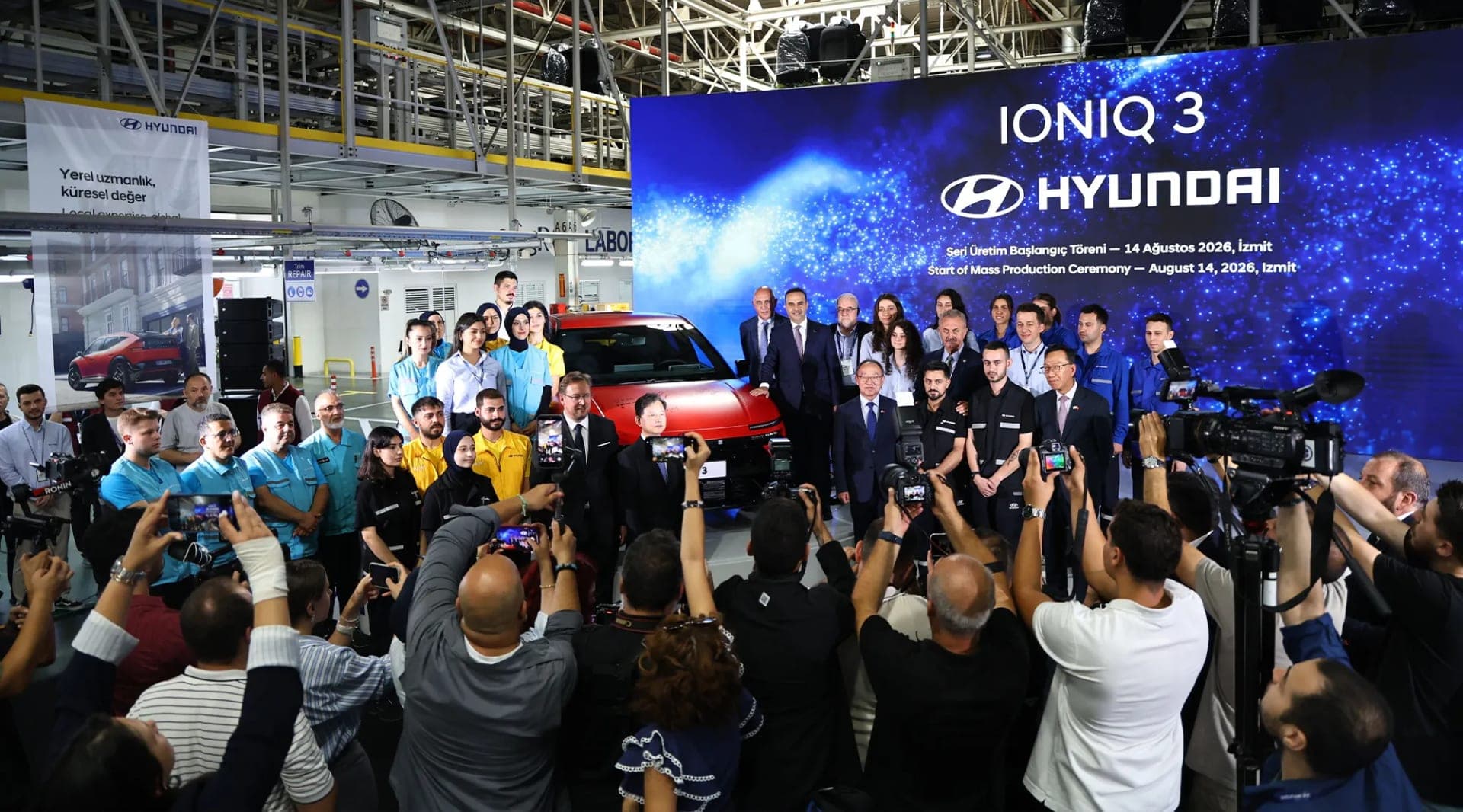
Affordable electric cars have been promised for years and rarely delivered. Hyundai has just put a real figure on one. The new IONIQ 3, the brand's smallest and cheapest EV, now has its Belgian and Luxembourg prices, and it opens at 29,995 euros. For a modern electric Hyundai with proper range, that is the kind of number that could actually move people out of a petrol hatchback.
The prices in full
In Belgium and Luxembourg, the IONIQ 3 range starts with the Select 42.2 kWh at 29,995 euros and the Select 61 kWh at 33,995 euros. From there it climbs through the Trend 42.2 kWh at 33,495 euros and Trend 61 kWh at 38,495 euros, the sporty N Line 61 kWh at 40,495 euros, the well-equipped Prime 61 kWh at 41,995 euros and, at the top, the N Line Evo 61 kWh at 43,695 euros. All figures include 21 percent VAT. Orders are open immediately, with the first cars due to arrive in October.
Battery, range and power
There are two batteries at launch. The Standard Range uses a 42.2 kWh pack good for 344 km on the WLTP cycle, while the Long Range steps up to 61 kWh and 497 km, close to the magic 500 km mark that eases range anxiety for most drivers. Interestingly, the smaller-battery car is the punchier one on paper, with 147 hp against the Long Range's 135 hp, the bigger battery clearly tuned for efficiency over outright pace. Both are front-wheel drive, built on Hyundai's E-GMP platform, and can DC fast-charge from 10 to 80 percent in around 29 minutes in ideal conditions.
A compact, sensible package
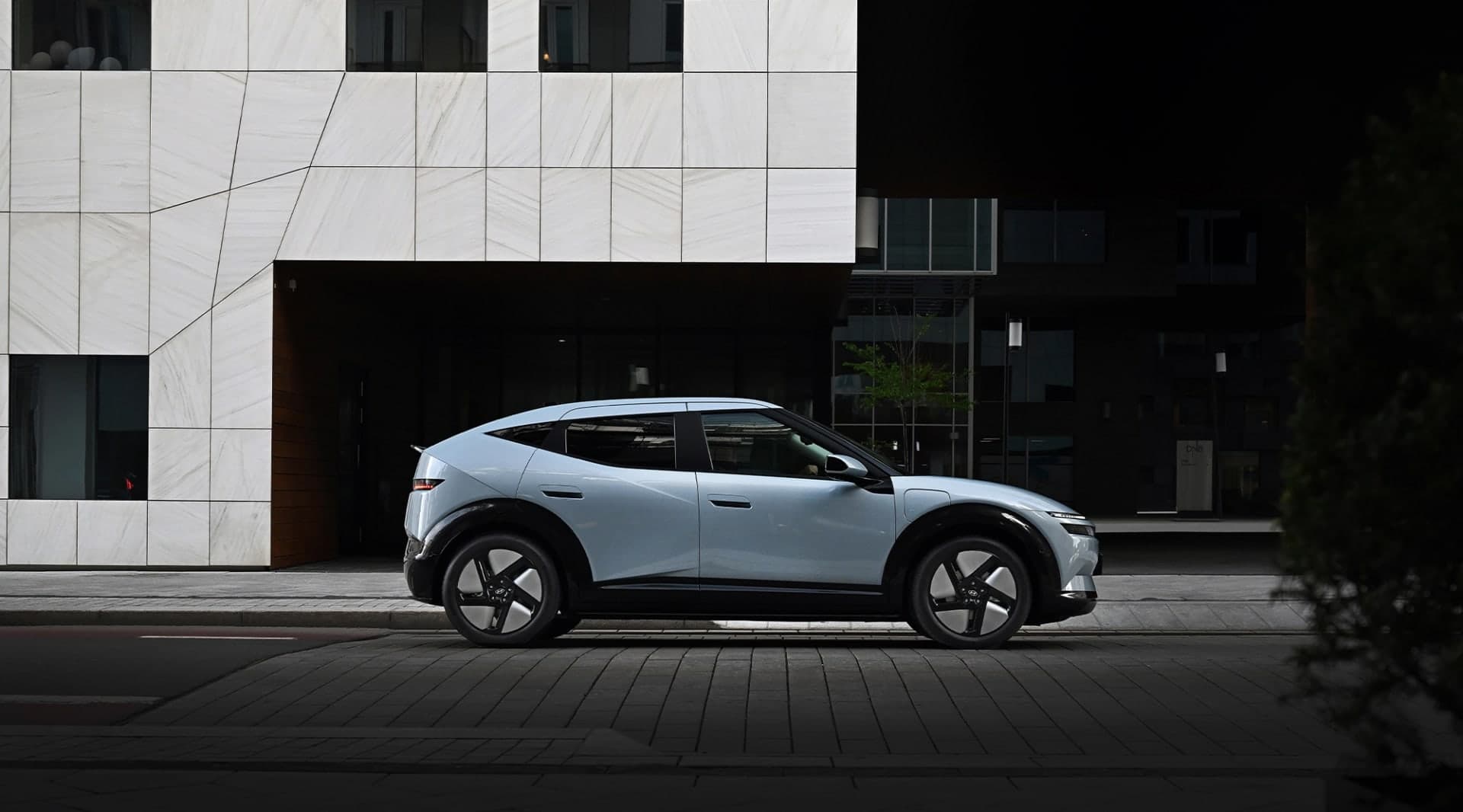
At 4.16 metres long with a 2,680 mm wheelbase, the IONIQ 3 is a compact hatch that still offers a useful 441-litre boot, so it should work as a family's main car rather than just a city runabout. The trim ladder is straightforward: Select covers the basics, Trend adds winter equipment as standard, N Line brings a sportier look, and Prime and N Line Evo layer on premium audio and upgraded lighting. It is a clear, easy-to-follow line-up for a car meant to appeal to first-time EV buyers.
AutoNext Take
This is the part of the EV transition that actually decides it. Halo cars and 1,000 hp hypercars grab the headlines, but the mass shift to electric happens in the 30,000 euro bracket, and the IONIQ 3 lands right on it with a credible 497 km of range in the Long Range version. A sub-30,000 euro starting price from a brand with Hyundai's reputation for tech and warranty is exactly the sort of thing that quietly nudges a hesitant buyer over the line, far more than any concept car ever will.
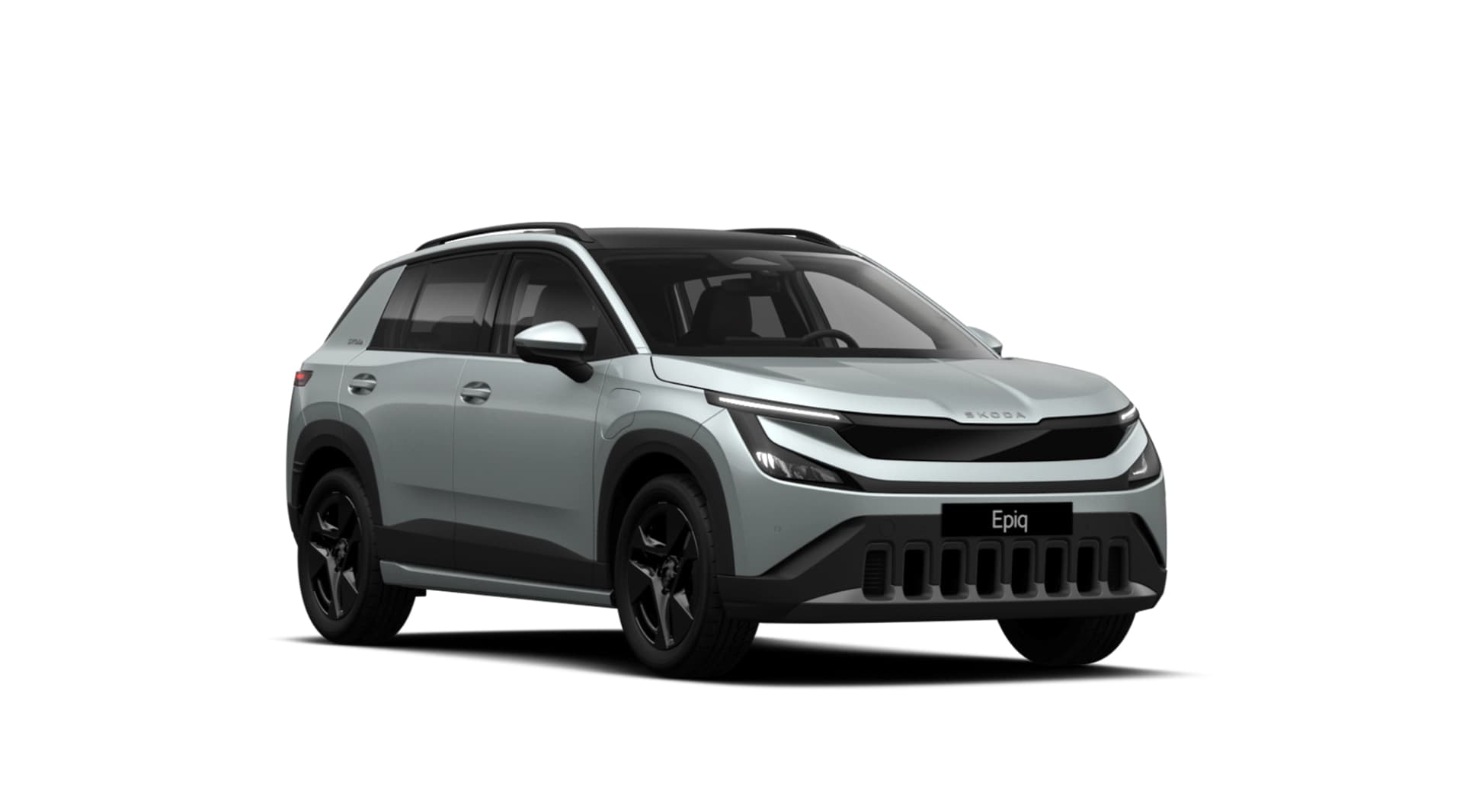
The pressure now is on the rest of the segment, because the affordable-EV field is filling up fast with the likes of the Skoda Epiq and a wave of small Volkswagens and Chinese rivals. To really win, the entry price has to buy enough range to be usable, and here the honest advice is to look past the headline 29,995 euros to the 61 kWh cars, where the 497 km figure lives. Even so, Hyundai has done the important thing: it has made an electric car that ordinary buyers can seriously consider, and priced it where it counts.