Hyundai is building Europe's affordable EV, and it had to go to Turkey to do it
Europe keeps demanding an affordable electric car. Hyundai just started building one, and where it chose to build it says everything.
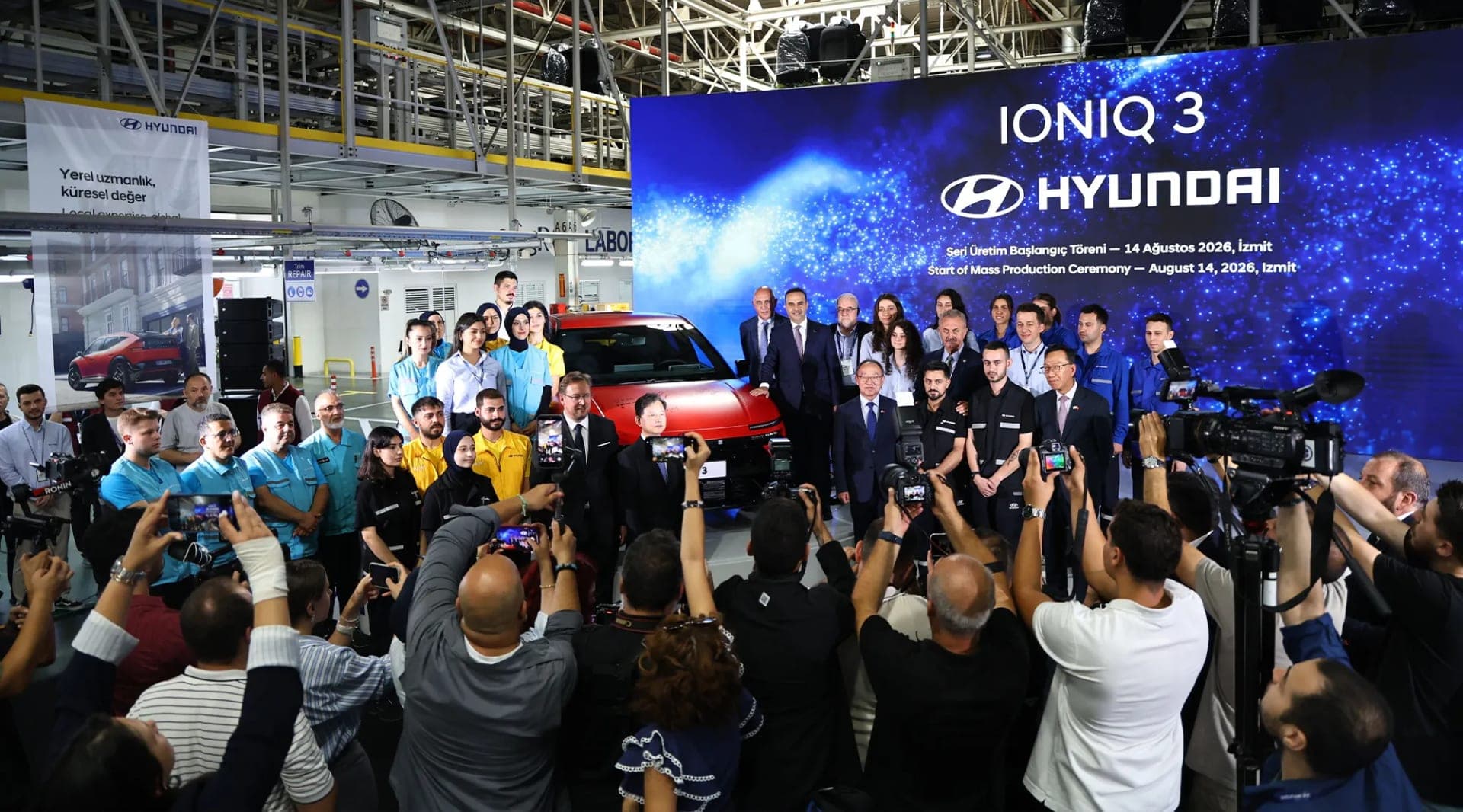
On 14 August, Hyundai began series production of the Ioniq 3, a compact electric hatchback aimed squarely at the affordable end of the market that Europe insists it desperately needs. It goes on sale across the continent from September. This is genuinely good news: not a concept, not a promise for 2027, but a real, affordable EV rolling off a line right now. The detail worth pausing on is not the car, though, which we still know relatively little about. It is the address on the factory. Hyundai is not building Europe's affordable EV in Germany, or France, or even its established plant in the Czech Republic. It is building it in Turkey.
What has just started
Production of the Ioniq 3 began at Hyundai Motor Turkiye's Izmit plant in Kocaeli province, a factory that has been running since 1997 but has now been converted, more than half of it, to build electric cars. Hyundai describes the Ioniq 3 as a compact electric Aero Hatch offered with two battery and motor options, and it is the first fully electric passenger car built by a foreign carmaker in Turkey as well as Hyundai's first EV produced for Europe. The conversion cost around 250 million euros, initial capacity is 30,000 cars a year, and roughly 2,400 people work at the site, part of some 1.185 billion euros Hyundai has invested in Turkey since 1997. A separate battery-assembly plant with Hyundai Mobis sits alongside it, and Bayon and i20 hybrids are due to follow in 2027. Prices and full specifications have not yet been confirmed. Hyundai Motor Europe boss Xavier Martinet said building its first EV in Turkiye strengthens the company's manufacturing.
Izmit, not Ingolstadt
The choice of Turkey is the whole story. Hyundai already builds cars inside the EU, in the Czech Republic, yet for its cheap electric car it went to Izmit, and the reasons are all about cost and access. Turkey offers lower labour and energy costs than Western Europe, a deep local supplier base, an 86 million-strong home market, and, crucially, a customs union with the European Union that lets cars built there enter the bloc without tariffs. That last point is the magic ingredient: you get near-Chinese manufacturing economics, but from inside Europe's own trade wall rather than outside it. For a car that has to be genuinely cheap to justify existing, that combination is close to unbeatable, and it is precisely why the Ioniq 3 is being assembled where it is.
The cheap-EV cost logic Europe cannot beat at home
This is the uncomfortable part. The advantage Turkey offers is essentially the same one that makes Chinese electric cars so cheap, only relocated inside the EU's tariff perimeter so the duties now aimed at Chinese imports simply do not apply. Western Europe's core plants, in Germany and France, increasingly cannot build a truly affordable car at all, which is why governments are throwing money at batteries and supply chains and why even Volkswagen has reached for a Chinese partner's platform to get its costs down. The affordable European EV is real, but the plant and the jobs that come with it are increasingly landing at the continent's lower-cost edge, not its historic industrial heartland. Turkey is quietly becoming Europe's low-cost car workshop, the way Mexico serves North America.
A Korean maker is out-executing the locals
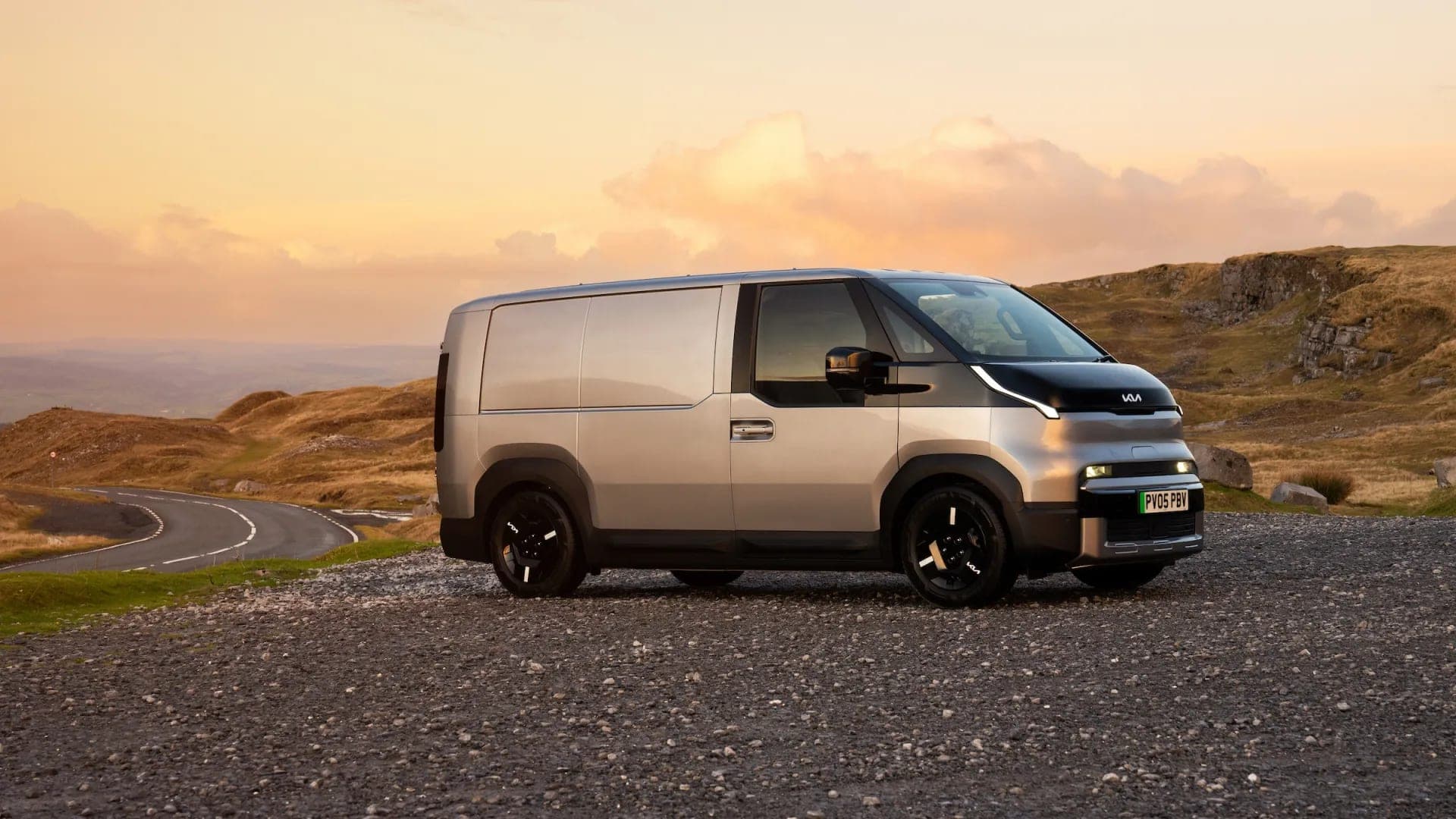
There is also a competitive sting for Europe's own brands. Volkswagen has spent years promising a sub-20,000 euro electric car, and Renault leans on the electric 5, but here is Hyundai, a Korean company, actually starting volume production of an affordable compact EV for Europe today, using a smarter map than the incumbents did. It is the same pattern that just saw Kia become Europe's best-selling small electric van maker at the first attempt. Twice now, a Korean group has read the European market more clearly than the companies that were born here, whether by building the right vehicle or building it in the right place. Execution and geography are beating heritage and press-release ambition, and doing it in Europe's own showrooms.
AutoNext Take
The Ioniq 3 is exactly the car Europe has been asking for, and it is worth celebrating that one is finally entering production rather than lingering on a stand as a concept. But it is worth reading the label too. The reason it can be affordable is that it is built in Turkey, tariff-free into the EU, at costs the continent's traditional car regions can no longer match. Europe wanted a cheap electric car. It is getting one. It simply is not being built where Europe assumed its car industry would always live.
That is the quiet significance of a fairly ordinary hatchback. The affordable-EV problem was never only about batteries or technology; it was about where you can still make a cheap car profitably, and the answer, increasingly, is the low-cost edge of the map rather than its centre. Turkey has just landed the first genuinely mainstream EV of this new order, with a Korean badge on the bonnet and duty-free access to 450 million customers. Watch that model, because if it works, a lot more of Europe's affordable cars will carry the same hidden postcode.