Lotus's China-only Emeya 900 Gold undercuts Germany by €43,000
Lotus built its most complete Emeya, then priced it for Shanghai
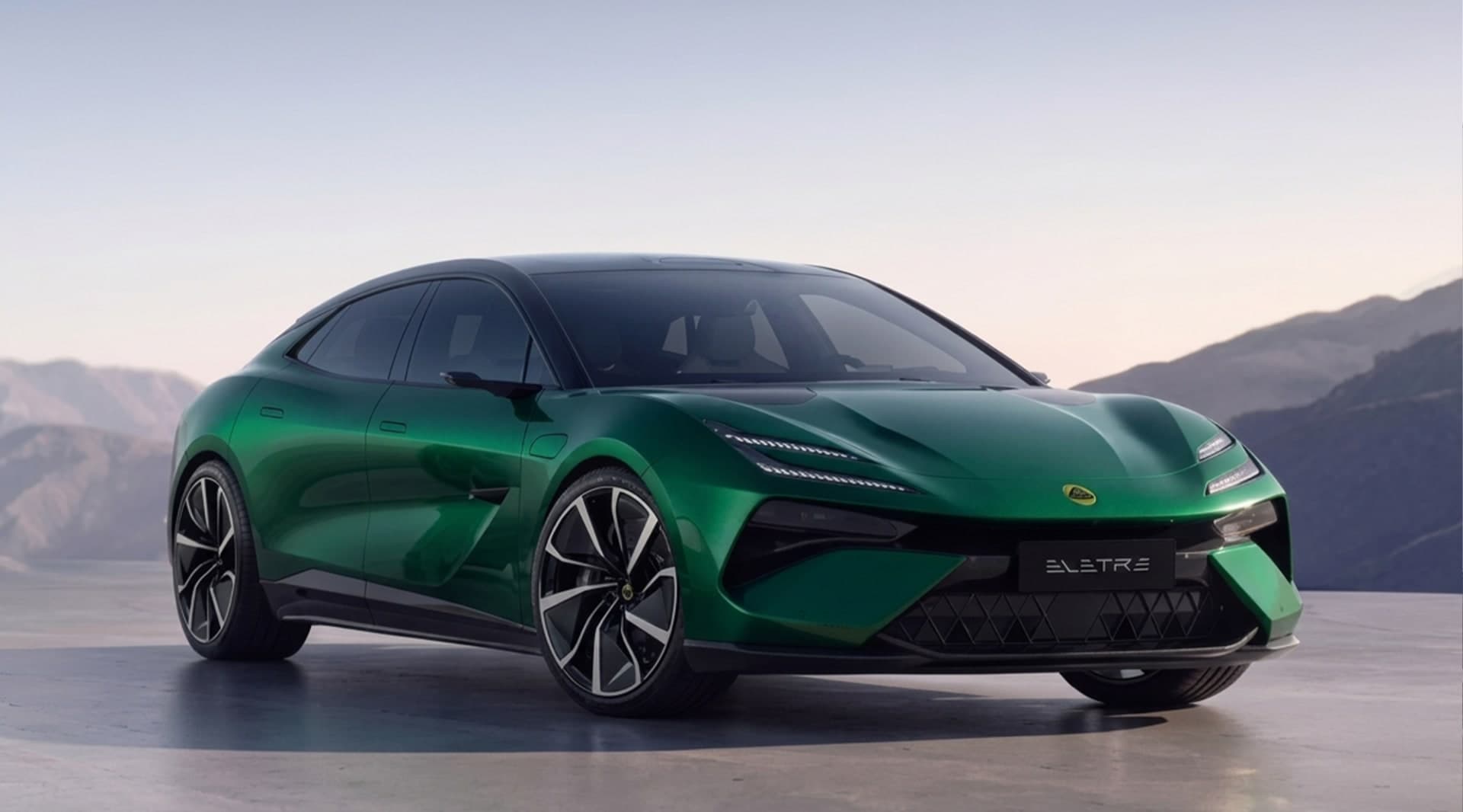
Lotus has launched the Emeya 900 Gold in China at 918,000 yuan, roughly €117,700. It makes 918 hp and 985 Nm, reaches 100 km/h in 2.78 seconds and runs on to 256 km/h. Those are the exact figures of the Emeya 900 that already sits on Lotus's German price list, where the carbon-bodied version asks €160,990. The Gold is not a faster Emeya. It is a much cheaper one.
The 918 hp and 2.78 seconds are already on Lotus's German price list
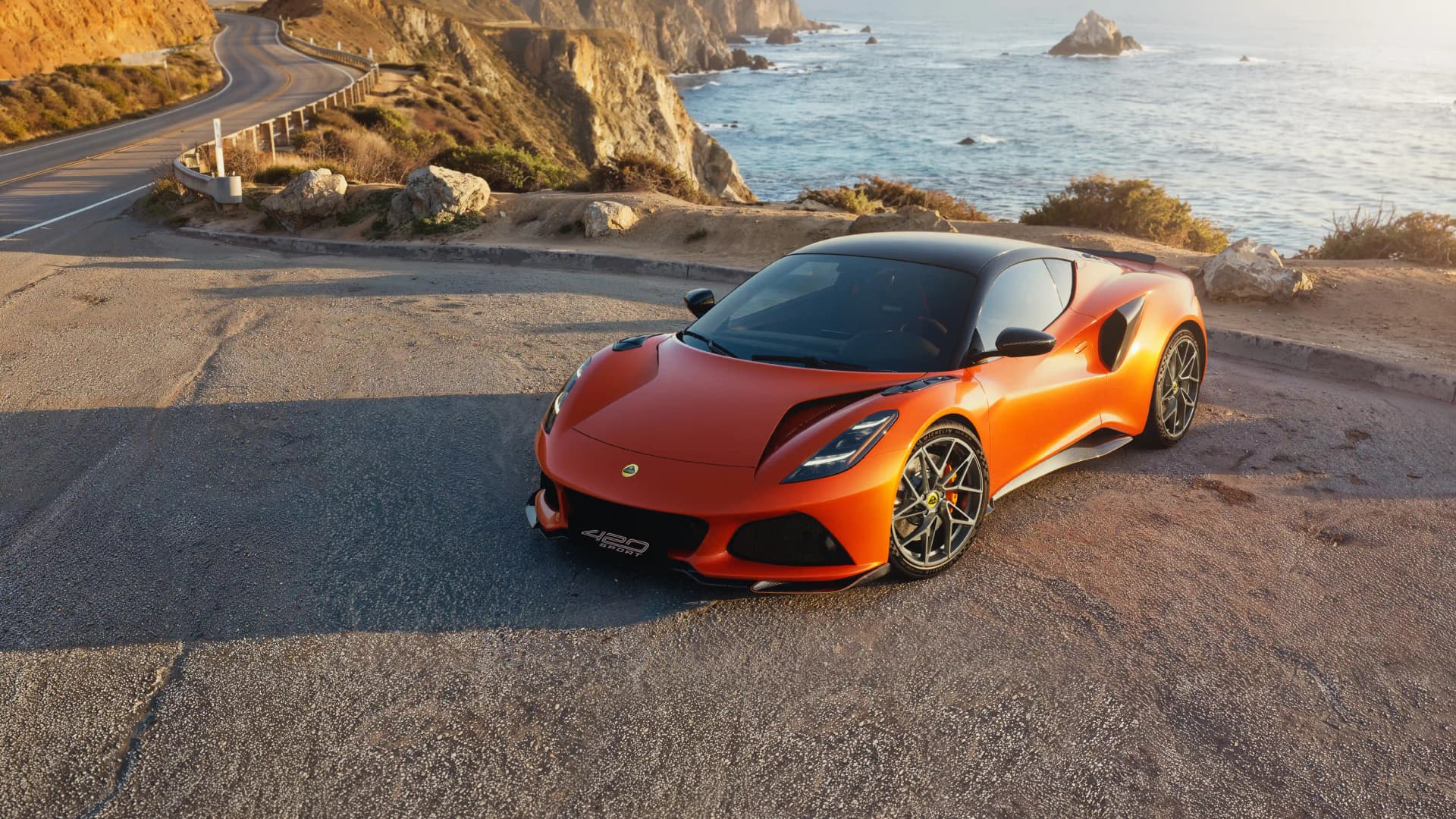
Nothing in the Emeya 900 Gold's powertrain is new. Lotus's own German configurator lists the Emeya 900 at 918 hp and 2.78 seconds to 100 km/h, from an 800V dual-motor layout with a two-speed rear transmission, and the Chinese car repeats both numbers to the decimal. Torque is identical at 985 Nm. Lotus revealed it in Shanghai alongside the Emira 420 Sport, the AMG-engined track special, priced there from 988,000 yuan.
918,000 yuan against €160,990 in Germany and €165,895 in the Netherlands
The price gap is the story. Converted at the start of September, 918,000 yuan is about €117,700, while the closest European car, the carbon-fibre Emeya 900, starts at €160,990 in Germany and €165,895 in the Netherlands. Both sets of figures include local VAT, and stripping it out at each end still leaves the Chinese car roughly €31,000 clear. Europe's 18.8% countervailing duty on Geely-built electric cars, on top of the standard 10% import tariff, does much of the rest, because every Emeya is built in Wuhan and shipped here.
62 carbon parts and ten-piston ceramic brakes are standard on the Gold
Gold is an equipment badge rather than an engineering one. Lotus has moved the carbon fibre package, the ten-piston carbon-ceramic brakes and the full active aero suite into the standard specification, so the active grille, the floating double-layer rear wing, the active dampers and the active rear diffuser all come included. Lotus counts nearly 62 carbon components covering 6.1 square metres of bodywork. In Europe, broadly those same items are what separates the €145,990 Emeya 900 from the €160,990 one.
The Eletre 900 Gold repeats the exercise at 928,000 yuan
The SUV gets identical treatment. The Eletre 900 Gold costs 928,000 yuan, near €119,000, with the same 918 hp and 985 Nm, a 112 kWh CATL battery, 560 km on China's CLTC cycle, 2.95 seconds to 100 km/h and 265 km/h flat out. Germany's Eletre 900 opens at €145,990 and its carbon version at €160,990, a ladder identical to the Emeya's. That is a pointed move for a model Lotus has spent this year re-engineering around a petrol range extender, and it suggests the electric flagships are being defended rather than quietly retired.
530 km on CLTC comes from the same 102 kWh pack as Europe's 485 km
Lotus quotes 530 km for the Emeya 900 Gold from a 102 kWh CATL battery, with 420 kW charging adding about 180 km in five minutes. The European Emeya 900 is rated at 485 km from the same capacity, measured on WLTP rather than China's gentler CLTC. The Gold is not the longer-legged car. It is the same car sitting an easier exam, and Lotus says it used that hardware to set a production EV lap record at Sepang of 2:20.317.
AutoNext Take
Watch what Lotus does with European list prices, not what it announces next. The Gold has established, in Lotus's own currency, what a fully equipped Emeya is worth: about €117,700 with tax included. Europe is asked for €160,990 for less standard equipment. Duty and VAT account for most of the difference, but not for the commercial choice underneath it, which is that Lotus is loading its best-specified cars into the one market where it can price them to actually sell.
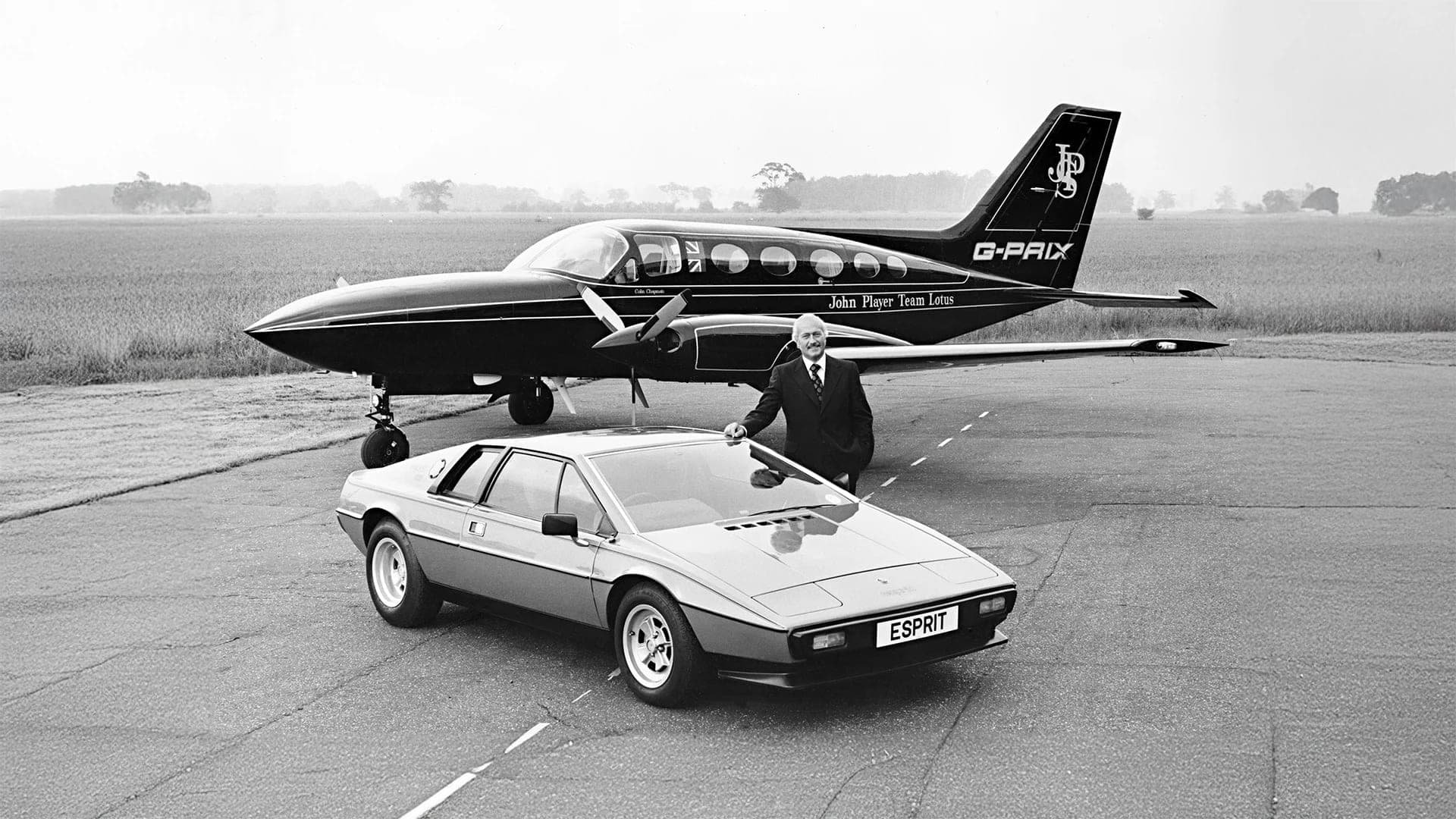
That is the uncomfortable part for a company from Hethel. The Emeya does not need more power, bigger brakes or a fourth active aero device at 918 hp and 2.78 seconds. It needs a European number closer to the Chinese one. Lotus has an Esprit coming for 2028 and a range that keeps widening, and none of that fixes a flagship that costs a third more here than it does where it is built. If the next Lotus news from Europe is a discount campaign rather than a lower list price, the Gold will have been the moment the company told us what the car is really worth.