Lotus is bringing the Esprit back, and buyers choose V8 or V6
The company that spent sixty years removing weight has just signed up for 1,000 hp
Lotus has confirmed that the Esprit is coming back. The car known inside Hethel as the Type 135 arrives in 2028 as a mid-engined hybrid with more than 1,000 hp, all-wheel drive and a kerb weight target under 1,500 kg. Chief executive Feng Qingfeng set out the detail this week, and the power figure is not the interesting part.
The interesting part is that you will be able to buy it with a V6 instead. Lotus walked away from its electric-only plan earlier this year, and offering a choice of combustion engines in 2028, the exact year it once promised to stop selling them, is quite a turn to make in public.
Two engines, one wedge
Both come from Horse, the powertrain company Geely and Renault own together and which already builds combustion hardware for Lotus. The starting point is a new 3.0-litre twin-turbo V6 that Lotus claims is the lightest of its kind on the market at 160 kg. The V8 is that engine scaled up, which is a tidier piece of engineering than it sounds: shared architecture, shared tooling, two very different characters at the top of the rev range.
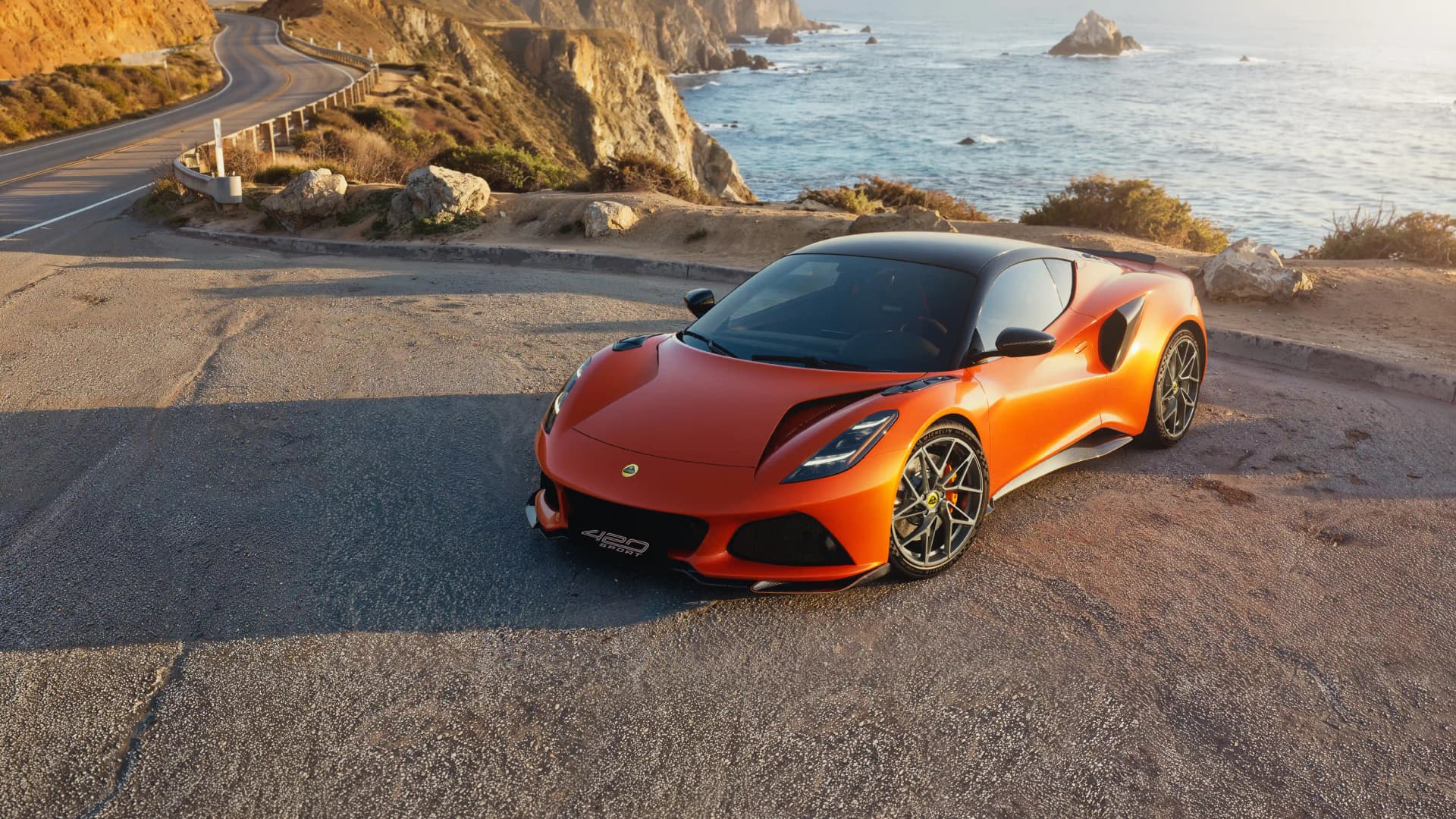
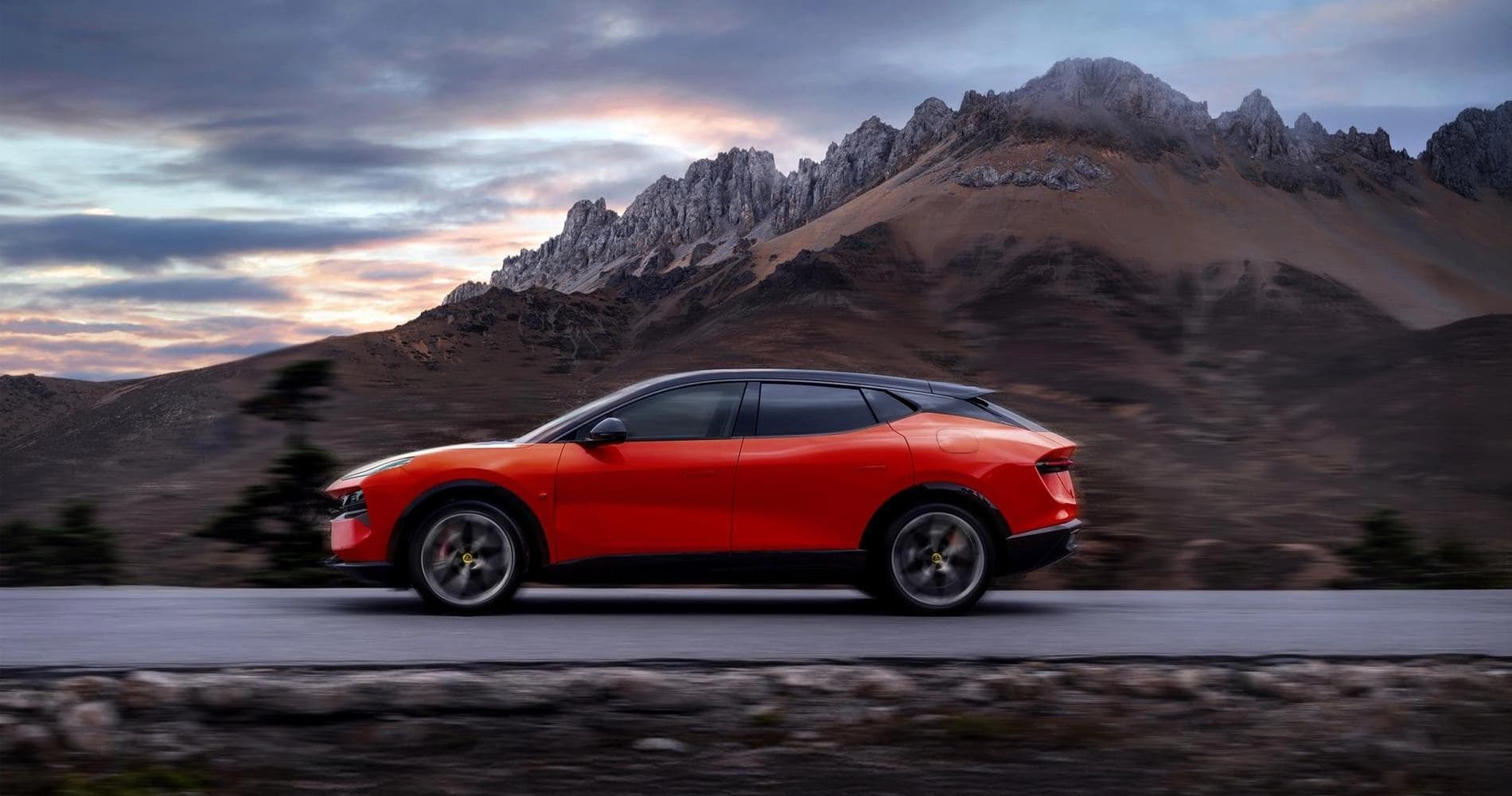
The V6 car will be the cheaper of the two, and that matters more than the headline power does. Lotus has spent recent years selling heavy electric SUVs and saloons to an audience that mostly wanted something closer to the latest Emira. A second, less expensive way into a mid-engined Lotus supercar is exactly the sort of commercial thinking the brand has historically been too proud to do.
A 20 kilogram answer to the hybrid problem
Hybrid systems are heavy, and heavy is the one thing Lotus cannot afford to be. The fix comes from motorsport. Feng says the company has developed an electric motor closer to a Formula 1 MGU-K than to a normal road car unit, harvesting energy under braking and feeding it back as torque. A conventional motor of around 204 hp weighs roughly 95 kg. The Lotus item, he says, weighs about 20.
That saving is the whole argument. It is what lets Lotus promise a hybrid supercar under 1,500 kg without deleting the electric assistance the performance depends on. It also makes all-wheel drive cheap in weight terms rather than expensive. "All-wheel drive could be a great solution," Feng said, pointing at torque control software that decides in real time how much goes to the front axle and how much stays at the back.
Around it sits a carbon tub with aluminium subframes, air suspension with continuously variable damping, and active anti-roll bars. None of that reads like a Lotus spec sheet from twenty years ago. All of it reads like a car that has to work on a wet Belgian B-road as well as it does at Spa.
The halo car Lotus actually needed
The Esprit slots between the Emira and the Evija, and in practice it takes over from the Evija as the car the brand builds its image on. The electric hypercar is still hand-assembled at Hethel at a rate of eight to ten units a year, which is a lovely thing and a commercially meaningless one. The Esprit has to do the same job in numbers that show up on a balance sheet.
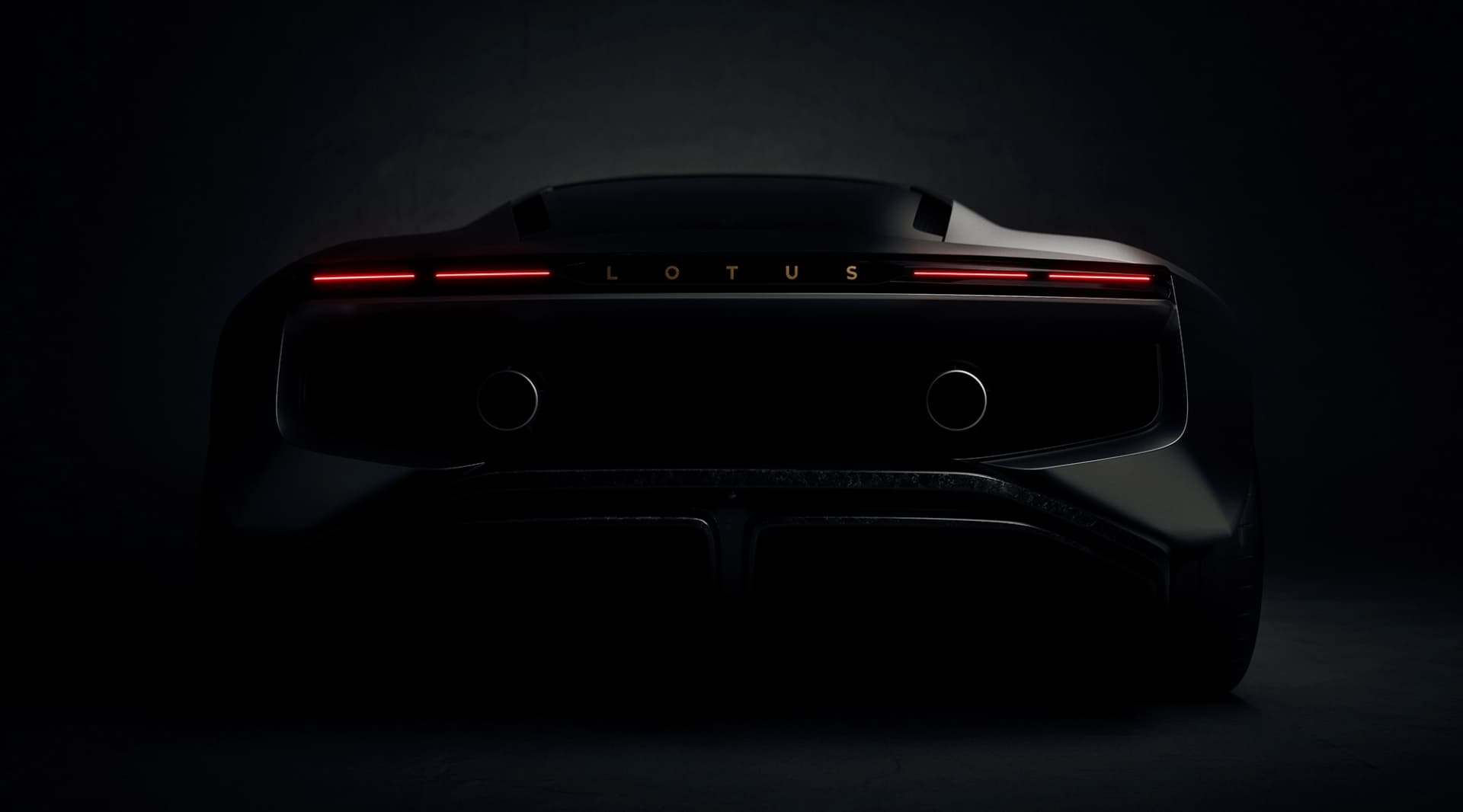
Styling follows the Theory 1 concept rather than the current range: calmer, more classical, with simple horizontal rear lights instead of the light show fitted to every recent Lotus. And the brand is not doing this in isolation. The Eletre X already put a combustion engine back into its electric SUV, so the Esprit is the second act of the same rethink, not a one-off.
Lotus has not named a price. Feng pointed at the Lamborghini Temerario and the Aston Martin Valhalla as reference points, which is a wide bracket and a clear signal all the same. The original Esprit's trick of undercutting Italy is not part of this plan.
AutoNext Take
The V6 is the smartest decision here and it will get the least attention. A 1,000 hp hybrid V8 puts Lotus on the same page as Ferrari and Lamborghini in a segment where it has thin dealer coverage, unproven residuals and no recent record of building supercars in real numbers. A lighter, cheaper, simpler V6 Esprit is a car Lotus can genuinely sell, and it protects the entire programme if the top of the market goes quiet in 2028.
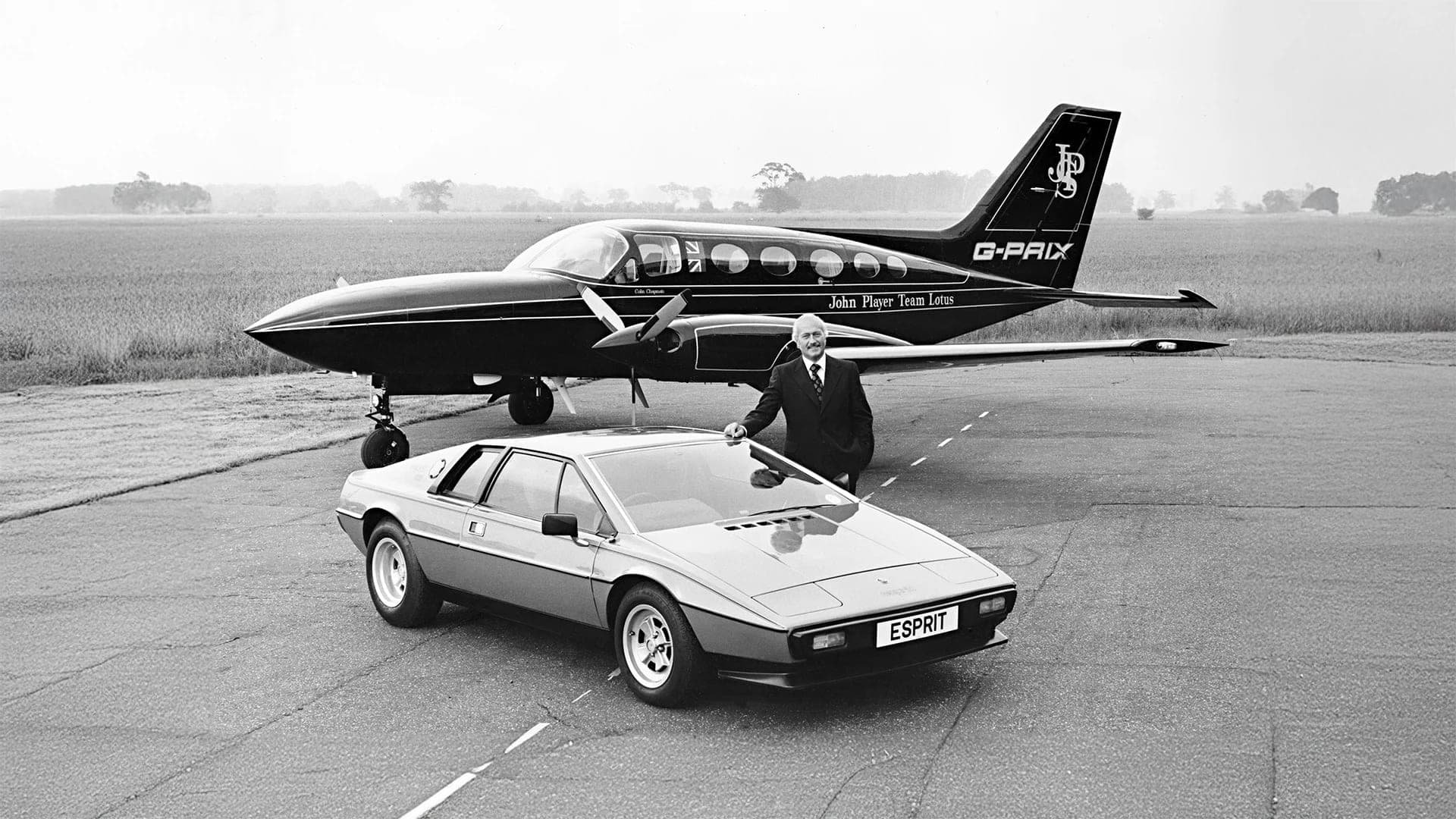
The risk is the badge. Esprit means a wedge you could almost afford, not a €250,000 all-wheel-drive hybrid with active anti-roll bars. Lotus is betting the name is worth more than the memory. Land the weight under 1,500 kg and it probably is.