The Peugeot Partner is 30, and it sold 2.6 million by never trying to be exciting
Peugeot's least exciting car is quietly one of its most important
The Peugeot Partner just turned 30, and no one will throw it a party the way they would a hot hatch or a supercar. Yet since 1996 the humble compact van has sold more than 2.6 million units across three generations, outlasting a long list of flashier Peugeots that came and went. In a year full of models being killed off, the Partner is worth pausing on, because the unglamorous van has quietly shaped more of motoring than its image suggests, and it may shape more of what comes next.
Three decades, three generations, 2.6 million vans
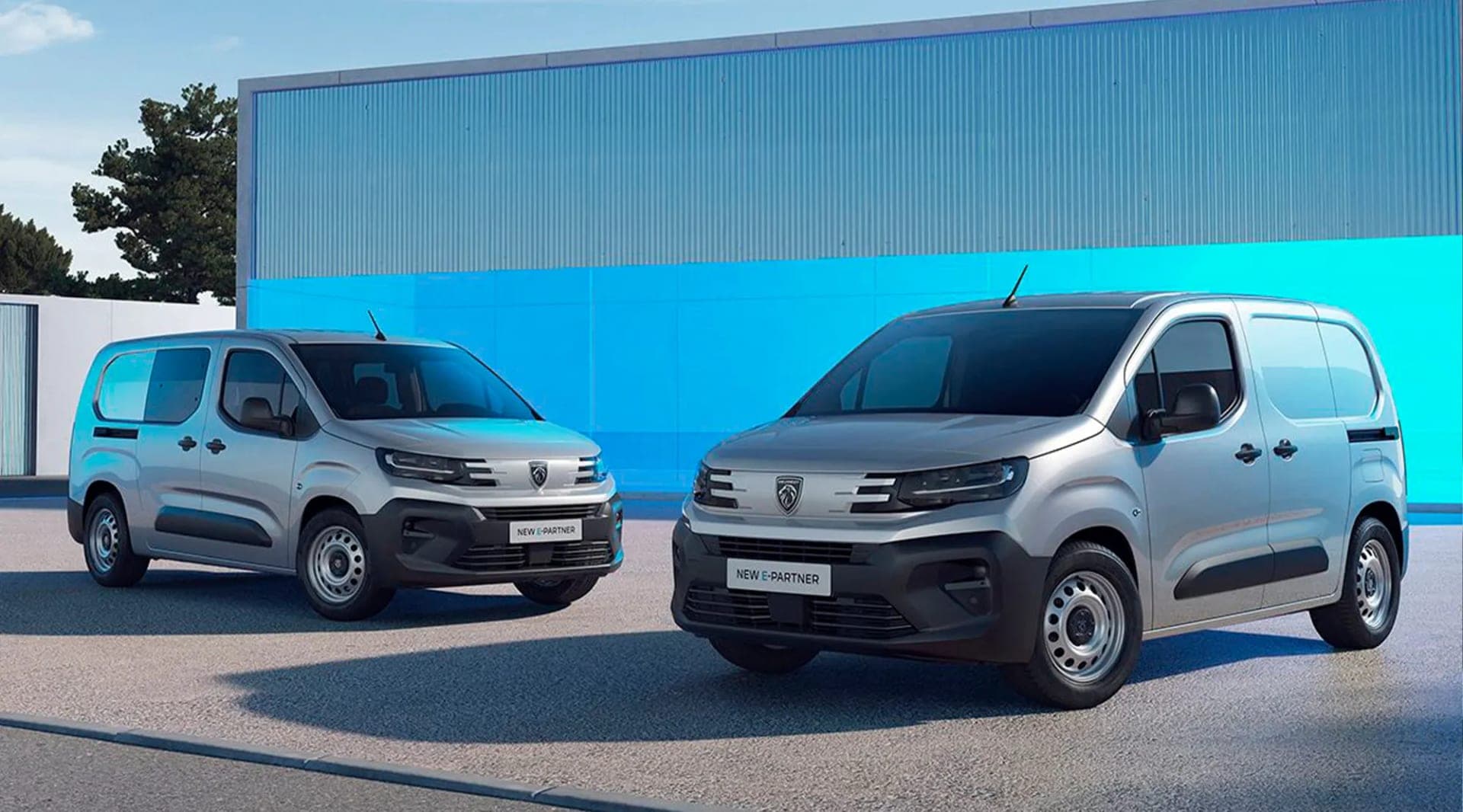
The story is one of steady evolution rather than reinvention. The first Partner arrived in 1996 with a simple promise of robustness, load space and comfort. The second, in 2008, grew larger and more capable. The third, launched in 2018 on the EMP2 platform with Peugeot's i-Cockpit and a substantial 2023 update, added the fully electric E-Partner alongside petrol and diesel. Today the range spans standard and long-wheelbase bodies, double cabs, the new value-focused Partner Active with its space-freeing Flexiseat, and a rugged Partner Pro Skill Construction Pack. The 2.6 million total includes the passenger-carrying Rifter, the version that let families in on the secret.
It quietly invented a category
This is the part the anniversary press release undersells. When the Partner and its Citroen Berlingo twin appeared in 1996, they did something new: they made a commercial van genuinely liveable as an everyday and family vehicle, all boxy space and big doors and no pretension. That idea, a van you would actually choose rather than merely tolerate, seeded an entire segment of leisure vans that rivals rushed to copy. Peugeot did not just build a workhorse in 1996. It normalised the notion that practicality could be the point of a car, not the consolation prize.
Why a van is the real test of electrification
A van is also where the switch to electric has to prove itself for real, on payload, range and total cost, to buyers who count every euro. The E-Partner shows Peugeot has done the work, yet the telling detail is that a new hybrid version is only arriving from 2027, a hedge Peugeot is adding even in its most rational, numbers-driven segment. That caution rhymes with what we are seeing across commercial fleets, from Lidl's parent pausing electric company cars over resale values to the wider question of whether an electric workhorse yet makes sense on a spreadsheet. Where professionals lead, the mainstream follows.
The boxy van is suddenly the shape of the affordable EV
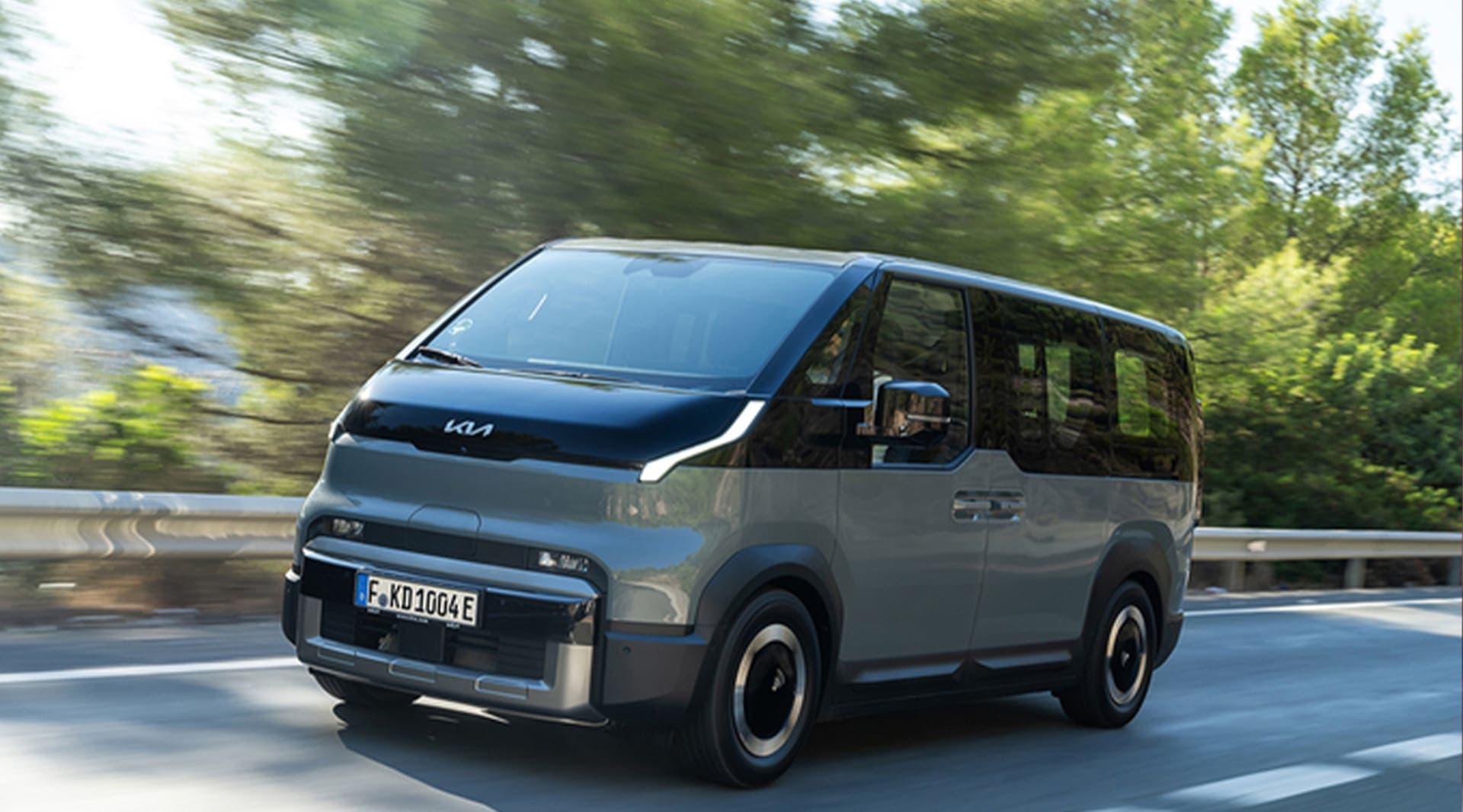
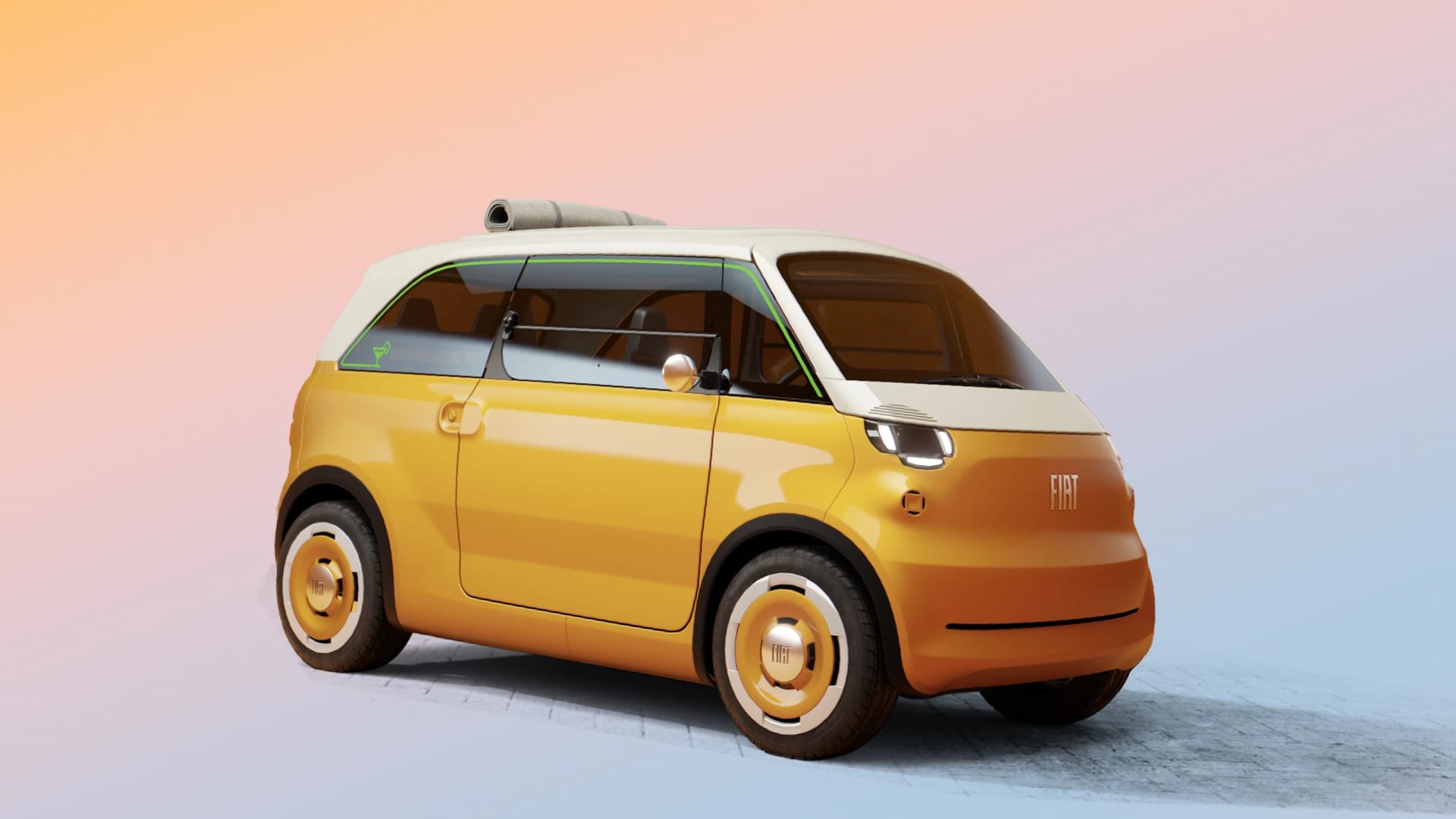
Here is the twist that makes 30 years of a van feel current rather than nostalgic. The cheapest, most space-efficient way to build an electric car turns out to be, more or less, a small van: tall, boxy, flat-floored, exactly the recipe the Partner has quietly followed since 1996. It is why Kia is chasing that space with the electric PV5 and why Fiat is reinventing the microvan as an EV. The industry spent years chasing the coupe-SUV silhouette; the affordable EV era is quietly rediscovering that the van had the right idea all along, even as Stellantis blurs the lines between its Peugeot, Opel and Vauxhall badges underneath.
AutoNext Take
It is easy to scroll past a van's birthday, and most people will. But the Partner deserves better than a shrug, because its whole career is a rebuke to how the industry usually behaves. While flashier models chased trends, got hyped and got cancelled, the Partner just kept being useful, and useful turns out to age extremely well.
The real punchline is timing. After three decades of being the sensible choice nobody bragged about, the Partner's boxy, space-first philosophy is exactly what the affordable electric car is converging on. The least fashionable Peugeot has quietly been driving toward the future the whole time; the rest of the industry is only now catching up. Do not feel sorry for the van. Take notes.