Lidl's owner paused EV company cars in Germany, and residual values are why
This is not Lidl quitting electric cars, and the real reason is more revealing
Headlines this week say Lidl has given up on electric cars because they are too expensive. That is not quite what happened. The Schwarz Group, parent of Lidl and Kaufland, has temporarily stopped letting employees order fully electric company cars in Germany, while its electric logistics and charging rollout carry on and its 2050 net-zero target stands. The reason it gave is the one the industry least likes to discuss out loud: what a used electric car is worth after three years.
What Schwarz actually decided
The move is narrower than the viral version. From now, employees in Germany choosing a new company car can no longer pick a fully electric one, and lose the generous tax break that came with it. It applies to Germany only; other European operations keep buying EVs. The fleet involved is large, roughly 13,000 vehicles that each cover nearly 40,000 km a year and stay about 18 months before being sold on. Schwarz calls the pause temporary, says it is continuously reviewed, and insists it can be reversed once the market stabilises. This is a purchasing decision, not a climate U-turn.
Why a supermarket's car policy is worth reading
The detail that makes this matter is how Schwarz runs its fleet. Most big fleets lease their cars, which hides depreciation inside a monthly rate the leasing company carries. Schwarz buys its cars outright and sells them used, so it eats the depreciation directly on its own balance sheet. And used electric cars are depreciating hard: a German EV holds only about 47 to 51% of its price after three years, below a comparable petrol or diesel car, because weak demand and fast-moving battery tech make a three-year-old EV look dated. Schwarz is not saying EVs are bad. It is saying it can no longer afford to be the one holding them when the resale bill arrives.
The number the whole industry should be watching
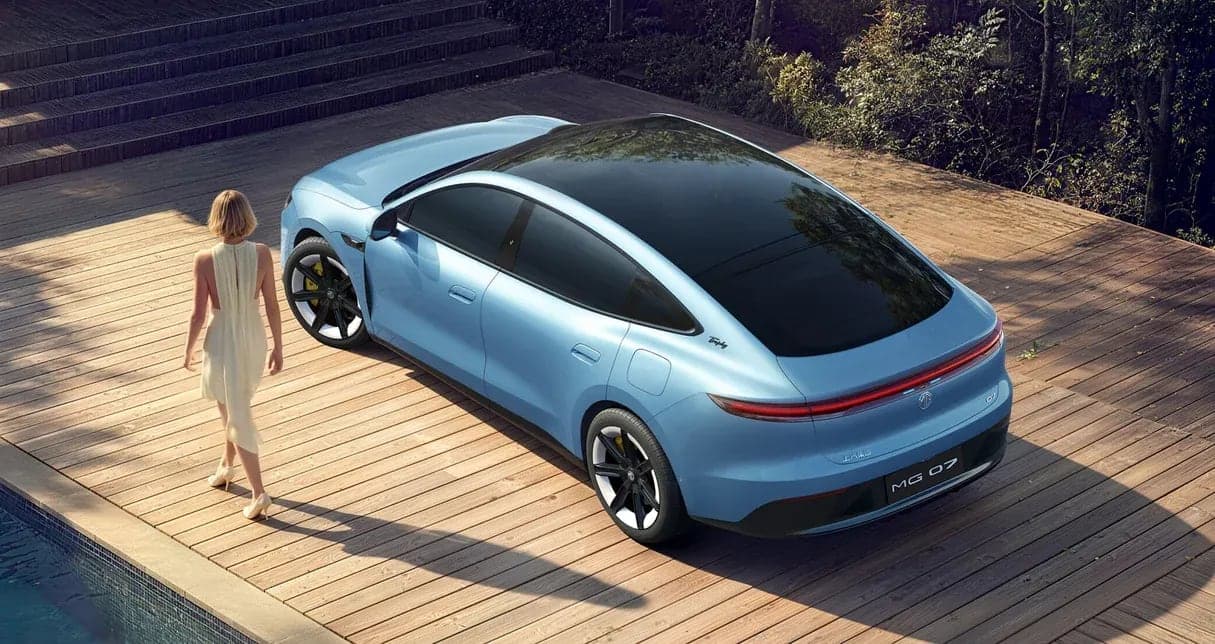
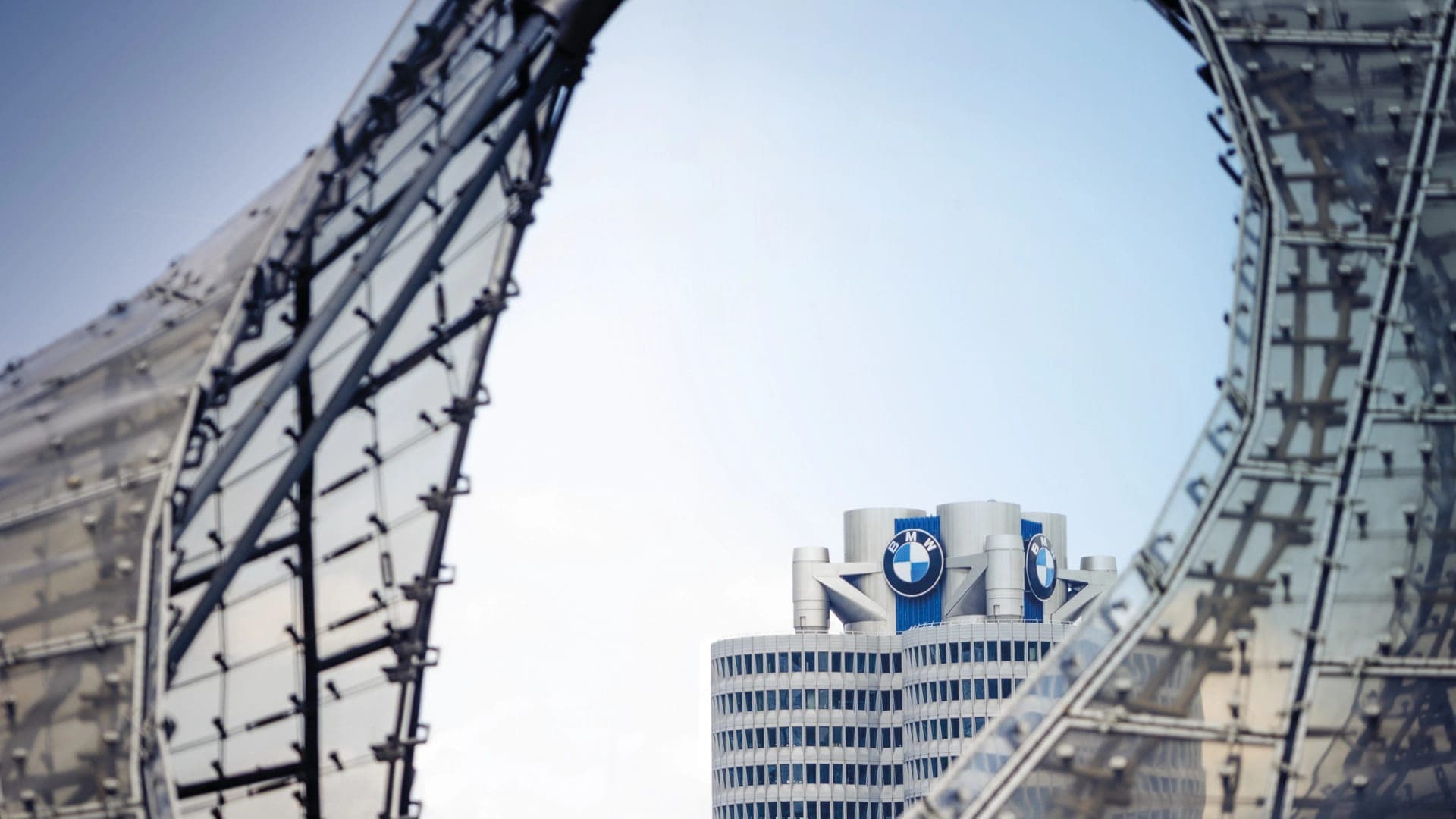
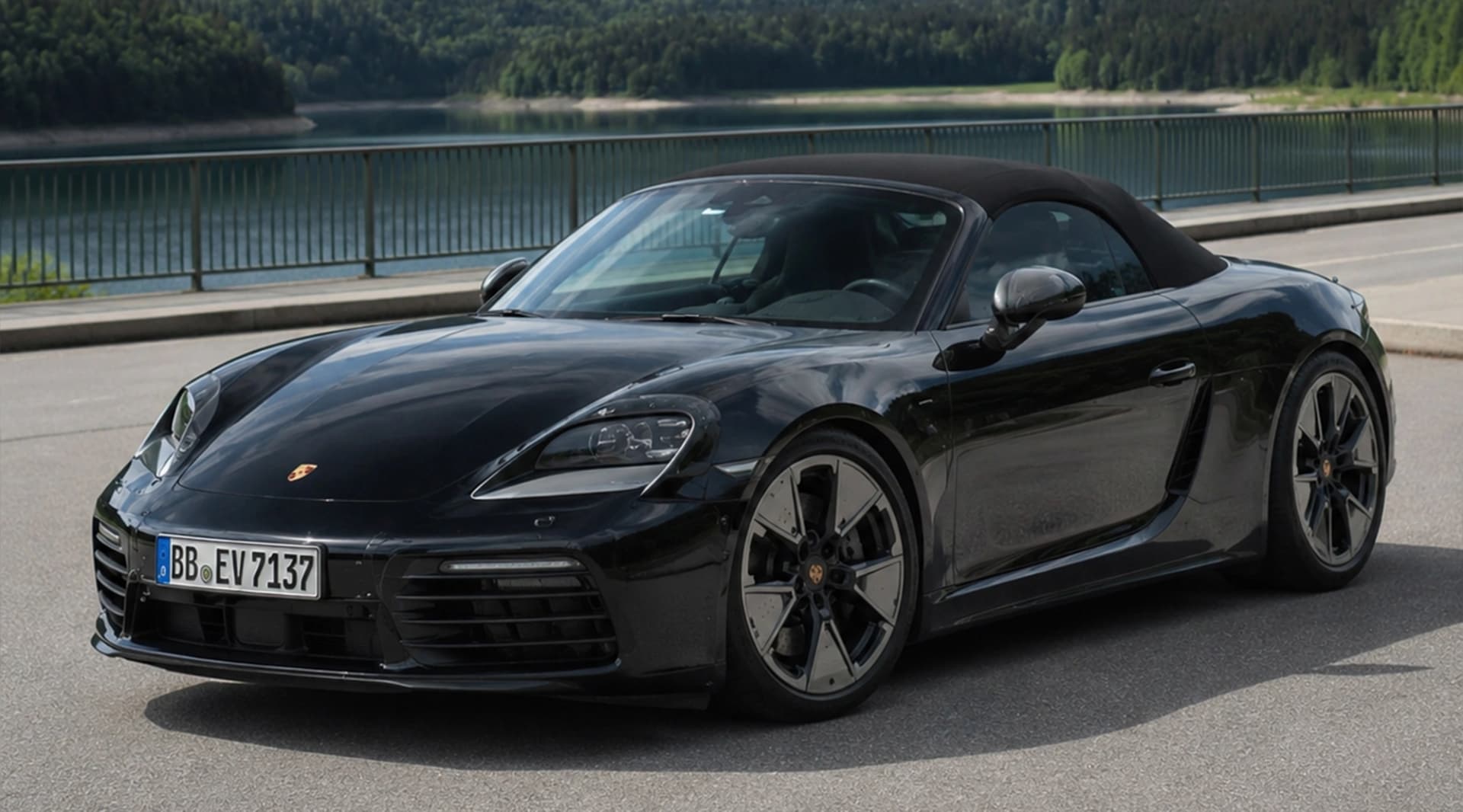
This is bigger than one retailer. Fleets, not private buyers, are the engine of Europe's EV numbers, making up more than 63% of new car registrations in Germany in June. If fleet buyers start pulling back on residual-value grounds, that threatens the transition far more than consumer hesitancy does, because fleets are where the volume is. It is also self-reinforcing: cheap, fast-improving new EVs like the MG 07 arriving from China make last year's models look old and push used values down further, which is exactly the loop Schwarz just flinched at. It lands while its main supplier, BMW, is cutting 8,000 jobs, and while makers like Porsche hedge on whether petrol survives at all. Nobody in the chain is certain, and the used market is where that uncertainty shows up first.
What Schwarz is not saying out loud
A fair note of caution: the stated reason may not be the only one. Schwarz sources most of its cars from a single brand, BMW, having switched from Audi in 2018, and reported waiting times of three to fourteen months for electric BMWs may have pushed the decision as much as any resale spreadsheet. It is also being seized on by e-fuel lobbyists as proof that combustion deserves a reprieve, a much bigger claim than a temporary German fleet pause can support. The residual-value problem is real and central. It is just worth separating the accounting from the advocacy built on top of it.
AutoNext Take
The easy story is a supermarket declaring EVs too expensive, and it is wrong. The useful story is quieter: a company that cannot hide its depreciation behind a lease has looked at what its used electric cars will fetch and decided to wait. That is not an opinion about electric driving. It is a price signal from the one part of the market that has no reason to spin, and it is flashing amber.
Which is why the fix everyone reaches for, another subsidy on new EVs, misses the point. Cheap new cars are part of what is crushing used values in the first place. What the transition actually needs is a used electric car that is still worth owning in year four, because until a three-year-old EV holds its money like a diesel does, every buy-and-hold fleet in Europe will keep doing the maths Schwarz just did. Stop watching the showroom. Watch the auction.