Choosing between a Vauxhall, an Opel and a Peugeot EV will soon mean choosing a badge, not an engineer
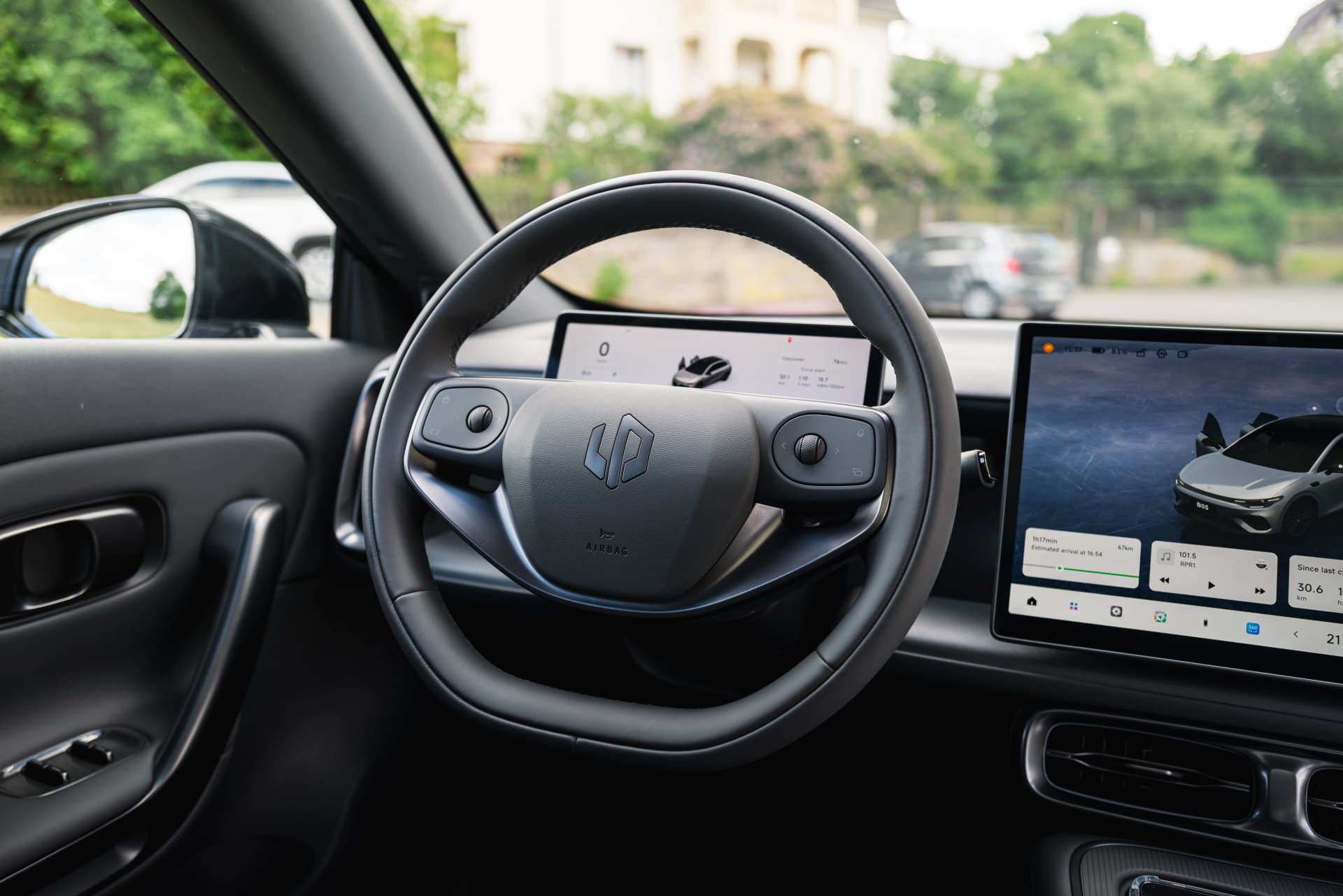
Four dashboards, four badges, one Chinese platform, built on the same site in Spain.
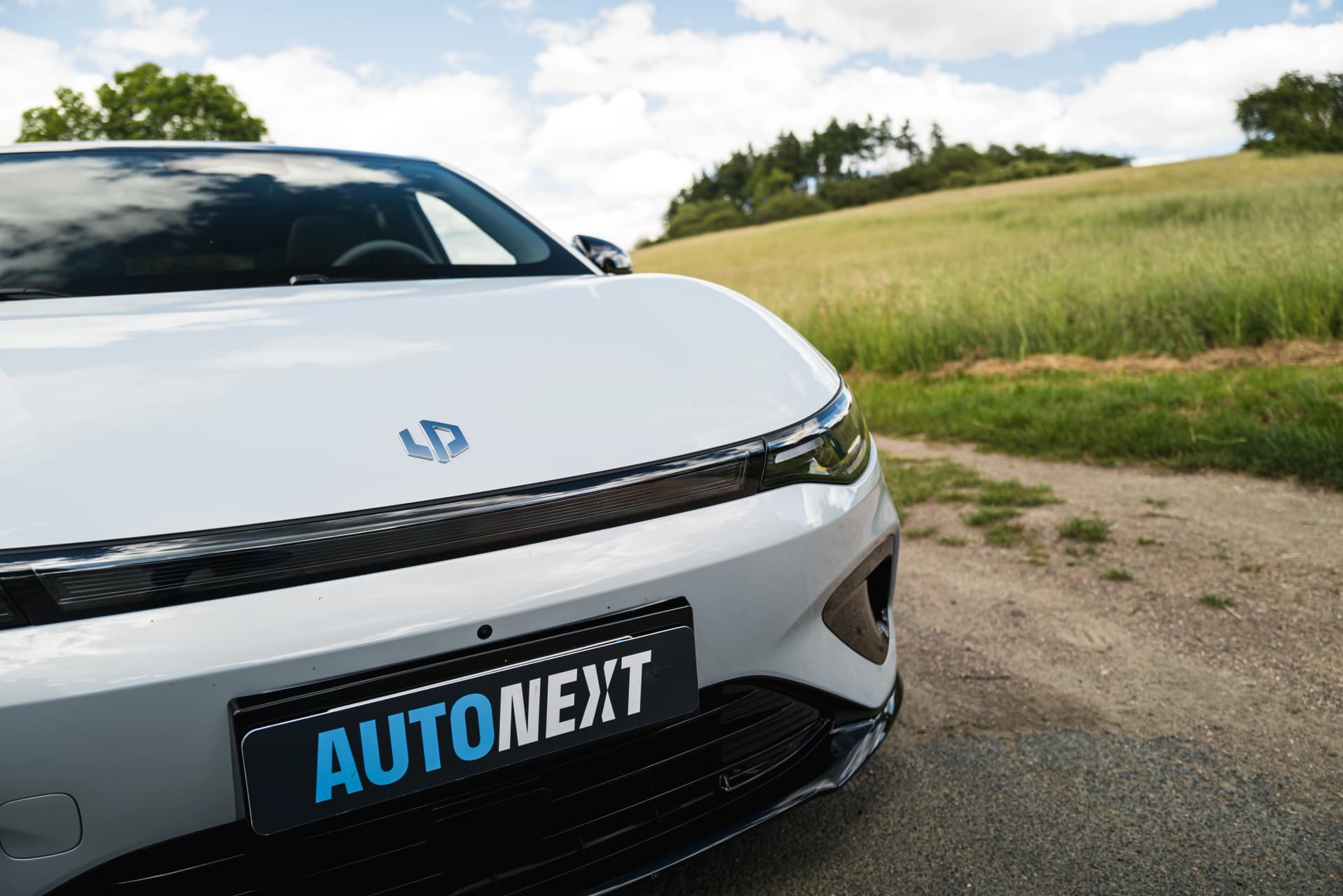
Stellantis is about to build the same electric car four times at its Zaragoza plant in Spain, and hand it four different names. The Leapmotor B10, the Vauxhall Grandland, the Peugeot 3008 and a new Opel electric C-SUV will share one platform, developed with the Chinese EV maker Leapmotor, in which Stellantis bought a roughly 20 percent stake for 1.5 billion euros back in 2023. What AutoNext has been tracking as this partnership deepened started as a straightforward distribution deal, Stellantis simply selling Leapmotor's cars outside China, and has become something else entirely: shared engineering, shared production, and four heritage badges attached to the same underlying car.
One platform, four badges, and a battery plant next door
Zaragoza is not just an assembly line. A 4.1 billion euro, 50 GWh battery gigafactory is rising on the adjacent site, a joint venture between Stellantis and the Chinese battery maker CATL, staffed with roughly 2,000 Chinese workers and targeted to start production before the end of 2026. Stellantis and Leapmotor are also weighing whether to send future Leapmotor models to the Madrid plant from 2028, and even hand that factory's ownership to the Leapmotor International joint venture outright. Put the platform, the battery plant and the ownership questions next to each other and the picture is clear: the engineering brain behind these four cars, and the cells that power them, both originate on the same patch of land, from the same Chinese partners. The badge on the boot lid is now doing most of the talking.
Sharing a platform across brands is not new, and that is not the actual shift
None of this is unusual on its own. Stellantis already builds cars across 14 brands from a handful of shared platforms, and Volkswagen has run the same playbook across VW, Skoda, Seat and Audi for decades. Badge engineering is older than most people buying these cars. What is different here is not that the platform is shared, it is where the platform actually comes from. Historically, the shared engineering behind a Peugeot, an Opel or a Vauxhall was European, developed in-house or with long-standing Western partners. This time it is Chinese, from a company almost nobody in Western Europe had heard of three years ago, and it arrived because Stellantis could not build a competitive electric platform of its own fast enough.
For Stellantis, this reads less like ambition and more like triage
Stellantis posted close to 26 billion dollars in losses last year, and its electric line-up has trailed not just Chinese rivals but Western ones like Volkswagen and Ford. Leapmotor, meanwhile, is one of the few Chinese EV start-ups to survive the domestic shakeout, with around 65 percent of its car's value built in-house, its own battery operation and its own AI chip, but thin brand recognition against BYD, Xpeng and Li Auto at home. Founder Zhu Jiangming has said the company had been preparing to expand abroad for a long time. For Stellantis, folding Leapmotor's platform into Opel, Peugeot and Vauxhall is not really a growth story, it is a way to get competitive electric cars onto the market on a timeline its own engineers could not hit alone. There is a real regulatory wrinkle attached to that bet too: from 2027, the United States plans to ban connected vehicles carrying Chinese-linked technology, a reminder that borrowing Chinese engineering to sell European badged cars is not risk free everywhere.
This is also not an isolated deal, it is a pattern
Zaragoza fits a wider pattern rather than standing alone. MG chose Spain for its own new European factory around the same time, and Lynk & Co has handed its European operations to Volvo Cars in a similar swap of Chinese product for Western distribution and trust. Whatever a buyer makes of the politics, the direction across the industry is consistent: Chinese platforms, batteries and build know-how paired with European badges, European final assembly and European brand trust.
None of this makes the car worse, and Leapmotor's pricing shows why Stellantis wanted in
There is a real upside buried in this arrangement. Leapmotor's own B03X already undercuts most European rivals at under 24,000 euros, tariffs included, a price a purely European platform has struggled to hit. If that kind of cost discipline reaches a Vauxhall Grandland or a Peugeot 3008 badge, buyers get a cheaper, faster-developed EV than Stellantis could likely have delivered alone. The trade-off is not really about build quality or value for money. It is about what the badge is actually promising. A buyer choosing between these four cars in a showroom in a few years will not be choosing a different engineering philosophy or a national school of car making. They will be choosing a dealer network, a warranty and a badge they trust, wrapped around the same car.
AutoNext Take
None of this is necessarily bad news for buyers. A cheaper, faster EV with real vertical integration behind it is not a downgrade. But it is worth being honest about what changes: for decades, choosing a Peugeot over an Opel over a Vauxhall meant something about how the car was actually built, even when the underlying hardware overlapped more than either brand liked to admit. That gap is now closing to almost nothing, and the platform behind all three did not come from any of them.
If you are shopping this segment in a few years and the badge is the main thing separating a Grandland from a 3008, ask what you are actually paying extra for. Increasingly, the honest answer is going to be the badge itself.