Warming up your engine is an offence across Europe, and after four minutes the oil is still below freezing
The habit made sense when cars had a choke, and every part that made it sensible was deleted thirty years ago.
A carburettor engine genuinely needed those minutes. It metered fuel mechanically, it knew nothing about the outside temperature beyond a choke you pulled by hand, and driving off on a January morning before it had settled meant hesitation, stalling and a stumble at every junction. So a generation learned to start the car, go back inside for a coffee, and come out to something that would drive. Then electronic fuel injection arrived, with a coolant temperature sensor telling the engine management exactly how cold it is and a lambda sensor reading what comes out of the exhaust, and the car began handling its own cold start better in the first second than a choke managed in five minutes. The habit outlived the hardware by three decades. What has changed since is not only that idling stopped being necessary, but that most of Europe turned it into a fineable offence, that it demonstrably harms the engine you believe you are protecting, and that one measurement almost no driver has ever seen shows it does not even do the job it is being asked to do.
Germany fines 80 euros under StVO section 30, and your own driveway is not the loophole
Running an engine without a reason to is expressly forbidden in Germany under section 30, paragraph 1 of the Straßenverkehrsordnung, which bans unnecessary noise and avoidable exhaust nuisance and then names letting a vehicle engine run unnecessarily as the example, at a fine of 80 euros. The wording matters more than the amount, because an engine is deemed to be running unnecessarily as soon as the vehicle is not actually being driven, which covers precisely the four minutes you spend scraping the windscreen with the car ticking over behind you. Rolling onto your own property does not solve it either. On private land the question moves to the state immission control acts, where North Rhine-Westphalia sets a ceiling of 5,000 euros, and where the complaint that starts the process comes from a neighbour rather than a passing patrol. Austria treats the same behaviour under the Kraftfahrgesetz as avoidable air pollution, with penalties in practice of roughly 75 to 150 euros against a statutory maximum far above that, and Switzerland charges up to 80 francs, explicitly including on private ground whenever the noise or the fumes reach anybody else.
France has banned it since 1963, and Italy prices it at up to 444 euros
France surprises people most, because the rule is older than most of the cars it applies to. A decree of 12 November 1963 requires a stationary vehicle to shut its engine down, and the fixed penalty attached to it today is 135 euros, reduced to 90 if you pay quickly and raised to 375 if you leave it. Italy writes it into article 157 of the Codice della Strada, which forbids keeping the engine running while parked in order to work the heating or the air conditioning, at 223 to 444 euros, a rule that catches as many drivers in August as in January. The United Kingdom sits at the mild end: rule 123 of the Highway Code tells you not to leave a parked vehicle unattended with the engine running, and the fixed penalty is 20 pounds, doubling to 40 if it goes unpaid and reaching 80 in some London boroughs, although in practice it is issued after a driver refuses to switch off when asked rather than for the idling itself. That leniency has an expiry date, because Wales is scheduled to replace its 20 pound penalty with a range of 75 to 150 pounds from the end of September 2026.
ADAC measured the engine oil at minus 7 degrees after four minutes of idling
The German motoring club ADAC put a thermometer on the argument and finished it. Starting from an outside temperature of minus 10 degrees Celsius and letting the engine idle, the oil had crawled to minus 7 degrees after four full minutes. Oil temperature is what decides whether an engine is protected, not the coolant needle on the dashboard, so after four minutes of standing still the car is still cold in the only sense that matters, and it has burned about a tenth of a litre of fuel to get there, which over a winter of cold mornings costs a good deal more than you will ever save by choosing what time of day you fill up. Worse than the waste is what that fuel does on the way through. A cold engine runs deliberately rich, and at idle there is neither the heat nor the load to burn all of it, so unburned petrol washes down the cylinder walls, strips the oil film off the bores and thins the oil in the sump. The catalytic converter, which needs somewhere around 250 to 300 degrees before it converts anything at all, stays cold throughout, which makes those minutes comfortably the dirtiest of the entire journey. A diesel with a particulate filter comes off worse still, because filter regeneration needs exhaust heat and load and a driveway supplies neither. An engine warms fastest under gentle load, so the correct warm-up is to start it, give it the few seconds it takes for oil pressure to reach the top of the engine, and drive away below about 2,500 rpm.
Your heater has nothing to give you at idle, and the air conditioning is the real demister
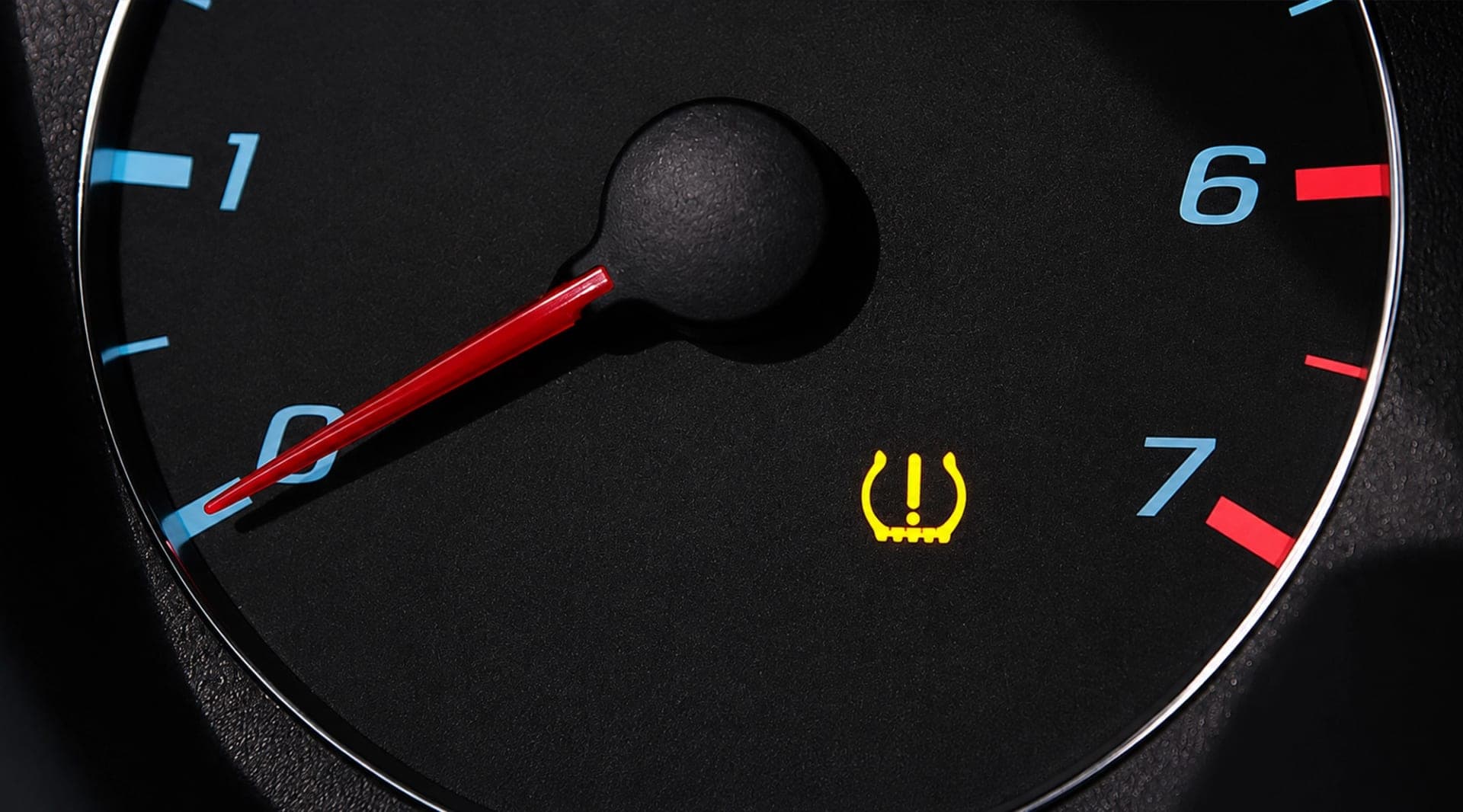
Cabin heat is waste heat, and a modern engine at idle is not wasting much of it. Petrol engines have become efficient enough, and diesels so much so, that manufacturers now fit supplementary electric heating elements precisely because there is not enough energy left in the coolant to warm a cabin on a short winter run. That is why the vents blow cold for the first several minutes no matter how long the car stood there first. What actually clears a misted screen is the air conditioning compressor, because a cold evaporator pulls the water out of the air before it reaches the glass, so the fastest method is fresh air rather than recirculation, air conditioning switched on, temperature high, aimed at the windscreen, with the car moving. Ice on the outside is a scraper job and nothing else, and it has to be all of the glass: clearing a peephole and setting off is a separate offence in Germany and in Austria, as is driving away with a load of snow still on the roof. While you are out there with the scraper, expect the tyre pressure warning to appear on the first properly cold morning of the year, because pressure falls by roughly 0.1 bar for every 10 degrees the temperature drops.
A parking heater and an electric car do it legally, because no engine is idling
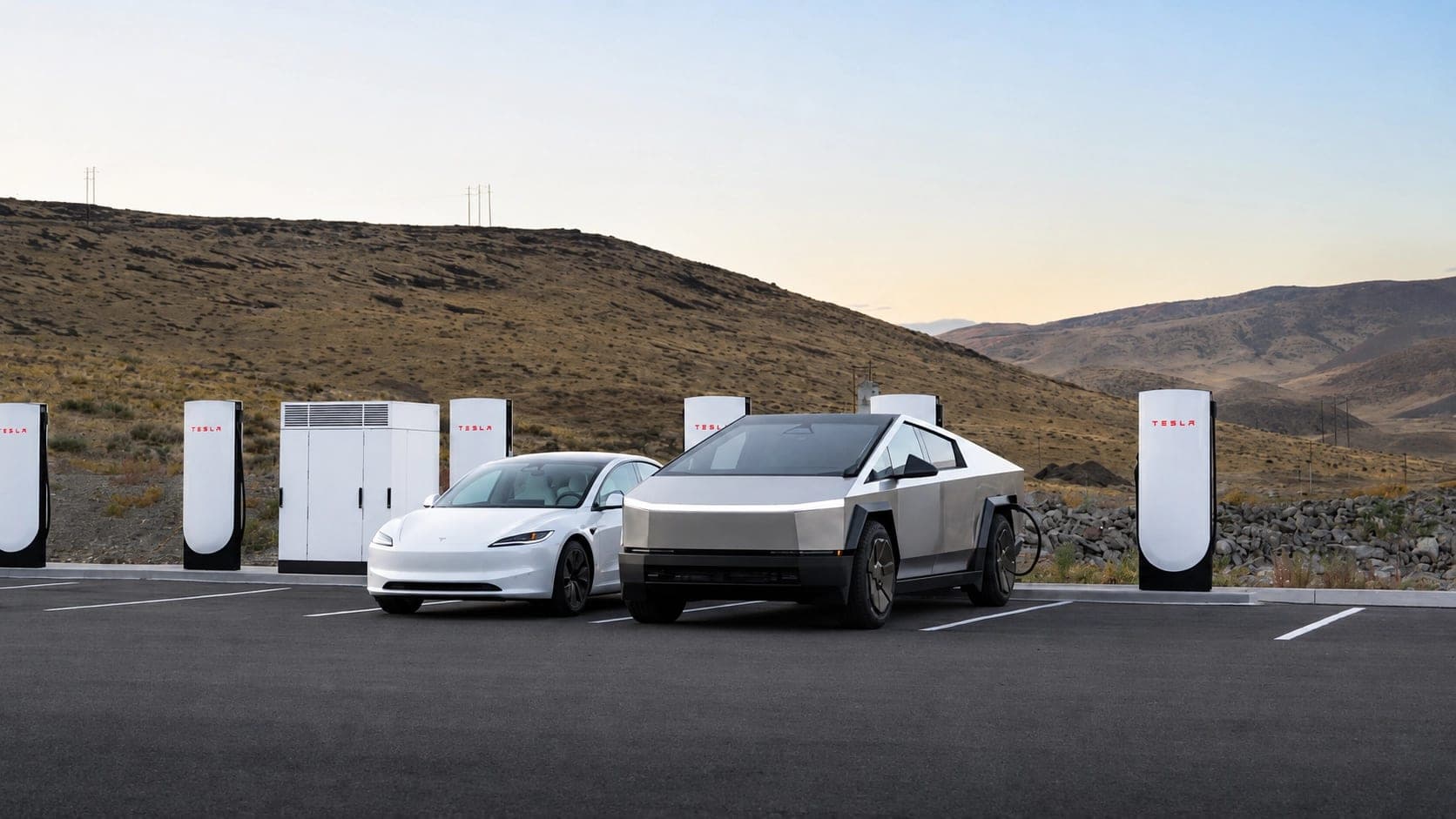
The law objects to a combustion engine running for no reason, not to a warm car, which leaves two entirely legitimate ways to walk out to clear glass. A fuel-burning parking heater, fitted or retrofitted on a great many German-market cars, runs a small burner instead of the engine and can be set on a timer or from a phone, and it is exactly what ADAC recommends in place of idling. An electric car does the same thing better and for less, because preconditioning while still plugged in warms the cabin and the battery from the wall rather than from the pack, so it costs no range at all, and the same function is what makes the first rapid charge of a cold day behave, since battery temperature rather than the charger is usually what limits charging speed. The cheap version of all of this is a windscreen cover thrown over the glass the night before, which costs about the price of two bottles of screen wash and removes the scraping entirely.
Walking away from a running car is the version that costs you your theft cover
Every motor policy in Europe carries some form of reasonable-care condition, and most add an explicit clause about keys left in an unattended vehicle, which is an exact description of a car ticking over on a driveway with nobody in it. Insurers treat it as the clearest case of gross negligence available to them, and the theft that follows is not an exotic crime: it takes seconds, needs no tools, no relay equipment and no skill, and it happens most often on the coldest mornings of the year outside houses where the owner has gone back in for their gloves. German law adds a layer of its own, since a driver is required to secure a vehicle against unauthorised use, and a key in a running car does the opposite of that. The rule is simple enough to keep. If the engine has to be running, be in the car.
What to actually do
Eight habits, and the first one saves you fuel, a fine and engine wear at the same time.
Start the engine and drive off within about 30 seconds, keeping below roughly 2,500 rpm until the temperature gauge lifts. Gentle load is the fastest way to warm an engine.
Scrape all of the glass rather than a peephole, and clear the mirrors, lights, number plates and the roof before you move.
Demist with the air conditioning: fresh air rather than recirculation, heat high, vents aimed at the windscreen.
Put a windscreen cover on the night before and the scraping disappears for the price of two bottles of screen wash.
If the car has a parking heater, or preconditioning on an electric car, set it on a timer and leave the car plugged in so the heat comes from the wall.
Never walk away from a running car. It is a fineable offence in its own right and the standard way winter cars get stolen.
Expect the tyre pressure light on the first cold morning, and check all four with a gauge rather than simply resetting the warning.
Driving abroad this winter, assume idling is illegal wherever you have parked, because in Germany, Austria, Switzerland, France, Italy and the United Kingdom it is.
Frequently asked questions
Is it really illegal to warm up my car, or is that an urban legend?
It is genuinely illegal across most of Europe, and it has been for far longer than the current emissions debate. Germany names it in section 30 of the road traffic act at 80 euros, France has required stationary vehicles to switch off since a 1963 decree and fines 135, Italy asks between 223 and 444 under article 157 of its highway code, Austria treats it as avoidable air pollution and Switzerland charges up to 80 francs. What varies is enforcement rather than legality. In much of Europe a patrol will not go looking for it, but a neighbour can start the process on a residential street, and in a low emission zone or outside a school it is exactly what an officer is there to look for.
How long should a modern engine idle before I drive?
Long enough for the oil pressure to reach the top of the engine, which is a matter of seconds rather than minutes, so call it 20 to 30 seconds and use them to put your seatbelt on. After that the engine is better off being driven gently than left standing, because load generates the heat that idling cannot. Keep the revs modest until the temperature gauge starts to move, avoid full throttle and high loads while the oil is still cold, and the whole warm-up takes care of itself in the first few kilometres. The one thing worth doing at the other end is letting a hard-worked turbocharged engine idle for half a minute before you switch off after a fast motorway run.
Does this apply to diesels and to genuinely old cars too?
Diesels are the worst case, not an exception. They produce so little waste heat at idle that the cabin stays cold anyway, and a particulate filter needs load and exhaust temperature to regenerate, so a diet of idling and short trips is precisely how filters clog and how expensive warning lights appear. Direct injection petrol engines suffer their own version through fuel washing into the sump. The only cars that genuinely benefit from a warm-up are carburettor cars, which in practice means classics built before roughly the late 1980s, and even there the aim is a minute of fast idle to stop it stalling, not five minutes of standing.
Does idling at least charge the battery?
Barely, and on a cold morning it can do the opposite. Alternator output at idle is a fraction of what it is on the move, while a heated rear screen, a blower on full, headlights, wipers and heated seats can draw more than the engine is producing, so the battery quietly supplies the difference. Add the heavy current the starter took to get the engine going at minus 5 and you can finish a five minute idle with less charge than you started with. Battery failure is the single most common breakdown call in Europe, and the classic profile behind it is short journeys with a lot of standing, not high mileage.
Can I be fined for idling on my own driveway?
In several countries, yes. The German road traffic act covers public roads, but on private ground the state immission control acts take over, and in North Rhine-Westphalia the ceiling written into that law is 5,000 euros. Switzerland is explicit that its rule reaches private property once the noise or the exhaust affects anyone else. In practice these cases start with a neighbour rather than a patrol, which is worth knowing if you park close to somebody's bedroom window and leave the car running at six in the morning. The safer answer everywhere is the same one: a windscreen cover, a scraper, and driving away.