Germany's oldest BMW dealer filed for insolvency, eight days after Autohaus König
Thomas Wahl is the fourth generation, and the first to go to court
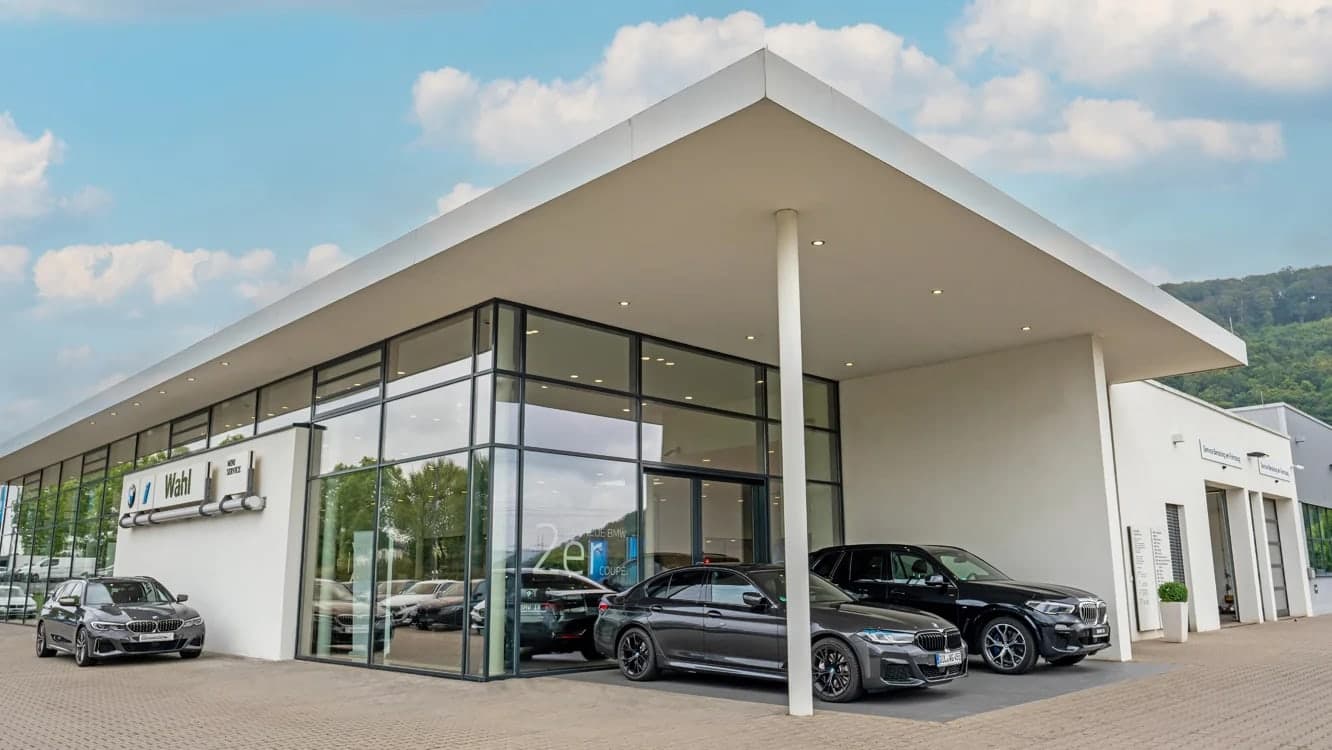
Thomas Wahl is the fourth generation to run a family business founded in 1898, and the first of them to take it to an insolvency court. Six of the group's operating companies have filed for self-administration at the district court in Siegen. All 31 showrooms and workshops stay open, and around 1,000 people are now waiting to learn which of those jobs still exists in December.
Six Wahl companies filed for self-administration in Siegen
The applications, lodged on 3 September, cover Horst Wahl GmbH & Co. KG, Alfred Wahl GmbH & Co. KG, K & W-Wahl Management GmbH, Räder- & Pflegecenter Wahl GmbH, Lackierzentrum Siegerland GmbH and K & W mobility GmbH. Self-administration leaves the existing management in charge under a court-appointed supervisor instead of handing the business to an administrator. Restructuring specialists Jürgen Erbe and Michael Böhner of Schultze & Braun join the management as general representatives. Sales and service across North Rhine-Westphalia, Hesse and Rhineland-Palatinate continue, and wages are covered by German state insolvency pay until at least the end of November.
Wahl went from five brands to sixteen, adding MG, Xpeng and Leapmotor
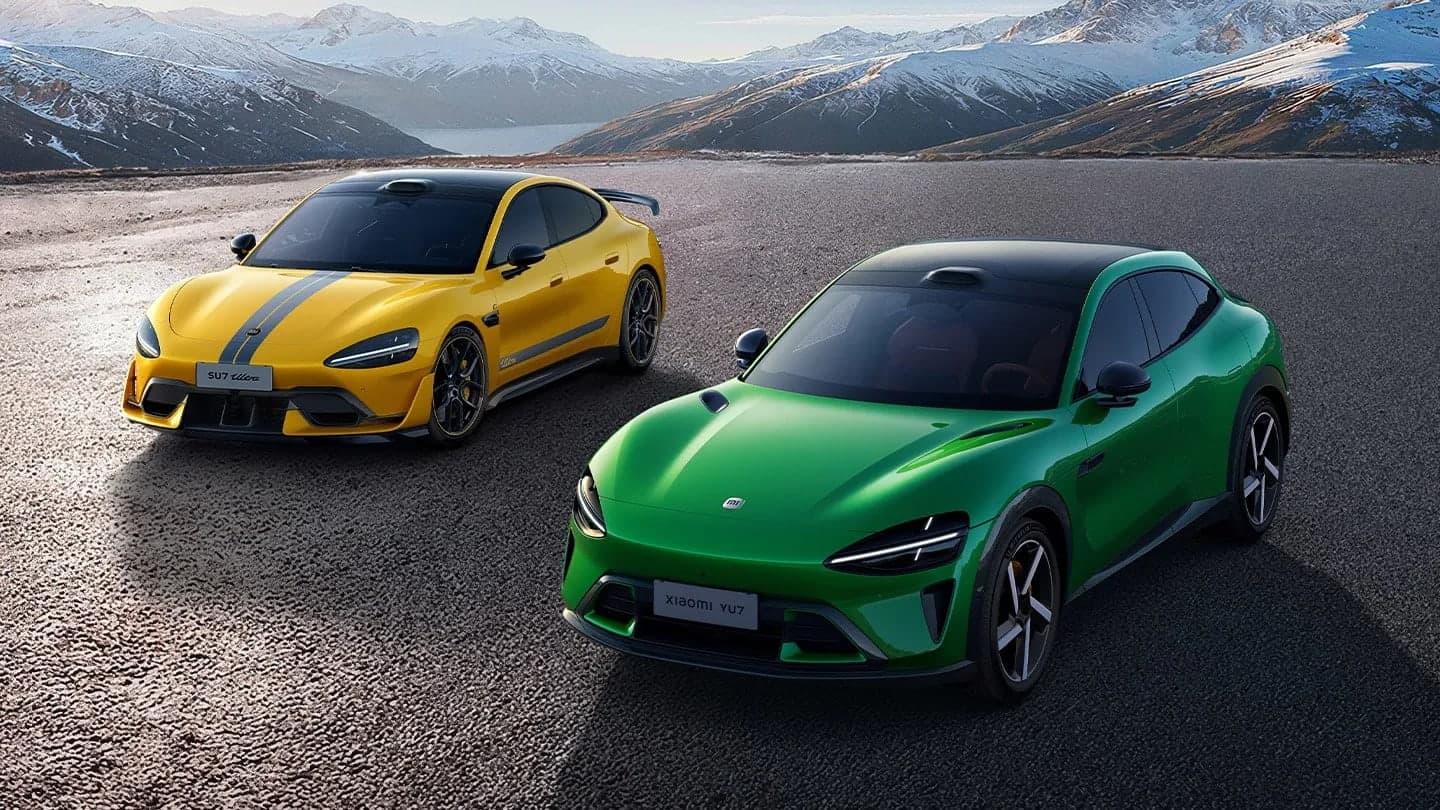
The group now sells BMW, BMW Motorrad, Mini, Ford, Kia, Mazda, Opel, Peugeot, Citroën, DS Automobiles, Jeep, Alfa Romeo, Leapmotor, Maxus, MG and Xpeng. Eleven of those franchises arrived within the last two years, and a new Mazda dealership opened in Koblenz in March 2026, five months before the filing. Thomas Wahl put it plainly: the combination of challenges was not sustainable for a cautiously run family business over a period of several years. Chinese newcomers are chasing exactly this kind of network, and Xiaomi signed eight German dealer groups days before Wahl filed. No revenue, loss or debt figures have been published.
Autohaus König filed first, with 82 sites and 1,200 employees
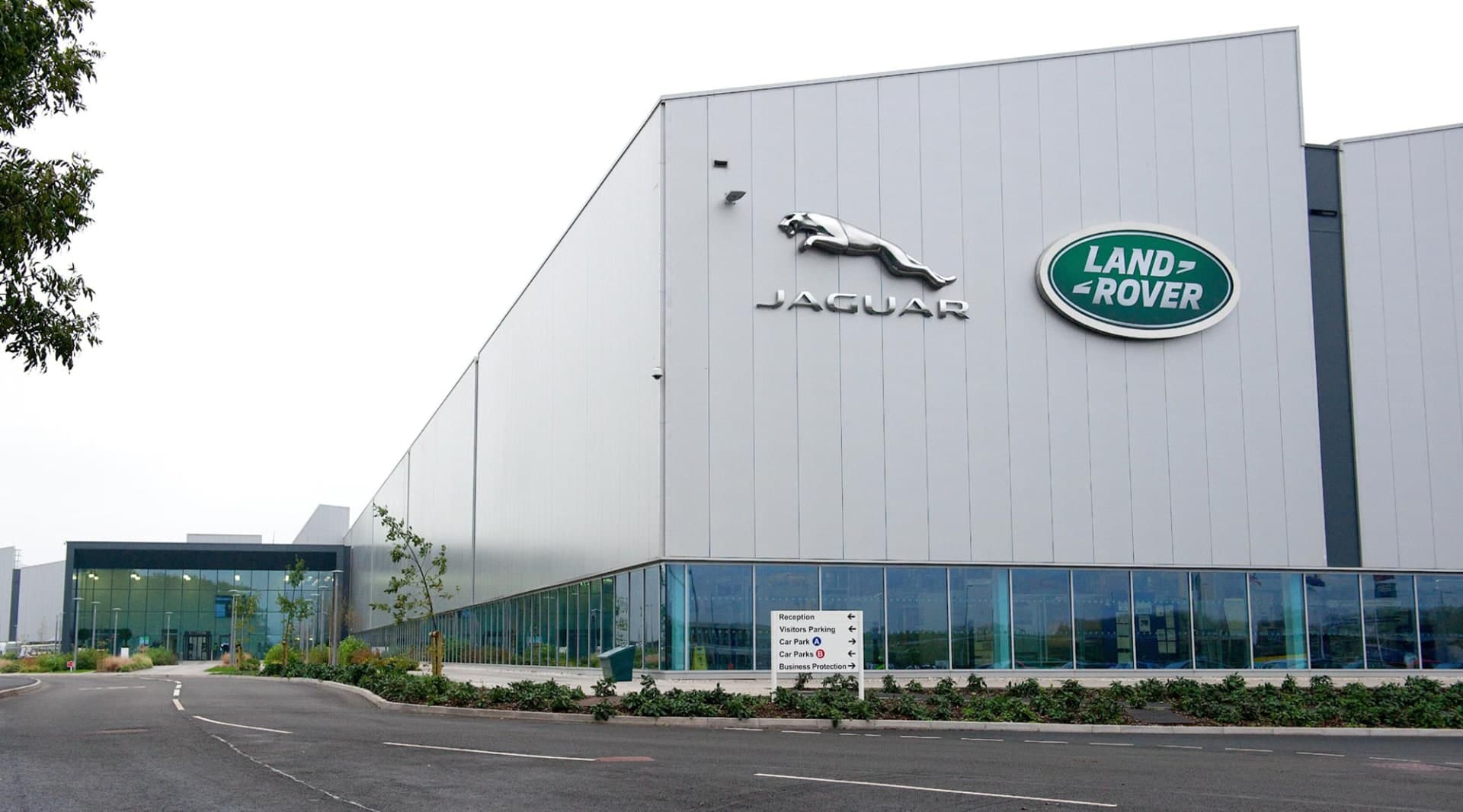
Berlin's Autohaus König, the largest Renault retailer in Germany, applied to the Charlottenburg district court on 26 August, and the proceedings were made public on 2 September with Rainer Eckert appointed as provisional administrator. Its network runs to 82 locations across Berlin, Brandenburg, Mecklenburg-Vorpommern, Saxony, Saxony-Anhalt and Thuringia. Put the two groups together and German car retail has taken 113 sites and roughly 2,200 jobs into insolvency proceedings inside nine days. Jaguar Land Rover confirmed 4,000 job cuts in the same week.
A BMW warranty survives the insolvency, a deposit paid to Wahl may not
This is the part that matters if you have money with either group. Anything the manufacturer stands behind travels with the car: factory warranties, recall work and goodwill claims sit with BMW, Mazda or Stellantis, not with the showroom that sold it. Booked workshop appointments and vehicle orders already in the system are being processed. What is exposed is anything only the dealer promised, meaning down payments, prepaid service plans, vouchers and trade-in balances, which turn into claims in the proceedings and depend on how the restructuring goes. The practical rule holds anywhere in Europe: check who the counterparty is before you pay anything up front.
Two German dealers claim the oldest BMW title, and both date to 1923
Wahl began in 1898 as a weighing-scale and iron-construction works and has sold BMW motorcycles since 1 January 1923, which is why it calls itself the oldest active BMW dealer in the world. The claim cannot be verified independently, and Block am Ring in Braunschweig makes the same one: founded as a bicycle shop in 1896, a BMW partner from 1923, seven sites, 260 staff and around 3,000 cars a year. Block am Ring was sold to the Weller group in June 2025. Both of Germany's century-old BMW retail families have therefore left independent hands within sixteen months, one by sale and one by court filing.
AutoNext Take
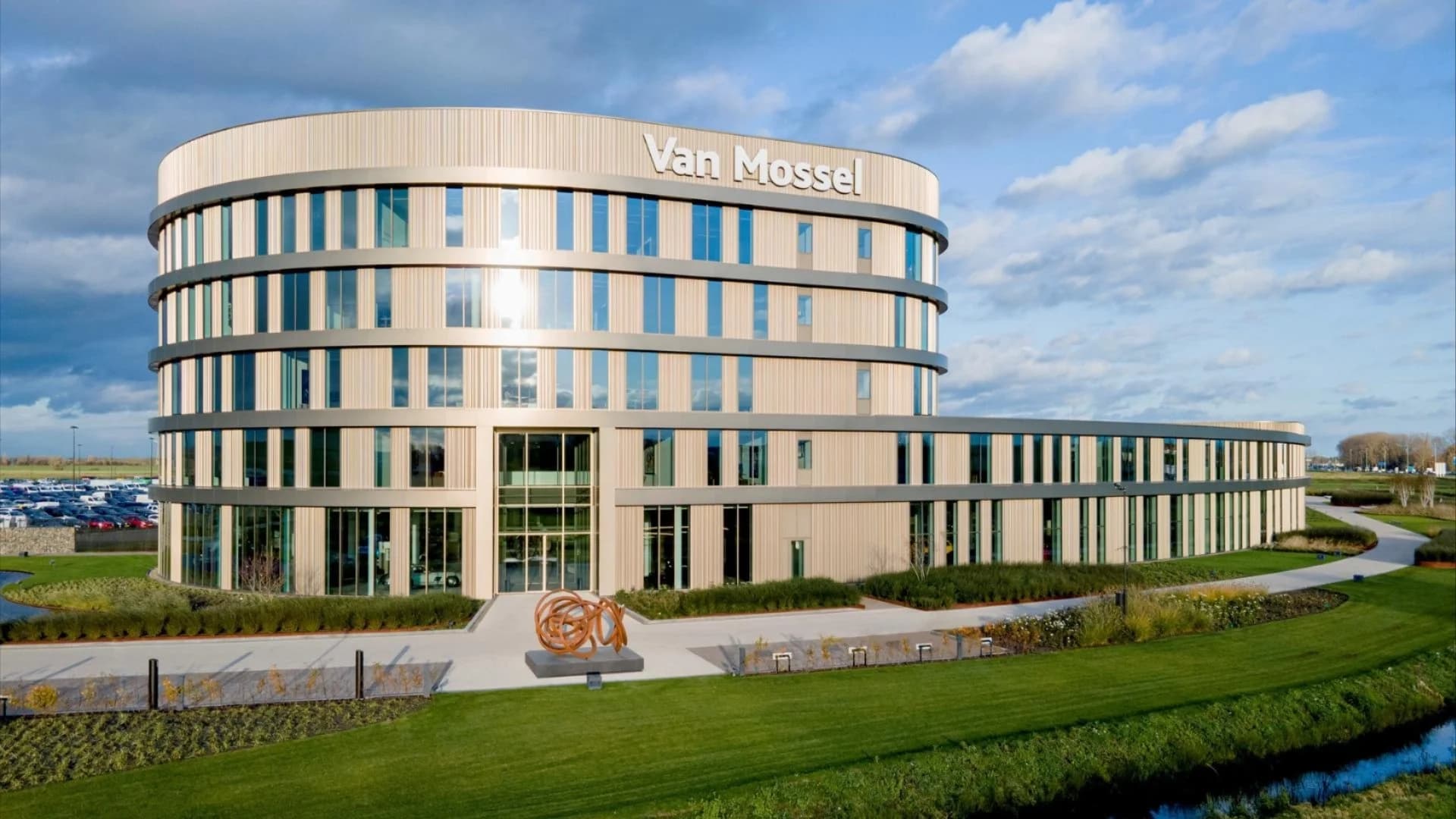
Adding brands is the standard advice for a struggling dealer group, and Wahl followed it further than almost anyone: eleven new franchises in two years, several of them Chinese, layered on top of a BMW contract more than a century old. It did not work, because the cost breaking German car retail is the building, not the badge. Every franchise brings its own corporate identity standards, tooling, training and demonstrator stock, and eleven of them in twenty-four months means eleven sets of fixed costs against a new-car market that has not recovered. Consolidators such as Van Mossel grow by buying that overhead cheaply. Family firms carry it at full price.
December is the date to watch, and Wahl has named it itself. State insolvency pay covers the wage bill until the end of November, after which the group has to earn roughly 1,000 salaries out of trading. If all 31 sites are still open in January and payroll is coming from the business, self-administration worked and the brand portfolio was survivable. If franchises start going back before then, the honest reading is that Wahl bought eleven problems and presented them as a strategy. Watch which badges come off the buildings, not how many buildings close.