Belgium’s dealer landscape has changed, Van Mossel is no longer the challenger
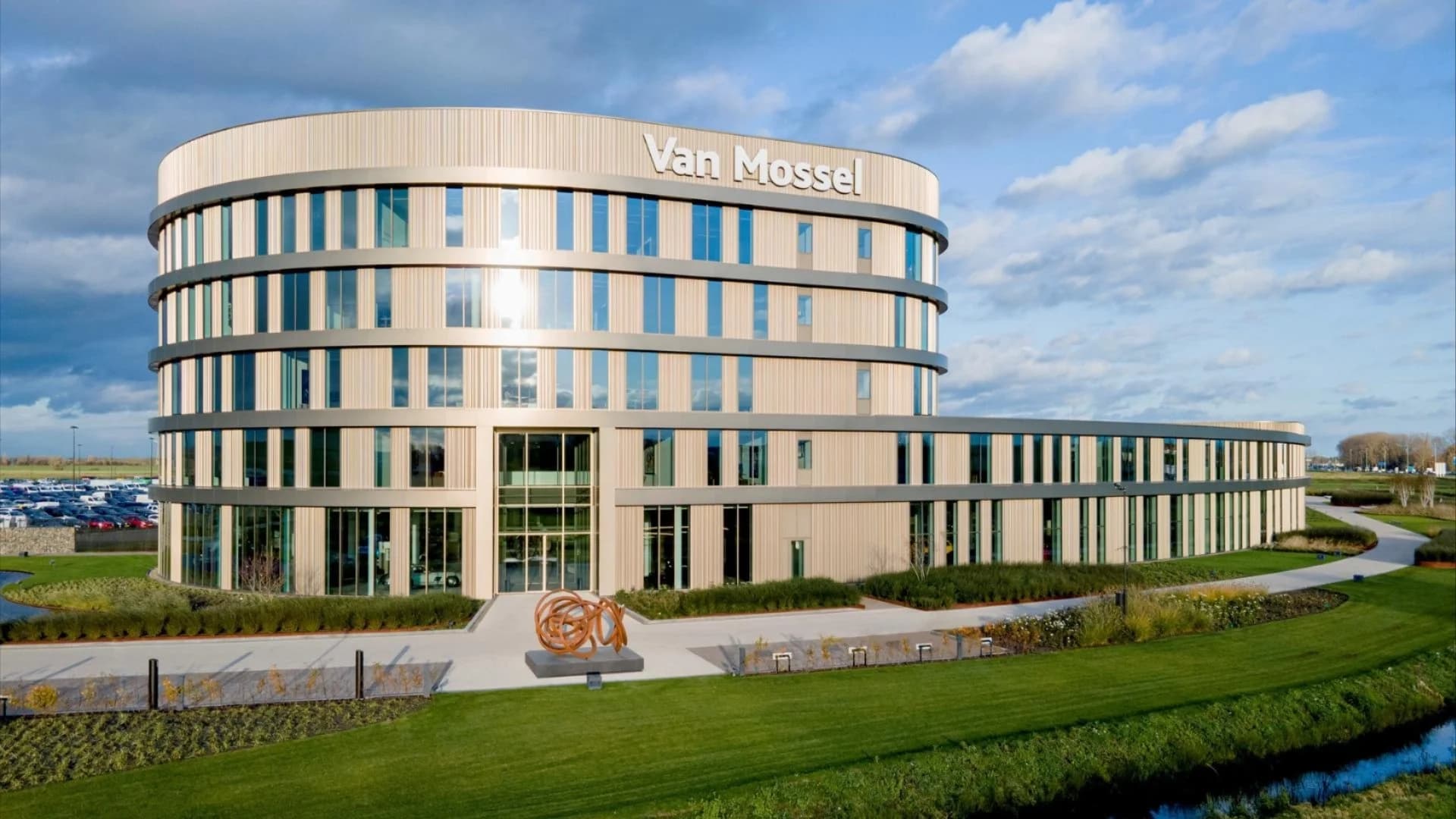
Van Mossel is reshaping Belgium’s automotive retail market.
For decades, Belgium’s automotive retail market had one name that felt almost untouchable: D’Ieteren. Volkswagen, Audi, Skoda, Porsche, Lamborghini, SEAT and CUPRA gave the group one of the strongest automotive positions in the country. It was not just a distributor or dealer network. It was part of the Belgian car landscape.
But the market has shifted. And Van Mossel has moved faster than many expected. The Dutch automotive group, active in Belgium since 2018, has now become the country’s largest car dealer group by new-car registrations. That is not just a commercial milestone. It says something much bigger about where car retail in Belgium and Europe is heading.
The new power is not one brand. It is optionality.
In Belgium, the group now operates a network of around 185 locations and represents 32 brands. That kind of portfolio gives it something traditional dealer structures often lack: flexibility.
If one manufacturer slows down, another can fill the gap. If EV demand rises, Van Mossel can capture it through different price points. If private buyers hesitate on new cars, the group can move them into used cars, leasing or aftersales.
That is the new automotive retail logic. The winner is no longer only the group with the strongest brand badge on the building. The winner is the group that can keep the customer inside its ecosystem, regardless of what they buy next.
D’Ieteren still matters, but the game has changed
D’Ieteren still represents some of the strongest automotive brands in Europe and remains deeply embedded in Belgium. But the advantage of representing one powerful manufacturer group is not as absolute as it used to be.
The Volkswagen Group is going through a complex transition: EV pressure, software challenges, Chinese competition, changing fleet demand and heavy investment cycles. When you are strongly tied to that ecosystem, you feel both the strength and the pressure.
Used cars and EVs are becoming the real battleground
For years, used electric cars were difficult. Residual values were uncertain, buyers worried about battery health, and supply sometimes moved faster than demand. But that balance is changing quickly.
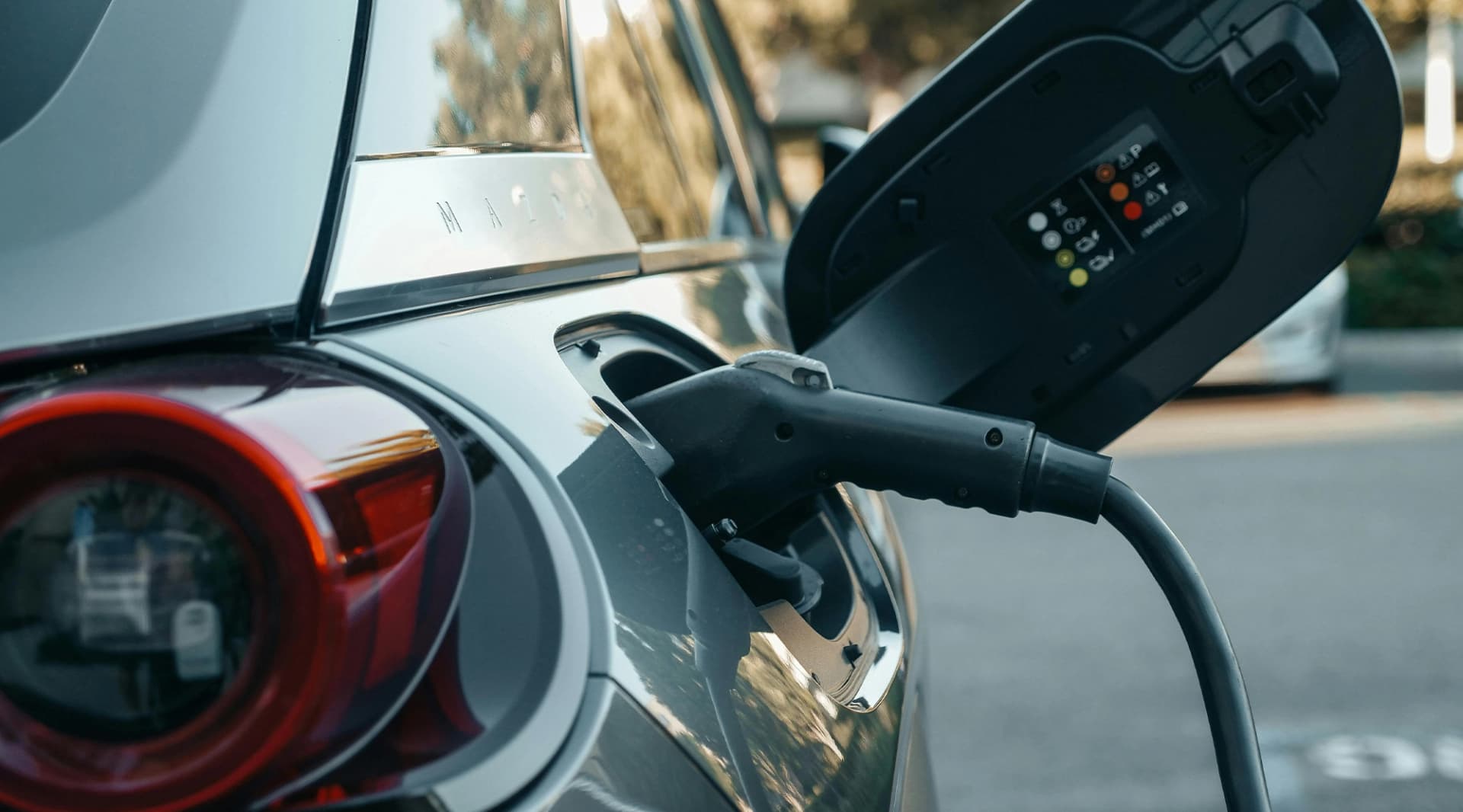
Van Mossel says demand for second-hand electric cars has accelerated strongly. That fits with what we are seeing across Europe: EV adoption is rising, new-car prices remain high, and many buyers are starting to look at used EVs as the more rational entry point. This is where large dealer groups can become extremely relevant again.
A used EV buyer needs more than a listing. They need confidence. Battery transparency, warranty support, financing, aftersales and clear advice all matter. A large group with scale and service capacity has a real advantage there.
Van Mossel is not just selling cars. It is building infrastructure.
The Belgian-Luxembourg business has become a serious pillar inside the wider Van Mossel Group, with around €2 billion in revenue and a reported €55 million net profit.
But the strategic point is even more important than the financial one. Van Mossel is building a full automotive infrastructure: new cars, used cars, leasing, fleet, body repair and aftersales. That makes the group less vulnerable to one single market movement.
New-car margins under pressure? Used cars can help. Private buyers delaying purchases? Leasing can absorb demand. More EVs on the road? Aftersales changes, but repair and reconditioning become more important. Fleet customers changing policies? Multi-brand supply becomes an advantage.
Wallonia could make the lead stronger
In Flanders, the group already has a dense footprint. In the south of the country, there is still room to grow. If Van Mossel expands there with used-car sites and body repair activities, its Belgian position could become much harder to challenge.
Flanders, Brussels and Wallonia behave differently in terms of fleet activity, brand preference, income levels, language, dealer density and EV adoption. A group that wants to dominate Belgium needs more than a Flemish footprint.
AutoNext Take
Van Mossel overtaking D’Ieteren is a bigger story than a ranking change. It shows that Belgian car retail is entering a new phase. Heritage still matters, brand power still matters, but scale, flexibility and ecosystem control matter more than ever.
Van Mossel has understood the market like a platform: multiple brands, multiple revenue streams, multiple customer entry points. New car, used car, lease car, repair, fleet, EV, combustion, it all sits inside the same machine.
The next battle will not only be about who sells the most new cars. It will be about who owns the customer relationship across the entire lifecycle of the car. And right now, Van Mossel is positioning itself extremely well for that future.