Xiaomi signed eight German dealer groups, including one that sells Ferraris
Europe's oldest car dealers just agreed to sell a phone maker's cars
Xiaomi Auto used the media day at IFA Berlin on 3 September to confirm what its new global website had only implied: cars on sale in Germany and other European markets in 2027. Then it did the harder thing. It signed eight German dealer groups, and the names on the paperwork are not startups. They are the businesses that already sell Mercedes-Benz, Ferrari, Toyota and Opel.
Eight German dealer groups signed memorandums at IFA Berlin
The eight are Ernst Dello, Autohaus Dinnebier, Emil Frey Germany, Fett & Wirtz Automobile, Hahn Automobile, LUEG Mobility, Penske-Jacobs Innovation and SPT Avior. Each signed a memorandum of understanding covering sales and after-sales, which is the first concrete step towards a European service network rather than another launch date. Xiaomi says more partners will follow elsewhere in Europe as 2027 approaches. A week earlier the brand had gone no further than opening a dealer inquiry form on its first global website.
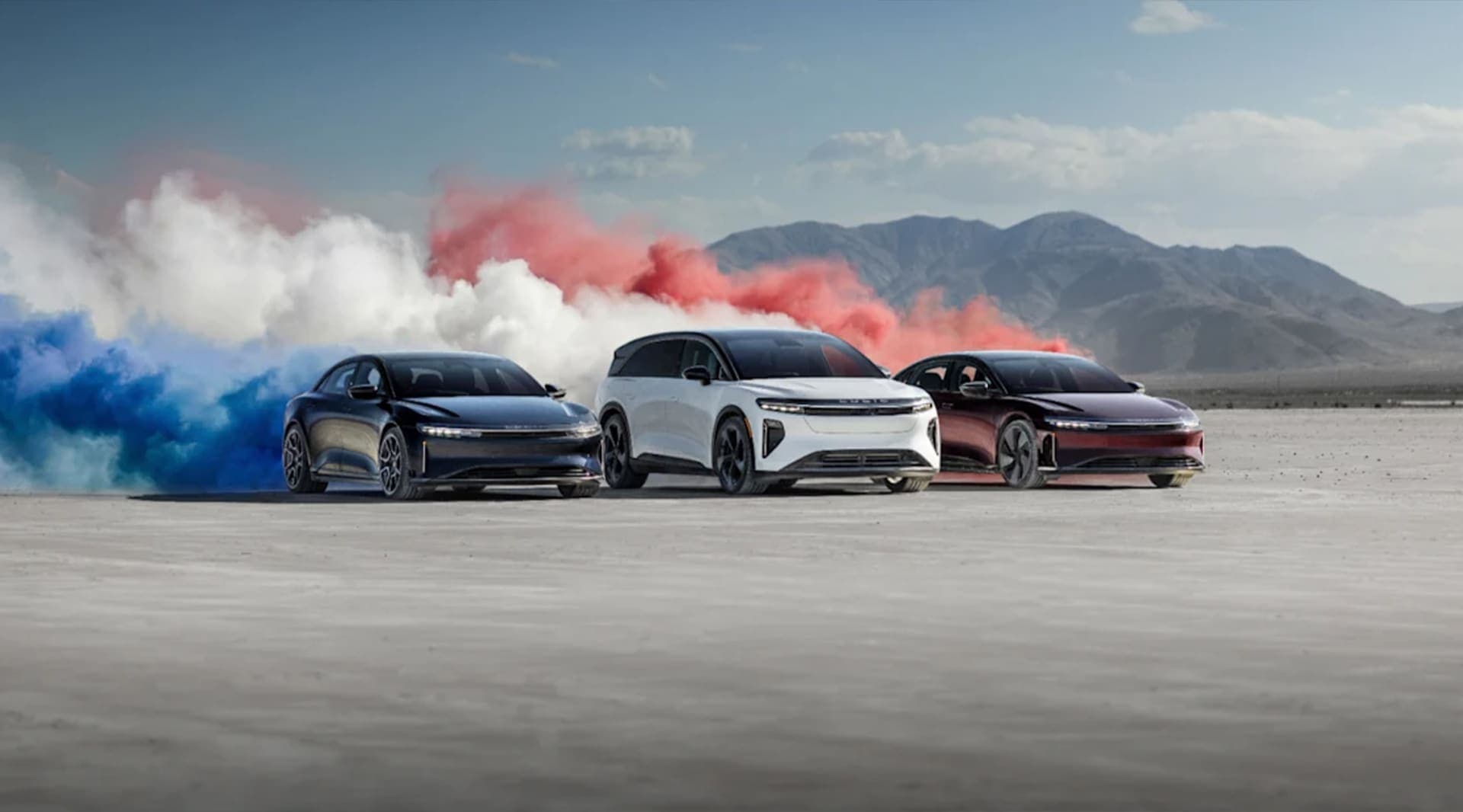
Emil Frey signed Lucid for France one day before signing Xiaomi
Emil Frey is the common thread in two market entries announced within 24 hours. The Swiss group, founded in Zurich in 1924 and now Europe's largest car retailer with more than 22,000 staff and businesses in a dozen countries, agreed on 3 September to distribute Lucid in France, the American brand's sixth European market. On the same day its German arm put its name to Xiaomi's launch. One family-owned retailer is now the landing strip for both a Californian EV maker and a Chinese phone company.
LUEG sells Mercedes-Benz and Ferrari, Dello already sells Leapmotor
These are incumbents rather than opportunists. LUEG has been trading for more than 150 years and its showrooms carry Mercedes-Benz, Mercedes-AMG, Ferrari, smart and Volvo. The Dello group in Hamburg is past its 120th year and runs Opel, Peugeot, Citroën, Fiat, Jeep, Alfa Romeo, Kia, Mazda, Toyota and Lexus franchises, and it has already taken on Leapmotor. Penske is among the largest dealer operations in Europe. None of them needed a tenth brand. They took one anyway.
700,000 cars in 30 months is the number the dealers were shown
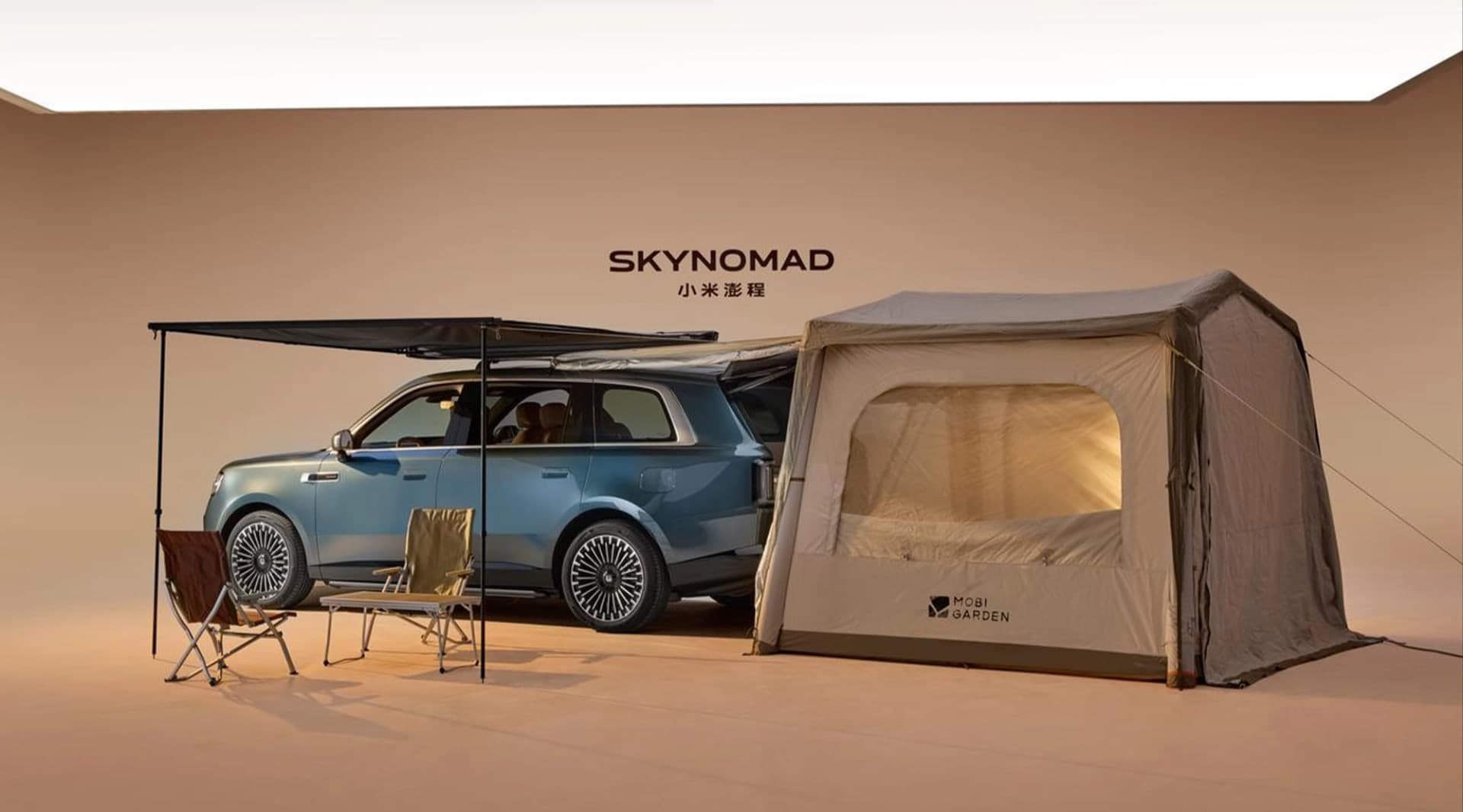
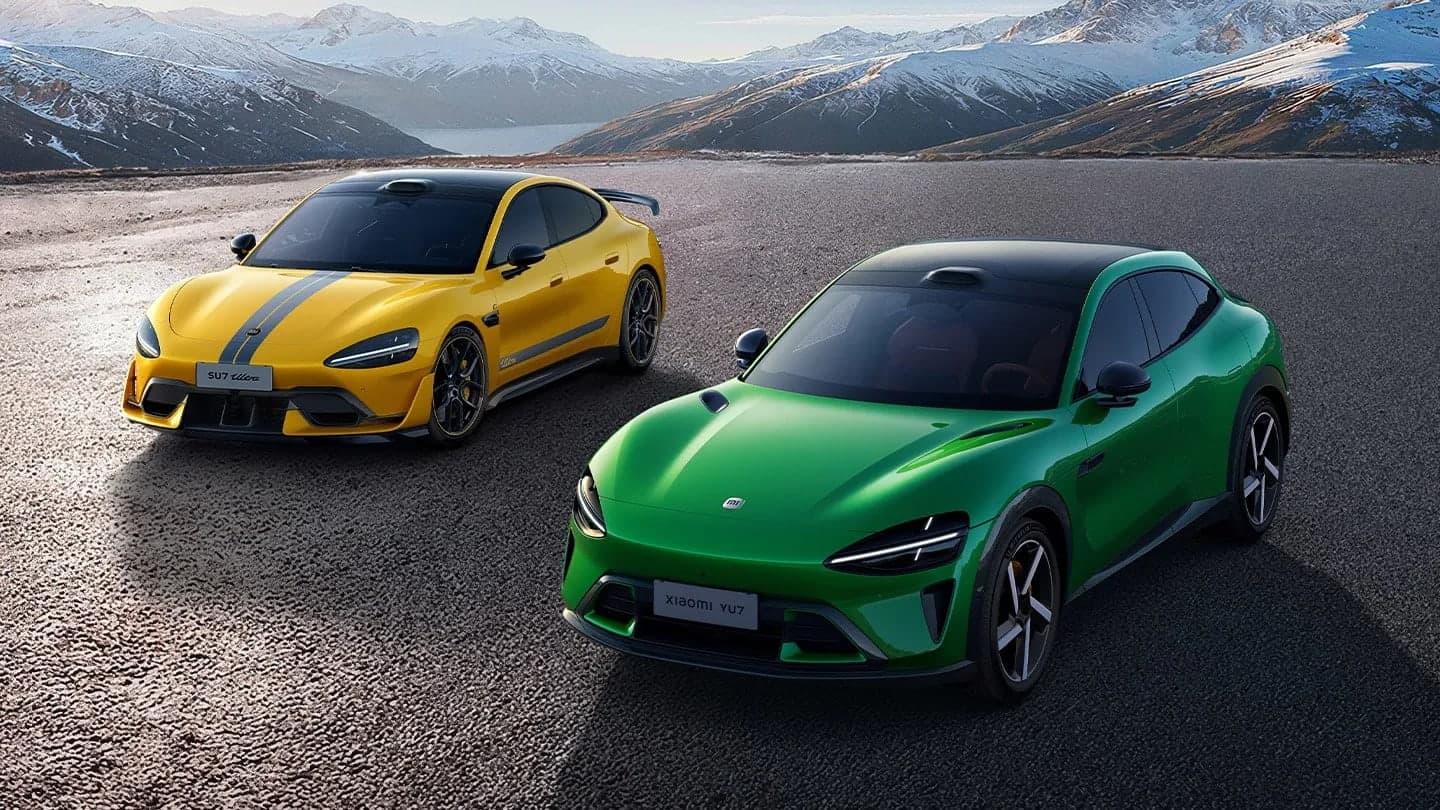
Xiaomi has delivered more than 700,000 cars in mainland China since deliveries began in March 2024. The SU7 saloon passed 500,000 deliveries in 28.5 months, and the YU7 SUV collected more than 240,000 firm orders in its first 18 hours on sale. The brand also has a European base, a Munich research and development centre opened in April 2026 and staffed with engineers and designers hired out of BMW, Porsche and Rolls-Royce. The Skynomad range-extender SUV makes its official debut on 7 September.
No European factory means every 2027 car arrives with a tariff
Xiaomi has announced no European assembly site, so everything its new dealers sell in 2027 will be an import, with the EU's tariffs on China-built electric cars applying on top of the standard duty. That is a margin question, and in a franchised network the margin question lands on the retailer's side of the table. Germany is also the market that decides whether the badge reads as a car brand or as a consumer electronics brand with a sideline.
AutoNext Take
The signatures matter more than the announcement. Xiaomi did not build a European sales network, it rented one, and the landlords are the groups with the most to lose from a cheap Chinese arrival. Emil Frey, LUEG, Dello and Penske all have German franchises worth protecting, and they signed anyway. That is the incumbent retail trade deciding that Chinese volume is something to sell rather than something to fight, which is a bigger shift than any launch date.
The number worth watching is not 2027 deliveries, it is how many of these eight still carry the badge in 2029. A memorandum of understanding is not a franchise contract, and it costs a dealer group almost nothing to sign one two years out. If Xiaomi has not named a European assembly site before the first cars land, the tariff will eat the retail margin first, and a network assembled this easily will come apart just as quickly.