Aston built three one-off DB12 S cars around a detail almost no one will recognise
Aston built three one-off supercars to honour something almost no one will recognise
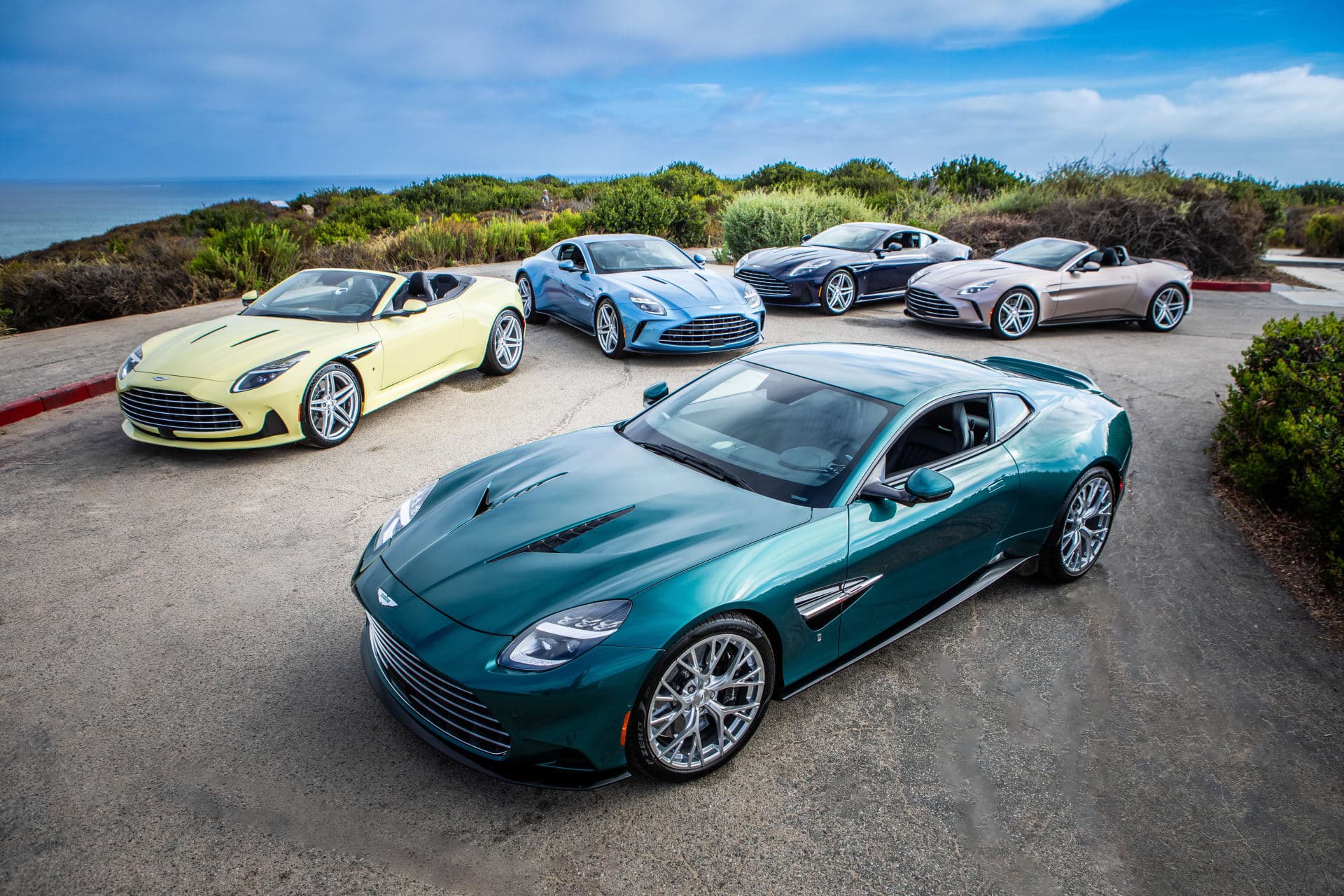
Aston Martin arrived at Pebble Beach with three one-off DB12 S grand tourers, and the reference behind them is so obscure that most of the crowd walking past will miss it entirely. They do not celebrate a famous colour, a race number or a legendary driver. They celebrate three old British number plates. It sounds absurd until you understand what those plates were attached to, and then it becomes one of the most quietly clever heritage tributes Aston has done in years.
The detail only Le Mans obsessives will clock
In 1951 Aston Martin's works team took three DB2 race cars to the 24 Hours of Le Mans, and each wore a British registration plate: VMF 63, VMF 64 and VMF 65. Those plates are the whole idea. The new trio, built by Aston's bespoke Q division, references them directly, each finished in Carbon Black with accents in a single period colour, Rosso Red for VMF 63, Speed Yellow for VMF 64 and Ellwood Blue for VMF 65, carried across the grille and the carbon side strakes. Add 75 graphics for the 75th Pebble Beach Concours d'Elegance, plus a DB2 silhouette hidden under the Aeroblade rear spoiler and repeated in the seat embroidery, and you have a tribute pitched squarely at people who already know the story.
There is a genuinely quick car under the theatre
Crucially, this is not paint dressing up an empty gesture. The three one-offs are based on the new DB12 S, which is a real step up rather than a badge. Its 4.0-litre twin-turbo V8 now makes 691 hp, 20 more than the standard DB12, with 800 Nm of torque and a 0 to 100 km/h time of around 3.4 seconds. Carbon-ceramic brakes, previously an option, are standard and strip roughly 27 kg of unsprung weight, the eight-speed transaxle has been retuned for a sharper throttle response, and the exhaust has been given more voice. So the heritage trio is not hiding a soft car; it is launching Aston's most focused DB12 yet.
Heritage marketing, pitched at the people who already know
This is the part worth admiring. Building a tribute around registration plates is heritage marketing aimed not at the crowd but at the connoisseur. It does not shout; it rewards knowledge. If you recognise VMF 63, you are exactly the customer Aston wants, and if you do not, you were probably never going to spend this kind of money anyway. It is the automotive equivalent of an inside joke, a deliberately obscure signal that says as much about the owner's expertise as the car's. That is a very different flourish from the period road-car colours of the Q collection we saw days ago, and arguably a cleverer one.
Why provenance is becoming the real luxury
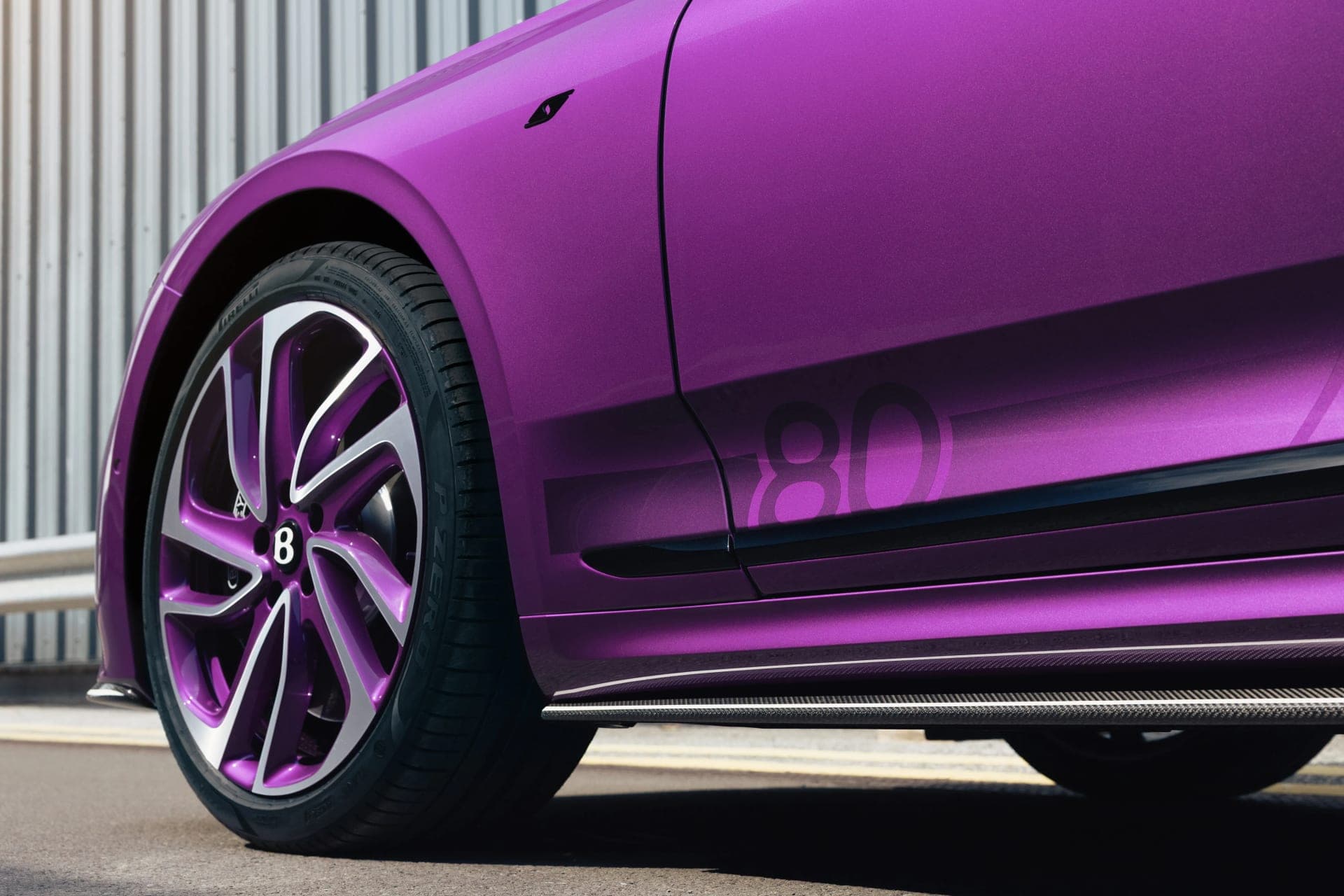
There is a bigger reason this matters. As the industry heads toward shared platforms and commoditised electric drivetrains, a genuine 75-year racing history is one of the few things a rival cannot buy, borrow or fabricate. Provenance is quietly becoming the moat, which is why the whole top of the market is mining its own past, from Bugatti's design boss reworking a Veyron for himself to Bentley leaning on 80 years of Crewe craftsmanship and bespoke houses like HOF selling curated taste by the season. The bespoke arms race is relentless, and much of it is noise. What separates a tribute that lands from one that does not is whether the story underneath is real. Aston's, on this occasion, unmistakably is.
AutoNext Take
The bespoke one-off has become such a Car Week cliche that it is easy to glaze over another trio of expensive tributes, and plenty of them deserve exactly that shrug. This one does not. Choosing to celebrate a set of 1951 number plates, rather than a loud livery everyone would recognise, is a genuine act of confidence: Aston is trusting that the people who matter will get it, and quietly not caring about the ones who will not.
It helps enormously that the DB12 S underneath is a properly sharpened car rather than a decal exercise, because heritage without substance ages badly. Get both right, as Aston has here, and you end up with the most persuasive thing a legacy brand can offer in an increasingly generic era: proof that it was actually there. In a world where anyone with a budget can buy speed, knowing your VMF from your DBR1 is the real flex. More of this, and less of the noise.