To raise cash, Aston Martin sold control of its own brand name, and its lenders are ready to sue
The cars are the easy part, the balance sheet is the horror story
Aston Martin builds some of the most desirable cars in the world, and yet it never seems to stop needing money. Its latest fundraising is its most eye-catching in years, because of what it had to give up to get it: a controlling share of the rights to its own name for anything other than cars. Its bondholders are not impressed, and they are threatening to take the company to court.
What Aston Martin has done
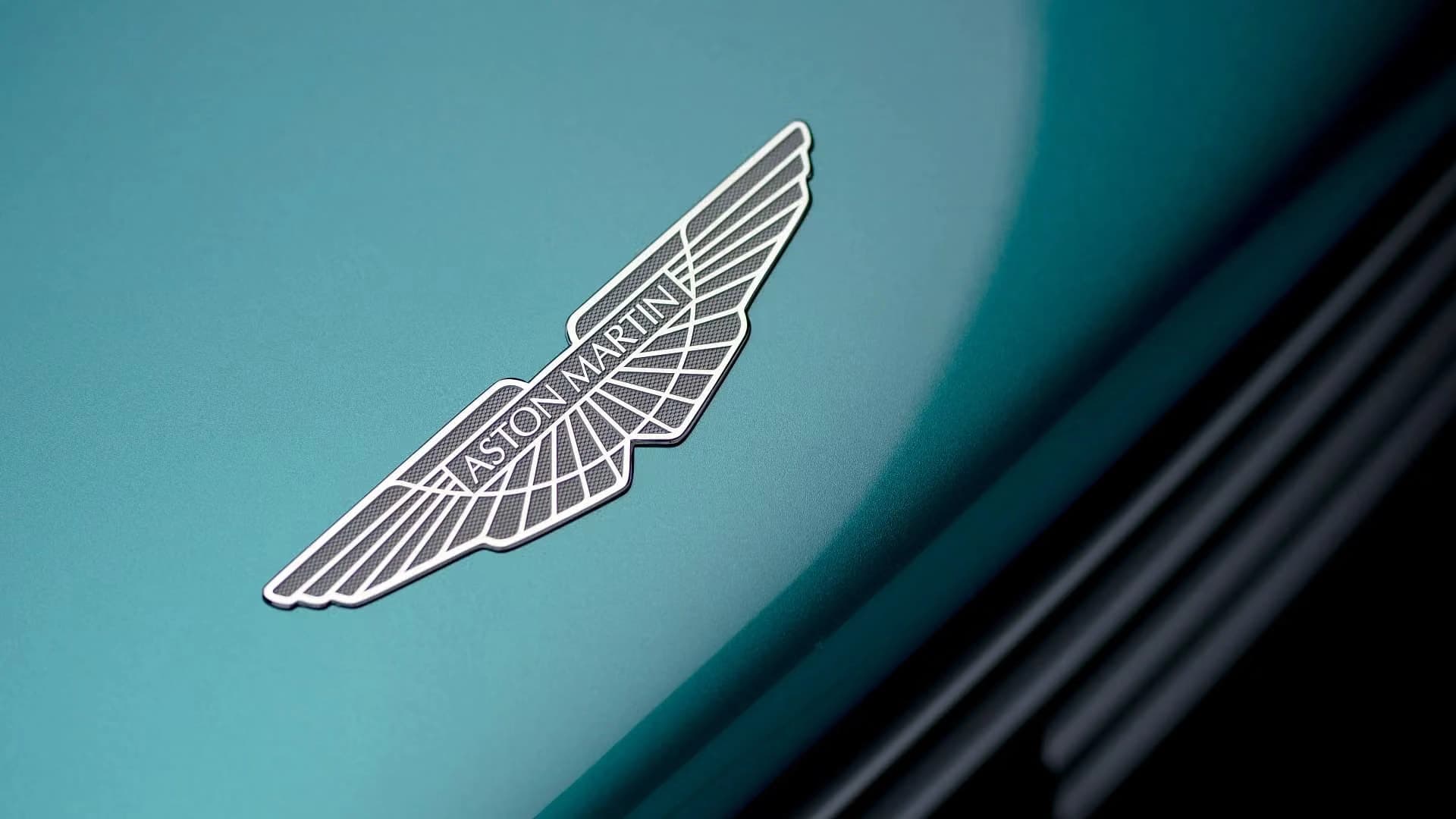
To secure new financing, Aston Martin agreed a debt package worth 550 million pounds, around 740 million dollars, with HPS Investment Partners, a credit firm owned by BlackRock. The catch is a condition attached to it. As part of the deal, Aston is transferring 50.1 percent of its non-automotive intellectual property, the rights to put its name on clothing, fashion and lifestyle goods, to Authentic Brands, the American licensing giant that owns Reebok among many other names. A further 100 million pound tranche is conditional on that branding transfer going through.
Why the bondholders are furious
A group of creditors owed around 1.3 billion pounds has sent a formal letter before action, the step that typically precedes a lawsuit. They argue that monetising the brand breaches the covenants on their existing loans, and that the move deliberately strips valuable collateral away from them to prop up new, expensive emergency borrowing. Their bigger fear is more fundamental still: reports suggest the naming rights for the cars themselves have also been moved into a Cayman Islands entity. If the group ever defaulted, the bondholders warn, they could be left holding a British car company that no longer even has the right to call its products Aston Martins.
A pattern of selling the family silver
This is not a one-off. Earlier in 2026, Aston raised 50 million pounds simply by selling the naming rights to its Formula 1 team. Under executive chairman Lawrence Stroll, the company has repeatedly gone back to investors and lenders to shore up its finances, and each round buys time at a cost. Aston has always insisted its recovery plan is on track, but deals like this, monetising the brand itself, are the actions of a business under serious financial pressure, whatever the strength of its cars.
AutoNext Take
There is a cold logic to what Aston has done. A famous name is a genuine asset, and letting a specialist like Authentic Brands turn Aston Martin into clothing and lifestyle products, while Aston keeps building the cars, could bring in money it badly needs without touching the actual business of making cars. Ferrari has made a fortune from exactly this kind of licensing. On its own terms, selling a stake in the badge is not mad.
The problem is what it says about the state of the company, and how it was done. You do not sell control of your own name unless you are short of easier options, and doing it in a way that existing lenders say leaves them exposed, potentially to a carmaker stripped of the right to its own name, is the kind of manoeuvre that ends up in court. This dispute is far from settled, and both sides will argue it hard. But strip away the legal detail and the message is blunt: one of Britain's greatest car brands is still fighting for its financial life, and this time it has had to pawn the name on the badge to keep going.